
 admin
admin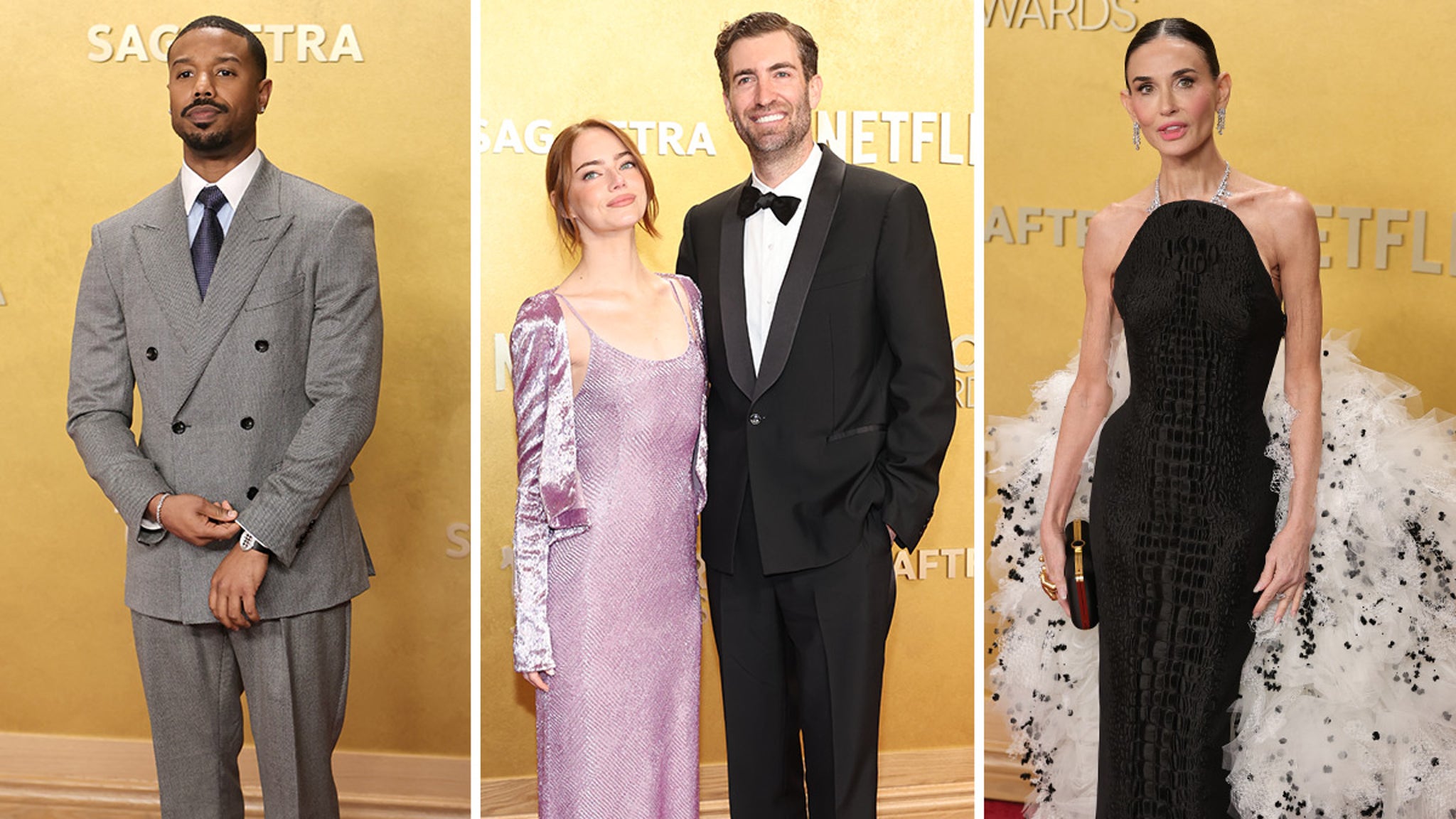
Published March 1, 2026, 3:57 PM PST | Updated March 1, 2026, 4:33 PM PST
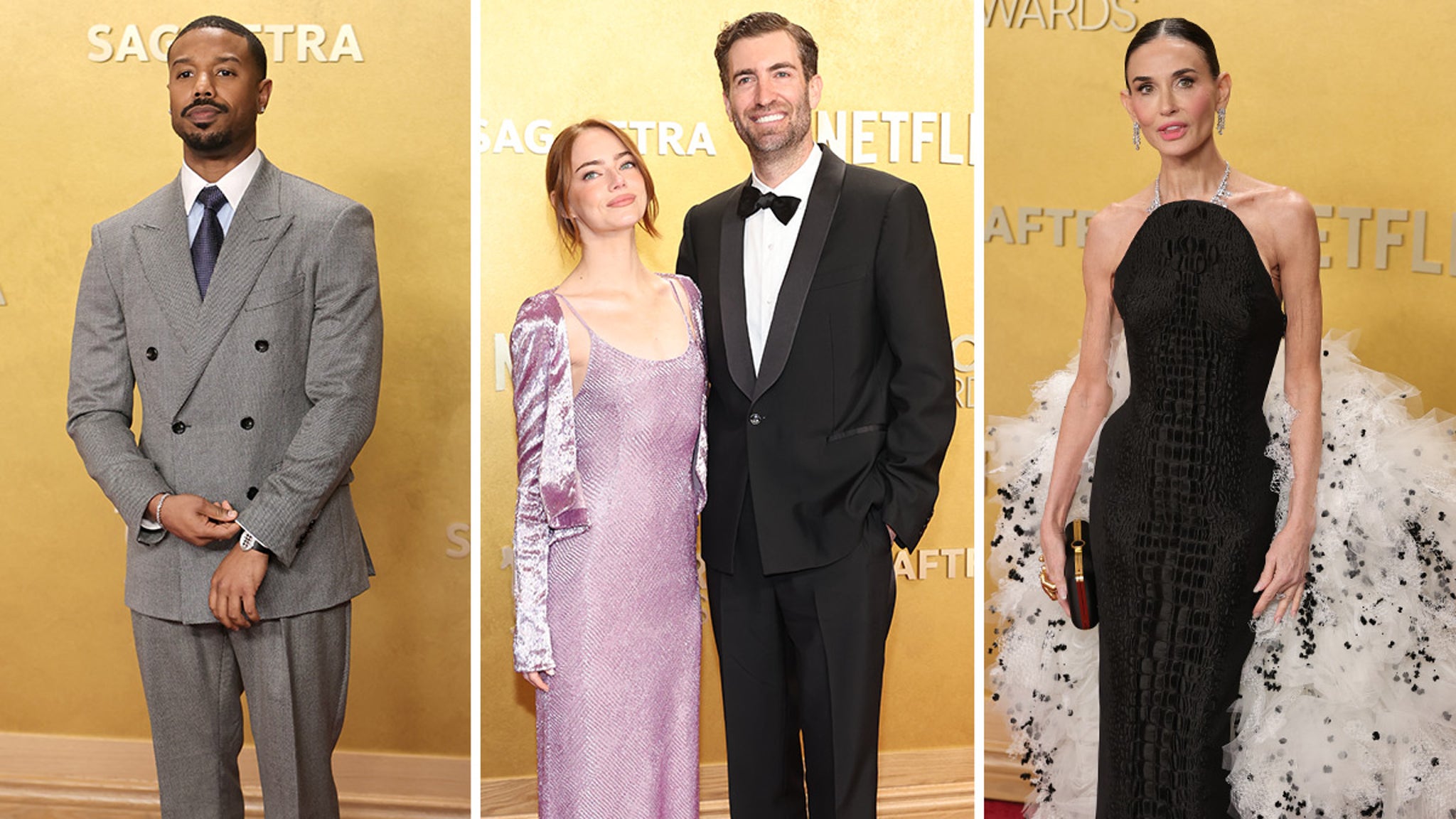
The 32nd iteration of the Actors Awards, formerly known as the Screen Actors Guild Awards, unfurled its red carpet on March 1, 2026, delivering an evening that blended institutional legacy with a fresh branding identity. Despite the recent nomenclature shift, the event upheld its reputation for showcasing unparalleled sartorial elegance, with Hollywood’s luminaries arriving in a parade of meticulously curated ensembles. Emma Stone, a perennial favorite on best-dressed lists, captivated onlookers in a sophisticated pink dress, complemented by a matching coat draped artfully over her shoulders, embodying understated glamour. Alongside her, Michael B. Jordan exuded contemporary cool in a sharply tailored three-piece suit, a stylistic choice that echoed a modern, almost cinematic, interpretation of classic formalwear, as he awaited the results for his acclaimed role in "Sinners."
The transition from "Screen Actors Guild Awards" to "Actors Awards," a change officially implemented in November of the preceding year, was a strategic move by SAG-AFTRA to "better reflect its true spirit and position as the only industry honor given to actors, by actors." This rebranding effort aimed to streamline the event’s identity, emphasizing its unique peer-to-peer recognition model. While the name may be new, the core essence of the ceremony – celebrating outstanding performances in film and television – remained firmly intact, and the red carpet served as a vibrant testament to the enduring allure of Hollywood’s biggest night for actors.
A Red Carpet Symphony: Fashion Highlights and Trends
The arrival segment of any major awards ceremony is a critical prelude, setting the tone for the evening and providing a global platform for fashion trends. The 32nd Actors Awards was no exception, featuring a diverse array of styles that ranged from timeless sophistication to avant-garde statements.
Demi Moore commanded attention in a striking black cocktail dress, distinguished by a dramatic plume of feathers that added a theatrical flourish to her ensemble. This choice highlighted a recurring trend on recent red carpets: the incorporation of sculptural elements and tactile textures to elevate classic silhouettes. Host Kristen Bell, marking her third time at the helm of the prestigious event, arrived early and radiated confidence in a low-cut, sheer silver gown. Her choice signaled a prevailing preference for ethereal fabrics and daring necklines, a look echoed by Irina Shayk, who opted for an equally revealing all-black dress that exuded bold sophistication.
The enduring appeal of monochromatic elegance was evident in the choices of Sheryl Lee Ralph and Dove Cameron, both of whom stunned in classic black and white outfits. Their selections underscored the timeless power of these foundational colors, often interpreted through contemporary cuts and luxurious fabrics to maintain a fresh appeal. In contrast, Mia Goth introduced a vibrant splash of color, appearing in a shimmering maroon ensemble. Her choice, while visually striking, was notably accompanied by an impassive expression, an observation that drew particular media attention given the recent news of her estranged husband, Shia LaBeouf’s arrest in New Orleans on Saturday. This instance highlighted the intricate dance between public persona and private realities that often plays out on such high-profile stages.
Further pushing the boundaries of red carpet theatrics, "Hacks" star Megan Stalter engaged in a performance of her own. She was photographed posing with a cigarette in her mouth, a playful nod to a "faux diva" persona she has cultivated, especially noteworthy given her previous public admissions about not genuinely smoking and having a low tolerance for alcohol. This moment became a talking point, reflecting the evolving nature of celebrity presentation, where irony and self-awareness are increasingly integrated into public appearances.
Beyond individual statements, the red carpet collectively presented a panorama of 2026 fashion trends. Designers showcased a blend of sustainable materials with high glamour, an increasing demand from eco-conscious celebrities and a discerning public. Vintage-inspired designs with modern twists, bold minimalist aesthetics, and custom-designed pieces that tell a story were also prominent. The intricate work of stylists, who meticulously curate each look, from the dress to the accessories, jewelry, and even hair and makeup, was on full display, underscoring the collaborative effort behind every successful red carpet appearance.
The Actors Awards: A Legacy of Peer Recognition
The Screen Actors Guild Awards, now the Actors Awards, boasts a rich history dating back to 1995. Conceived by SAG-AFTRA (Screen Actors Guild – American Federation of Television and Radio Artists), the union representing over 160,000 film and television performers worldwide, the awards were established with a distinct purpose: to honor outstanding achievements in film and television by actors, for actors. Unlike other major awards that involve critics, journalists, or broader industry panels, the Actors Awards’ unique voting body comprises only dues-paying members of SAG-AFTRA. This peer-to-peer recognition imbues the awards with a special significance, often considered a strong indicator of sentiment within the acting community and frequently a bellwether for other major awards like the Academy Awards.
Over its three-decade history, the ceremony has witnessed countless memorable moments, from emotional acceptance speeches to groundbreaking wins that have shaped careers and influenced the cultural landscape. From its inaugural event recognizing figures like Tom Hanks for "Forrest Gump" and Jodie Foster for "Nell" to its current 32nd edition, the awards have consistently celebrated the craft of acting across various categories, including Outstanding Performance by a Male Actor in a Leading Role, Outstanding Performance by a Female Actor in a Leading Role, Outstanding Performance by an Ensemble in a Motion Picture, and several television categories.
The decision to change the name from "Screen Actors Guild Awards" to simply "Actors Awards" in November of the preceding year was the culmination of extensive internal discussions within SAG-AFTRA. The rationale was multi-faceted. Firstly, it aimed to create a more direct and inclusive identity, removing the "Guild" reference which, while historically significant, might not resonate as universally with a global audience, especially with the event’s new streaming partnership. Secondly, the simpler "Actors Awards" clearly articulates the core focus: celebrating actors. This move was generally well-received within the industry, seen as a forward-thinking step to modernize the brand while preserving its foundational values. It allowed the organization to refresh its public image while reinforcing its dedication to the craft and the individuals who bring stories to life on screen.
The Hosting Maestro and Personal Narratives
Kristen Bell’s return as host for the third time underscored her established rapport with the acting community and her proven ability to navigate the live award show format with grace and humor. Her choice of a shimmering silver gown for her entrance, coupled with her visibly calm demeanor, projected an image of poised professionalism, setting a comfortable and celebratory tone for the evening. A host’s role extends beyond merely introducing presenters and nominees; they are responsible for maintaining the energy of the show, delivering compelling monologues, and often improvising through unexpected moments, a task Bell has consistently performed with aplomb.
The red carpet also served as a stage for more personal narratives and moments of candidness. Teyana Taylor, for instance, shared a heartwarming display of family affection, arriving with her daughter, Rue Rose Shumpert, who was literally attached at the hip, with arms wrapped lovingly around her mother’s waist. These glimpses into the personal lives of celebrities offer a counterpoint to the curated glamour, reminding audiences of the human element behind the stars. Such moments of authentic connection resonate deeply with the public and have become an increasingly valued component of awards show coverage, challenging the traditionally aloof image of Hollywood icons.
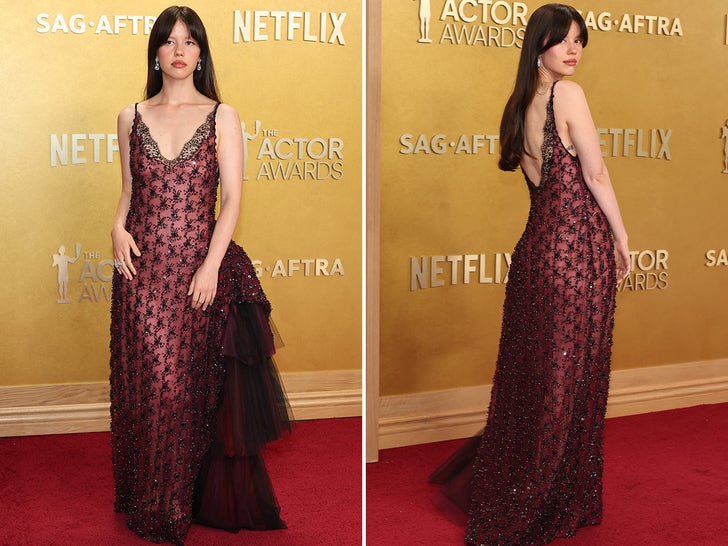
The juxtaposition of public celebration with private challenges was starkly illustrated by Mia Goth’s appearance. Her composed, almost unreadable expression became a subject of discussion, especially in light of the recent arrest of her estranged husband. This situation highlights the intense scrutiny celebrities face, where personal events often intersect with professional obligations on a global stage. While publicists and stars meticulously plan every aspect of an awards show appearance, the human element, and external events, can sometimes create an unplanned, compelling narrative that captivates audiences and media alike.
The Business of Glamour: Economic Impact and Media Reach
The red carpet of the Actors Awards is far more than just a runway for fashion; it is a multi-million-dollar economic ecosystem and a global media phenomenon. For designers, having their creations worn by an A-list celebrity on such a prominent stage translates into invaluable brand visibility, often leading to increased sales and heightened brand prestige. The symbiotic relationship between Hollywood and high fashion fuels an entire industry of stylists, publicists, jewelers, and makeup artists, all vying for their moment in the spotlight. A single gown can cost hundreds of thousands of dollars, and the jewelry adorned by stars can be worth millions, representing significant investments and marketing opportunities.
The media coverage generated by the Actors Awards red carpet is immense. From live broadcasts and online streams to dedicated fashion critiques and social media analyses, every detail is dissected and discussed globally. Fashion commentators, bloggers, and influencers play a crucial role in shaping public opinion and setting trends. The "best dressed" and "worst dressed" lists become instant fodder for debate, driving engagement and extending the event’s cultural footprint far beyond the actual ceremony. This pre-show buzz is also vital for generating viewership for the main awards telecast, serving as a powerful marketing tool that hooks audiences before the first award is even presented.
A New Era: Streaming and Accessibility
The 32nd Actors Awards’ broadcast on Netflix at 5 PM PT marked a significant milestone in the evolving landscape of awards shows. This partnership underscored the ongoing shift from traditional linear television to global streaming platforms, reflecting changing consumer habits and the quest for broader, more accessible audiences. For Netflix, hosting a prestigious event like the Actors Awards is a strategic move, offering not only exclusive content to its subscribers worldwide but also enhancing its reputation as a serious player in the entertainment industry beyond original productions. It positions the platform as a hub for both creation and celebration, attracting new subscribers and retaining existing ones through high-profile live events.
The implications of this streaming partnership are far-reaching. It offers unparalleled global reach, allowing fans in diverse geographical locations to experience the ceremony live, often without the constraints of local broadcast schedules or pay-TV subscriptions. This democratization of access potentially broadens the awards’ appeal and relevance in an increasingly interconnected world. However, it also presents new challenges, particularly in terms of real-time viewership metrics and the commercial models traditionally associated with television advertising. The success of such partnerships will likely influence how future awards ceremonies, across various disciplines, adapt to the digital age.
A Confluence of Stars and Continuing Legacy
Beyond the headline-grabbing fashion and major award contenders, the 32nd Actors Awards attracted a constellation of talent, reflecting the breadth and depth of the acting community. Notable attendees included Patrick Schwarzenegger, Seth Rogen, Sofia Carson, Odessa A’zion, Kathryn Hahn, Kevin O’Leary, Quinta Brunson, and Ted Danson. Their presence underscored the collaborative spirit of the event, where peers gather not only to compete but also to celebrate each other’s contributions to film and television.
The Actors Awards, despite its new name, continues to embody the spirit of camaraderie and professional recognition that has defined it for over three decades. It remains a crucial platform for actors to honor the performances that have moved, entertained, and inspired them throughout the year. The 32nd annual ceremony, with its blend of dazzling fashion, poignant moments, and forward-looking broadcast strategy, reaffirmed its position as a vital fixture in the awards season, brilliantly balancing tradition with innovation as it navigates the future of Hollywood. As the industry evolves, the Actors Awards stands as a testament to the enduring power of performance and the collective voice of those who bring stories to life on screen.




 Nila Kartika Wati
 Jia Lissa
 Ana Megawati
 Pevita Pearce
 Joko Widodo