
 Ana Megawati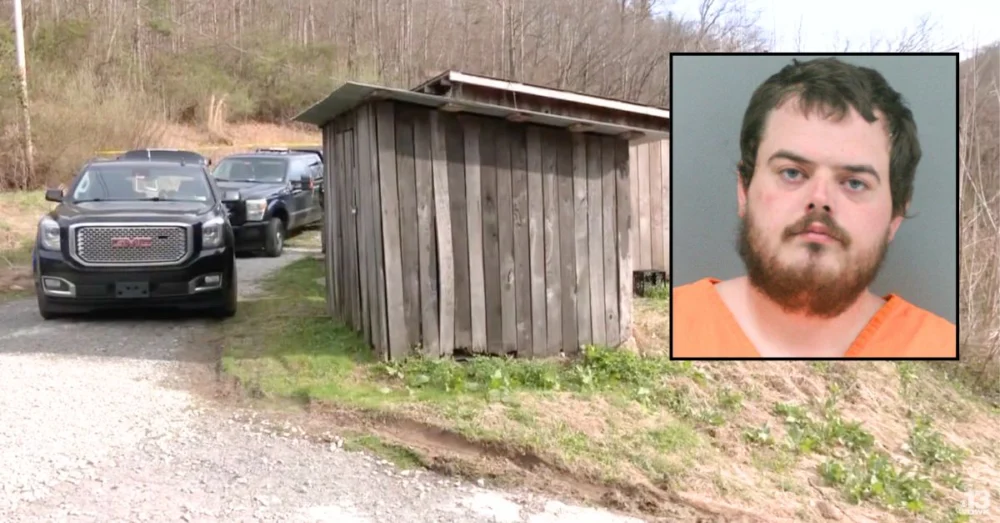
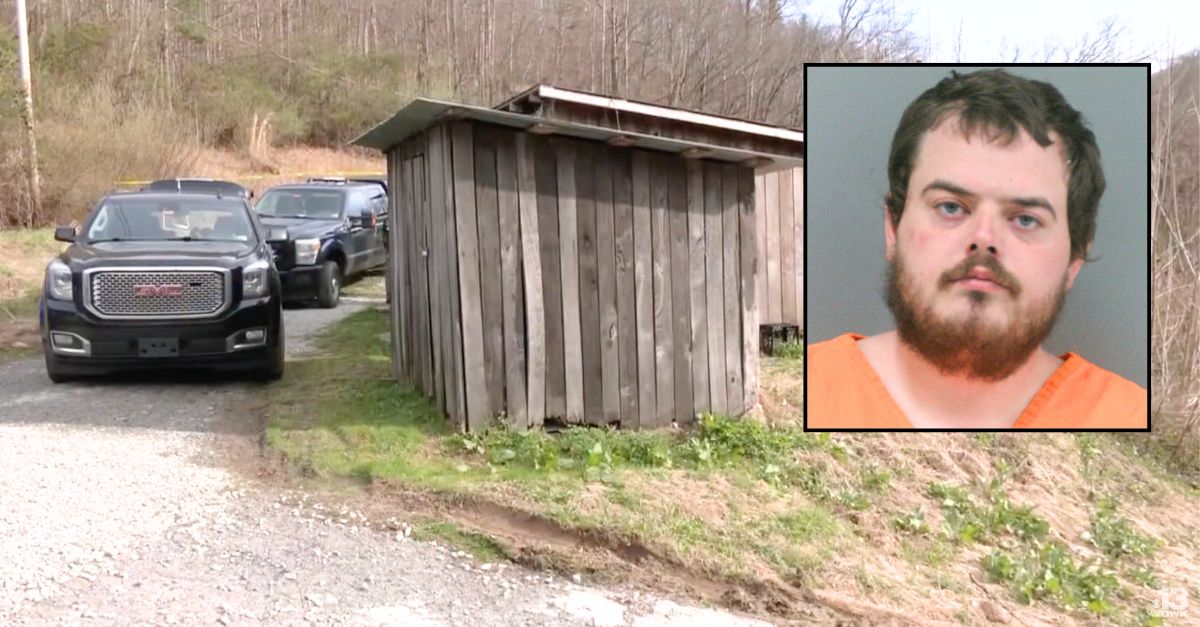
The tranquility of a rural Mingo County, West Virginia, neighborhood was shattered on Friday morning when a concerned neighbor’s request for a welfare check led to the grim discovery of a woman’s body on a residential porch. Authorities swiftly identified the deceased as Christina Hunt and subsequently charged 35-year-old Leroy Hunt with first-degree murder and child neglect with risk of injury. The incident, which involved a brief standoff with law enforcement, has sent shockwaves through the close-knit community, drawing attention to issues of domestic violence and child safety in the region.
The Alarming Discovery and Immediate Response
At approximately 10:00 a.m. on Friday, March 8, 2026, the Mingo County Sheriff’s Office received a call that would quickly escalate into a homicide investigation. A neighbor, whose identity has not been publicly released, contacted deputies, expressing concern for the welfare of residents at a home situated on Triton Lane, an area just north of Delbarton in the heart of rural western West Virginia. Welfare checks, a routine yet critical function of law enforcement, are typically initiated when there is reason to believe an individual may be in danger, incapacitated, or otherwise unable to care for themselves. In this instance, the neighbor’s vigilance proved tragically prescient.
Upon arrival at the Triton Lane residence, deputies from the Mingo County Sheriff’s Office encountered a scene that immediately signaled grave distress. Before even entering the dwelling, law enforcement personnel reportedly discovered the body of a woman lying on the front porch. The victim’s remains were partially concealed by a blanket, a detail that deepened the unsettling nature of the discovery. The area was immediately secured as a potential crime scene, and additional law enforcement resources were summoned.
The identification of the deceased woman soon followed, revealing her to be Christina Hunt. While her precise age was not immediately released by authorities, the Mingo County Sheriff’s Office later issued a statement indicating a familial connection to the alleged perpetrator.
Charges Filed: First-Degree Murder and Child Neglect
Following the initial discovery and subsequent investigation, law enforcement moved to apprehend a suspect. Leroy Hunt, 35, was identified as the individual allegedly responsible for Christina Hunt’s death. He was taken into custody and subsequently booked into the Southwestern Regional Jail and Correctional Facility on Friday evening. Jail records, reviewed by Law&Crime, confirm the serious nature of the charges levied against him: first-degree murder and child neglect with risk of injury.
In West Virginia, first-degree murder is the most severe homicide charge, typically involving premeditation, malice aforethought, or the commission of a felony during which a death occurs. Conviction can carry a sentence of life imprisonment. The charge of child neglect with risk of injury is equally grave, indicating that a child was present during the alleged crime and was thereby exposed to significant danger, either physically or psychologically. The Mingo County Sheriff’s Office explicitly stated that Leroy Hunt "allegedly murdered his wife, Christina Hunt, as she was entering the residence," further clarifying the dynamics of the tragic event.
The presence of a 2-year-old child at the residence during the alleged act of violence adds a profoundly distressing layer to the case. Authorities contend that Leroy Hunt’s actions directly imperiled the safety and well-being of the young child, forming the basis for the child neglect charge. While the child was reportedly unharmed physically, the psychological trauma of witnessing such an event, or being present in its immediate aftermath, cannot be understated. Child Protective Services would undoubtedly be involved to ensure the child’s long-term safety and provide necessary support.
The Standoff and Arrest
The scene at Triton Lane was not resolved without further incident. After the discovery of Christina Hunt’s body, law enforcement officers reportedly faced a standoff situation with Leroy Hunt. Details surrounding the duration and specific nature of the standoff remain somewhat limited in initial reports, but it is understood that deputies engaged with the suspect. Such situations are inherently dangerous and require careful negotiation and tactical precision to ensure the safety of both law enforcement personnel and any civilians potentially involved.
After a period of confrontation, Leroy Hunt is said to have surrendered to authorities. His peaceful surrender, while a relief, marked the end of an intense and perilous situation for all involved. He was then formally arrested and transported to the Southwestern Regional Jail and Correctional Facility, where he awaits further legal proceedings. The swift apprehension of a suspect in a homicide case is often crucial for community safety and the integrity of the investigation.
The Investigative Process and Legal Road Ahead
The investigation into Christina Hunt’s death is comprehensive and ongoing. The Mingo County Sheriff’s Office is leading the inquiry, collaborating with other state agencies as necessary. A critical next step in understanding the precise circumstances and cause of death is the scheduled autopsy. The West Virginia State Medical Examiner’s Office will perform the procedure, providing crucial forensic evidence that will inform the prosecution. This examination will confirm the cause and manner of death, potentially identifying the specific weapon used and providing insights into the sequence of events.
Following his arrest, Leroy Hunt will navigate the West Virginia judicial system. His initial appearance, known as an arraignment, would have occurred shortly after his booking, where he would be formally informed of the charges against him and bail would be set or denied. Given the severity of the charges, it is highly probable that he would be held without bond or with an extremely high bond. A preliminary hearing would then determine if there is sufficient probable cause to proceed with the charges. If so, the case would likely be presented to a grand jury, which would decide whether to issue an indictment, formally moving the case to circuit court for trial. The legal process is often lengthy, involving discovery, pre-trial motions, and potentially a trial by jury.
The Mingo County Prosecuting Attorney’s Office will be responsible for prosecuting the case, working closely with law enforcement to present the evidence against Leroy Hunt. The penalties for first-degree murder in West Virginia can include life imprisonment, with or without the possibility of parole, depending on the specific findings and sentencing guidelines. The child neglect charge also carries significant penalties, reflecting the state’s commitment to protecting its most vulnerable citizens.
Mingo County: A Glimpse into the Appalachian Setting
Mingo County, located in the southwestern region of West Virginia, is deeply embedded in the Appalachian Mountains. Known for its rugged beauty and rich coal mining heritage, the county faces unique socio-economic challenges common to many rural areas. With a population of approximately 23,000 residents as of recent estimates, Mingo County is characterized by smaller towns and dispersed communities like Delbarton. Economic shifts away from coal have left many communities grappling with unemployment, poverty, and associated social issues.
Crime rates in rural areas often present a different profile than urban centers, with personal disputes and domestic incidents sometimes escalating in communities where resources might be scarcer and anonymity less prevalent. While specific crime statistics for Mingo County for the exact period of the incident are not immediately available, West Virginia as a whole, like many states, experiences varying rates of violent crime. According to the FBI’s Uniform Crime Reporting Program, the violent crime rate in West Virginia has seen fluctuations over the years, with domestic-related incidents consistently contributing to these statistics.
The close-knit nature of rural communities means that tragedies like the one on Triton Lane often resonate deeply, affecting a wider circle of friends, family, and neighbors. The shock and grief can be profound, prompting a collective introspection about community safety and support systems.
The Broader Context of Domestic Violence and Child Safety
The charges against Leroy Hunt, particularly the combination of first-degree murder and child neglect, underscore the devastating impact of domestic violence. Domestic violence remains a pervasive issue across the United States, transcending socio-economic boundaries and geographical locations. Statistics from organizations like the National Coalition Against Domestic Violence (NCADV) reveal that millions of individuals are affected annually, with intimate partner violence being a leading cause of homicide for women. In West Virginia, state agencies and non-profits work tirelessly to provide resources for victims, including shelters, hotlines, and legal aid, though access to these services can be more challenging in remote rural areas.
The presence of the 2-year-old child during the alleged murder highlights another critical public health and safety concern: children exposed to domestic violence. Research consistently demonstrates that children who witness violence in the home, even if not physically harmed themselves, suffer significant psychological trauma. This can manifest as anxiety, depression, behavioral problems, developmental delays, and an increased risk of perpetrating or experiencing violence later in life. The child neglect charge acknowledges this profound risk and the legal responsibility to protect children from such environments. The Mingo County Sheriff’s Office’s immediate attention to the child’s safety after the incident reflects the protocol in such sensitive cases, ensuring the child is placed in a secure and supportive environment.
This incident serves as a stark reminder of the importance of community vigilance, exemplified by the neighbor’s welfare check request. Such calls are often the first line of defense in identifying situations where individuals may be at risk. It also emphasizes the ongoing need for robust support systems for victims of domestic violence and for children exposed to trauma, particularly in areas like Mingo County where resources may be spread thin.
Community Reaction and Future Implications
The Mingo County community is grappling with the shock and sorrow stemming from the events on Triton Lane. While formal statements from community members are not yet widespread, the ripple effect of such a tragedy is undeniable. Funerals, vigils, and community discussions often follow such incidents, providing avenues for collective grieving and a renewed focus on local safety initiatives.
For the family of Christina Hunt, the path ahead is undoubtedly one of immense grief and the daunting challenge of navigating the legal proceedings. For the 2-year-old child involved, the focus will be on long-term support, therapy, and ensuring a stable, nurturing environment away from the trauma.
The case against Leroy Hunt will unfold in the coming months, under intense scrutiny. It will serve as a testament to the dedication of law enforcement and the judicial system in addressing violent crime and protecting vulnerable populations. As Mingo County comes to terms with this tragedy, the incident will likely prompt continued conversations about domestic violence prevention, child protection, and the critical role that neighbors and community members play in ensuring safety and well-being. The legal process, while slow, will ultimately seek to deliver justice for Christina Hunt and provide accountability for the actions that led to this profound loss.

 Yuyun Lusiyani
 Joko Widodo
 Jia Lissa
 Pevita Pearce
 admin
admin
