
 Ana Megawati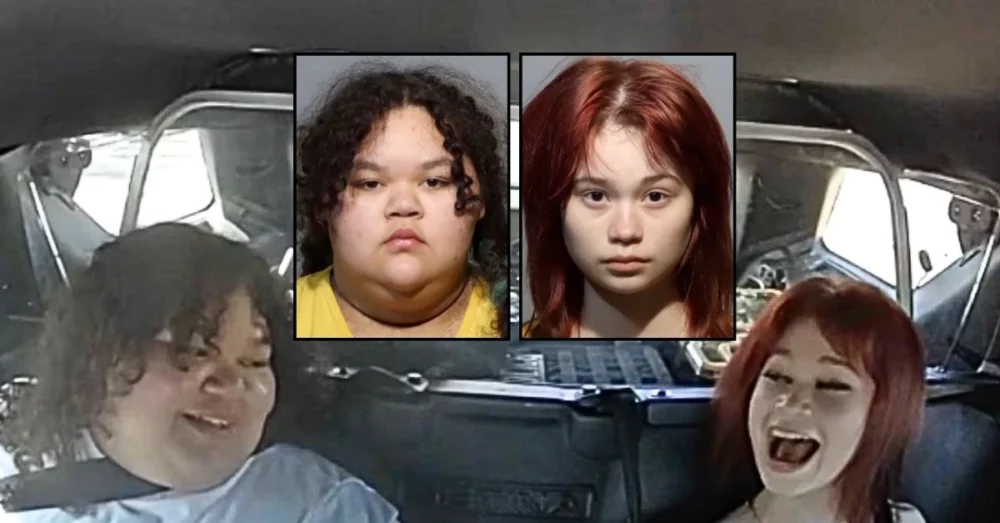
A chilling case has unfolded in Seminole County, Florida, where two teenage girls, Isabelle Valdez, 15, and Lois Lippert, 14, have been charged as adults with attempted murder. Prosecutors allege the pair meticulously plotted a "blood ritual" aimed at butchering a fellow high school student, whom they believed bore a striking resemblance to Adam Lanza, the perpetrator of the devastating 2012 Sandy Hook Elementary School shooting. The deeply disturbing motive, according to authorities, was to "resurrect" Lanza from the dead through this heinous act. The gravity of the allegations is compounded by unsettling video footage capturing the teens’ seemingly nonchalant and even jovial demeanor while being transported in a patrol car following their arrest, discussing mugshots, "My Little Ponies," and laughing about their situation.
The Alleged Plot: A Macabre Obsession with Adam Lanza
According to documents filed by prosecutors, including a motion for pretrial detention, Valdez and Lippert are accused of conceiving their murder plan approximately three months prior to their arrest. Their target was a male classmate at their Seminole County high school. The affidavit supporting Valdez’s arrest details her alleged statements to investigators, indicating that the victim "reminded her of Lanza a lot" and that she believed he was "the perfect embodiment of Lanza." This fixation on Adam Lanza, a figure synonymous with one of the nation’s most tragic school massacres, forms the disturbing core of the alleged plot.
The plan, as outlined by prosecutors, involved luring the unsuspecting student to a school restroom. There, the teens allegedly intended to incapacitate him and "ultimately stab him or slice his throat." The meticulousness of their alleged planning is further evidenced by the items they reportedly brought to school on the day the attack was intended to occur: a bag containing Clorox wipes, a towel—allegedly intended to muffle the victim’s screams—and a knife. The prosecution’s motion explicitly states that Valdez displayed these items to Lippert in the restroom, underscoring the advanced stage of their alleged conspiracy.
A Glimpse into the Accused’s Mindset: The Police Car Video
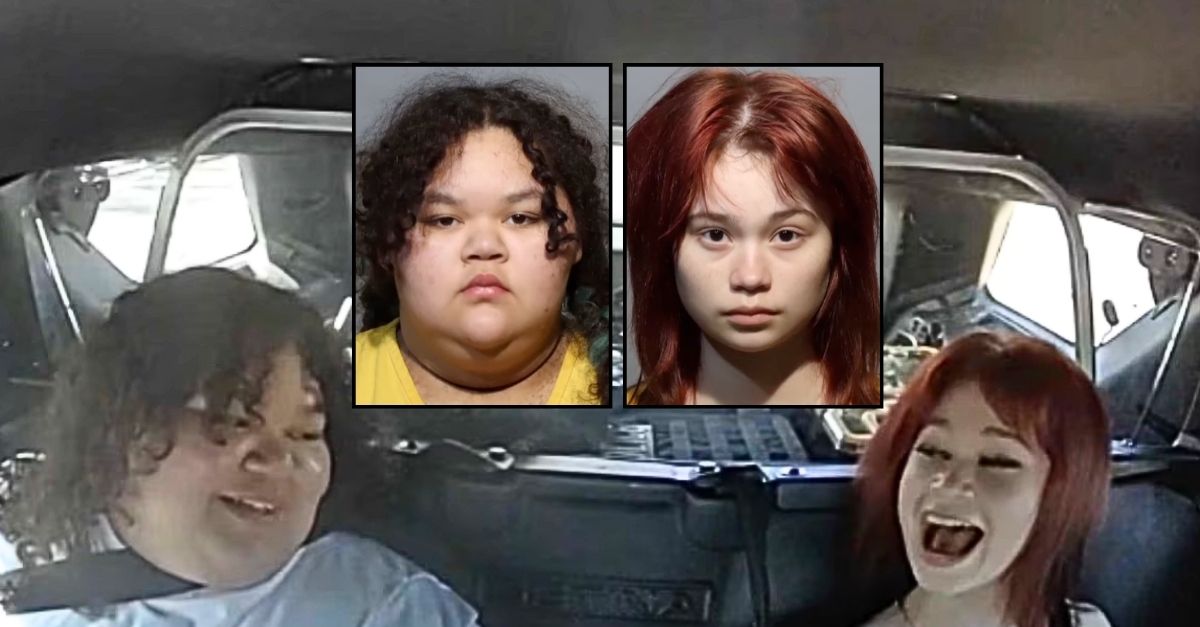
Perhaps one of the most unsettling aspects of this case is the video footage captured inside a patrol car following the teens’ arrest. The footage, obtained by local CBS affiliate WKMG, shows Valdez and Lippert sharing a vehicle, allegedly discussing their predicament with a startling lack of remorse or fear. Upon being informed they would be housed in the same jail, the teens reportedly shouted "Yay!" in unison.
Lippert is allegedly heard remarking, while laughing with Valdez, "I did not expect… them to let us, like, go in the same car. So much better than just having to stare off in the distance and think of all your regrets." This comment, in particular, has drawn scrutiny for its apparent flippancy in the face of grave charges.
The conversation reportedly continued with Valdez stating, "Dude, I was going to do my makeup this morning for the mugshot," to which Lippert allegedly responded, "Think I’ll be able to fix my hair?" These exchanges paint a picture of individuals seemingly more concerned with their appearance for booking photos than the potential consequences of their alleged actions. Further indicating their casual attitude towards law enforcement, Valdez allegedly recounted a previous encounter with police, noting, "Dude last time they didn’t even put me in handcuffs. I was able to take some of My Little Ponies, my plush, and my phone." Lippert later allegedly quipped, "I’m actually going to piss myself if I laugh anymore," suggesting a continued state of amusement.
Prosecutors noted in their motion that "During the recorded interaction, both defendants expressed disappointment that someone ‘snitched’ on them. Both discussed how much ‘time’ they would receive and how the defendant and the co-defendant attempted to sharpen the knife and discussed the items for the blood ritual while laughing." Valdez’s alleged statement to Lippert, "I would be so jolly, going to jail," further accentuates the disturbing disconnect between their actions and their perceived reality.
Chronology of a Failed Plot
The timeline of events, as pieced together by investigators, illustrates a progression from dark fantasy to a near-attempted crime:
- Approximately Three Months Prior to Arrest: Valdez and Lippert allegedly conceive the plot to murder a classmate.
- Leading Up to the Planned Attack: The teens allegedly discuss and refine their plans, including the "blood ritual" aspect and the specific methods to be used. Digital evidence, including messages, later corroborate these discussions.
- Day of the Planned Homicide: Valdez and Lippert allegedly meet in a school restroom, where Valdez shows Lippert the bag containing Clorox wipes, a towel, and the knife intended for the attack.
- Intervention: Another fellow student, privy to the alleged plans, comes forward to authorities, reporting the imminent threat. This crucial act of reporting prevented the alleged plot from escalating.
- Arrest: Law enforcement intervenes, arresting Valdez and Lippert.
- Police Transport: The girls are placed in the back of a patrol car, where their conversation is recorded.
- Initial Court Appearance: Following their arrest, Valdez and Lippert are formally charged as adults with attempted murder. A Seminole County judge orders them to be held without bond, citing the severe nature of the allegations and potential danger to the community.
- Upcoming Court Date: The teens are due back in court on April 29 for further proceedings.
The Crucial Role of Digital Evidence
In an era dominated by digital communication, the messages exchanged between Valdez and Lippert have provided critical evidence for the prosecution. Police obtained digital evidence allegedly showing Valdez making explicit statements about her intentions. One message reportedly reads, "Holy s**t im gonna make a blood ritual for adam lanza LMAOOOO." Another message from Valdez allegedly states, "I hugged my parents extra tight today i feel kind bad for whats coming." These messages serve as a chilling window into the alleged planning and the defendants’ awareness of the gravity of their intentions, even if tinged with dark humor or a momentary flicker of guilt. The swift acquisition and analysis of such digital footprints are increasingly instrumental in modern criminal investigations, often providing undeniable proof of intent and conspiracy.
Background: The Lingering Shadow of Sandy Hook
To fully grasp the disturbing nature of the alleged plot, it is essential to revisit the tragedy that inspired it. On December 14, 2012, Adam Lanza, 20, carried out a mass shooting at Sandy Hook Elementary School in Newtown, Connecticut. He first murdered his mother at their home before driving to the school, where he killed 20 children, aged six and seven, and six adult staff members. Lanza then took his own life. The Sandy Hook massacre remains one of the deadliest mass shootings in U.S. history and a profoundly traumatic event that scarred a nation, sparking intense debates about gun control, mental health, and school safety.
The notion that two teenagers would allegedly plot a murder, specifically a "blood ritual," with the explicit goal of "resurrecting" Lanza, demonstrates a deeply disturbing fascination with extreme violence and a profound misunderstanding or disregard for the immense suffering caused by his actions. This alleged motive elevates the case beyond a typical attempted murder, suggesting a highly twisted and potentially cult-like ideological component rooted in a macabre reverence for a mass murderer. The use of the term "blood ritual" further invokes imagery of occult practices, adding another layer of grim complexity to the allegations.
Legal Ramifications: Charging Minors as Adults
The decision to charge Valdez and Lippert as adults, despite their ages of 15 and 14 respectively, underscores the severity with which the Florida legal system views their alleged crime. In Florida, juveniles can be charged as adults under specific circumstances, particularly for serious felony offenses like attempted murder. This process, known as "direct file" or "waiver to adult court," is typically initiated by prosecutors when the nature of the crime, the defendant’s criminal history, or public safety concerns warrant it.
Being charged as an adult means the teens face the same penalties as adult defendants, which could include lengthy prison sentences, rather than the rehabilitative focus often found in the juvenile justice system. This decision often reflects a prosecutor’s assessment that the juvenile system’s resources and sentencing options are insufficient to address the gravity of the alleged crime and ensure public safety. For Valdez and Lippert, this means their legal battle will unfold in adult court, with all the associated implications for their future. The Seminole County judge’s order to hold them without bond further emphasizes the perception of them as a significant flight risk or danger to the community.
Official Responses and Community Impact
The Seminole County Sheriff’s Office, in conjunction with school authorities, acted swiftly upon receiving the report from the concerned student. Authorities have consistently reiterated their commitment to ensuring the safety of students within the district’s schools. While specific official statements regarding the ongoing investigation are often limited to protect the integrity of the case, the swift arrests and the adult charges send a clear message about the zero-tolerance policy for threats of violence.
Prosecutors, in their filings, have emphasized the extreme danger posed by the defendants, arguing forcefully for their continued detention without bond. Their actions, they contend, demonstrate a calculated and premeditated intent to commit a violent act, making them a significant risk to the community.
The alleged plot has undoubtedly sent ripples of shock and concern throughout the Seminole County community and the wider educational system. Parents, students, and educators are likely grappling with the implications of such a dark conspiracy allegedly unfolding within school walls. The incident serves as a stark reminder of the hidden dangers that can sometimes lurk within student populations and the critical importance of vigilance and reporting. School districts typically respond to such incidents by reviewing and reinforcing their safety protocols, offering counseling services to students and staff, and emphasizing the "see something, say something" message.
Broader Implications: School Safety and Mental Health
This case highlights several broader societal concerns, particularly regarding school safety, the pervasive influence of digital communication, and the complex interplay of mental health issues. Post-Sandy Hook and other school shootings, school districts nationwide have invested heavily in security measures, threat assessment teams, and reporting mechanisms. This incident underscores that even with enhanced security, the most effective deterrents often come from within the school community—from students themselves reporting suspicious behavior.
While it is inappropriate to speculate on the mental state of the defendants without professional evaluation, cases involving such extreme and violent ideation often prompt discussions about adolescent mental health. The alleged fascination with Adam Lanza and the concept of a "blood ritual" could be indicative of severe psychological distress or a troubling immersion in dark online subcultures. Such events underscore the ongoing need for accessible mental health resources for young people and robust systems for identifying and intervening when individuals exhibit signs of violent ideation.
The use of digital platforms for planning and discussing the alleged plot also reinforces the critical role that online activity plays in modern criminal investigations. Law enforcement agencies are increasingly reliant on digital forensics to uncover intentions, timelines, and conspiratorial communications.
The psychological impact on the victim, who was unknowingly targeted for such a heinous act, is immeasurable. The school community, too, will likely experience lasting effects, grappling with the knowledge that such a plot was allegedly conceived and nearly executed by fellow students.
As the legal proceedings move forward, the case of Isabelle Valdez and Lois Lippert will continue to draw national attention, serving as a chilling reminder of the dark potential of adolescent violence and the ongoing challenges of ensuring safety in schools and communities. Their next court appearance on April 29 will be another step in a legal journey that could have profound consequences for the two young defendants and for the community deeply affected by their alleged actions.

 Yuyun Lusiyani
 Joko Widodo
 Jia Lissa
 Pevita Pearce
 admin
admin
