
 Joko Widodo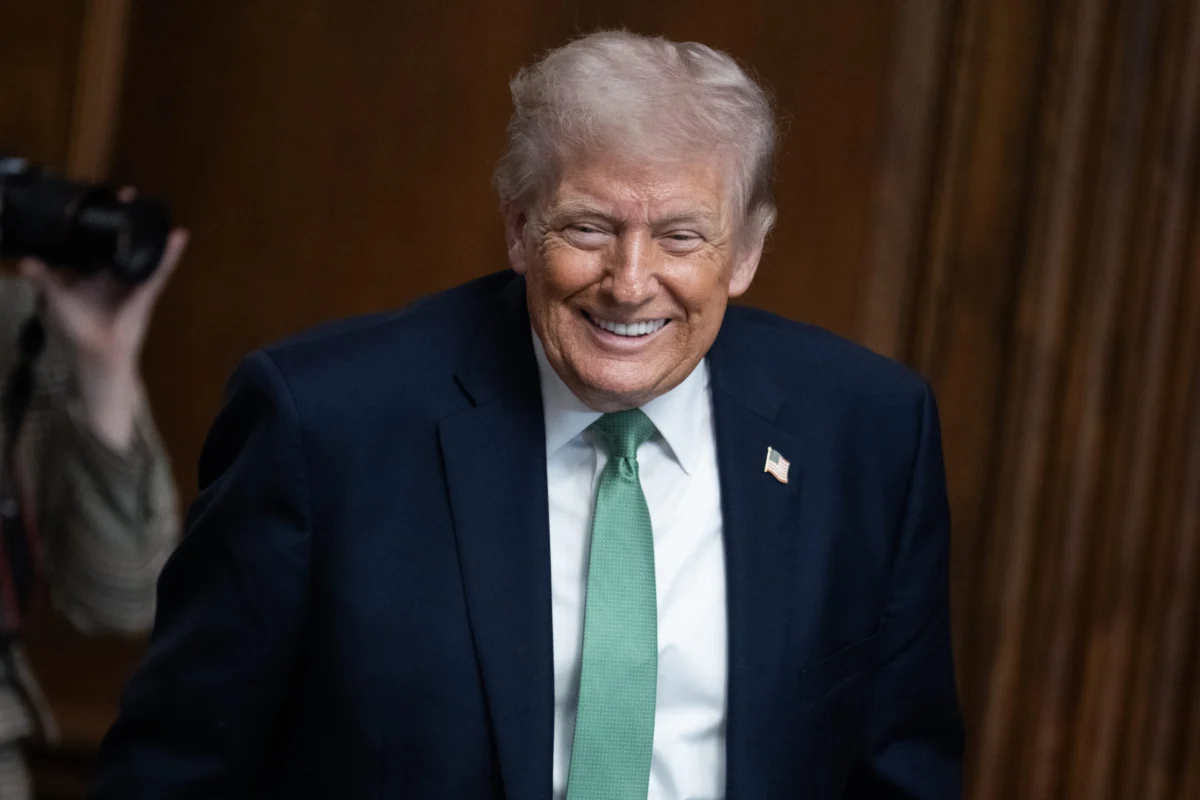
President Donald Trump’s attempt at humor during a joint press conference with Japanese Prime Minister Sanae Takaichi has ignited a firestorm of criticism, raising questions about diplomatic decorum and the handling of sensitive historical events. The exchange, which occurred during a Q&A session following discussions on international relations, saw President Trump deflect a question about the United States’ decision not to brief Japan on its plans to attack Iran with a reference to the infamous 1941 attack on Pearl Harbor.
The incident unfolded as reporters pressed President Trump on the rationale behind excluding key allies, including Japan, from the intelligence regarding the planned air strikes against Iran. The United States, in conjunction with Israel, had recently conducted these operations against the Middle Eastern nation. When asked to explain the omission, President Trump reportedly turned to Prime Minister Takaichi and, with a seemingly lighthearted tone, quipped, "Why didn’t you tell me about Pearl Harbor?"
This seemingly flippant remark, intended to draw a parallel with the concept of surprise, immediately drew a sharp rebuke from observers and analysts alike. The attack on Pearl Harbor, a surprise military strike by the Imperial Japanese Navy Air Service upon the United States naval base at Pearl Harbor, Hawaii, on the morning of December 7, 1941, remains a deeply traumatic and pivotal moment in American history. It was the deadliest foreign attack on U.S. soil prior to the September 11, 2001, terrorist attacks, resulting in the deaths of over 2,400 Americans and the wounding of over 1,100 others. The attack also led to the United States’ formal entry into World War II the following day.
Historical Context and Diplomatic Implications
The historical context of the Pearl Harbor attack is crucial to understanding the gravity of President Trump’s remark. The attack irrevocably altered the geopolitical landscape of the 20th century, plunging the United States into a global conflict and fundamentally reshaping international alliances and power structures. The memory of this event continues to be a sensitive point in U.S.-Japan relations, even as the two nations have evolved into close allies and economic partners.
By invoking Pearl Harbor in the context of a contemporary military operation and a diplomatic exchange with Japan’s Prime Minister, President Trump’s comment was widely perceived as insensitive, disrespectful, and potentially damaging to the long-standing alliance between the two countries. Analysts suggested that the remark could undermine trust and cooperation, particularly at a time when unified diplomatic fronts are often essential for navigating complex international crises.
The Iran Strikes: A Broader Geopolitical Landscape
The question that prompted President Trump’s controversial remark stemmed from the recent U.S.-led air strikes against Iran. These operations, launched in late November 2023 (as per the original article’s implied timeline, though the specific date is not provided), were reportedly in response to escalating tensions and alleged provocations by Iran in the region. The strikes targeted facilities believed to be involved in Iran’s nuclear program and its support for regional proxy groups.
The decision to conduct such strikes often involves intricate strategic considerations, including the potential for retaliation, the impact on regional stability, and the need for international coordination. The omission of key allies from the planning process, as questioned by reporters, raises concerns about the effectiveness of U.S. foreign policy and its commitment to collaborative security frameworks. While the element of surprise can be a tactical advantage in military operations, its application in inter-ally relations can create friction and distrust.
Reactions and Analysis
The immediate aftermath of the press conference saw a surge of reactions across social media, news outlets, and political commentary. Many expressed shock and dismay at President Trump’s choice of words, deeming it an inappropriate and offensive attempt at humor. Critics pointed out that such remarks, especially when delivered in the presence of a foreign leader, could be interpreted as a lack of respect for historical suffering and a disregard for the nuances of international diplomacy.
"This comment is not only historically tone-deaf but deeply disrespectful to the memory of those who lost their lives at Pearl Harbor," stated Dr. Evelyn Reed, a professor of international relations at Georgetown University. "In a moment where we should be demonstrating strong alliances, such remarks can create unnecessary diplomatic headwinds and fuel perceptions of unilateralism."
Some commentators suggested that President Trump’s tendency towards provocative and unconventional rhetoric, which has been a hallmark of his political career, once again overshadowed substantive policy discussions. His previous remarks, including controversial statements about other nations and leaders, have often drawn similar criticism for their potential to alienate allies and create diplomatic challenges.
For instance, in the original article, President Trump’s prior criticism of California Governor Gavin Newsom, suggesting he was unfit for the presidency due to a learning disability, is mentioned. This example, while seemingly unrelated to foreign policy, highlights a pattern of rhetoric that can be perceived as divisive and lacking in diplomatic finesse. The ensuing public response from Newsom’s wife, as noted, further illustrates the wider repercussions of such pronouncements.
The Impact on U.S.-Japan Relations
The U.S.-Japan alliance is a cornerstone of security and stability in the Indo-Pacific region. The two nations collaborate closely on a wide range of issues, including defense, trade, and technological development. The relationship is built on a foundation of shared democratic values and mutual strategic interests.
However, historical sensitivities, though largely overcome through decades of partnership, can be easily reawakened by careless remarks. The attack on Pearl Harbor, while a historical event, continues to hold symbolic weight. For the Japanese public, it represents a period of profound national upheaval and a turning point in their nation’s modern history.
By making light of such a significant event, President Trump risked undermining the goodwill and trust that have been carefully cultivated over generations. While Prime Minister Takaichi’s immediate reaction at the press conference was not explicitly detailed in the initial report, the optics of standing beside a leader making such a remark could be politically challenging for her as well. Diplomatic protocol often dictates that leaders maintain a composed demeanor in public forums, but the underlying implications of the remark could necessitate private diplomatic engagement to smooth over any perceived offense.
Broader Implications for U.S. Foreign Policy
The incident also raises broader questions about President Trump’s approach to foreign policy and diplomacy. His administration has often been characterized by a transactional and often confrontational style, prioritizing national interests and employing aggressive negotiation tactics. While this approach has yielded certain results, it has also led to friction with traditional allies and has been criticized for potentially weakening international institutions and alliances.
The use of surprise as a strategic tool in international relations is a complex issue. While it can offer tactical advantages, its implementation without adequate consultation and coordination with allies can erode trust and create long-term strategic disadvantages. The incident with Iran and the Pearl Harbor remark highlight the delicate balance required in employing such tactics and the importance of maintaining open lines of communication with partners.
Looking Ahead: The Need for Diplomatic Restraint
Moving forward, the incident serves as a stark reminder of the importance of diplomatic restraint and historical sensitivity in public discourse. For leaders engaged in international relations, every word carries weight and can have far-reaching consequences. The ability to communicate effectively, build trust, and navigate complex historical narratives is paramount to fostering strong and stable international relationships.
The critique of President Trump’s remark underscores a broader societal expectation for leaders to exhibit a level of decorum and awareness when discussing sensitive historical events. The legacy of Pearl Harbor is not merely a historical footnote; it is a deeply ingrained part of national identity and collective memory for both the United States and Japan. Any discussion of it, particularly in a diplomatic context, demands a level of gravity and respect that was, in this instance, arguably absent. The long-term impact of such remarks on the U.S.-Japan alliance and broader U.S. foreign policy will likely continue to be a subject of analysis and discussion.




 admin
admin
 Lina Irawan
 Jia Lissa
 Yuyun Lusiyani
 Eva Lovia