
 Ana Megawati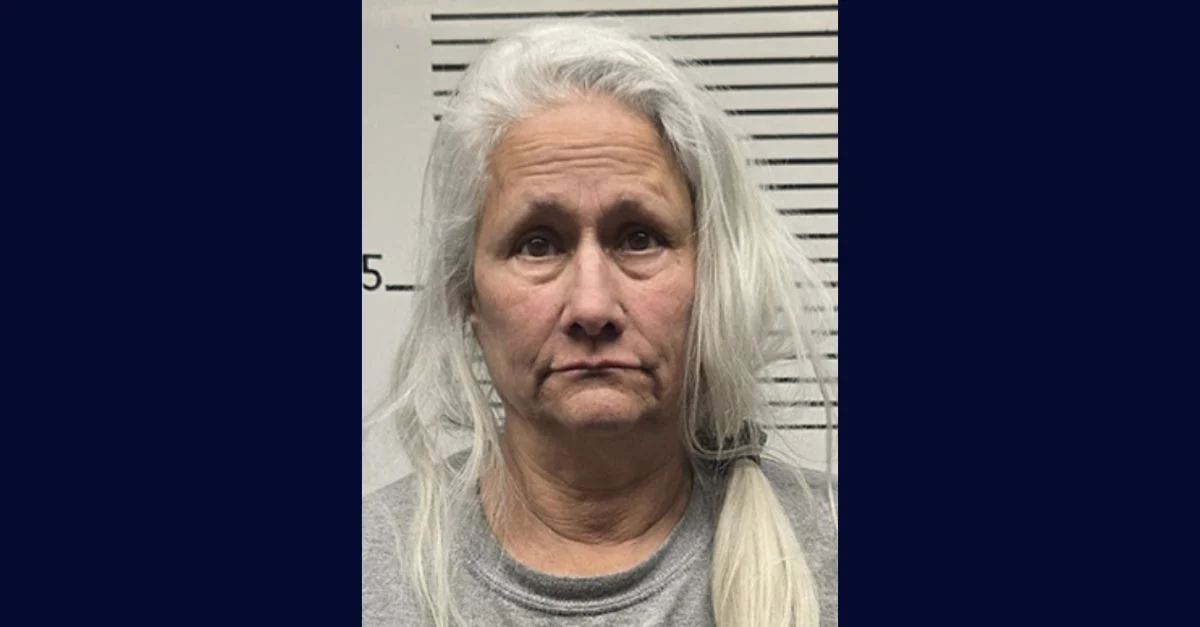
A chilling incident in Challis, Idaho, has led to the arrest of 65-year-old Diane Wetherbee, who is now facing felony charges of aggravated battery with the use of a deadly weapon. Authorities allege that Wetherbee shot a man in the leg with a .380 pistol during a heated argument fueled by alcohol, then proceeded to go to bed and fall asleep as if nothing had transpired. The victim reportedly challenged her to shoot him, to which she allegedly complied, according to court documents. This event underscores the volatile and potentially tragic consequences that can arise from interpersonal disputes exacerbated by intoxication and access to firearms.
The Custer County Sheriff’s Office was dispatched to a residence in Challis late Saturday night following reports of a shooting. Upon arrival, deputies discovered a scene that pointed to a violent altercation, ultimately leading to Wetherbee’s arrest and the ongoing legal proceedings. The incident has sent ripples through the small, close-knit community of Challis, prompting discussions about public safety, responsible firearm ownership, and the pervasive issue of alcohol-related violence.
The Alleged Incident: A Volatile Evening in Challis
The events leading to Diane Wetherbee’s arrest began on a Saturday evening at a private residence in Challis, a remote town nestled in the mountains of central Idaho. According to court documents obtained by East Idaho News, Wetherbee and the victim were engaged in a period of social drinking together. While the exact nature of their relationship has not been publicly detailed beyond being acquaintances drinking together, the familiarity suggested by their shared activity points to a pre-existing connection.
As the evening progressed, the atmosphere allegedly soured, and an argument erupted between Wetherbee and the man. The specifics of the disagreement remain undisclosed, but it escalated to a critical point where the man reportedly challenged Wetherbee. He allegedly handed her a .380 pistol and dared her to shoot him. It is at this juncture that Wetherbee is accused of taking the man’s dare literally and discharging the firearm, striking him in the leg. This moment marks a profound shift from verbal confrontation to physical violence, a transition often seen in incidents where judgment is impaired by alcohol.
Following the shooting, Wetherbee’s actions, as described in court documents, painted a disturbing picture of detachment. Instead of rendering aid or seeking assistance for the injured man, she allegedly retreated to an upstairs bedroom where she reportedly "passed out" and fell asleep. This alleged response, characterized by an apparent lack of immediate concern for the victim’s well-being, is a detail that investigators have highlighted in their documentation of the event.
Another individual was reportedly present at the home during the incident. This third party, while not witnessing the shooting directly, reported hearing a single gunshot. Their testimony likely played a role in corroborating the timeline of events and the nature of the disturbance, even if they did not observe the direct interaction between Wetherbee and the victim. The presence of a third party, who presumably would have been able to intervene or call for help sooner, raises additional questions about the immediate aftermath of the shooting, though details regarding their actions or involvement are not yet fully public.
Law Enforcement Response and Evidence Collection
The Custer County Sheriff’s Office received a call reporting the incident around 11:23 p.m. on Saturday. Deputies were promptly dispatched to the residence in Challis, initiating what would become a thorough investigation into the alleged shooting. Upon their arrival, law enforcement officers found the victim with a gunshot wound to the leg, requiring immediate medical attention. Details regarding the severity of the victim’s injury, beyond the fact that he was shot in the leg, have not been released, nor has his current medical condition been updated by authorities.
Wetherbee was found sleeping in an upstairs bedroom, consistent with the account provided in the court documents. She was subsequently taken into custody without further incident. The alleged weapon used in the shooting, a .380 pistol, was discovered on the bedroom floor, proximate to where Wetherbee had been sleeping. Crucially, investigators noted the presence of "puddles of blood" surrounding the firearm, suggesting the weapon had been handled or was present in the immediate vicinity of the injured party at some point, or that Wetherbee herself may have been in contact with blood.
A subsequent search of the residence by investigators yielded further crucial evidence. Additional blood was found throughout the home, indicating the movement of the injured party or the spread of biological evidence following the shooting. Among the items collected was a pair of bloody boots discovered near the back door of the residence. Such evidence is critical in reconstructing the sequence of events, confirming the presence of an injury, and potentially linking suspects to the crime scene.
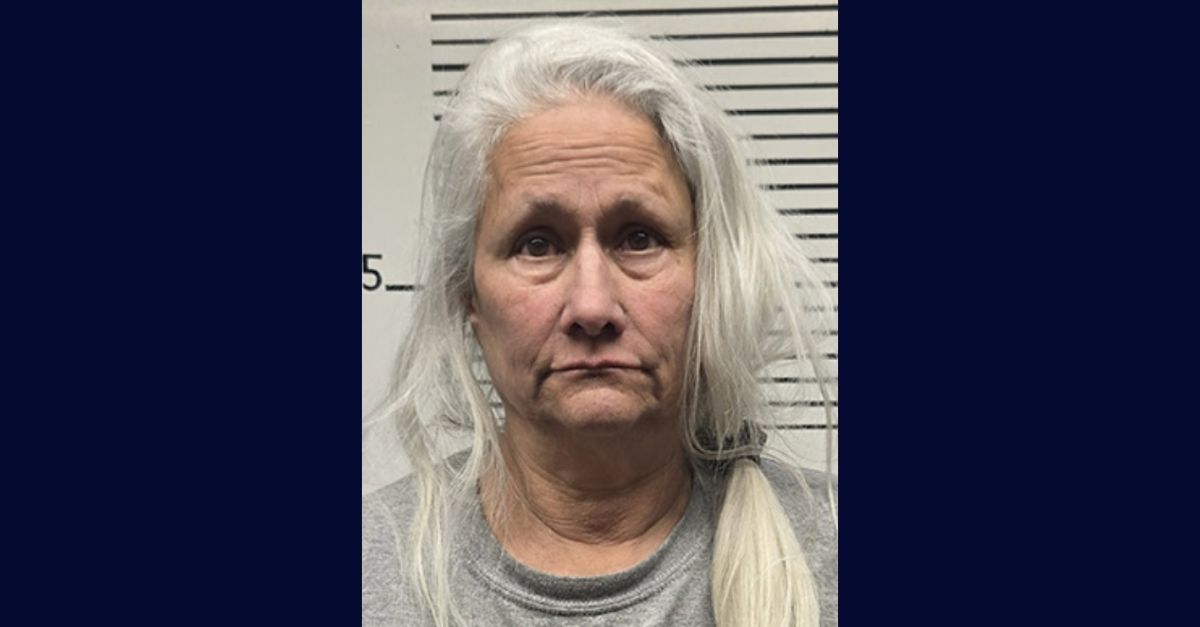
During her transport to the Custer County Jail, Wetherbee allegedly confessed to shooting the man. This confession, if substantiated in court, would be a significant piece of evidence for the prosecution. Confessions made while in custody must meet specific legal standards, including being voluntary and made after proper Miranda warnings, to be admissible in court. Wetherbee was subsequently booked into the Custer County Jail on the felony charge.
Legal Ramifications and Community Context
Diane Wetherbee has been formally charged with felony aggravated battery with the use of a deadly weapon. In Idaho, aggravated battery is defined as intentionally causing great bodily harm, permanent disability, or permanent disfigurement to another person. The "with the use of a deadly weapon" clause significantly elevates the severity of the charge, reflecting the increased danger posed by the introduction of a firearm into a violent altercation. If convicted of this felony, Wetherbee reportedly faces a maximum penalty of up to 15 years in state prison. The actual sentence, should a conviction occur, would depend on a variety of factors, including the specifics of the case, Wetherbee’s criminal history, and the discretion of the sentencing judge.
Following her arrest, Wetherbee was held on a $25,000 bond, a standard procedure designed to ensure a defendant’s appearance in court while balancing their right to freedom before trial with public safety concerns. A judge issued a no-contact order on Thursday, explicitly prohibiting Wetherbee from having any contact with the victim. Such orders are routinely issued in cases of alleged violence to protect victims from further harm or intimidation while legal proceedings are underway. Violation of a no-contact order can lead to additional criminal charges and immediate incarceration.
Wetherbee is scheduled to appear in court on March 30 for a preliminary hearing. This hearing is a critical stage in the legal process where a judge will determine if there is sufficient probable cause to believe that a crime has been committed and that the defendant committed it, thereby warranting a full trial. During this hearing, the prosecution will present a summary of its evidence, and the defense may have the opportunity to challenge it.
The incident occurred in Challis, a small town in Custer County, Idaho, with a population typically under 1,200 residents. Such communities are often characterized by strong social ties and a generally lower incidence of violent crime compared to urban areas. When serious crimes, particularly those involving firearms, occur in such settings, they tend to have a disproportionately significant impact on the community, often generating widespread concern and discussion. The Custer County Sheriff’s Office, responsible for law enforcement in this expansive but sparsely populated county, plays a vital role in maintaining peace and order in these rural environments.
Broader Implications: Alcohol, Firearms, and Impaired Judgment
This incident serves as a stark reminder of the dangerous interplay between alcohol consumption, heated arguments, and the presence of firearms. Alcohol is a known disinhibitor, capable of impairing judgment, reducing impulse control, and escalating conflicts that might otherwise be resolved peacefully. When firearms are introduced into such volatile situations, the potential for severe injury or fatality dramatically increases.
Idaho is a state with relatively permissive gun laws, reflecting a strong cultural tradition of firearm ownership, particularly in rural areas where hunting and self-defense are common. While responsible gun ownership is widely advocated, incidents like the one involving Wetherbee highlight the critical importance of secure storage and sober handling of firearms, especially in social settings where alcohol may be consumed. The alleged challenge from the victim, "told her to shoot him," further complicates the narrative, raising questions about consent, intent, and the influence of extreme emotional states on human behavior. However, legally, consent to be shot is generally not a defense against aggravated battery charges, as society has a vested interest in preventing serious harm regardless of individual wishes in a moment of duress or intoxication.
The Custer County Prosecutor’s Office will be tasked with building a case that demonstrates Wetherbee’s intent or recklessness in causing the injury, regardless of the victim’s alleged dare. The presence of blood evidence, the recovered firearm, the alleged confession, and the testimony of the third party will all contribute to the prosecution’s efforts. Conversely, the defense will likely explore factors such as the victim’s alleged provocation, Wetherbee’s state of mind due to intoxication, and any nuances in the sequence of events.
The case also brings to light the broader societal challenge of domestic or interpersonal violence, even if this specific incident does not fit the traditional definition of domestic abuse between intimate partners. Arguments between individuals who are drinking together can quickly spiral out of control, leading to actions with irreversible consequences. Law enforcement agencies and community organizations often emphasize the importance of de-escalation techniques, responsible alcohol consumption, and seeking help for conflict resolution before situations turn violent.
As the legal process unfolds, the community of Challis will undoubtedly watch closely. The outcome of Wetherbee’s preliminary hearing and subsequent trial, if it proceeds, will not only determine her fate but also reinforce the legal and social standards regarding violence, accountability, and public safety in Idaho. This incident underscores the profound responsibility that comes with firearm ownership and the critical need for sound judgment, even in the most challenging and emotionally charged circumstances. The pursuit of justice in this case will be a significant undertaking for the Custer County legal system, aiming to uphold the law while addressing the complex human factors that led to this violent encounter.


 Joko Widodo
 admin
admin
 Nila Kartika Wati
 Lina Irawan
 Jia Lissa
 Yuyun Lusiyani