
 Ana Megawati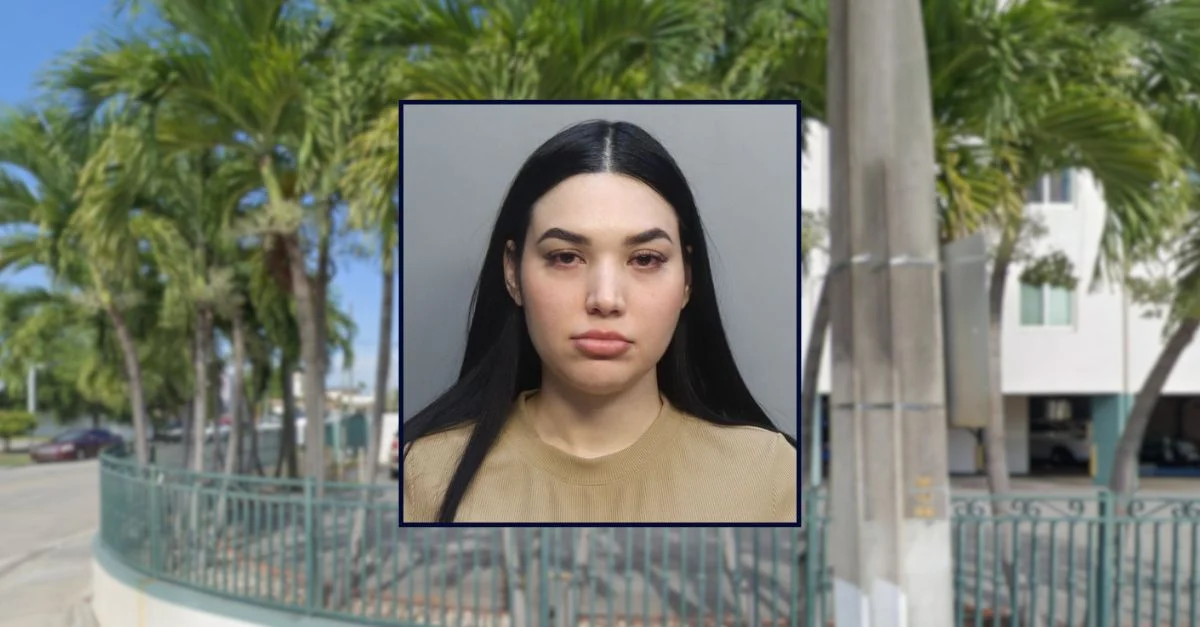
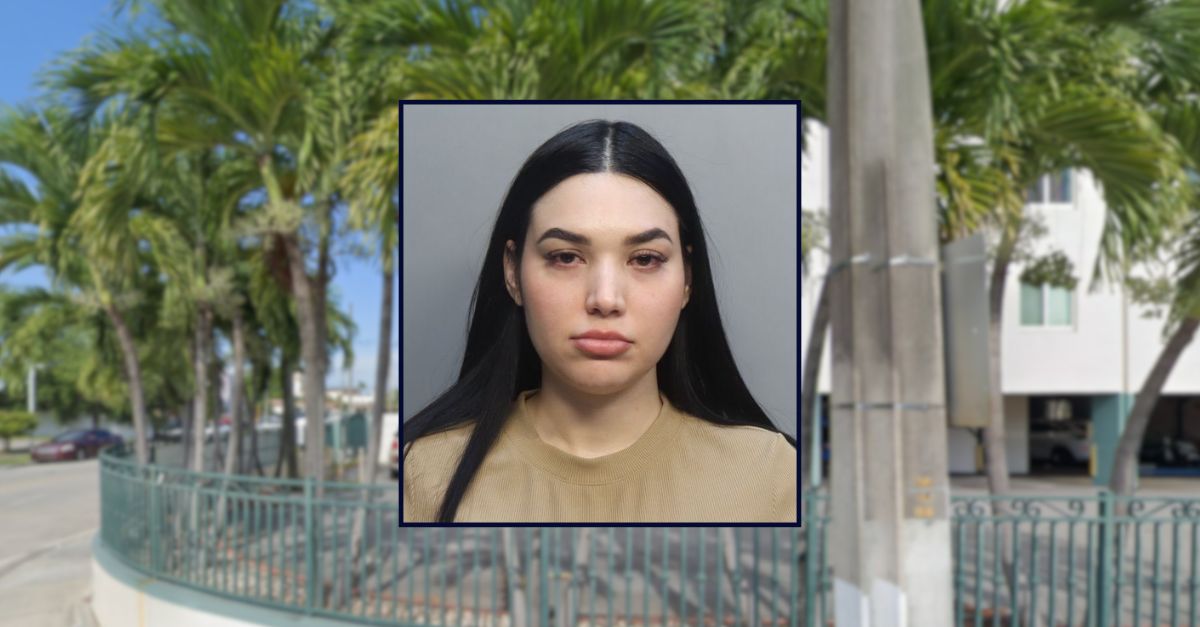
A 32-year-old Florida woman, Lucianny Lizbeth Luna, has been arrested in Miami-Dade County on one count of child abuse resulting in no harm, following allegations that she repeatedly attacked her 12-year-old son. The series of disturbing incidents reportedly stemmed from the boy’s suspicion that his mother was cheating on his stepfather, leading to a violent confrontation that prompted the child to seek help from school officials. The arrest highlights the critical role of educational institutions and child protective services in identifying and intervening in cases of domestic abuse, particularly when children are the victims.
The arrest affidavit, obtained by Law&Crime, details a harrowing sequence of events that began on a Wednesday afternoon. The investigation was initiated on Thursday when school officials, acting as mandatory reporters, notified authorities about injuries sustained by the boy. A responding police officer, accompanied by a child protective services official, arrived at the school to investigate the report. Upon examination, the officer noted a visible "contusion with lacerations on his left face next to his left eye," among other injuries. The child bravely recounted the traumatic experiences from the previous day, painting a grim picture of domestic discord escalating into physical violence.
The Alarming Sequence of Events
The 12-year-old victim’s account to authorities detailed a disturbing progression of abuse, which began during a car ride and continued after returning home. His narrative underscores the vulnerability of children caught in adult domestic disputes and the devastating impact such situations can have on their physical and emotional well-being.
The Car Ride and Initial Altercation
According to the criminal complaint, the alleged abuse commenced after Lucianny Luna picked her son up from school. They were driving in his stepfather’s vehicle towards Gwen Cherry Park for practice. During the drive, the boy observed his mother on the phone, speaking to an individual he "believed [was a] male his mother was cheating with." This suspicion appears to have been the catalyst for the ensuing violence. The mother reportedly told the person on the phone that she was taking her son to the park "to play." The child, however, interrupted to correct her, stating, "I’m not going to play, it’s just so the coach can go to pick me up." This seemingly innocuous correction, perhaps perceived as defiance or an implicit accusation, triggered a violent reaction from Luna.
The police officer’s report describes the immediate aftermath: "The defendant then struck the victim in the face with her right hand, slapping him in the middle of his face." The officer later observed "a small bruise in between his eyebrows" consistent with this initial strike. The assault did not end there. The charging document further alleges that Luna "then grabbed his hair, pulled it, and struck him on the back of his head, approximately eighteen to nineteen times, with a small glass bottle." While the boy reported soreness on the back of his head from the bottle, he stated he did not have a visible injury there. The trauma continued as the victim stated he "felt in shock and froze for a moment," during which the defendant allegedly "began to shake him."
Escalation at Home
The violence escalated as they neared their residence. The complaint states that Luna "then attempted to slash him with her keys." The boy tried to deflect the strike, but the key "stabbed him in his right palm." The investigating officer later observed "a small laceration to his right palm," corroborating the child’s harrowing account.
Upon entering their home, the child immediately sought refuge and perhaps validation from his stepfather, informing him that "the defendant was on the phone with the other man." The stepfather’s reaction indicated a prior awareness of such issues, reportedly saying something to the effect of: "I’m tired of you doing this," before instructing the victim to take a shower. This suggests a pattern of marital discord, unfortunately witnessed by the child, which may have contributed to the volatile environment.
After his shower, the stepfather asked the boy to "come back and repeat what he had told him earlier." It was during this retelling, "while the victim was mid-sentence," that Luna allegedly launched another assault. The complaint states, "the defendant struck the victim on the left side of his face, causing an injury near his eye. The defendant then slammed the victim against the wall." As the boy attempted to flee, his mother allegedly "grabbed the victims towel, holding him back."
The Intervention and Threats
At this critical juncture, the stepfather intervened, holding Luna back and allowing the terrified boy to escape to his room and close the door. However, the ordeal was far from over. From outside his son’s door, Luna allegedly issued a series of chilling threats. "The defendant was outside of his door yelling to the victim I want to kill you," the complaint reads. "You’re not my son. Come out the door, and I’ll kill you with anything I have." These verbal threats, coupled with the physical assaults, paint a picture of severe emotional distress and potential danger for the child.
The Plea for Help
In a moment of profound fear and desperation, the 12-year-old victim reached out for help. He called his aunt via Instagram, using the video call feature to show her his injuries. He pleaded with her to contact his grandparents so they could pick him up. The police officer’s report underscores the child’s terror, noting, "The victim stated he was in fear for his life and that he wanted to call 911, but he was scared." The aunt’s subsequent corroboration of the boy’s story, including the visible injury to his left eye, played a crucial role in validating his claims to the authorities. The officer also observed "a contusion around the victim’s left eye with several small lacerations and a small bruise on his mid back," providing further physical evidence of the reported abuse.
Law Enforcement and Child Protective Services Intervention
The response to the child’s report demonstrates the established protocols designed to protect vulnerable individuals and hold alleged abusers accountable. The swift action of school officials and the coordinated efforts of law enforcement and child protective services are vital in these sensitive cases.
School’s Crucial Role
The intervention of the school highlights the indispensable role that educational institutions play as frontline detectors and reporters of child abuse. Teachers, counselors, and administrators are often the first to notice signs of distress or injury in children, acting as mandatory reporters under Florida law. Their immediate notification to authorities ensured that the child’s allegations were taken seriously and investigated promptly. Without their vigilance, the abuse might have continued unreported. This case serves as a poignant reminder of the critical importance of these reporting laws and the individuals who uphold them.
Evidence and Victim’s Account
The investigating officer’s detailed documentation of the victim’s injuries and his comprehensive statement formed the backbone of the criminal complaint. The physical evidence, including the contusion and lacerations near the left eye, the bruise between the eyebrows, the laceration on the right palm, and the bruise on the mid-back, provided objective corroboration for much of the child’s narrative. The aunt’s corroboration further strengthened the case, demonstrating a consistent account from a third party who witnessed the immediate aftermath of the alleged abuse. Such corroborative evidence is often crucial in child abuse cases, where the victim’s testimony, though paramount, can sometimes be challenged.
Defendant’s Statement and Arrest
When police contacted Lucianny Luna about the incident, her statement, as recorded in the charging document, offered a partial admission. "The defendant admitted to hitting the victim several times on the back, once with an open hand and could not recall the subsequent strikes," the document states. However, she "denied hitting him in the face or on the back of his head," which contradicts significant portions of her son’s account and the observed injuries. Despite these denials regarding certain specific actions, her admission of hitting the child on the back was sufficient, combined with the victim’s detailed testimony and physical evidence, for authorities to proceed with an arrest. Luna was subsequently booked into the Turner Guilford Knight Correctional Center. She posted a $5,000 bond on Friday, and court records currently do not show any scheduled hearings.
Understanding the Charge: Child Abuse in Florida
Lucianny Luna faces one count of "child abuse resulting in no harm." This specific charge is important to understand within the context of Florida’s legal framework regarding the protection of minors.
Defining "Child Abuse Resulting in No Harm"
In Florida, child abuse charges are defined under Chapter 827 of the Florida Statutes. "Child abuse" generally refers to an intentional act that could reasonably be expected to result in physical or mental injury to a child, or an active encouragement of any person to commit such an act. The distinction between "child abuse resulting in no harm," "child abuse resulting in great bodily harm, permanent disability, or permanent disfigurement," and "aggravated child abuse" often hinges on the severity of the injuries sustained and the intent behind the actions.
The charge of "child abuse resulting in no harm" implies that while abusive acts occurred, they did not lead to the most severe categories of physical injury as defined by statute. However, it does not diminish the seriousness of the offense. Even without "great bodily harm," any physical assault on a child is considered a grave matter. The documented injuries on the 12-year-old, though not classified as "great bodily harm" in this specific charge, clearly indicate physical trauma and pain, which are consistent with the legal definition of abuse.
Potential Legal Ramifications
Child abuse in Florida can range from a first-degree misdemeanor to a first-degree felony, depending on the specifics of the charge. "Child abuse resulting in no harm" is typically classified as a third-degree felony in Florida. A conviction for a third-degree felony carries potential penalties of up to five years in prison, five years of probation, and a $5,000 fine. In addition to incarceration, individuals convicted of child abuse often face mandatory participation in batterers’ intervention programs, parenting classes, and may be subject to strict probation conditions, including no contact orders with the victim. The long-term implications for Luna could include a permanent felony record, impacting her employment, housing, and civil rights. The judicial process will meticulously examine the evidence and testimony to determine the appropriate legal outcome.
A Deeper Look at Child Abuse Statistics and Impact
The tragic circumstances surrounding this case serve as a stark reminder of the persistent issue of child abuse within communities, both in Florida and nationwide. Understanding the broader context of this problem is crucial for prevention and intervention efforts.
National and State Data
Child abuse remains a significant public health concern. According to the U.S. Department of Health and Human Services, hundreds of thousands of children are confirmed as victims of maltreatment each year across the United States. In Florida, thousands of cases of child abuse, neglect, and abandonment are reported annually, leading to investigations by the Department of Children and Families (DCF) and local law enforcement. While the majority of reported cases involve neglect, a substantial number involve physical abuse, as appears to be the case here. These statistics underscore the pervasive nature of child maltreatment and the ongoing need for robust reporting systems and protective services. Often, as in this incident, the perpetrators are parents or guardians, making the home environment, which should be a place of safety, a source of danger for children.
The Psychological Toll on Victims
Beyond the immediate physical injuries, the psychological and emotional trauma inflicted upon child abuse victims can be profound and long-lasting. Children who experience abuse often suffer from anxiety, depression, post-traumatic stress disorder (PTSD), and difficulties forming healthy relationships. The 12-year-old’s reported fear for his life and his hesitation to call 911 are classic indicators of the psychological impact of such abuse. Witnessing parental conflict and experiencing violence from a primary caregiver can shatter a child’s sense of security and trust, leading to complex developmental challenges. Support services, including therapy and counseling, are often critical for these children to begin healing and processing their traumatic experiences. The long-term well-being of the child in this case will depend heavily on the provision of a safe environment and access to appropriate psychological support.
Mandatory Reporting and Community Vigilance
This case vividly illustrates the critical importance of mandatory reporting laws, which require certain professionals—including educators, healthcare providers, and law enforcement—to report suspected child abuse to authorities. The school officials in Miami-Dade County acted precisely as these laws intend, potentially saving the child from further harm. However, community vigilance extends beyond mandatory reporters. Neighbors, relatives, and friends also play a crucial role in identifying and reporting signs of abuse. Child advocacy groups consistently emphasize that protecting children is a shared societal responsibility, urging anyone with concerns about a child’s welfare to contact local child protective services or law enforcement. Public awareness campaigns aim to educate the general population on recognizing the signs of abuse and the pathways for reporting it safely and effectively.
Implications for the Victim and the Judicial Process
As the legal proceedings against Lucianny Luna move forward, the focus will remain on ensuring justice is served and, most importantly, on securing the safety and well-being of the child victim.
The Road Ahead for Lucianny Luna
With Luna having posted bond, the next steps in the judicial process will involve formal arraignment, where she will enter a plea. Pre-trial hearings will follow, and depending on the plea, the case may proceed to trial or be resolved through a plea agreement. The court will consider the gravity of the allegations, the evidence presented by the prosecution, and any defense arguments. Given the nature of the charges, the court may also impose conditions related to contact with the child, especially if the child remains in her custody or is returned to her custody. The legal process can be lengthy, and its outcome will ultimately determine the consequences for Luna.
Ensuring the Child’s Safety and Recovery
The immediate priority following such incidents is the child’s safety. Child protective services will be actively involved in assessing the child’s living situation and determining the most appropriate placement. This could involve placement with other relatives, such as the aunt or grandparents, or in foster care, depending on the assessment of safety risks. Beyond physical safety, the child will likely require ongoing psychological support to cope with the trauma experienced. Child advocacy centers and mental health professionals specialize in providing trauma-informed care to children who have endured abuse, helping them to process their experiences and build resilience. The goal is to provide a stable, nurturing environment that fosters healing and long-term well-being.
Community Responsibility
The case of Lucianny Luna and her son serves as a powerful reminder that child abuse is a complex issue deeply intertwined with domestic dynamics, mental health, and community support systems. It underscores the ongoing need for robust social services, accessible mental health resources for parents and children, and continued public education on recognizing and reporting abuse. Every instance of child abuse reported is an opportunity for intervention and prevention, reinforcing the collective responsibility to protect the most vulnerable members of society.
As this case progresses through the Miami-Dade County court system, it will undoubtedly draw attention to the severe consequences of domestic violence impacting children and the critical importance of swift, compassionate, and effective intervention by both official agencies and concerned citizens. The ongoing lack of scheduled hearings indicates the initial stages of a legal process that often takes many months, if not longer, to reach a resolution. The community awaits justice for the young victim, hoping that this incident will lead to a safer future for him and serve as a deterrent for others.


 Yuyun Lusiyani
 Pevita Pearce
 Eva Lovia
 Nana Wu
 Amara Maple
 Joko Widodo