
 Ana Megawati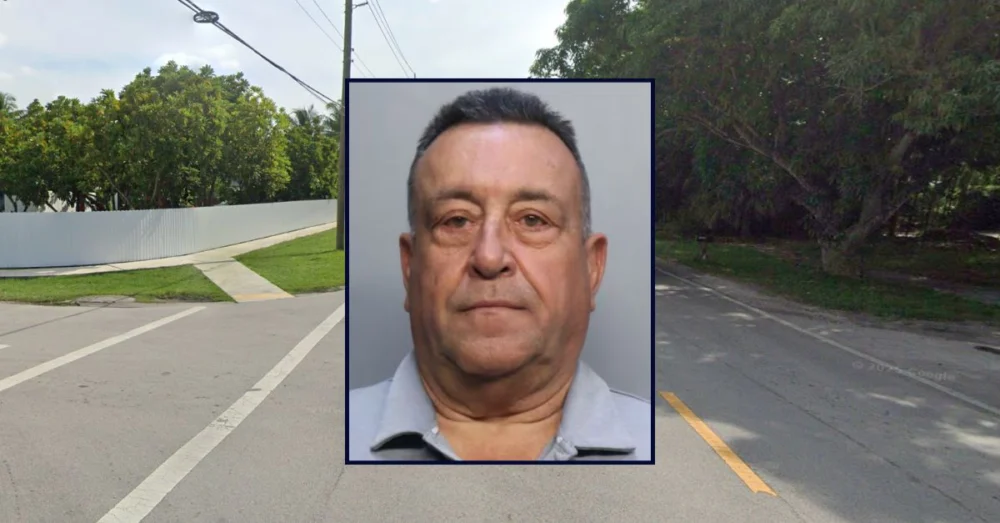
The tranquility of a South Miami Heights neighborhood was disrupted in early November 2025 by an alleged incident of aggravated assault that has since drawn attention to the often-precarious nature of street vending and the tensions that can arise in local economies. Giraldo Caraballo, 60, a resident of the area, stands accused of one count of aggravated assault after allegedly threatening a churro vendor with a baseball bat, an act that has resonated beyond the immediate circumstances of the confrontation, sparking discussions about vendor rights, community safety, and the legal framework governing such disputes in Florida.
The incident, as detailed in a criminal complaint and arrest affidavit obtained by Law&Crime, unfolded near the bustling intersection of Southwest 195th Terrace and 127th Avenue. This particular corner, like many in Miami-Dade County, serves as a vital artery for local commerce and community interaction, often hosting a variety of informal businesses, including food vendors. On the day in question, a vendor was operating his churro trailer, a common sight and a source of popular snacks in the vibrant South Florida landscape. Churro vendors, much like other mobile food operators, contribute significantly to the local culinary scene and provide accessible, often affordable, food options, particularly in neighborhoods where traditional brick-and-mortar establishments might be less prevalent. Their presence, however, can sometimes lead to disputes over territory, competition, or perceived nuisances, highlighting the delicate balance between entrepreneurship and community harmony.
Chronology of an Alleged Threat
The narrative of the confrontation began with a verbal altercation. According to the charging documents from the Miami-Dade Sheriff’s Office, Caraballo approached the vendor, initiating a dispute that reportedly centered on the vendor’s presence and his selling of churros. The exact nature of the initial disagreement remains to be fully elucidated, but it quickly escalated beyond a mere verbal exchange. The criminal complaint vividly describes the moment Caraballo allegedly retrieved an aluminum bat from his Ford F-250 vehicle, a move that instantly transformed the dispute into a potentially life-threatening situation.
With the bat in hand, Caraballo is accused of uttering a chilling threat: "If you are here in fifteen minutes, I am going to kill you like a dog." This statement, coupled with the aggressive manner in which he allegedly held the bat, instilled profound fear in the churro vendor, who later recounted to investigators that he genuinely "was in fear for his life." Such threats, especially when accompanied by a weapon, are taken seriously under Florida law, falling squarely under the definition of aggravated assault, which involves an assault with a deadly weapon without intent to kill or with intent to commit a felony. The psychological impact of such an experience on a small business owner, whose livelihood depends on public interaction, cannot be overstated.
A short time after the initial threat, Caraballo allegedly returned to the scene. His second interaction with the vendor, where he reportedly said something to the effect of: "Oh! You are still here? I am coming back," served to further reinforce the vendor’s sense of imminent danger and vulnerability. It was this sustained intimidation that prompted the vendor to seek official intervention, filing a police report out of legitimate concern for his safety. This decision underscores the critical role of law enforcement in mediating disputes that escalate beyond civil disagreement into criminal threats.
Legal Process and Detention
Following the vendor’s report, law enforcement initiated an investigation, leading to Caraballo’s subsequent arrest. He was transported to a local police station where, in accordance with established legal protocols, he was read his Miranda rights in Spanish via a form. The suspect then "invoked his rights and did not talk" about the incident, a constitutional prerogative that allows individuals to remain silent during police questioning. This invocation of rights is a standard part of the legal process and does not imply guilt or innocence but rather an exercise of a fundamental legal protection.
Notably, the charging document mentions a "lengthy delay" between the initial police arrest and the filing of charges by sheriff’s deputies. While the document does not elaborate on the specific reasons for this delay in Caraballo’s case, such intervals are not uncommon in the justice system. They can arise from various factors, including the need for thorough evidence review, processing of paperwork across different law enforcement agencies, scheduling conflicts, or awaiting forensic analysis in more complex cases. The absence of officer-worn body camera footage of the arrest was also noted, a detail that, while not necessarily impacting the validity of the arrest, is often highlighted in an era where bodycam footage is increasingly expected as a tool for transparency and evidence collection in police interactions.
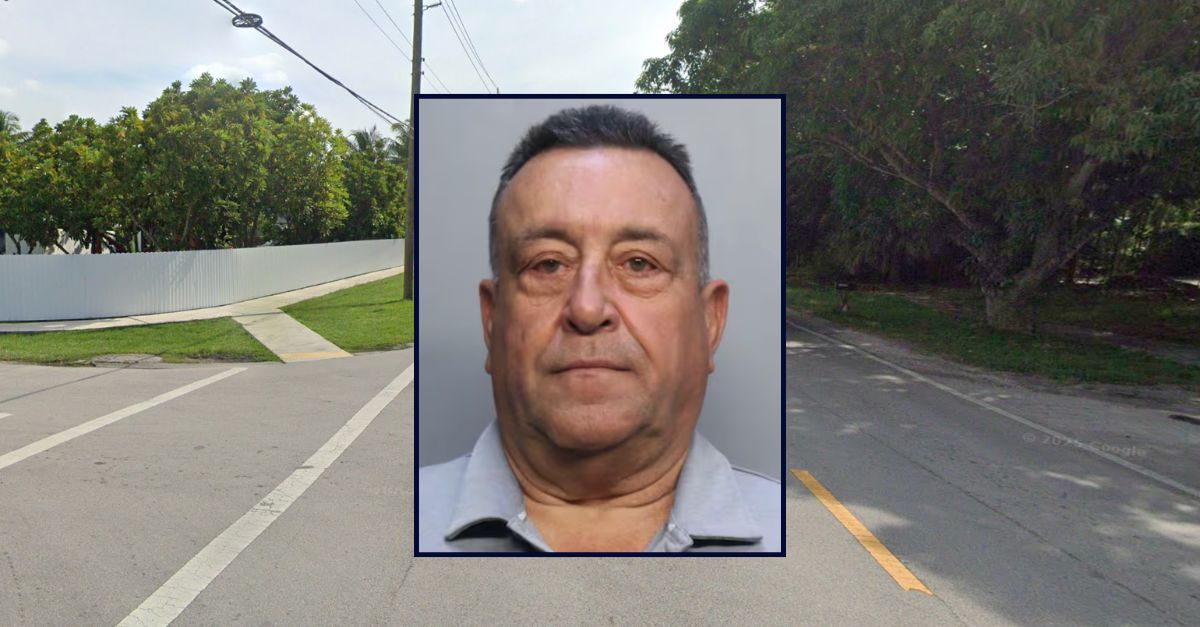
Upon being formally charged, Caraballo was detained at the Turner Guilford Knight Correctional Center. Records indicate that he posted a $5,000 bond the following day, securing his release pending further legal proceedings. The bond system in Florida, as in other states, is designed to ensure that a defendant appears in court for scheduled hearings while allowing them to remain free from custody before trial. The amount of bond is typically set based on the severity of the alleged crime, the defendant’s flight risk, and their criminal history. A $5,000 bond for an aggravated assault charge reflects a judicial assessment of these factors, allowing for temporary release while the legal process unfolds. As of the latest review of Miami-Dade court records, no specific court dates have yet been scheduled in the case, indicating that the legal process is still in its early stages.
Broader Context: The Vulnerability of Street Vendors and Economic Tensions
This incident is more than an isolated legal matter; it shines a spotlight on the often-overlooked challenges faced by street vendors, who are integral to the economic and cultural fabric of cities like Miami. Street vending, while providing essential entrepreneurial opportunities for many, particularly immigrants and those with limited access to formal employment, is also fraught with vulnerabilities. Vendors often operate in public spaces, making them susceptible to harassment, theft, and disputes with other businesses or residents. They typically lack the fixed infrastructure and legal protections afforded to brick-and-mortar establishments, making them prime targets for intimidation.
In South Florida, the informal economy, including street vending, thrives due to a large immigrant population and a strong culture of independent enterprise. Churro sellers, fruit vendors, and other mobile entrepreneurs contribute to the local economy by creating jobs, offering affordable goods, and adding vibrancy to neighborhoods. However, they also frequently navigate a complex regulatory environment, sometimes operating without all necessary permits, which can make them hesitant to report incidents to authorities for fear of drawing unwanted scrutiny. When they do report, as in this case, it underscores the severity of the threat they perceived.
The South Miami Heights neighborhood, where this incident occurred, is characterized by a diverse population and varying socioeconomic conditions. In such areas, economic competition can sometimes lead to heightened tensions, particularly when resources or perceived "territory" for earning a living are at stake. An alleged threat over a vendor’s livelihood can be interpreted as a desperate or aggressive response to perceived competition or an attempt to assert dominance over public spaces used for commerce. This dynamic underscores the need for clear guidelines, community dialogue, and effective law enforcement to prevent such disputes from escalating into violence.
Implications for Community Safety and Justice
The alleged actions of Giraldo Caraballo, if proven, have significant implications for community safety and the perception of justice. For local residents, incidents of this nature can erode the sense of security and trust in public spaces. When a vendor, who is providing a service and contributing to the local economy, is allegedly threatened with violence, it sends a chilling message to others who might wish to engage in similar entrepreneurial activities or simply enjoy public amenities.
From a legal standpoint, a conviction for aggravated assault carries serious penalties in Florida, potentially including imprisonment, significant fines, and probation. The state’s legal framework aims to deter violent behavior and protect individuals from threats of harm. The case will likely proceed through various stages, including arraignment, discovery, potential plea negotiations, and possibly a trial, where both the prosecution and defense will present their arguments based on evidence and testimony.
Beyond the immediate legal outcome, this incident serves as a stark reminder of the importance of conflict resolution and the role of civility in public interactions. It highlights the need for communities and local governments to consider policies that support and protect street vendors, recognizing their economic contributions while ensuring their safety and integration into the urban landscape. This could involve clearer guidelines for vending locations, accessible permit processes, and robust mechanisms for reporting and addressing harassment.
Ultimately, the case of Giraldo Caraballo and the churro vendor in South Miami Heights is a microcosm of broader societal challenges—economic competition, community relations, and the pursuit of safety and justice in shared public spaces. As the legal proceedings unfold, the incident will continue to serve as a poignant example of the vulnerabilities faced by those striving to earn a living in the informal economy and the imperative for a legal system that protects all its citizens from threats and intimidation.




 Yuyun Lusiyani
 Joko Widodo
 Eva Lovia
 Pevita Pearce
 admin
admin
 Lina Irawan