
 Ana Megawati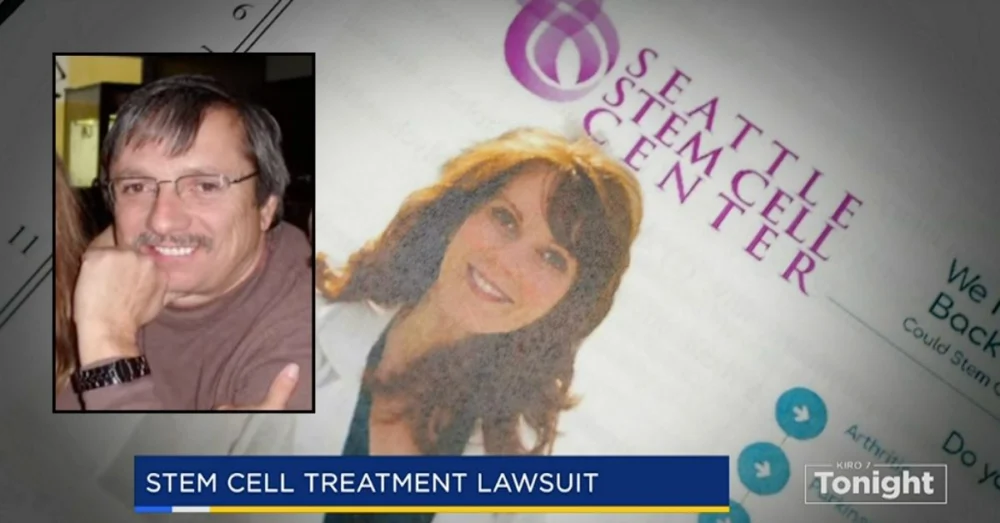
A King County jury has delivered a unanimous $24 million verdict to the family of Michael Trujillo, a Colorado man who tragically died following a spinal stem cell injection administered by the Seattle Stem Cell Center. The jury concluded that the clinic’s negligence, including performing the procedure without proper imaging guidance and while Trujillo was on blood thinners, directly led to his death in April 2019. The case sheds a stark light on the risks associated with unproven medical treatments aggressively marketed to vulnerable patients suffering from incurable conditions.
The Pursuit of Hope: Michael Trujillo’s Battle with ALS
Michael Trujillo, a dedicated family man and a "master electrician" who built his own electrical company from the ground up in Colorado, was diagnosed with amyotrophic lateral sclerosis (ALS) in 2017. ALS, also known as Lou Gehrig’s disease, is a progressive neurodegenerative disease that affects nerve cells in the brain and spinal cord, leading to loss of muscle control. The disease is invariably fatal, with most patients succumbing to respiratory failure within three to five years of diagnosis. The devastating nature of ALS often drives patients and their families to seek any potential avenue for relief or cure, even experimental ones.
It was this desperate search for hope that led the Trujillo family to the Seattle Stem Cell Center. Michael’s wife, Carmen Trujillo, testified during the trial that they had seen the clinic’s advertisements, which made "deceptive" claims about its ability to treat ALS with stem cell therapies. The clinic’s online marketing extensively promoted stem cell treatments for a range of serious neurological conditions, including ALS, multiple sclerosis, Parkinson’s, and spinal cord injuries. These advertisements, later highlighted in a separate legal action by the Washington Attorney General’s Office, suggested that stem cell therapy was an "exciting potential therapeutic option" for those who had exhausted traditional medical avenues.
"We flew to Seattle with hope, and I flew home alone," Carmen Trujillo recounted in a poignant statement, encapsulating the profound loss and betrayal experienced by the family.
A Fatal Procedure: The Events of April 2019
After an initial free consultation, Michael Trujillo underwent his first stem cell treatment in February 2019. He returned to Seattle in April 2019 for a second procedure, which would ultimately prove fatal.
According to evidence presented by attorney Dylan Cohon, who represented the Trujillo family, the Seattle Stem Cell Center performed a spinal stem cell injection on Michael without fluoroscopic imaging guidance. Fluoroscopy is a medical imaging technique that provides real-time moving images of internal structures of the body, crucial for guiding procedures like spinal injections to ensure accuracy and avoid critical structures. Compounding this grave error, Trujillo was also taking Coumadin, a blood-thinning medication, which was documented in his medical record but apparently disregarded.
The consequences were catastrophic. The needle punctured the dura, the protective membrane surrounding the spinal cord. This led to severe bleeding and rapid pressure shifts within his spine and brain. Michael Trujillo died the following day from brain herniation, a life-threatening condition where brain tissue is squeezed and displaced. He was 57 years old, leaving behind his wife, two sons, three daughters, and ten grandchildren.
Legal Recourse: The Lawsuit and Verdict
The Trujillo family filed their wrongful death lawsuit against the Seattle Stem Cell Center and its owner, Dr. Tami Meraglia, in 2022. The civil trial, held in King County, culminated in a unanimous verdict from the jury, finding the clinic negligent in its treatment of Michael Trujillo.
Attorney Dylan Cohon emphasized the jury’s findings, stating, "Evidence at trial established that the clinic performed the spinal injection without fluoroscopic imaging guidance and while Mike was taking Coumadin, a blood-thinning medication documented in his medical record. The needle punctured the dura — the protective layer surrounding the spinal cord — leading to catastrophic bleeding and pressure shifts within his spine and brain. Mike died the following day from brain herniation."
Holly Trujillo-Lopez, Michael’s daughter, spoke to Law&Crime about the profound injustice. "What was done to him was deeply wrong and incredibly disheartening," she said, highlighting the clinic’s "online deception and deadly imaging error." She added, "The world deserves to understand what really happened — not just for our family, but so others are never hurt by people like this again." On Facebook, after the verdict, she wrote, "what was done in the dark is now being brought into the light," and "Even in death, you are exposing darkness and bringing light to people who have been hurt."
Dr. Meraglia’s Response and Appeal
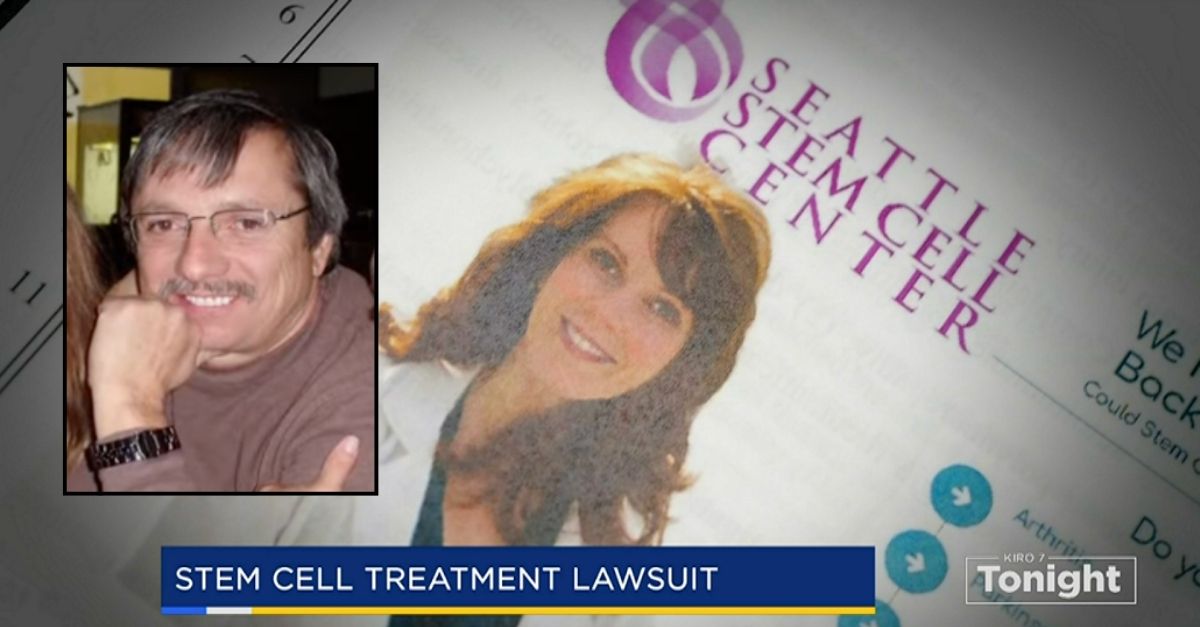
Dr. Tami Meraglia, owner of the now-closed Seattle Stem Cell Center, responded to the verdict, indicating her intention to appeal. Speaking to local radio station KIRO, Meraglia attempted to distance herself from the direct cause of death, stating that the initial treatment plan was for an intravenous (IV) stem cell procedure. She claimed that the doctor who performed the injection "changed it to the fatal epidural while a patient was on a blood thinner with high blood pressure."
Meraglia further asserted, "Based on legal rulings made before and during the trial, the jury did not hear all of the evidence we sought to present. We believe there are significant issues for appellate review, and we intend to pursue an appeal promptly." This statement suggests a legal strategy focused on procedural fairness and the presentation of evidence.
Broader Context: The Unregulated Landscape of Stem Cell Therapy
The Trujillo case unfolds against a backdrop of increasing concern over clinics offering unproven and potentially dangerous stem cell treatments. While stem cell research holds immense promise for various medical conditions, including neurodegenerative diseases, the vast majority of these therapies are still in experimental stages and should only be administered within rigorously controlled clinical trials.
The ALS Association explicitly states that there are currently no FDA-approved treatments for ALS that utilize stem cells outside of approved clinical research settings. The U.S. Food and Drug Administration (FDA) has repeatedly warned consumers about the risks of unproven stem cell therapies, emphasizing that these products can be unsafe, ineffective, and may even cause serious adverse events like infections, immune reactions, tumor formation, or, as in Trujillo’s case, catastrophic bleeding.
Clinics marketing these unapproved treatments often operate in a regulatory gray area, exploiting loopholes or outright disregarding established medical standards. They frequently target patients with chronic, debilitating, or incurable diseases who are desperate for any glimmer of hope, often charging exorbitant fees for procedures with no scientific backing.
Washington State Attorney General’s Action
The civil verdict in the Trujillo case is not the only legal action taken against Dr. Meraglia and the Seattle Stem Cell Center. In 2022, the Washington Attorney General’s Office filed a separate Consumer Protection Act lawsuit, alleging "deceptive claims" and the marketing of unproven stem cell treatments for "chronic and sometimes incurable medical conditions."
This parallel investigation revealed that the clinic "preyed on individuals with disabilities by giving them false hope as to defendants’ unsubstantiated stem cell procedures." The AG’s complaint detailed how the center’s websites and Facebook posts promoted stem cell procedures for numerous severe conditions, including ALS, multiple sclerosis, muscular dystrophy, Parkinson’s, spinal cord injury, stroke, and traumatic brain injury. The clinic’s social media content, for example, claimed, "Stem cell therapy is an exciting potential therapeutic option for those who have reached the end of traditional medical options or who are wanting to explore using their own cells for treatment," without providing adequate scientific evidence.
The Attorney General’s case concluded with an $800,000 judgment against Meraglia and the Seattle Stem Cell Center, along with permanent marketing restrictions. The judgment was based on Meraglia’s inability to provide proof that her stem cell treatments were effective, underscoring the lack of scientific validity behind the clinic’s claims. This prior judgment reinforces the systemic issues of false advertising and exploitation that plagued the Seattle Stem Cell Center.
Implications for Patient Safety and Medical Ethics
The $24 million verdict serves as a powerful reminder of the critical importance of patient safety, informed consent, and responsible medical marketing, particularly in emerging and experimental fields like stem cell therapy.
Attorney Dylan Cohon articulated these broader implications: "Medical providers who market treatments to vulnerable patients need to be honest about whether there is any scientific evidence that the treatments will work. The Trujillo family hopes the verdict underscores the importance of patient safety, informed consent, and responsible medical marketing — particularly in emerging areas such as stem cell therapy."
This verdict sends a clear message to clinics that engage in deceptive advertising and perform procedures without adherence to established medical standards: there will be severe consequences. It highlights the need for rigorous oversight of the burgeoning regenerative medicine industry and increased public awareness regarding the distinction between legitimate clinical research and unproven, potentially dangerous commercial treatments.
The tragic death of Michael Trujillo and the subsequent legal actions emphasize the ethical imperative for medical professionals to provide accurate information and ensure patient safety above all else. For families like the Trujillos, the legal victory, while bringing a measure of justice and accountability, cannot undo the profound loss. Their hope now is that Michael’s story will serve as a cautionary tale, preventing other vulnerable individuals from falling victim to similar deceptive practices and medical negligence. As Holly Trujillo-Lopez stated, "This verdict is about justice, compensation, and accountability."


 Yuyun Lusiyani
 Joko Widodo
 Eva Lovia
 Pevita Pearce
 admin
admin
 Lina Irawan