Lina Irawan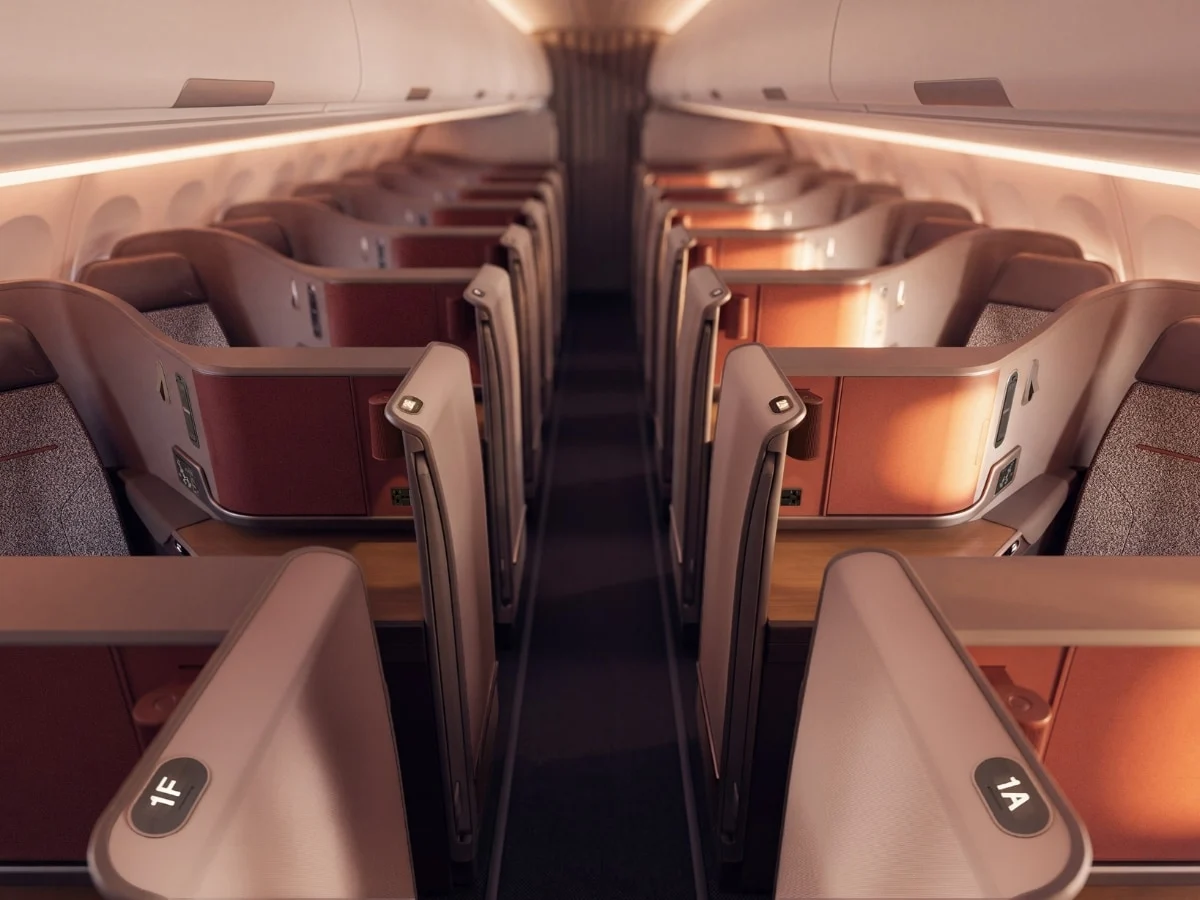
The Australian national carrier, Qantas, has officially announced a significant evolution in its cabin design strategy, revealing that 16 of its incoming Airbus A321XLR aircraft will be equipped with a bespoke, fully lie-flat Business Class suite. Scheduled to enter service starting in 2028, these aircraft represent a paradigm shift for the airline’s narrowbody operations, bringing a level of luxury typically reserved for widebody, long-haul jets to the single-aisle market. This move marks the first time Qantas will offer a dedicated lie-flat product with direct aisle access on its narrowbody fleet, signaling a robust commitment to capturing the growing demand for premium travel on medium- to long-haul routes.
The decision to install high-specification suites on a single-aisle aircraft is a direct response to the changing dynamics of global aviation. As aircraft technology allows smaller planes to fly longer distances with greater fuel efficiency, the distinction between "short-haul" and "long-haul" passenger expectations is blurring. For Qantas, the A321XLR—where "XLR" stands for Extra Long Range—provides the range necessary to connect Australian cities with Southeast Asia and to serve transcontinental routes like Sydney to Perth with greater frequency and lower operational costs than a traditional widebody aircraft.
Technical Specifications of the New Business Suite
The center-piece of the new cabin is a 1-1 angled herringbone configuration. Unlike the traditional 2-2 recliner layout found on the airline’s current Boeing 737 fleet, this layout ensures that every passenger in the Business Class cabin enjoys direct aisle access. The design prioritizes individual privacy and spatial autonomy, incorporating a sliding privacy door for each suite—a feature that has rapidly become the gold standard for international Business Class.
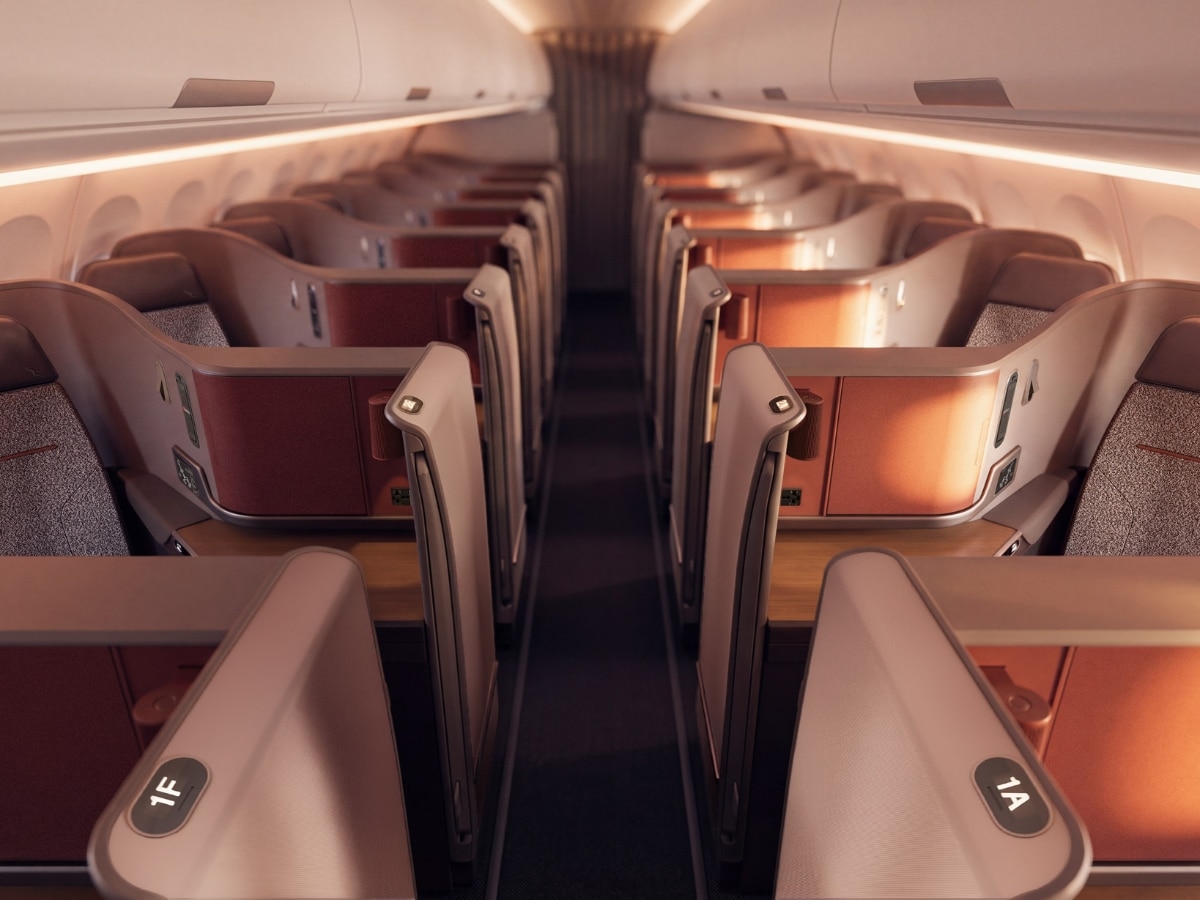
Each suite is engineered to maximize the utility of the limited real estate within a narrowbody fuselage. Key features include:
- Fully Lie-Flat Bed: The seat transitions into a completely flat sleeping surface, addressing a primary pain point for passengers on red-eye flights or six-to-eight-hour journeys.
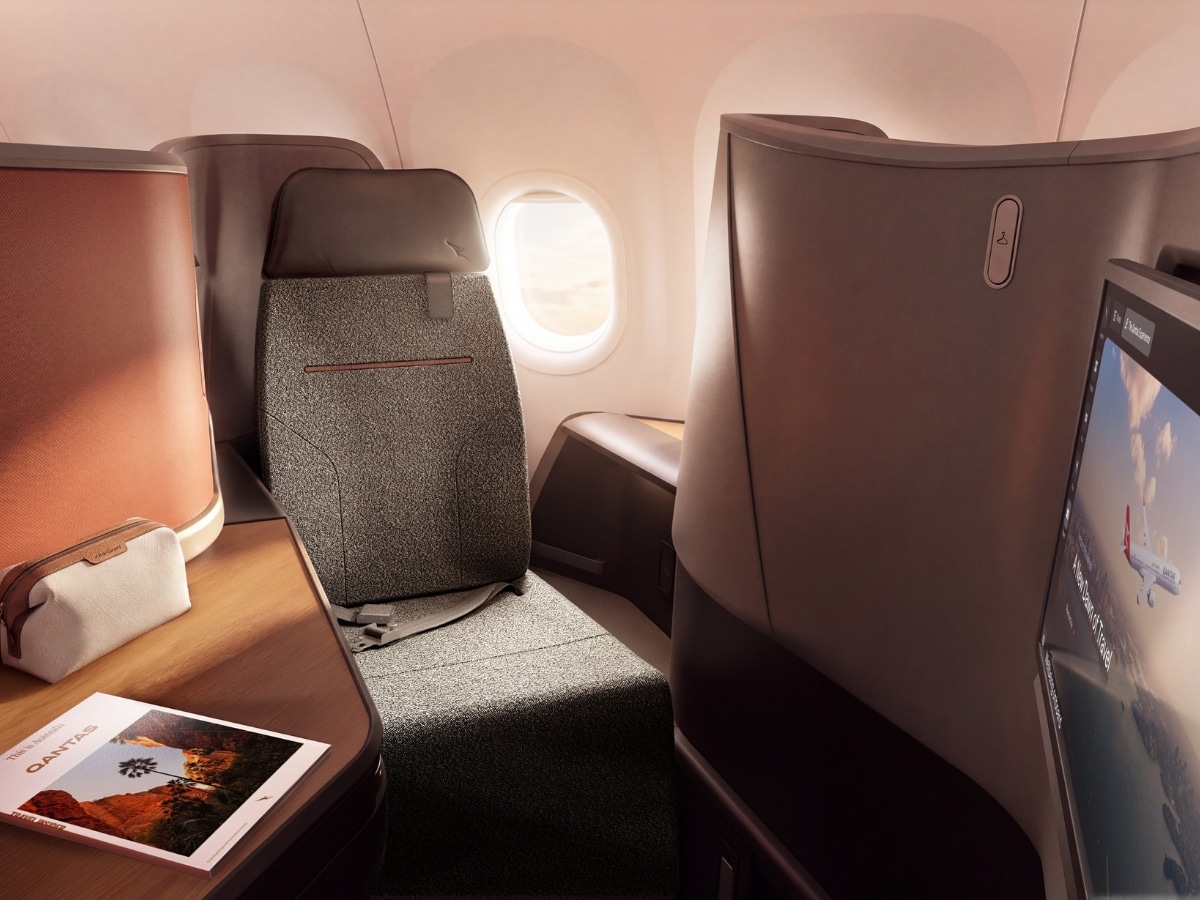
- Integrated Technology: A 19-inch high-definition entertainment screen serves as the focal point for in-flight media. The suites are also equipped with wireless charging pads, USB-C ports, and high-speed, complimentary Wi-Fi.
- Storage and Ergonomics: Enhanced personal storage areas have been integrated to accommodate laptops, tablets, and personal items, ensuring that the workspace remains uncluttered during flight.
The design language of these suites draws inspiration from "Project Sunrise," Qantas’s ambitious plan to operate the world’s longest non-stop flights using Airbus A350-1000ULR aircraft. By harmonizing the aesthetic and functional elements across different aircraft types, Qantas aims to provide a seamless premium experience, regardless of whether a passenger is flying four hours to Bali or 22 hours to London.
A Two-Tier Narrowbody Fleet Strategy
The introduction of these 16 premium-heavy A321XLRs is part of a nuanced "two-tier" strategy for the Qantas narrowbody fleet. The airline has a total of 48 A321XLRs on order. While 16 will feature the lie-flat suites for longer and more prestigious routes, the remaining 32 aircraft are being delivered with a more conventional configuration. These "standard" XLRs feature domestic-style recliner seats in Business Class and are intended for shorter domestic hops and high-frequency trunk routes where the turn-around time and seat density are prioritized.
As of the conclusion of the 2026 fiscal year, Qantas had already taken delivery of seven A321XLRs in the standard configuration. The 16 premium-configured aircraft are slated for delivery beginning in 2028, coinciding with a broader phase of the airline’s "Winton" fleet renewal program. This strategy allows Qantas to deploy the most cost-effective aircraft for each specific route while maintaining a premium "halo" product for international and transcontinental services where competition is fiercest.

Economic Drivers and the Rise of Premium Revenue
The investment in high-end narrowbody cabins is supported by strong financial data. In its FY26 results, Qantas reported that international premium-cabin revenue grew by 15 percent, a rate double that of Economy Class. This trend highlights a post-pandemic shift in consumer behavior, with both corporate and leisure travelers showing an increased willingness to pay for space, privacy, and comfort.
By utilizing the A321XLR for routes that were previously the sole domain of the Airbus A330 or Boeing 787, Qantas can maintain its premium margins while significantly reducing overhead. The A321XLR offers up to 30 percent lower fuel burn per seat compared to previous-generation aircraft. This efficiency enables the airline to open "long-thin" routes—destinations that are far away but do not have enough passenger volume to justify the 250+ seats of a widebody jet.
The Broader Context of Fleet Renewal
The A321XLR project is a single pillar in a massive fleet overhaul. Qantas Group currently has more than 160 next-generation aircraft on order, including:
- Airbus A220-300: Replacing the aging Boeing 717s for regional and short-haul domestic flights.
- Airbus A321XLR: Replacing the Boeing 737-800 workhorse.
- Boeing 787-9 Dreamliner: Expanding the mid-to-long-haul international network.
- Airbus A350-1000ULR: The flagship aircraft for Project Sunrise.
The airline took delivery of 17 new aircraft in FY26 and expects to receive up to 31 more in the coming year. This aggressive modernization is essential for Qantas to meet its sustainability targets and to lower its average fleet age, which has been a point of criticism in recent years.
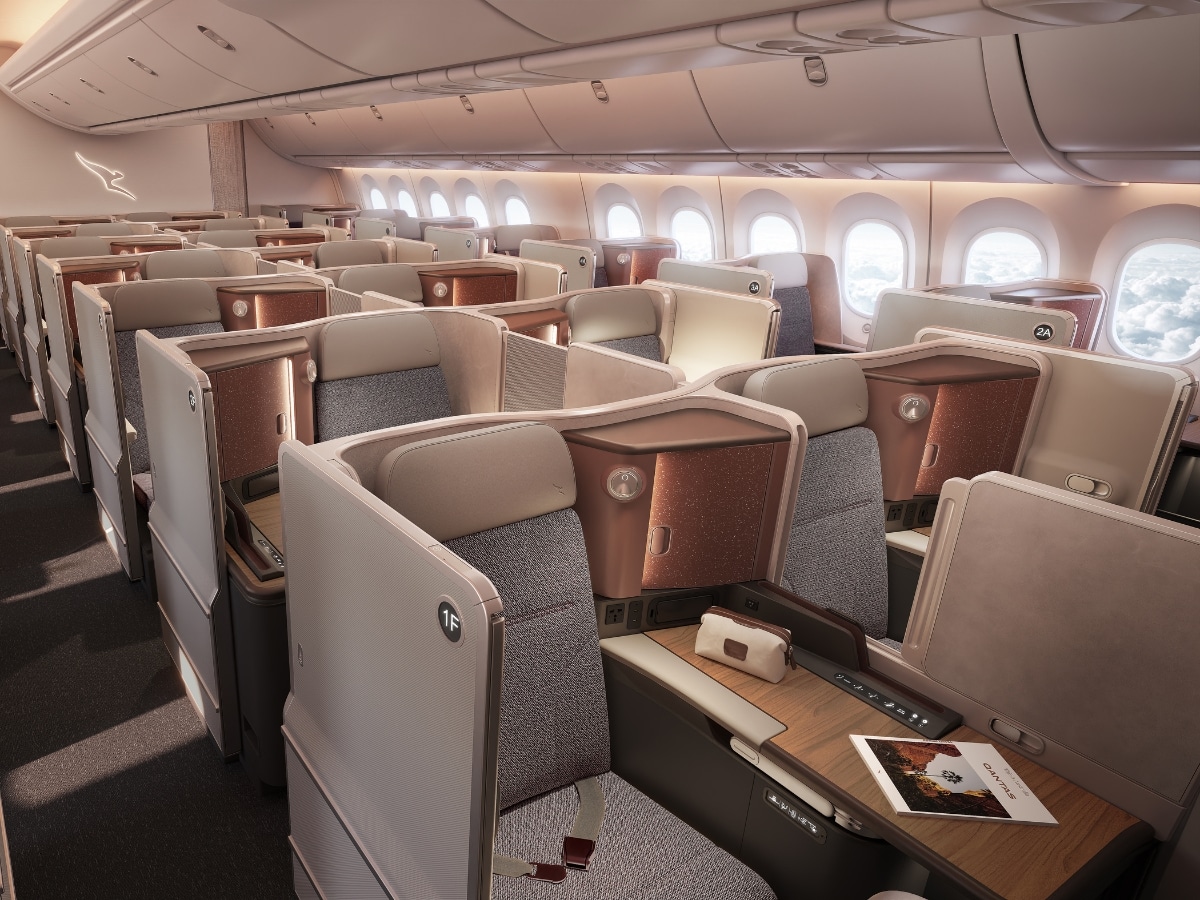
Furthermore, Qantas is not ignoring its existing widebody fleet. Parallel to the A321XLR rollout, the airline is updating the Business Suite on its incoming Boeing 787-9 Dreamliners. These updated 787 suites will also feature sliding privacy doors and expanded footwells, ensuring that the "Suite" branding remains consistent across the international network.
Chronology and Future Outlook
The timeline for Qantas’s narrowbody transformation is structured to manage the retirement of the Boeing 737-800, of which 79 remained in the fleet as of mid-2026.
- 2024–2025: Acceleration of A220 and standard A321XLR deliveries to stabilize domestic capacity.
- 2026–2027: Gradual phase-out of the oldest Boeing 737s and commencement of 787-9 fleet expansion.
- 2028: Delivery of the first premium-configured A321XLR with lie-flat suites. This year also marks the beginning of the gradual retirement of the Airbus A380 fleet, as the A350 and 787 take over ultra-long-haul duties.
- 2030 and Beyond: Completion of the narrowbody transition, resulting in a fleet that is more fuel-efficient and offers a standardized premium product across all international-capable aircraft.
Industry Implications and Competitive Landscape
Qantas’s move into lie-flat narrowbody suites places it in an elite group of carriers. Globally, airlines like JetBlue (with its "Mint" product) and United Airlines have demonstrated that there is a viable market for premium narrowbody cabins on transcontinental and transatlantic routes. In the Asia-Pacific region, this puts Qantas in a strong position to compete with regional carriers that often use widebody aircraft on four-to-six-hour routes.
The operational flexibility of the A321XLR cannot be overstated. It allows Qantas to fly from Brisbane to Tokyo or Perth to Singapore with an aircraft that is easier to fill than an A330, yet offers a Business Class experience that is virtually indistinguishable from the larger jet. For the passenger, this means more choice in flight times and destinations without sacrificing the ability to sleep on overnight journeys.
Conclusion: A Strategic Pivot
The unveiling of the A321XLR Business Suite is more than just a cabin upgrade; it is a strategic pivot toward a more agile and profitable future. By investing in a product that bridges the gap between domestic efficiency and international luxury, Qantas is positioning itself to navigate an era of aviation defined by high fuel costs and high passenger expectations.
While the 2028 entry-into-service date is several years away, the announcement serves as a clear signal to investors and travelers alike: the "Flying Kangaroo" is doubling down on the premium market. For the frequent flyer, the prospect of a sliding door and a flat bed on a single-aisle jet represents the end of the "standard recliner" era for medium-haul travel, ushering in a new standard of comfort for the Australian skies.




 Joko Widodo
 admin
admin
 Nila Kartika Wati
 Pevita Pearce
 Amara Maple