
 Lina Irawan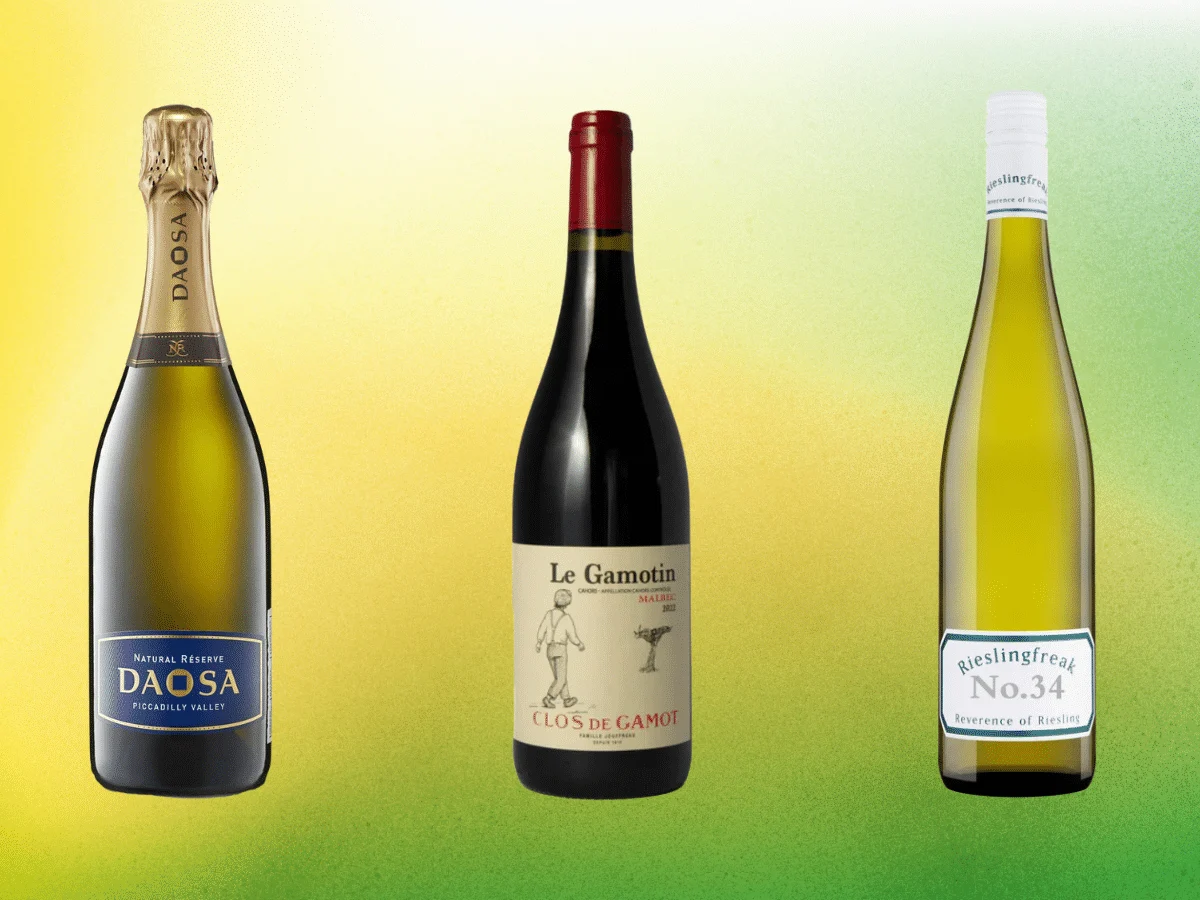
The global wine market is undergoing a significant transition as consumer preferences shift toward "premiumization"—a trend where drinkers opt for higher quality over sheer volume. While the world’s most prestigious labels can command prices in the thousands, a growing segment of the market is dedicated to delivering viticultural excellence at accessible price points. For the modern connoisseur, the challenge lies not in finding an expensive bottle, but in identifying the "value" gems that offer complexity and terroir-driven character for under $100.
To navigate this landscape, industry experts emphasize that price is often a reflection of land value, marketing, and scarcity rather than a linear indicator of liquid quality. Liam Stanwell, Head Sommelier at The Recreation Bistro & Bottleshop in Melbourne’s Fitzroy North, notes that many of the world’s most rewarding drinking experiences currently reside in the $25 to $60 range. This bracket allows winemakers to utilize high-quality fruit and sophisticated aging techniques without the prohibitive overheads associated with "cult" status.
The Economic Context of Modern Wine Value
The rise of high-value, low-cost wine is partly a response to shifting global economic pressures. According to recent industry reports from Wine Intelligence and the International Organisation of Vine and Wine (OIV), younger consumers are increasingly looking for authenticity and regionality rather than brand prestige. This has opened the door for regions like the Barossa Valley, the Adelaide Hills, and Spain’s Bierzo to showcase technical mastery at prices that challenge traditional French and Italian hierarchies.

Furthermore, the "direct-to-consumer" (DTC) model and the rise of specialized independent retailers have allowed smaller producers to bypass traditional distribution markups. This ensures that a larger portion of the consumer’s dollar goes toward the farming and fermentation processes. In the current market, a $50 bottle often represents a "sweet spot" where technical precision meets artisanal soul.
A Chronological and Regional Analysis of Top Value Selections
The following selections, curated through the lens of professional sommelier standards, represent a diverse cross-section of the global wine landscape. They range from crisp Australian whites to structured French reds, each selected for its ability to over-deliver on its price tag.
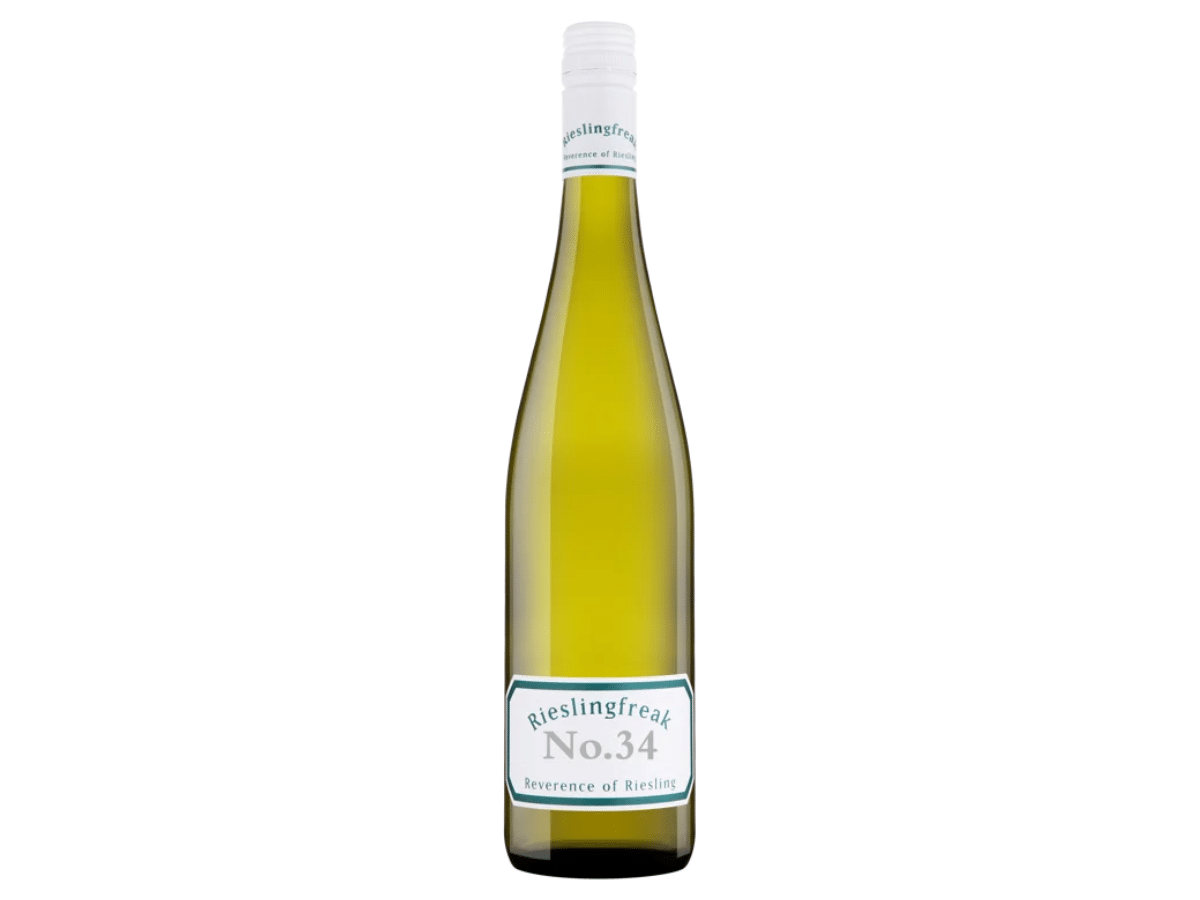
1. Rieslingfreak (Multiple Cuvées), Australia
Rieslingfreak, led by winemaker John Hughes, has revolutionized the perception of Australian Riesling by focusing exclusively on this single variety. By sourcing fruit from both the Clare and Eden Valleys, Hughes produces a range of numbered labels—such as No. 2, No. 34, and No. 10—that cater to different palates.
- The Profile: Characterized by high acidity, citrus-driven aromatics, and a distinct mineral finish.
- The Value: At approximately $24 per bottle, these wines offer the structural integrity of European counterparts at a fraction of the cost.
- Sommelier Insight: Stanwell identifies these as "trustworthy and reliable," noting their ability to pair seamlessly with high-acid foods like Thai cuisine or fresh seafood.
2. David Franz Benjamin’s Promise Shiraz 2018, Barossa Valley
In a region often associated with high-octane, expensive reds, David Franz provides a masterclass in balance and value. The 2018 Benjamin’s Promise Shiraz undergoes 25 months of aging in seasoned French oak hogsheads, a production timeline usually reserved for bottles twice its price.
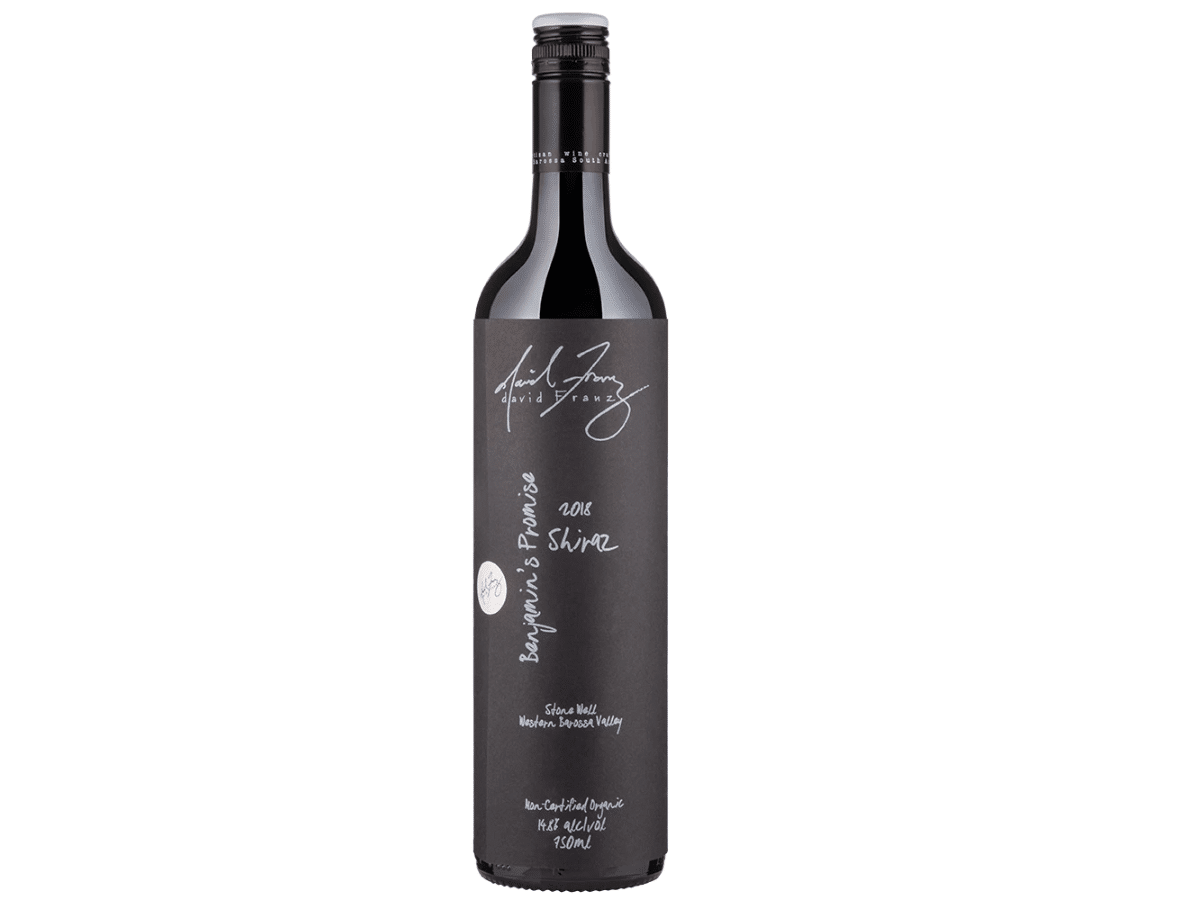
- The Profile: Layers of black cherry, red-strap liquorice, and milk chocolate, underpinned by earth and leather.
- Market Position: Priced at $50, it offers the "complexity and power" of flagship Barossa reds while remaining accessible for weekend drinking.
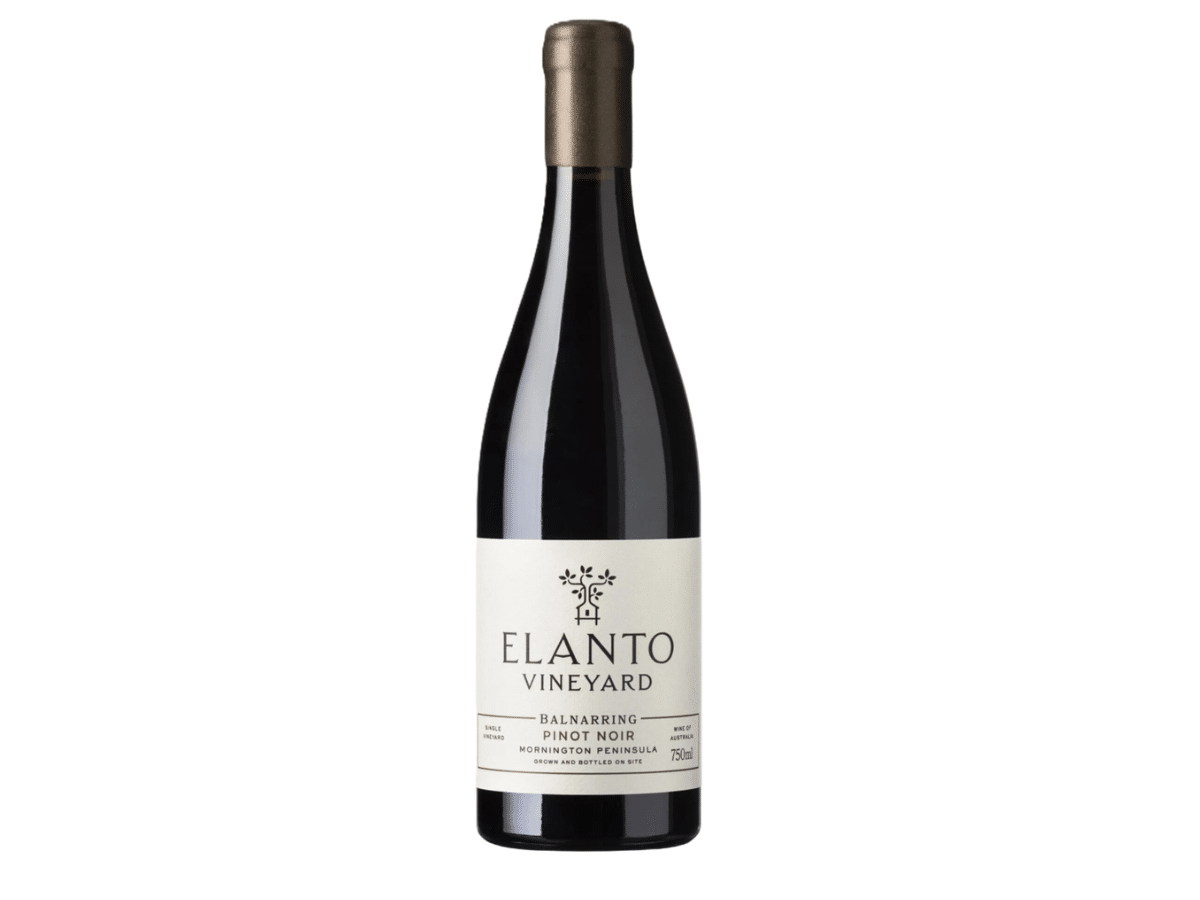
3. Elanto Vineyard Pinot Noir and Chardonnay, Mornington Peninsula
The Mornington Peninsula is one of Australia’s most expensive cool-climate regions. However, new projects like Elanto Vineyard are providing fresh entry points. Utilizing fruit from the 2023 vintage, Elanto focuses on the dual pillars of the region: elegance and acidity.
- The Chardonnay: Matured in a combination of French oak and concrete vats, resulting in notes of citrus blossom and struck flint.
- The Pinot Noir: Fragrant and delicate, offering a "cool-climate lift" that competes with boutique labels from Tasmania or New Zealand.
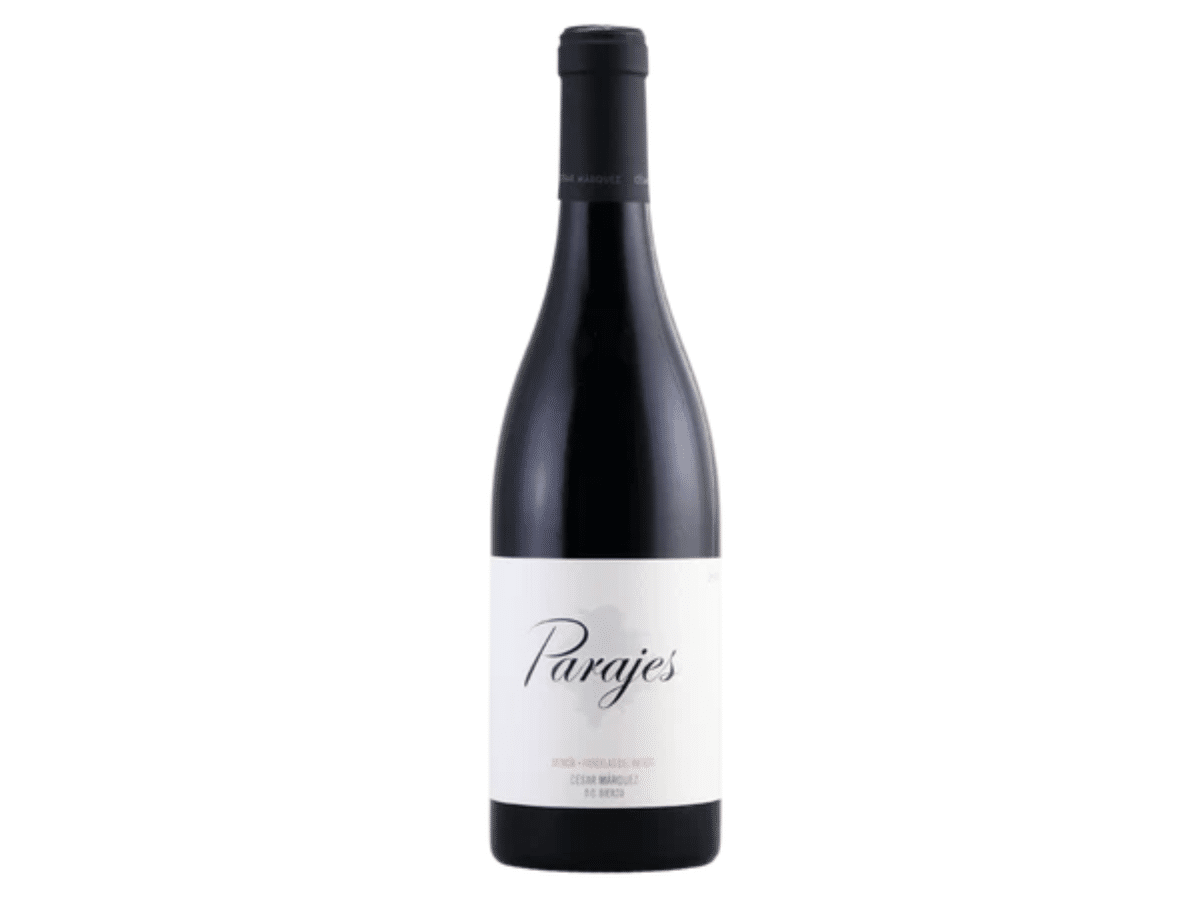
4. César Márquez Pérez ‘Parajes’ Mencía, Bierzo, Spain
Mencía is often described as the "Pinot Noir of Spain" due to its floral aromatics and medium body. César Márquez Pérez is a leading figure in the Bierzo revolution, focusing on old vines and specific village plots.
- The Profile: The 2023 ‘Parajes’ is a blend of Mencía with minor local varieties, yielding a wine that is "delicate and floral with blue fruit."
- The Context: As Spanish wine regions move away from heavy oak toward "finesse-driven" styles, Bierzo has become a primary destination for value hunters seeking complexity.
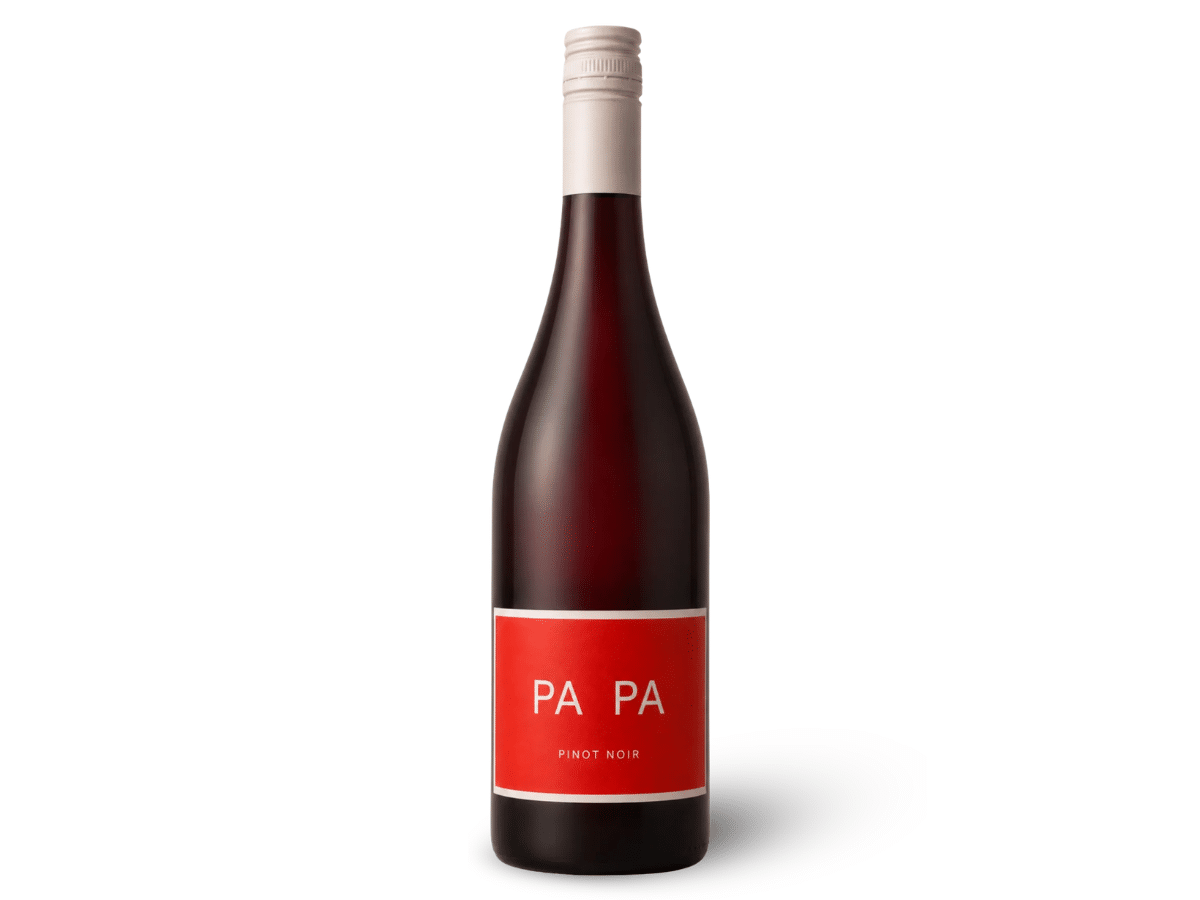
5. Xavier Goodridge ‘Pa Pa’ Pinot Noir, South-West Victoria
Xavier Goodridge represents the "new wave" of Australian winemaking, focusing on minimal intervention and high drinkability. Sourced from Mount Gambier and Heywood, the ‘Pa Pa’ Pinot Noir is designed for immediate consumption.
- The Profile: Translucent ruby in color with notes of cranberry, cherry blossom, and forest floor.
- Utility: Its light tannins and bright acidity make it an ideal candidate for being served slightly chilled, a growing trend in the Australian market.
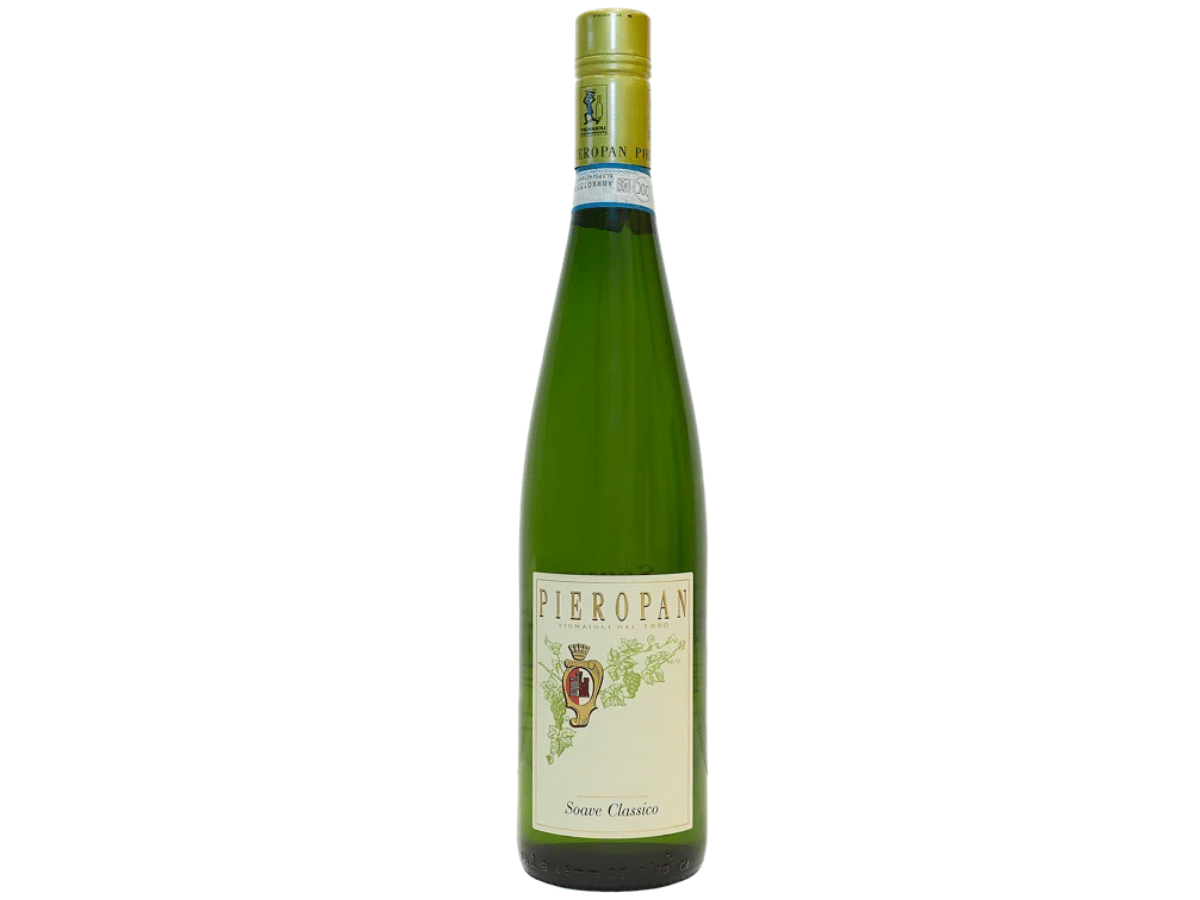
6. Pieropan Soave Classico, Veneto, Italy
Pieropan is widely considered the definitive producer of Soave. While the region suffered from a reputation for mass-produced, bland whites in the late 20th century, Pieropan’s commitment to the Garganega grape has restored its prestige.
- The Profile: Notes of almond, marzipan, and elderflower with a saline finish.
- Market Data: Consistently priced under $50, it remains one of the most reliable white wines in the global retail market.
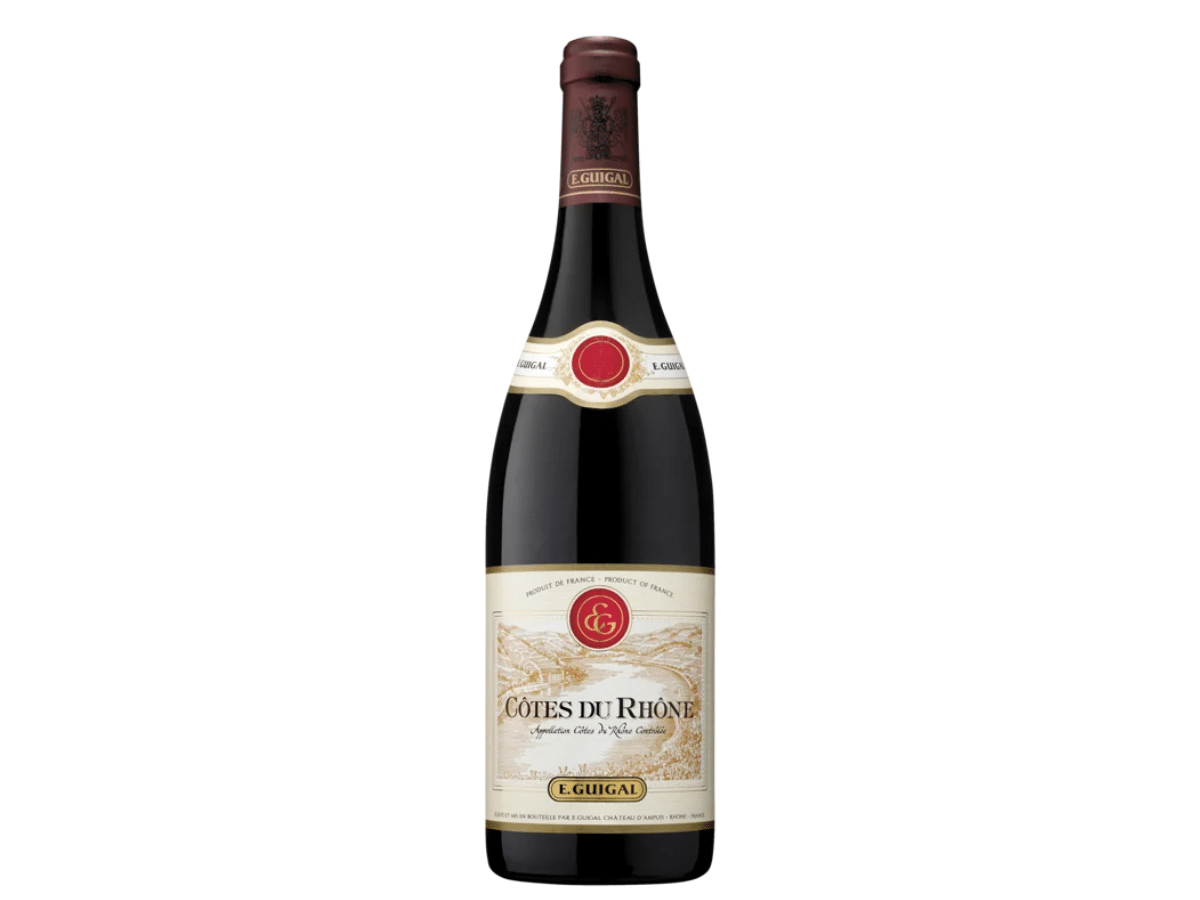
7. E. Guigal Côtes du Rhône Rouge, Rhône Valley, France
Guigal is a titan of the Rhône, and their Côtes du Rhône Rouge is perhaps the most famous "value" red in the world. Its widespread availability makes it a benchmark for consistency.
- The Profile: A Syrah-dominant blend offering dark fruit, peppery spice, and rounded tannins.
- Impact: At $20–$35, it serves as an educational entry point for consumers looking to understand the structure of Southern French blends.
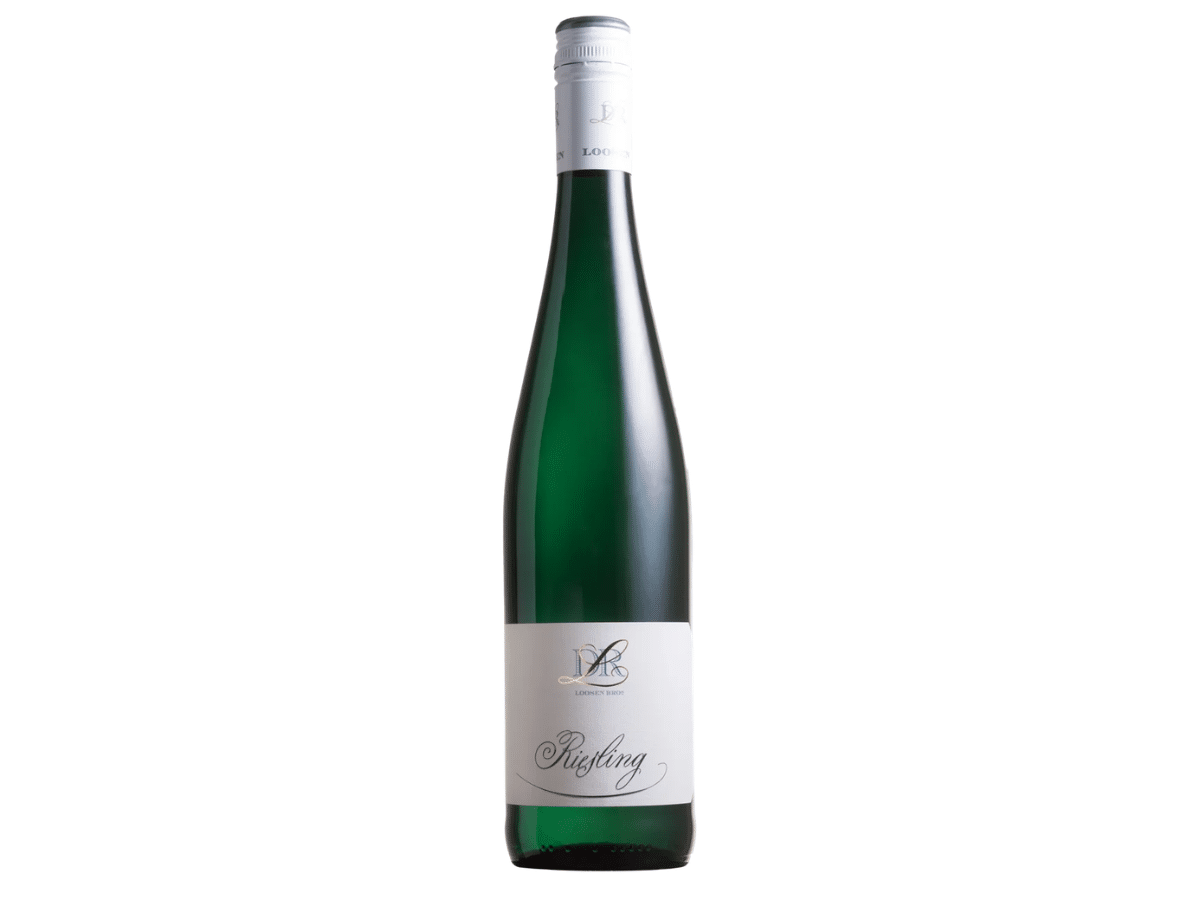
8. Dr Loosen Riesling, Mosel, Germany
Ernst Loosen is a global ambassador for German wine. His entry-level Rieslings provide a perfect introduction to the "sweet-and-sour" balance that defines the Mosel region.
- The Profile: Peach and green apple notes balanced by searing acidity.
- Pairing Logic: The residual sugar makes it a premier choice for spicy Sichuan or Indian dishes, providing a cooling effect that dry wines cannot match.
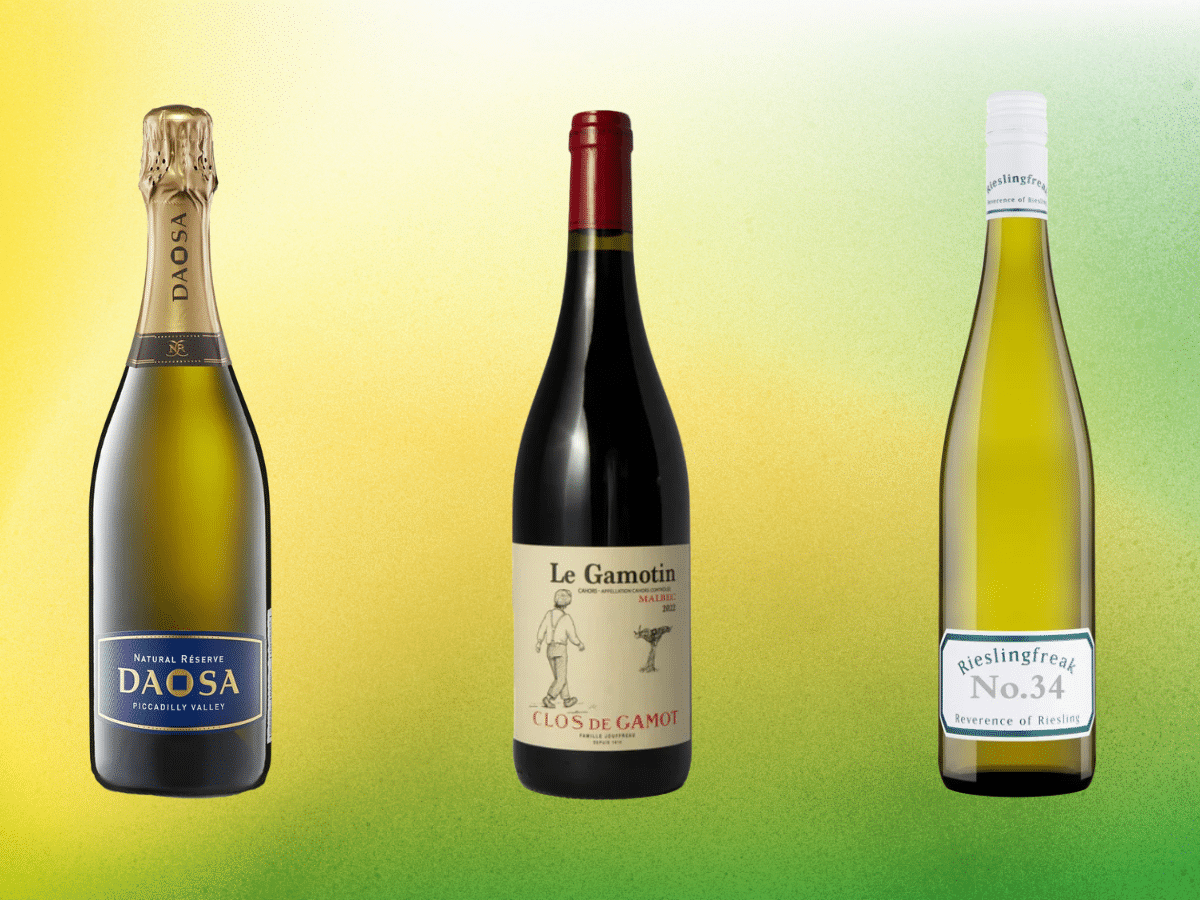
9. Daosa Natural Reserve Sparkling, Adelaide Hills, Australia
For those seeking an alternative to expensive Champagne, Daosa’s Natural Reserve is a standout. Produced using the méthode traditionelle, it utilizes the cool-climate fruit of the Piccadilly Valley.
- The Profile: A blend of Pinot Noir and Chardonnay with biscuit and brioche notes derived from extended lees aging.
- Analysis: Stanwell describes it as "one of Australia’s best, most affordable bottles of sparkling," providing the complexity of French non-vintage houses at a lower price point.
10. Clos de Gamot ‘Gamotin’ Malbec, Cahors, France
While Argentina popularized Malbec, the grape’s ancestral home is Cahors. Clos de Gamot, managed by the Jouffreau family, produces Malbec that is vastly different from the fruit-heavy versions found in Mendoza.
- The Profile: Earthy, vibrant, and structured with "crunchy tannins" and violet aromatics.
- The Historical Context: The estate features vines dating back to the late 19th century, offering a level of viticultural history that is rarely found in the sub-$100 category.
Market Implications and Consumer Trends
The selection of these ten wines highlights a broader shift in the beverage industry. As inflation impacts discretionary spending, the "sommelier-approved" cheap wine list has transitioned from a niche interest to a vital consumer resource. Data suggests that independent bottle shops are seeing increased traffic from consumers who formerly purchased "supermarket brands" but are now seeking more "authentic" experiences for a similar price.
Furthermore, the sustainability movement is playing a role in value. Many of the producers listed above, such as Xavier Goodridge and César Márquez, employ organic or sustainable farming practices. In the past, "green" wines carried a significant price premium; today, they are increasingly integrated into the standard value market.
Broader Impact on the Wine Industry
The success of these high-value labels is forcing larger industrial wineries to reconsider their strategies. When a consumer can purchase a hand-crafted, estate-grown Riesling from Rieslingfreak for $24, the value proposition of a mass-produced, chemically-adjusted commercial wine at $18 begins to diminish.
Sommeliers like Liam Stanwell argue that the democratization of wine knowledge—facilitated by social media and digital retail—is the primary driver of this change. Consumers are no longer reliant on high price tags to signal quality; instead, they are looking to regional experts and sommeliers to curate "smart" cellars.
The final takeaway for the modern drinker is one of optimism. The current market demonstrates that viticultural excellence is not a luxury reserved for the elite. By looking toward emerging regions, heritage producers in undervalued areas, and the "second labels" of great winemakers, enthusiasts can enjoy world-class wine without financial strain. As the industry continues to evolve, the definition of "great wine" is increasingly becoming synonymous with "great value."




 Eva Lovia
 Nana Wu
 Amara Maple
 Joko Widodo
 admin
admin
 Nila Kartika Wati