
 Eva Lovia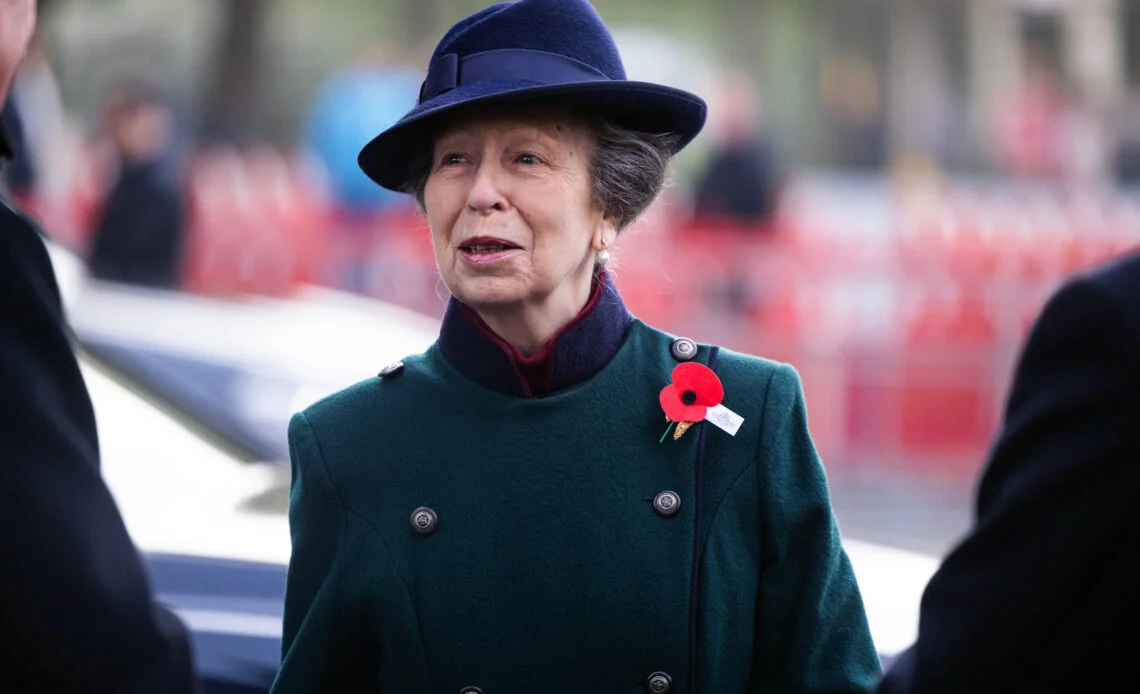
The ascension of King Haakon VIII to the Norwegian throne following the passing of his father, King Harald V, marks a significant moment for the Scandinavian monarchy. However, for Princess Anne, the Princess Royal of the United Kingdom, this transition carries a deeply personal resonance, stemming from her long-standing role as one of King Haakon VIII’s godparents. This unique connection underscores the enduring bonds of friendship and kinship that have historically linked the British and Norwegian royal families.
Princess Anne’s godmotherhood to the new Norwegian monarch is a testament to the close personal relationships that have often characterized interactions between European royal houses. She was invited to stand as a godmother alongside other distinguished members of European royalty, including Princess Astrid of Norway, the paternal aunt of the new King, and Queen Margrethe II of Denmark. The selection of such prominent figures for the role of godparent reflects not only the high esteem in which they were held but also the strategic importance of these familial ties in fostering diplomatic and cultural connections between nations.
The christening of Crown Prince Haakon, as he was then, took place on September 20, 1973, shortly after his birth. At that time, his position in the line of succession was second, behind his father, Harald, who was then Crown Prince. The ceremony was held in the historic Chapel of the Royal Palace in Oslo, a setting steeped in centuries of Norwegian royal tradition. The roster of godparents assembled for the young prince was notably impressive, featuring not only European royalty but also individuals who would go on to play significant roles in their respective countries.
Among the godparents were King Olav V of Norway, the grandfather of the new King, and King Carl XVI Gustaf of Sweden, who had recently ascended to the Swedish throne himself. Prince Carl Bernadotte also served as a godfather, further illustrating the extensive network of royal and noble connections involved in the christening. This assembly of international royal figures underscored the importance of the Norwegian monarchy and its place within the broader European royal family.
While Princess Anne held a special place as a godmother, her attendance at the actual christening ceremony was unfortunately not possible. The Princess Royal was scheduled to marry Captain Mark Phillips a few months later, a significant personal event that necessitated her absence from Oslo. Despite this, her commitment to her godson remained steadfast. She did, however, attend Crown Prince Haakon’s confirmation at a later date, a gesture that underscored her ongoing connection and support for him. The naming of the new monarch, Haakon Magnus, further highlights these intergenerational ties. He was named Haakon in honor of his great-grandfather, King Haakon VII, who reigned over Norway from 1905 to 1957, and Magnus, a name associated with a prominent Norwegian saint, reflecting a deep respect for Norwegian history and heritage.
Historical Roots of Royal Interconnections
The profound and multifaceted relationship between the British and Norwegian royal families is rooted in a shared history that predates the current monarchs. A pivotal figure in this narrative is King Haakon VII, the first King of Norway in modern times. He was originally Prince Carl of Denmark and was known to his relatives as “Uncle Charlie.” His marriage to Maud, the youngest daughter of King Edward VII of the United Kingdom, solidified a crucial link between the two royal houses. Their only child, the future King Olav V, was born in England. This was a strategic decision, as Prince Carl did not become King of Norway until 1905, following Norway’s secession from Sweden. The offer of the throne was contingent on the will of the Norwegian people, which was confirmed through a referendum. This foundational connection between the Danish-born King Haakon VII and the British royal family laid the groundwork for decades of close ties.
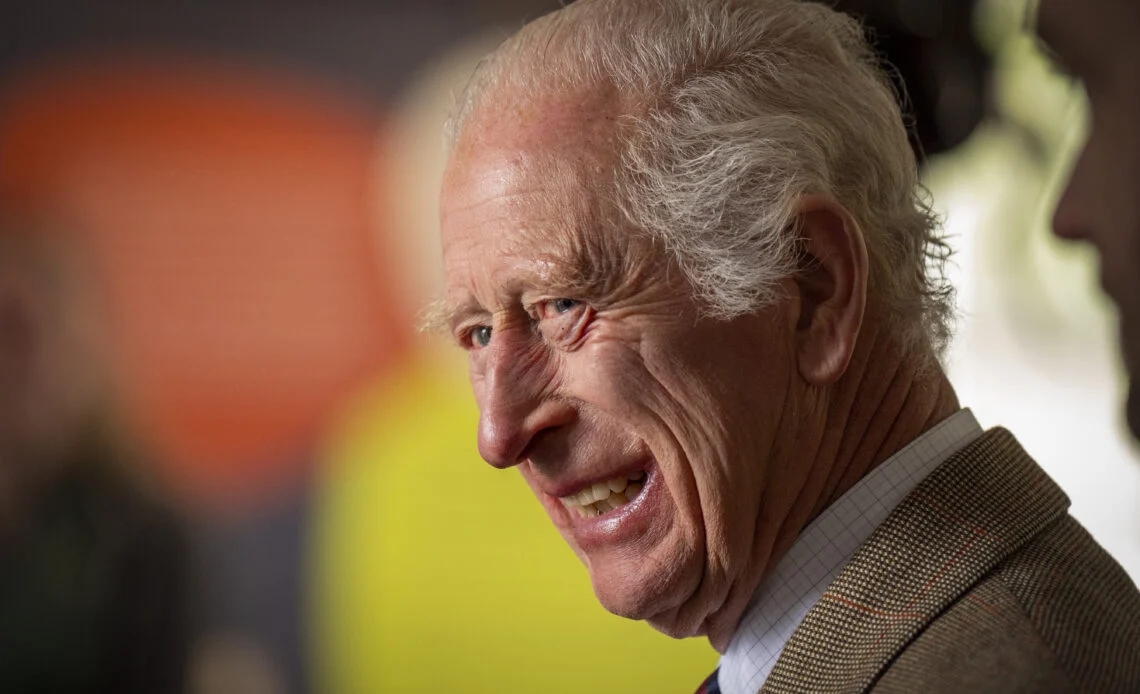
This historical affinity was notably recognized by Queen Elizabeth II, who shared a deep affection for her Norwegian relatives, particularly King Haakon VII. Her naming of her firstborn son, the current King Charles III, after him serves as a powerful testament to this enduring familial bond and respect. This act of naming signifies more than just a personal preference; it reflects a conscious acknowledgment of shared lineage and historical significance. The fact that both King Charles III and the newly crowned King Haakon VIII bear namesakes of such historical royal reigns further emphasizes the continuity and interwoven nature of these monarchies.
The Passing of King Harald V and the Ascension of Haakon VIII
The recent passing of King Harald V of Norway on August 28, 2024, marked the end of a significant reign and ushered in a new era for the nation. King Harald V, a beloved and respected monarch, was known for his unwavering dedication to his country and his commitment to his constitutional duties. His reign, which spanned over three decades, was characterized by his efforts to modernize the monarchy while maintaining its traditional values and his strong connection with the Norwegian people.
King Charles III expressed his profound sorrow and sent a heartfelt message following the death of King Harald V, praising his dedication to duty and service. The deep personal relationship between King Charles and King Harald was widely understood, and King Charles is reported to be deeply affected by this loss. This sentiment highlights the personal friendships that can exist alongside the formal diplomatic relations between heads of state.
Hours after the dawn broke on August 28, signaling the end of King Harald V’s life, King Haakon VIII, accompanied by his daughter, the now Crown Princess Ingrid Alexandra, traveled to the Royal Palace of Oslo. There, in a solemn and constitutional act, he met with the Council of State, including Prime Minister Jonas Gahr Store. During this meeting, he formally declared that King Harald had died and that he had assumed the throne, taking the regnal name King Haakon VIII. This procedural act is crucial in ensuring a seamless transition of power and maintaining the constitutional framework of the Norwegian monarchy.
Norway has now entered a period of national mourning for King Harald V, a solemn time for reflection and remembrance of his contributions to the nation. The duration and specific protocols of this mourning period are determined by the Norwegian government and reflect the collective grief and respect for the departed monarch.
Analysis of Implications and Future Outlook
The accession of King Haakon VIII, with Princess Anne as his godmother, signifies not only a new chapter for Norway but also a continuation of the close inter-European royal relationships. In an era where monarchies often face scrutiny regarding their relevance, these personal ties and historical connections can serve as a valuable asset, fostering a sense of continuity and shared heritage.
For Princess Anne, this moment is likely one of profound personal reflection. Her role as godmother places her in a unique position to witness and potentially support the new King as he embarks on his reign. The depth of her involvement, even if primarily ceremonial, underscores the enduring personal relationships that can exist within the complex tapestry of international royal families.
The Norwegian monarchy, like many others, operates within a constitutional framework where the monarch’s role is largely symbolic and representative. King Haakon VIII will be expected to uphold the traditions of his predecessors, serve as a unifying figure for the nation, and represent Norway on the international stage. The presence of his daughter, Crown Princess Ingrid Alexandra, as heir presumptive, ensures a clear line of succession and offers continuity for the future of the Norwegian monarchy.
The close ties between the British and Norwegian royal families, rooted in historical alliances and personal relationships, are likely to remain a significant element in their diplomatic and cultural exchanges. As King Haakon VIII navigates his new responsibilities, these enduring connections, exemplified by Princess Anne’s godmotherhood, offer a foundation of mutual understanding and support. The continuation of these relationships underscores the adaptability and enduring appeal of monarchical institutions in the modern world, where personal bonds can reinforce broader national and international connections. The legacy of King Harald V will undoubtedly be a guiding force for his successor, and the historical lineage, stretching back to King Haakon VII and intertwined with the British crown, provides a rich context for the reign of King Haakon VIII.



 Nana Wu
 Amara Maple
 Joko Widodo
 admin
admin
 Nila Kartika Wati