
 Yuyun Lusiyani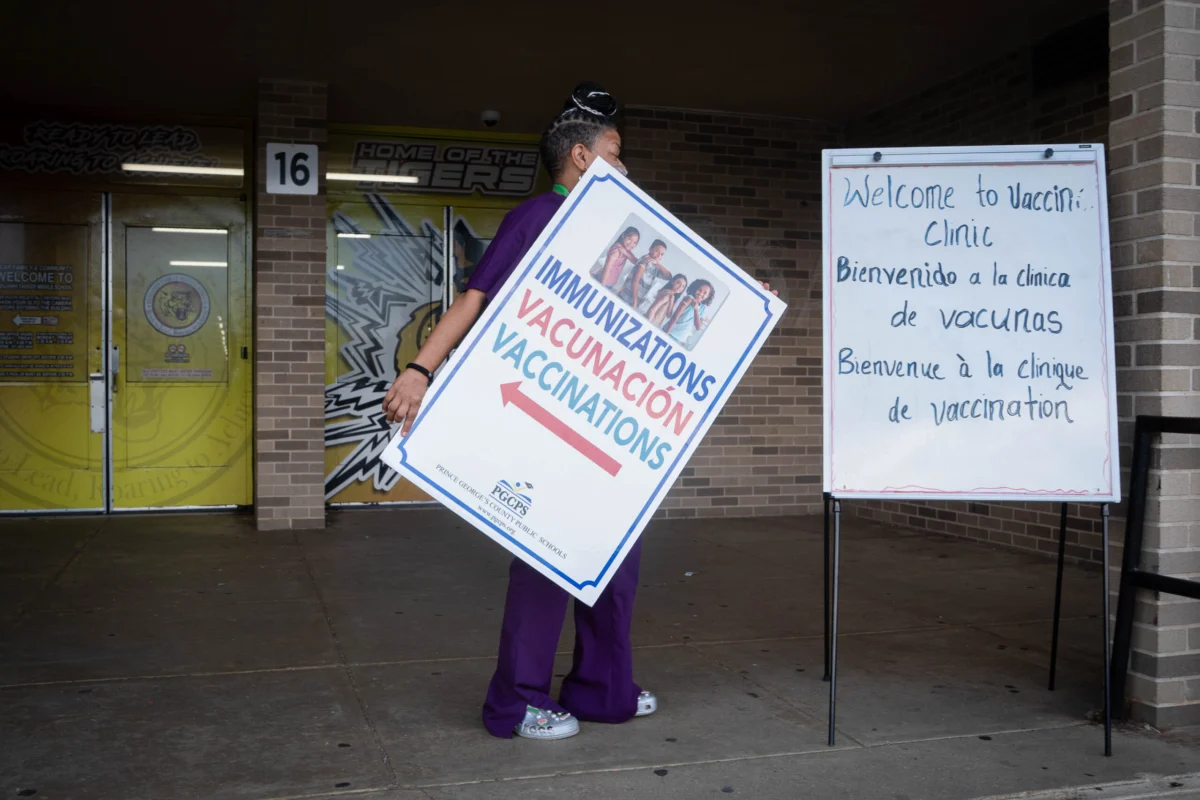
The United States has recently crossed a disturbing public health threshold, reporting more measles cases to the Centers for Disease Control and Prevention (CDC) by July 23 than in any year since 1991. This grim milestone was reached in less than seven months, surpassing the previous three-decade high recorded just last year. This rapid escalation signals a concerning erosion of the nation’s collective immunity, raising alarms among public health officials and medical professionals who once considered measles a disease of the past.
The Alarming Resurgence: Numbers and Historical Context
Measles, a highly contagious and potentially deadly disease, is readily preventable through vaccination. Despite the widespread availability of shots, often at no cost, the U.S. has seen over 4,850 infections and three fatalities since the beginning of last year. Among the deceased were two unvaccinated girls in West Texas, whose tragic deaths garnered national attention, underscoring the severe consequences of declining immunization rates. The current surge represents not merely an increase but a dramatic reversal of decades of progress. The U.S. officially declared measles eliminated in 2000, a monumental achievement attributed to robust vaccination programs. The disease’s return to such significant numbers threatens to undo this public health triumph, pushing the nation back to a perilous state reminiscent of the pre-vaccine era. Prior to the introduction of the measles vaccine in 1963, the U.S. experienced millions of cases annually, leading to tens of thousands of hospitalizations and hundreds of deaths. The current figures, while not yet at pre-vaccine levels, demonstrate a dangerous trajectory that, if unchecked, could lead to widespread morbidity and mortality.
A Preventable Tragedy: Understanding Measles and its Vaccine
Measles is caused by a virus in the paramyxovirus family and is characterized by a distinctive rash, fever, cough, runny nose, and conjunctivitis. Its infectivity is legendary; one infected person can transmit the virus to 9 out of 10 susceptible close contacts, making it one of the most contagious diseases known. The virus can remain airborne for up to two hours after an infected person has left a room, further highlighting its ease of transmission. Complications can be severe, ranging from ear infections and diarrhea to pneumonia, encephalitis (brain swelling), and even subacute sclerosing panencephalitis (SSPE), a rare but fatal degenerative neurological disease that can develop years after initial infection.
The measles, mumps, and rubella (MMR) vaccine offers highly effective protection. Two doses of the MMR vaccine are approximately 97% effective at preventing measles, while one dose is about 93% effective. This high efficacy, coupled with widespread immunization, established herd immunity, protecting not only vaccinated individuals but also those too young to be vaccinated or with compromised immune systems. The current rise in cases is a direct indicator that herd immunity thresholds are falling in various communities, leaving vulnerable populations exposed.
Echoes from the Past: The Return of Forgotten Plagues
The continuous stream of measles cases is not an isolated phenomenon to be dismissed lightly. As highlighted in a report earlier this year, a look at parts of the world that have relaxed their vigilance against vaccine-preventable diseases reveals a chilling preview of what could happen in the U.S. Long-forgotten scourges have roared back in these regions, exacting a horrific toll, killing and disabling children. Even seemingly subtle alterations to immunization policies have led to disastrous long-term consequences.
The return of these diseases brings with it profound human suffering. Doctors have recounted harrowing experiences of babies born blind, deaf, and with intellectual disabilities because their mothers contracted rubella in the early stages of pregnancy. Parents have witnessed firsthand why diphtheria, a bacterial infection that forms a thick coating in the nose and throat, was once chillingly known as "the strangling angel of children." Medical professionals have expressed their frustration and despair, acknowledging that modern medicine, despite its advancements, is often powerless to undo the irreversible damage inflicted by these ancient illnesses, such as paralysis from polio. The stark reality is that diseases once confined to history textbooks are now reappearing in hospital wards, forcing doctors to confront afflictions they never expected to see in actual patients. As one German doctor, whose hospital treated an unvaccinated boy who tragically died of diphtheria, lamented, "It was taught as history." In the U.S., measles, too, was once a historical footnote. Now, it is a current crisis.
Shifting Tides: Government Policy and Vaccine Hesitancy
The current resurgence is inextricably linked to a profound shift in government messaging and policy regarding vaccines. For decades, the U.S. government, with bipartisan support, championed the life-saving benefits of vaccination, building robust programs that shielded children from deadly and disabling diseases. Federal and state health leaders meticulously strengthened these policies, learning critical lessons from past measles outbreaks, understanding that measles, being among the most contagious diseases in history, is often the first vaccine-preventable disease to re-emerge when immunization rates decline.
However, recent years have seen a marked departure from this long-standing commitment. Robert F. Kennedy Jr., currently serving as the nation’s top health official, and former President Donald Trump have been instrumental in transforming a government that once unequivocally promoted vaccines into one that actively sows doubts about their safety. This shift culminated in an executive order issued by the president last week, ostensibly aimed at "delivering gold-standard childhood vaccine recommendations for Americans," but which critics argue is likely to further fuel vaccine hesitancy. This order, coupled with the administration’s broader rhetoric, casts a shadow over the MMR vaccine, which has protected children from measles, mumps, and rubella for decades, despite extensive scientific evidence affirming its safety and efficacy. Trump’s past false claims regarding the MMR vaccine have been widely fact-checked and debunked, yet continue to resonate within certain segments of the population.
The Erosion of Trust: The CDC Under Scrutiny

The weakening of public trust in health institutions, exacerbated during the COVID-19 pandemic, has played a critical role in the current crisis. A 2020 investigation titled "Inside the Fall of the CDC" detailed how the world’s foremost public health organization was severely compromised by the pandemic, political pressures, and internal capitulation. This period sowed widespread resentment and distrust in public health guidance, a sentiment that figures like RFK Jr. have effectively leveraged.
Further complicating matters, a March 2025 report revealed that CDC leaders, early in the second Trump administration, ordered staff to withhold an expert assessment. This assessment had concluded that the risk of catching measles was high in areas near outbreaks where vaccination rates were lagging. The aborted plan would have emphasized the critical need for vaccination against a disease that, at the time, had infected fewer than 500 people across 19 states. The CDC’s official explanation was that the assessment "does not say anything that the public doesn’t already know," while simultaneously affirming its continued recommendation of vaccines as "the best way to protect against measles." Critics argued this move undermined transparency and potentially downplayed the growing threat.
The Fragile Supply Chain: Threats to Vaccine Access
Beyond eroding public confidence, the current administration’s actions pose a tangible threat to the very availability of vaccines. Since last year, Robert F. Kennedy Jr. has been considering significant changes to an obscure yet crucial government program: the National Vaccine Injury Compensation Program (VICP). This program, established in 1986, offers compensation to individuals who suffer rare, serious side effects from vaccines without requiring them to prove manufacturer negligence. Its creation was pivotal in preventing vaccine makers from abandoning the U.S. market after a wave of lawsuits in the 1970s and 80s threatened their viability.
Experts warn that dramatic overhauls to the VICP could destabilize the market, prompting the few companies that currently produce vaccines for American children to withdraw. If this were to occur, even parents who are eager to vaccinate their children might find themselves unable to access essential immunizations. An HHS spokesperson stated that the agency has not limited access to vaccines and that Secretary Kennedy believes "trust is rebuilt through an open review of safety data, the willingness to ask the hard questions, and ensuring the American people have all emerging information as soon as we know it." However, critics contend that Kennedy’s proposed changes, coupled with his history of questioning vaccine safety, could inadvertently create an environment where vaccine manufacturing becomes economically unfeasible for pharmaceutical companies in the U.S. This would leave the nation vulnerable to critical shortages, potentially leading to a public health catastrophe.
Forecasting Disaster: Epidemiological Warnings
The potential for such a crisis is not merely speculative. In March 2026, two Stanford epidemiologists developed a chilling model, visualized by ProPublica, depicting the human cost if vaccines for polio, measles, rubella, or diphtheria were no longer available. The model projected a devastating scenario over 25 years, with millions of preventable deaths and disabilities. ProPublica shared these dire findings with HHS, to which an agency spokesperson responded by reiterating that "HHS has not limited access or insurance coverage to any FDA-approved vaccines" and routinely recommends childhood shots, without directly addressing the modeling results. These projections serve as a stark warning of the profound societal impact should the nation’s vaccine infrastructure crumble.
The Endemic Threat: A Shift in Status
The escalating number of measles cases has led a team at the CDC to investigate whether the disease has once again become endemic in the United States. Endemic status would signify that the virus is continuously circulating within the population, rather than being limited to imported cases. A June 2026 analysis of the genetic code of measles cases across the country revealed patterns that make it increasingly challenging for health officials to definitively prove that measles is not endemic. While a CDC spokesperson maintained that genetic sequences "alone cannot determine whether" measles is endemic, the evidence points to a worrisome trend. The loss of measles elimination status would represent a profound setback for American public health, signaling a failure to maintain the protective barriers that once shielded the population.
Expert Voices: A Sense of Foreboding
The current trajectory has instilled a deep sense of foreboding among veteran public health officials. Dr. Melinda Wharton, who retired in September after more than three decades leading CDC immunization programs, articulated this concern: "I think there always was a worst-case scenario. I don’t think I imagined it could or would be this bad." Dozens of individuals who have dedicated their careers to U.S. government vaccination programs, both domestically and internationally, share this apprehension. They fear that American children will increasingly find themselves battling life-threatening infections that have long been considered conquered, forcing a generation of doctors to confront diseases they only knew from textbooks.
Looking Ahead: The Path to Rebuilding Protection
The resurgence of measles in the U.S. is a multifaceted crisis rooted in declining vaccination rates, fueled by misinformation, and exacerbated by shifts in government policy. The virus, like a bright dye revealing leaks in a plumbing system, is exposing critical cracks in the nation’s once-robust public health defenses, leaving communities vulnerable to a host of other deadly contagions. Reversing this dangerous trend will require a concerted effort to rebuild trust in public health institutions, counter vaccine misinformation with accurate scientific information, and safeguard the programs that ensure vaccine access and affordability. The implications extend beyond individual health, threatening economic stability, straining healthcare systems, and potentially undermining the U.S.’s standing as a leader in global health. The lessons from history and the warnings from epidemiologists are clear: the cost of complacency in the face of preventable diseases is unacceptably high. The time for decisive action to protect the nation’s health is now.

 admin
admin
 Nila Kartika Wati
 Lina Irawan
 Pevita Pearce