
 Joko Widodo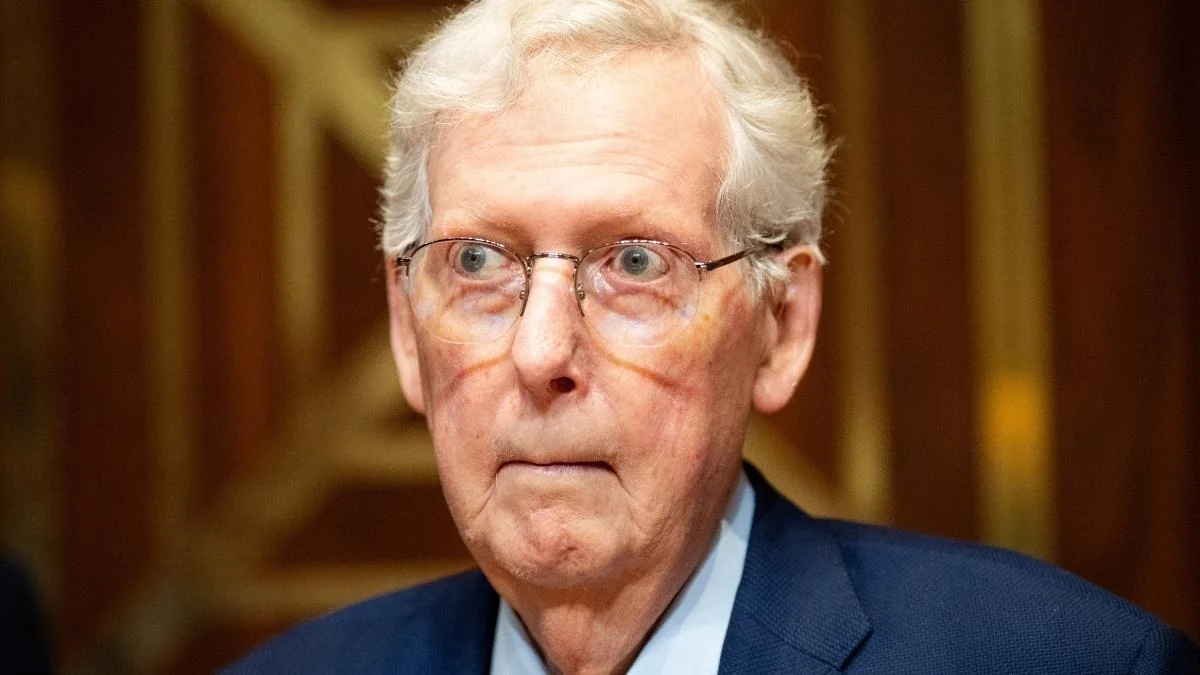
The Senate is abuzz with anticipation and underlying concern as reports suggest that Senate Minority Leader Mitch McConnell may soon resume his duties on Capitol Hill. After an extended absence of several months, a prominent Republican from McConnell’s home state, Representative James Comer, has indicated that the former Senate Republican leader’s staff is targeting his return for when lawmakers reconvene. This potential comeback, if it materializes, could mark a significant turning point in the ongoing narrative surrounding McConnell’s health and his continued capacity to serve in one of the most powerful legislative roles in the United States. The duration of his absence has amplified public and political scrutiny, raising questions about leadership continuity and the underlying health of senior lawmakers.
Comer’s Insight: A Glimpse into Staff Aspirations
Representative James Comer, a fellow Kentucky Republican, shared insights on September 3rd, stating he had engaged in discussions with members of Senator McConnell’s staff. While he clarified that these conversations were not directly with the Senator himself, Comer conveyed the staff’s expressed aspiration for McConnell to be present when the Senate resumes its legislative session. "They have all said it’s their goal for Sen. McConnell to be here when the Senate comes in," Comer reported to the press, as cited by The Hill. The Senate is presently scheduled to emerge from its five-week recess on September 14th. However, McConnell’s office has maintained a cautious stance, issuing a statement to The Hill that there are "no scheduling announcements at this time," leaving the precise date of his return unconfirmed and subject to ongoing developments.
A Timeline of Absence and Recovery
The absence of the 84-year-old Senator McConnell from the Senate floor has been conspicuous since June 14th. His hiatus began following an incident at his Washington, D.C. residence, where a fall resulted in his hospitalization. During his initial treatment, McConnell reportedly developed pneumonia, necessitating a subsequent transfer to a rehabilitation facility. He was ultimately discharged from this facility on August 6th, transitioning to recovery at his home, where he has been undergoing intensive physical therapy. This extended period away has meant that McConnell has not cast a vote in the Senate since June 11th, underscoring the depth of his absence from the chamber’s active proceedings.
Growing Pressure for Transparency and Accountability
The prolonged silence from Senator McConnell has inevitably amplified pressure from across the political spectrum. In July, Kentucky Governor Andy Beshear, a Democrat, publicly urged McConnell to directly address the people of Kentucky regarding his health status. Beshear called for a clear demonstration of his continued capability to serve or, alternatively, for his resignation. This sentiment was echoed by some within the Republican party as well. Senator Josh Hawley of Missouri, in a notable interview with Fox News, articulated that McConnell has an "obligation" to provide clarity to his constituents and the nation concerning his health and his ability to continue in his leadership position. These calls for transparency highlight a growing concern about the implications of prolonged absences by senior elected officials, particularly those in positions of significant influence and responsibility.
McConnell’s Own Words: A Cautious Update
On August 6th, the same day he was released from the rehabilitation facility, Senator McConnell issued a personal update regarding his health. He and his wife, Elaine, expressed gratitude for the "well wishes and support" extended by friends, colleagues, and citizens across Kentucky. At that time, McConnell indicated that his recovery would continue at home, while simultaneously assuring his continued engagement with Senate business through the diligent efforts of his staff and legislative colleagues. This statement aimed to reassure stakeholders of his ongoing commitment, even as he navigated his convalescence.
Background of McConnell’s Tenure and Leadership
Mitch McConnell, a towering figure in Republican politics, has served as a U.S. Senator for Kentucky since 1985, making him the longest-serving Senate Republican leader in history. His tenure as Senate Majority Leader (2015-2021) and Minority Leader has been characterized by a strategic and often unyielding approach to legislative battles, earning him the moniker "The Great Obstructionist" from some critics and "The Grim Reaper" from his supporters for his role in blocking Democratic initiatives. His leadership style has been instrumental in shaping judicial appointments, including three Supreme Court justices nominated under President Donald Trump, and in advancing key Republican policy objectives. His influence extends beyond legislative tactics to fundraising and party strategy, making his absence a significant void in Republican leadership.
Health Concerns in High Office: A Broader Context
Senator McConnell’s situation is not an isolated incident but rather reflects a growing conversation about the health and longevity of elected officials in Washington. In recent years, concerns have been raised about the well-being of several high-profile lawmakers, prompting discussions about age, physical capacity, and the demanding nature of public service. For instance, the late Justice Ruth Bader Ginsburg served on the Supreme Court well into her 80s, with her health struggles becoming a focal point of national attention. Similarly, other veteran lawmakers have faced scrutiny regarding their ability to maintain the rigorous schedule required by congressional duties. This ongoing dialogue underscores the public’s interest in ensuring that those in power are physically and mentally capable of fulfilling their responsibilities effectively. The average age of U.S. Senators has been steadily increasing, and the demands of legislative work, including extensive travel and late-night sessions, can take a significant toll. Data from the Congressional Research Service has consistently shown a trend towards an aging legislative body, raising questions about succession planning and the long-term implications for governance.
Potential Implications of McConnell’s Return
The potential return of Mitch McConnell to the Senate floor carries significant implications for the Republican party and the broader legislative landscape. As the party’s most senior and strategic leader in the Senate, his presence is crucial for unifying the caucus, directing legislative strategy, and engaging in critical negotiations with the Democratic majority. His absence has been felt in various policy debates and in the party’s ability to present a cohesive front.
For the Republican Party: McConnell’s return could re-energize the Republican caucus and restore a degree of stability and strategic direction. His experienced hand in negotiation and his deep understanding of Senate rules and procedures are invaluable assets. His leadership is particularly important as the Senate navigates contentious issues such as appropriations, potential government shutdowns, and the upcoming presidential election cycle. His ability to rally votes and strategize effectively could bolster the party’s efforts to achieve its legislative goals and challenge the Biden administration’s agenda.
For Senate Dynamics: The Senate operates on a delicate balance of power, and McConnell’s return would shift this balance. His leadership has historically been a formidable force in shaping the Senate’s agenda and outcomes. His engagement could lead to more robust debate, potentially increased bipartisanship on certain issues, or, conversely, a more entrenched partisan divide, depending on the political climate and the specific legislative battles. His strategic acumen has often been credited with helping Republicans achieve key objectives, and his absence has undoubtedly altered the dynamics of leadership discussions and decision-making within the caucus.
For the Public and Constituents: The prolonged absence and the attendant speculation have naturally raised questions among McConnell’s constituents in Kentucky and the wider American public. His return, accompanied by a clear indication of his continued ability to serve, would likely provide reassurance to many. Conversely, any perceived struggle or continued ambiguity could prolong concerns and fuel further debate about the fitness of senior officials for office. The transparency surrounding his health and his capacity to perform his duties remains a central point of interest for those he represents.
Future Outlook and Unanswered Questions
While the prospect of Senator McConnell’s return to Capitol Hill offers a potential shift in the current political narrative, several key questions remain unanswered. The exact nature of his recovery and his stamina for the demanding role of Senate Minority Leader will be closely observed. Furthermore, the broader conversation about age and health in leadership positions within government is likely to persist. As the Senate prepares to reconvene, all eyes will be on the Republican leader, waiting to see if he will indeed be present and what impact his return will have on the ongoing work of the United States Senate. The coming weeks will be critical in shaping the public’s perception of Senator McConnell’s capacity to lead and in determining the future trajectory of his distinguished career in public service.
Originally reported by Rishabh Shandilya on Mandatory.




 admin
admin
 Nila Kartika Wati
 Jia Lissa
 Yuyun Lusiyani
 Pevita Pearce