
 Amara Maple
This upcoming symposium, building on a prior gathering, underscores a persistent effort by a segment of legal scholars and public advocates to address what they perceive as fundamental threats to the U.S. constitutional order stemming from actions taken during Donald Trump’s presidency. The event is slated to take place at the Senate Visitors Center, Room 201-00, providing a prominent setting for a discussion of profound national significance. Organizers emphasize the critical nature of these deliberations, not merely as retrospective critique but as forward-looking discussions on presidential power, accountability, and the rule of law, particularly in anticipation of future political landscapes.
Contextualizing the Call for Accountability
Ralph Nader, a venerable figure in American consumer advocacy and political activism, and Bruce Fein, a distinguished constitutional lawyer and former Associate Deputy Attorney General, have been vocal proponents of robust presidential accountability. Their collaboration on these symposia signals a concerted effort to galvanize public and political will around the concept of impeachment and removal, even years after Trump’s departure from office, and potentially in the context of his potential return to political power. The use of the term "watershed" suggests their belief that these events mark a crucial turning point in the national dialogue on executive conduct.
The rationale for holding such a symposium in 2026, years after the conclusion of Trump’s first term and following two prior impeachments by the House of Representatives, speaks to a deeply held conviction among organizers and participants that the constitutional and legal ramifications of his actions remain unresolved. The previous impeachment proceedings against President Trump, one in 2019 concerning his dealings with Ukraine and the other in 2021 related to the January 6th Capitol riot, both resulted in acquittals by the Senate. Despite these outcomes, critics argue that the underlying issues of presidential conduct, abuse of power, and challenges to democratic norms persist and demand further examination and potential future action. This ongoing concern is the bedrock upon which Nader and Fein are constructing this series of educational and strategic convenings.
Key Allegations and Constitutional Framework
The symposium’s agenda is expansive, listing a formidable array of alleged offenses and abuses of power attributed to President Trump. These include:
- Criminal Wars of Aggression: This likely refers to foreign policy decisions and military actions initiated without explicit congressional authorization, raising questions about the executive branch’s war powers and adherence to international law. Historically, presidents have faced scrutiny over military interventions from Vietnam to Iraq for their constitutional basis.
- Murder, Piracy, Kidnapping: These grave accusations, if substantiated, would point to highly extreme instances of executive overreach or complicity in international law violations. Such claims typically necessitate rigorous legal scrutiny and robust evidence.
- Bribery, Extortion, Auctioning Off Pardons: These allegations strike at the heart of public corruption and the integrity of the justice system. Controversies surrounding presidential pardons during Trump’s tenure, particularly those granted to political allies or individuals who did not express remorse, fueled accusations of pardons being transactional rather than based on merit or justice. Bribery and extortion charges would imply a direct quid pro quo for official actions or favors.
- Refusing to Faithfully Execute the Laws: This refers to the constitutional duty of the president to "take Care that the Laws be faithfully executed." Critics have argued that the Trump administration selectively enforced or ignored laws, particularly those pertaining to environmental protection, immigration, and civil rights.
- Abusing Prosecutorial Discretion: Accusations center on the alleged use of the Department of Justice to reward political friends or donors and to harass political opponents. This includes controversies surrounding investigations, appointments, and interventions in legal proceedings perceived as politically motivated.
- Employing Government Power to Punish or Silence Critics: This encompasses allegations of using federal agencies or the presidential platform to retaliate against journalists, whistleblowers, or political adversaries, potentially infringing upon First Amendment rights.
- Ruling by Decree Through Bogus Declarations of National Emergencies: Critics point to instances where the Trump administration declared national emergencies, particularly concerning border security, to bypass congressional authority and reallocate funds for projects like the border wall. The legal basis and necessity of such declarations have been widely debated.
- Racist, Xenophobic Attacks on Immigrants: The symposium will address the rhetoric and policies of the administration concerning immigration, which critics argue were characterized by racist and xenophobic language and led to policies like family separations at the border, widely condemned by human rights organizations.
- Decapitating Consumer Welfare, Health, Safety, and Environmental Agencies: This refers to policies and appointments that critics argue systematically weakened regulatory bodies responsible for consumer protection, public health, worker safety, and environmental conservation, potentially rolling back decades of progress in these areas.
Each of these points represents a significant area of concern for constitutionalists and advocates for governmental ethics, forming the basis for the symposium’s detailed discussions on accountability.
Strategies for Defeating Dictatorial Ambitions
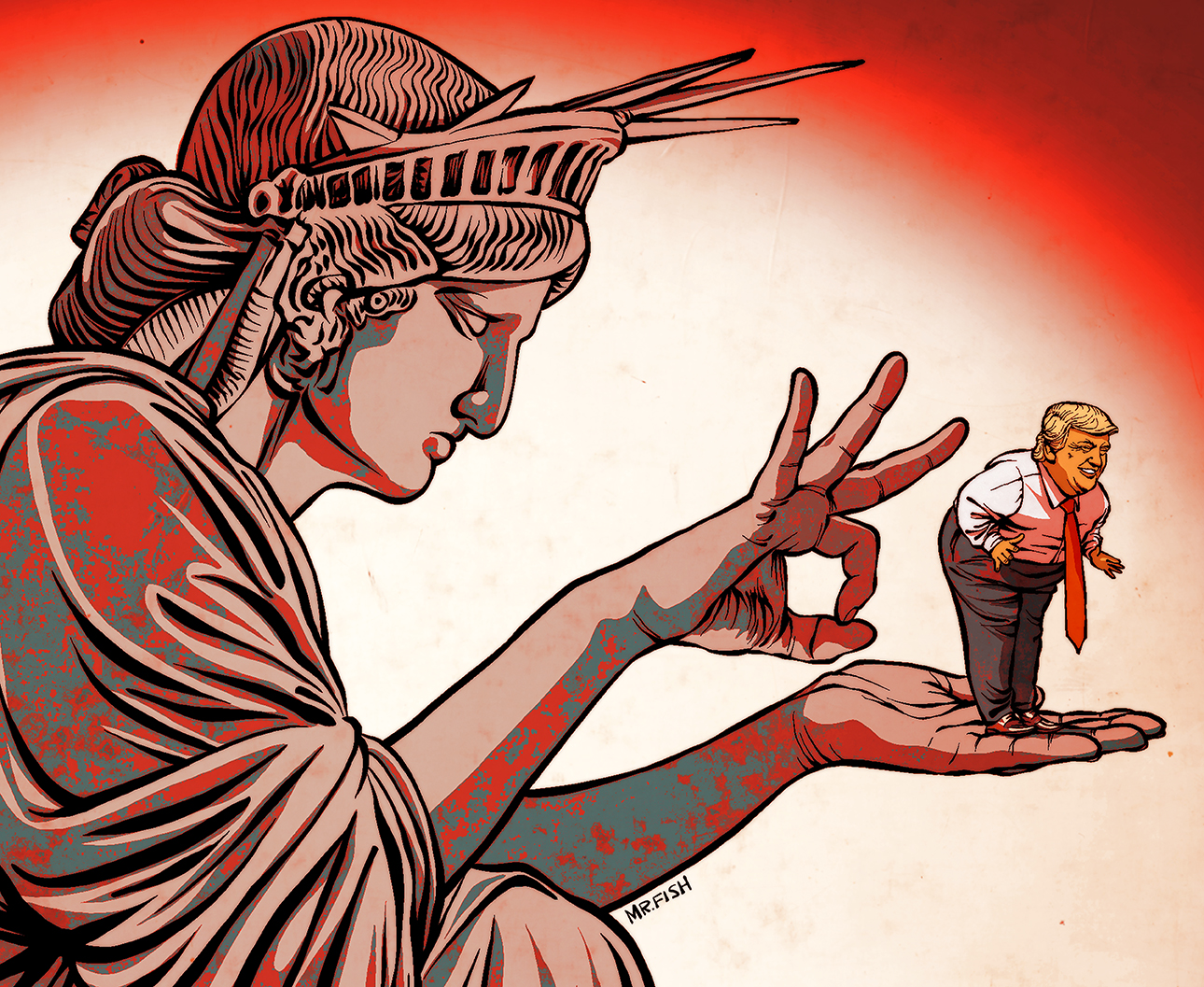
Beyond merely cataloging alleged offenses, a core objective of the symposium is to explore actionable strategies for countering what organizers term "President Trump’s dictatorial ambitions." This forward-looking aspect is crucial, especially in light of the enduring political influence of former President Trump. The strategies to be explored include:
- State Authorities: Discussions may delve into the role of state attorneys general, state legislatures, and local jurisdictions in holding federal officials accountable or in implementing policies that counter federal directives deemed unconstitutional or harmful. This could involve exploring state-level prosecutions for actions taken during federal office, or civil remedies.
- Law Professors and Legal Scholars: The intellectual firepower of academia is seen as vital in developing robust legal arguments, constitutional interpretations, and policy recommendations. Scholars often play a critical role in shaping public understanding of complex legal issues and influencing judicial thought.
- Support for House Resolution 1155: While the original text provides only the resolution number, such a resolution would likely pertain to a specific legislative initiative related to impeachment, censure, or other forms of accountability for presidential misconduct. Discussions would center on the feasibility, political viability, and legal ramifications of advancing such a resolution. Given the 2026 date, this could be a pre-emptive measure or a response to anticipated future political developments.
Distinguished Speakers and Their Contributions
The symposium boasts a formidable lineup of speakers, each bringing unique expertise and perspectives to the complex issue of presidential accountability:
- Ralph Nader: As the convenor, Nader will deliver opening remarks, setting the tone and reiterating the symposium’s foundational principles and urgent objectives. His long career as a public interest advocate lends significant moral authority to the proceedings.
- Congressman Steve Cohen (D-Tennessee): A prominent Democratic member of the House Judiciary Committee, Congressman Cohen was actively involved in both impeachment proceedings against Donald Trump. His legislative experience and firsthand knowledge of congressional impeachment efforts will provide invaluable insights into the political and procedural challenges of impeachment.
- Richard Painter (Chief White House ethics lawyer under George W. Bush): Painter’s background as a Republican ethics lawyer in a presidential administration provides a bipartisan perspective on ethical conduct in the executive branch. His expertise will be crucial in dissecting allegations of bribery, extortion, and abuse of power from an ethics standpoint.
- Erwin Chemerinsky (Dean, UC Berkeley Law School): One of the nation’s leading constitutional law scholars, Chemerinsky’s academic rigor and extensive writings on constitutional law, civil liberties, and presidential power will provide a deep theoretical and legal framework for the discussions. His analysis of constitutional grounds for impeachment is highly regarded.
- Celinda Lake (President, Lake Research Partners): As a renowned pollster and political strategist, Lake will likely offer insights into public opinion regarding presidential accountability, impeachment, and the broader political landscape. Her data-driven analysis can help understand the public’s receptiveness to such arguments and the strategic challenges involved.
- Michael J. Gerhardt (Pre-eminent scholar on Impeachment and the Constitution): Gerhardt’s expertise is directly relevant to the symposium’s core topic. He has served as a constitutional adviser to Congress on multiple impeachment proceedings, including those of Presidents Clinton and Trump. His insights into the historical precedents, constitutional standards, and practicalities of impeachment will be central to the legal strategy discussions.
- Suparna Reddy (Senior Counsel, Free Speech For People): Free Speech For People is an organization dedicated to defending democratic institutions and confronting corporate and moneyed power. Reddy’s involvement suggests a focus on how alleged abuses of power might infringe upon fundamental democratic rights, including free speech and electoral integrity.
- William D. Hartung (Senior Research Fellow, Quincy Institute for Responsible Statecraft): The Quincy Institute advocates for a less militaristic foreign policy. Hartung’s presence likely signals a deeper dive into the "criminal wars of aggression" allegation, offering analysis on the foreign policy decisions of the Trump administration and their legal and ethical implications.
- Mark Green (former New York City Public Advocate): Green, a long-time consumer advocate and progressive voice, brings a broad perspective on public interest law and policy. His experience in local government and advocacy will enrich discussions on accountability and citizen engagement.
- Congressman Al Green (D- Texas): Tentatively confirmed, Congressman Green has also been a vocal proponent of impeachment and a steadfast critic of former President Trump’s conduct. His participation would further solidify the congressional perspective on the urgency of the symposium’s mission.
The caliber of these speakers underscores the serious, scholarly, and politically informed nature of the symposium, aiming to foster a comprehensive examination of the issues at hand.
Historical Precedents and the Future of Presidential Accountability
The United States has a limited history of presidential impeachments. Andrew Johnson and Bill Clinton were impeached by the House but acquitted by the Senate. Donald Trump holds the distinction of being the only president impeached twice. Each instance has tested the constitutional framework and political will of the nation. The standard for impeachment, "high crimes and misdemeanors," is intentionally broad, allowing Congress discretion to determine what constitutes an impeachable offense. This ambiguity often leads to partisan divisions, as demonstrated in past proceedings.
The current symposium in 2026 takes place in a unique temporal context. It is neither during an active impeachment proceeding nor immediately after a presidential term. This allows for a more reflective, strategic, and perhaps less politically charged discussion on the long-term implications of executive actions and the mechanisms available for accountability. The organizers appear to be engaging in a long game, aiming to shape public discourse and lay the groundwork for future legal or political action, irrespective of Trump’s current or future political status. The analysis of implications extends beyond the individual to the institution of the presidency itself. How does a nation respond when a president is accused of systematically undermining democratic institutions, constitutional norms, and the rule of law? What precedents are set, and how can future abuses be prevented? These are the overarching questions the symposium seeks to address.
Logistics and Public Engagement
The symposium is scheduled for Wednesday, July 22, 2026, from 11:00 a.m. to 3:00 p.m. at the Senate Visitors Center, Room 201-00, in Washington, D.C. Coffee will be available for attendees beginning at 11:00 a.m., and lunch will be served at 12:15 p.m., facilitating a sustained period of engagement. The event is open to the public, signaling an intention to broaden awareness and foster public participation in these critical discussions. However, due to logistical considerations, prospective attendees must respond by Monday, July 20, at 10:00 a.m., through a dedicated online registration form. This requirement underscores the seriousness of the event and the need for organized attendance, ensuring that the dialogue reaches a diverse audience of concerned citizens, legal professionals, and policymakers. The venue itself, located within the U.S. Capitol complex, symbolically emphasizes the constitutional gravity of the topics under discussion.
In conclusion, the second symposium convened by Ralph Nader and Bruce Fein represents a significant effort to maintain focus on the constitutional implications of Donald Trump’s presidency. By bringing together a diverse group of legal scholars, political figures, and advocates, the event aims to provide a robust platform for discussing accountability, exploring legal and political strategies, and informing the public about what its organizers view as urgent threats to American democracy. Its focus on detailed allegations and proactive solutions indicates a sustained commitment to safeguarding constitutional principles, regardless of the immediate political climate.

 Joko Widodo
 admin
admin
 Nila Kartika Wati
 Lina Irawan
 Jia Lissa
 Yuyun Lusiyani