
 admin
admin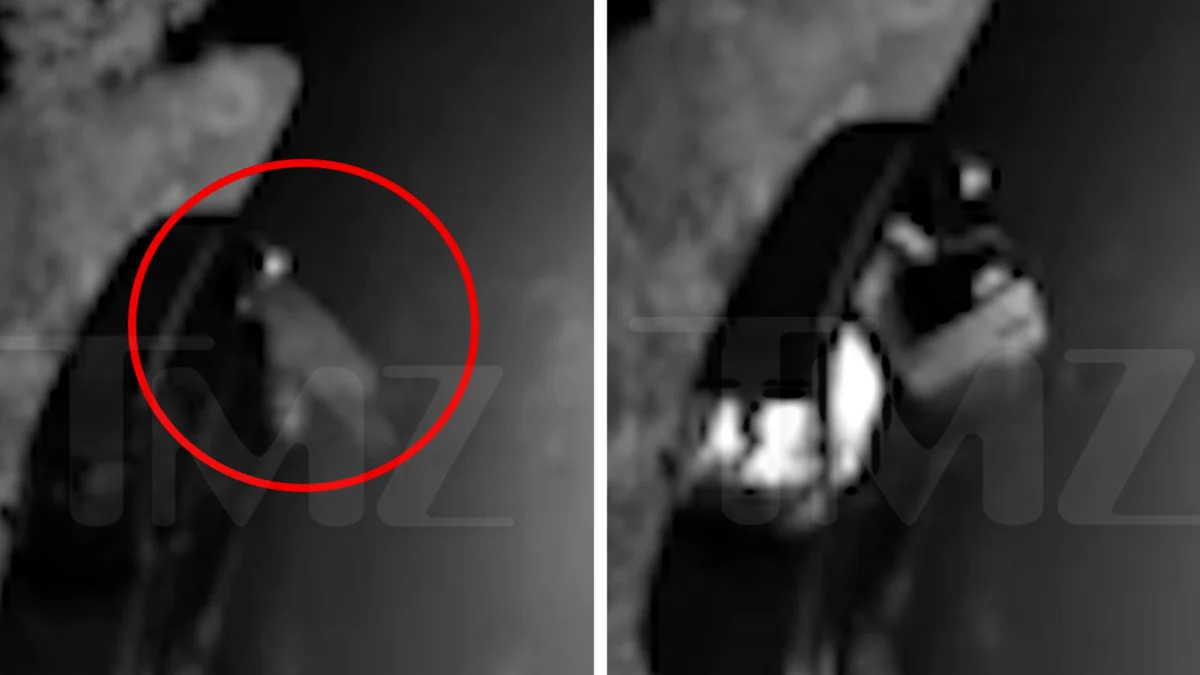
WHITEFISH, MT – September 5, 2026 – A recent incident in Whitefish, Montana, has brought the ongoing challenges of human-wildlife coexistence into sharp focus after a grizzly bear was captured on security footage skillfully opening a car door and entering the vehicle. The startling event, which occurred on Friday evening around 9:00 PM local time, underscores a growing pattern of ursine activity in residential areas and has prompted renewed calls for vigilance and enhanced wildlife management strategies from local authorities.
The Uninvited Guest: A Detailed Chronology of the Incident
The sequence of events unfolded on the evening of Friday, September 5, 2026, in a quiet residential neighborhood of Whitefish, a community nestled on the edge of the Flathead National Forest and a gateway to Glacier National Park, prime grizzly bear habitat. Surveillance footage, which has since circulated among residents and local media, captured the entire episode with unsettling clarity.
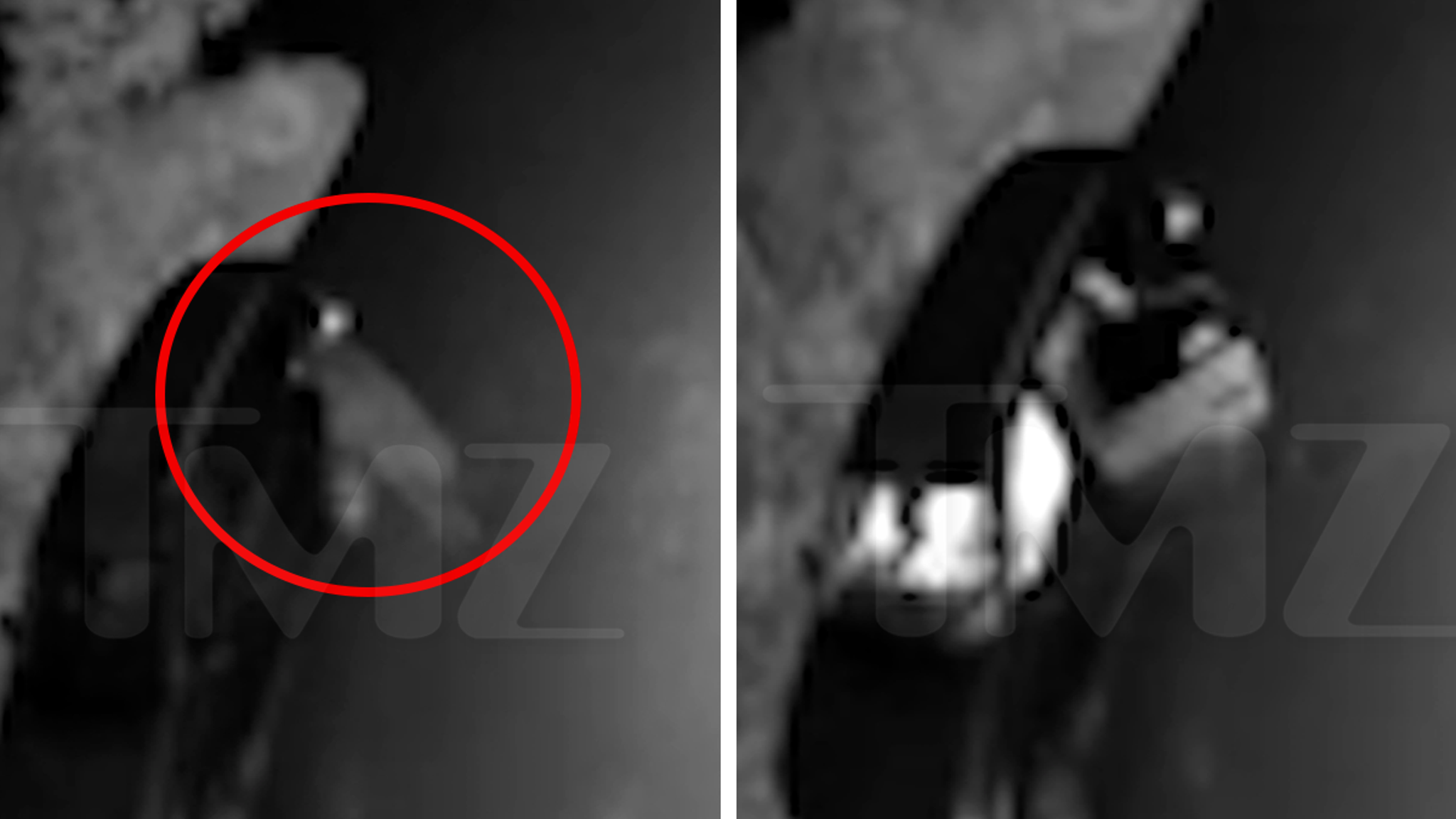
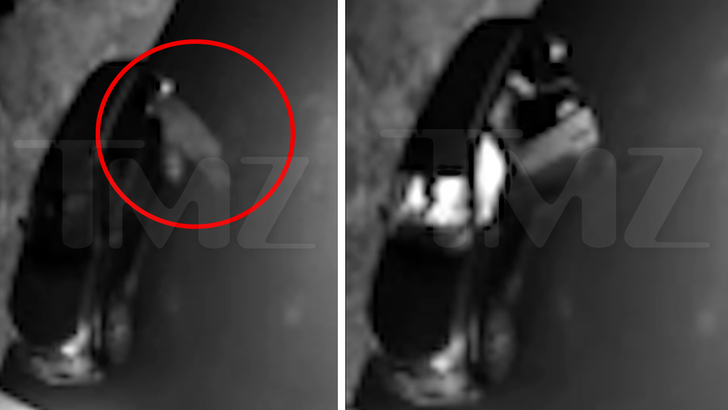
According to reports, the large grizzly, whose specific identity remains unknown but is believed to be one of several bears frequenting the area, ambled casually up a paved driveway. Without hesitation, the bear approached a parked vehicle, a four-door sedan. Demonstrating an astonishing level of dexterity and problem-solving ability, the animal appeared to grasp the car’s exterior door handle, manipulated it, and successfully opened the door. The swiftness and apparent ease with which the bear gained entry suggested either prior experience with similar actions or an innate curiosity combined with significant strength.
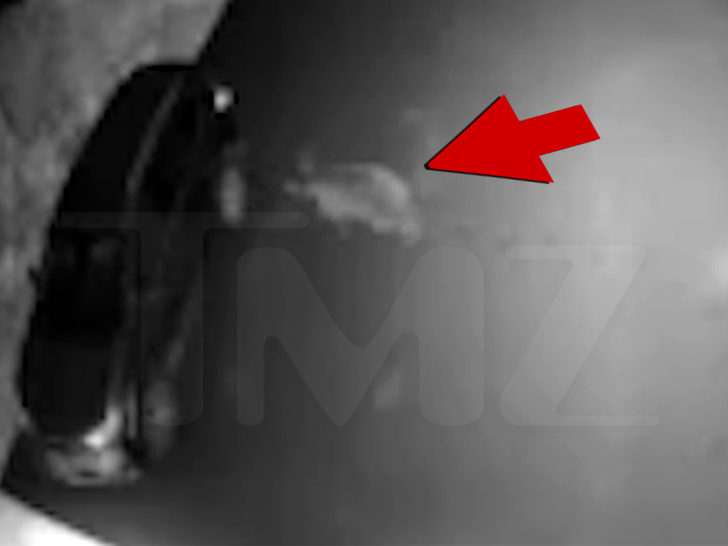
Once inside, the bear spent an unspecified amount of time rummaging within the vehicle’s interior. While the exact purpose of its intrusion remains speculative, wildlife experts universally agree that such incursions are almost always driven by the pursuit of food. Bears possess an incredibly keen sense of smell, capable of detecting even faint odors of food items, wrappers, or even residue from past meals. After its exploration, the bear exited the vehicle, leaving the door ajar, and proceeded to depart the property, disappearing into the surrounding natural landscape as methodically as it had arrived.
The car’s owners, whose identities have not been released, were initially unaware of their nocturnal visitor. It was only later, upon discovering the vehicle door noticeably ajar and observing muddy paw prints and scattered leaves around the door handle, that their suspicions were aroused. Reviewing their home security footage confirmed their fears, revealing the audacious actions of the ursine intruder. Fortunately, initial assessments indicated that the bear caused no significant structural damage to the car’s interior or exterior, beyond the minor cosmetic disturbances. This fortunate outcome stands in contrast to many reported incidents where bears can inflict substantial damage to vehicles, tearing seats, dashboards, and headliners in their search for food.
A Growing Trend: Bear Encounters in Whitefish
This incident is not an isolated occurrence but rather a stark illustration of an escalating trend of human-wildlife interactions in the Whitefish area and across the broader wildland-urban interface of Montana. Whitefish, with its picturesque setting and proximity to vast wilderness areas, naturally experiences frequent encounters with various wildlife species, including both black bears and grizzly bears. However, the nature and frequency of these encounters appear to be shifting, with animals becoming increasingly habituated to human environments and more daring in their foraging behaviors.
Local residents and authorities have reported a noticeable uptick in bear sightings within the Whitefish city limits over the past several years. Anecdotal evidence, corroborated by official reports to Montana Fish, Wildlife & Parks (FWP), indicates that bears have been observed entering not only unsecured vehicles but also garages and sheds, particularly during the late summer and fall months. This period, known as hyperphagia, is critical for bears as they enter a phase of intense feeding to build up fat reserves necessary for hibernation. During this time, their caloric needs are immense, driving them to seek out any available food source, no matter how unusual.
Data from Montana FWP supports the perception of increasing conflicts. While specific statistics for 2026 are still being compiled, historical trends show a consistent rise in calls related to bear activity in residential zones across western Montana. In 2025, FWP received over 1,500 calls concerning bear issues statewide, a significant portion of which originated from communities like Whitefish, Kalispell, and Missoula. These calls ranged from simple sightings to property damage and, in rare instances, direct confrontations. The sheer volume of reports highlights the persistent challenge of managing wildlife populations in areas undergoing rapid human development and expansion.
Understanding Ursine Behavior: Why Bears Break In
The bear’s ability to open a car door is a testament to the remarkable intelligence and adaptability of these animals. Grizzlies (Ursus arctos horribilis) are particularly known for their strength, problem-solving skills, and powerful sense of smell, which is estimated to be seven times greater than that of a bloodhound. For a bear, a parked car can represent a potential food cache, especially if it has ever contained food items, even briefly. The lingering scent of crumbs, forgotten snacks, or even scented air fresheners can be enough to pique a bear’s interest.
Wildlife biologists explain that bears, especially those that have become habituated to human presence, learn quickly. If a bear successfully accesses food from a human-related source, whether it’s a garbage can, a bird feeder, or a car, it is highly likely to repeat the behavior. This learning process can lead to what is known as "food-conditioned" or "habituated" bears, which are often at higher risk of conflict with humans and, regrettably, are more likely to be euthanized by wildlife managers as a last resort to ensure public safety.
The incident in Whitefish serves as a crucial reminder that bears are constantly seeking calories. An unlocked car, much like an open garage or an unsecured trash can, presents an opportunistic feeding ground. These intelligent animals are capable of learning to manipulate latches, handles, and even simple mechanisms if they associate them with a food reward. This specific bear’s action of opening a car door is not unprecedented, with similar incidents reported in other bear-dense regions across North America, from the Rocky Mountains to the Sierra Nevada.
Official Response and Management Challenges
In response to the escalating bear activity, Montana Fish, Wildlife & Parks (FWP) is actively involved in monitoring the situation and implementing management strategies. A spokesperson for FWP, who requested anonymity to speak broadly on wildlife management challenges, reiterated the department’s commitment to public safety and wildlife conservation. "Our primary goal is to minimize conflicts between humans and bears," the spokesperson stated. "When bears become habituated to human food sources, it creates a dangerous situation for both the community and the bears themselves."
FWP officials confirmed that efforts are underway to address the presence of multiple bears in the Whitefish residential area, including the one responsible for the vehicle intrusion. The current plan involves trapping and relocating these bears to more remote wilderness areas, specifically within the expansive confines of nearby Glacier National Park or other suitable habitats within the Flathead National Forest. However, wildlife relocation is a complex and often challenging endeavor. Bears, particularly grizzlies, have strong homing instincts and can travel vast distances to return to familiar territories, sometimes making relocation efforts less effective than desired. The FWP spokesperson acknowledged these difficulties, noting that "relocation is not a perfect solution and requires significant resources and careful planning. It can also be stressful for the animals."
Furthermore, the success of relocation is heavily dependent on the willingness of residents to eliminate attractants. FWP continues to issue stern warnings and educational materials to Whitefish residents, urging them to secure garbage in bear-resistant containers, remove pet food and bird feeders from outdoors, clean barbecue grills, and lock all vehicle and home doors. "Community cooperation is paramount," the spokesperson emphasized. "No amount of trapping and relocation will be truly effective if bears continue to find easy access to human food sources in residential areas. The responsibility lies with all of us to make our neighborhoods less appealing to wildlife."
Community Reactions and Safety Implications
The incident has naturally sparked a range of reactions within the Whitefish community. Homeowners, including those directly affected by the car intrusion, have expressed a mixture of shock, amusement, and genuine concern. While the immediate damage was minimal, the potential for more serious property destruction or even personal injury remains a palpable fear. "It’s unsettling to think a bear can just open your car door," commented one long-time Whitefish resident who lives several blocks from the incident site. "We’re used to seeing bears, but this feels different. It feels like they’re getting bolder."
Local law enforcement agencies, while primarily deferring to FWP on wildlife management, are on heightened alert. They advise residents to report any aggressive or unusually bold bear behavior immediately. Public safety advisories have been disseminated through local channels, reinforcing FWP’s recommendations for bear-proofing properties and exercising caution when outdoors, especially during dawn and dusk hours when bears are most active. Parents are particularly urged to supervise children and keep pets on leashes.
The broader implications extend beyond immediate safety. Persistent bear conflicts can impact the community’s quality of life and even its tourism economy, which relies heavily on the pristine natural environment and the perceived safety of outdoor activities. While the presence of wildlife is often a draw for visitors, an increase in negative encounters could deter some.
The Broader Ecological Context: Coexistence in the Anthropocene
The Whitefish bear incident serves as a microcosm of a larger ecological challenge facing communities situated within critical wildlife habitat. As human populations expand and development encroaches further into wild spaces, the interface between humans and animals becomes increasingly blurred. This dynamic places immense pressure on wildlife populations, forcing them to adapt to altered landscapes and often leading to increased conflict.
For grizzlies, specifically, their status as a federally protected species under the Endangered Species Act adds another layer of complexity to their management. Conservation efforts have successfully aided in the recovery of grizzly populations in the Northern Continental Divide Ecosystem, which includes the Whitefish area. However, this success means more bears are now dispersing into areas that are also experiencing human population growth, creating unavoidable points of contact.
Long-term solutions require a multi-faceted approach. This includes continued public education on responsible living in bear country, stringent enforcement of regulations regarding attractant management, and potentially the development of wildlife corridors that allow animals to move between habitats without traversing dense human settlements. Urban planning and development strategies must also integrate wildlife considerations, ensuring that new construction minimizes habitat fragmentation and provides buffers between human activity and sensitive ecological zones.
Ultimately, the Whitefish car intrusion is a potent reminder that living in an area rich in biodiversity necessitates a commitment to coexistence. It demands vigilance, adaptation, and a shared responsibility among residents, local authorities, and wildlife management agencies to ensure the safety of both the human community and the majestic wildlife that defines Montana’s wild character. Without sustained effort and cooperation, incidents like this bear break-in will likely become more common, posing ongoing challenges for all inhabitants of this beautiful, yet wild, landscape.



 Pevita Pearce
 Eva Lovia
 Nana Wu
 Amara Maple
 Joko Widodo