Pevita Pearce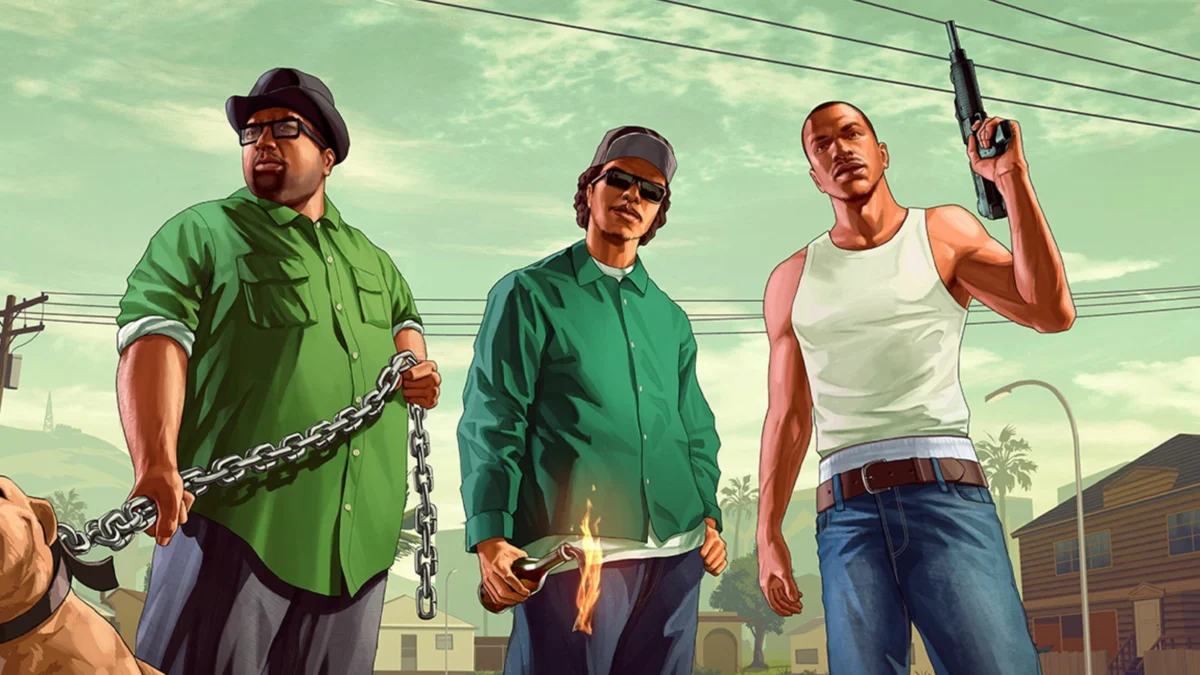
The landscape of interactive live streaming has reached a new milestone as the developer and streamer known as Kreyg has successfully integrated a real-time communication bridge between the Twitch platform and the 2004 classic Grand Theft Auto: San Andreas. This custom-built system allows viewers to trigger in-game events using Twitch’s "Bits" currency, most notably enabling them to place direct "phone calls" to the game’s protagonist, Carl "CJ" Johnson. The innovation has captured significant attention within the gaming community, with a demonstration video surpassing one million views within days of its debut on September 2, 2026. This development represents a sophisticated merger of legacy software architecture and modern cloud-based interaction, signaling a shift in how streamers engage with their audiences through classic titles.
Technical Architecture and Implementation
The integration developed by Kreyg is not a simple modification but a complex multi-layered software solution. At its core, the system utilizes the "plugin-sdk," a popular community-developed framework that allows developers to interface with the internal functions of the RenderWare engine, which powers the original Grand Theft Auto trilogy. To bridge the gap between the game and the internet, Kreyg engineered a bespoke C# program that acts as a middleware server. This program monitors the live Twitch chat feed for specific metadata—specifically "Bits" transactions—and parses the accompanying text-to-speech (TTS) messages.
When a viewer triggers the interaction, the C# middleware sends a command to the game’s memory. The game then executes the original phone-answering animation, causing CJ to pull out his mobile device. The system hijacks the game’s audio output to play the viewer’s message via a text-to-speech engine, while simultaneously generating dynamic on-screen subtitles that match the message content. This creates a seamless illusion that the protagonist is receiving a legitimate, plot-relevant call, albeit one dictated by a live audience member.
Expanded Gameplay Features and Viewer Agency
While the phone call mechanic served as the primary catalyst for the project’s viral success, the scope of the integration has expanded rapidly. Following the initial reception on September 2, Kreyg implemented a suite of additional features designed to increase the "chaos factor" of his broadcasts. These features allow viewers to exert direct influence over the game world in real-time, moving beyond mere communication into active participation.
- Character Spawning: Viewers can spend Bits to spawn NPCs (non-player characters) directly into CJ’s vicinity. These characters can be programmed with varying AI behaviors, ranging from friendly bodyguards who assist the player in missions to hostile assassins intent on ending the stream prematurely.
- Classic Cheat Code Activation: The integration allows for the remote activation of the game’s legendary cheat codes. Elements such as "Infinite Health," "Lower Wanted Level," or the iconic "Hydra Spawn" can be triggered by the audience, either to aid the streamer during difficult segments or to disrupt the flow of gameplay for comedic effect.
- Environmental Manipulations: Beyond character interactions, the system can modify world states, such as changing the weather, time of day, or traffic density, providing a high level of granular control to the viewing public.
The Chronology of Development and Viral Growth
The development of this integration follows a timeline of rapid iteration. Kreyg, a developer known for exploring the intersection of coding and content creation, began testing the feasibility of real-time C# hooks in older DirectX 9 titles earlier in the year. The breakthrough occurred in late August 2026, when the stability of the Twitch API handshake was finalized.
On September 2, 2026, a clip of a viewer "calling" CJ to deliver a humorous message went viral on social media platforms. The clip’s success was attributed to the high level of polish in the mod; the use of original game assets and animations made the interaction feel like an official, albeit surreal, part of the game. Within 24 hours of the initial viral surge, Kreyg updated the software to include the NPC spawning and cheat code functions, responding to the immediate demand for more varied interactive elements.
Official Responses and Public Availability
Despite the overwhelming interest from the modding community and fellow streamers, Kreyg has maintained a cautious stance regarding a public release of the tool. In a statement addressing the influx of requests, he noted that the current iteration of the software is "not very plug n play." The complexity of the setup—which requires a specific environment including the C# middleware, the plugin-sdk, and a configured Twitch developer token—makes it a "hassle for people to set up and get it working properly."
However, Kreyg has not dismissed the possibility of a consumer-facing version. He indicated that given the significant interest, he would like to make it available for broader use, though this would require "a good bit of planning, testing, and work" to ensure stability and ease of use across different hardware configurations. As of the current reporting, the project remains in a "TBD" (To Be Determined) status regarding its release date.
Broader Context: The Evolution of "Twitch Chaos" Mods
The success of Kreyg’s San Andreas integration is part of a larger trend in the "social gaming" subgenre. This movement, often referred to as "Twitch Chaos," involves modifying games to allow viewers to interfere with the player’s experience. A notable precursor to this is the work of the modder Blurbs, who gained notoriety for a Grand Theft Auto 5 modification that granted NPCs the ability to "fake" accidents. In that mod, if a player hit an NPC, the character could initiate a lawsuit, leading to a courtroom scene where the Twitch chat acted as the jury to decide the player’s fate.
Kreyg’s work differs by focusing on the "immersion" of the interaction. By utilizing the protagonist’s existing phone mechanic, the mod creates a narrative bridge between the real world and the digital world of Los Santos. This level of integration is technically more demanding in San Andreas than in newer titles due to the age of the engine and the lack of modern modding APIs, making Kreyg’s achievement particularly notable among technical circles.
Analysis of Implications for the Streaming Industry
The implications of such technology are multifaceted, affecting monetization, viewer retention, and the legalities of game modification.
1. Monetization and Engagement:
By tying gameplay events to "Bits" (Twitch’s internal currency), streamers can create a direct correlation between viewer financial support and content variety. This "pay-to-play" (or "pay-to-disrupt") model has proven highly effective at increasing revenue per viewer. Data from similar interactive streams suggest that engagement levels are significantly higher when viewers feel they have "agency" over the broadcast.
2. The Longevity of Legacy Titles:
Kreyg’s project demonstrates that titles from the early 2000s can remain relevant and highly profitable in the modern era through creative technical interventions. Grand Theft Auto: San Andreas remains a staple of the gaming world, and these integrations provide a fresh incentive for audiences to revisit 20-year-old content.
3. Technical Hurdles in Modern Modding:
Kreyg has expressed interest in expanding these integrations to other Rockstar Games titles, specifically Grand Theft Auto IV and Grand Theft Auto: Vice City. Each of these games presents unique challenges. Vice City shares the RenderWare engine with San Andreas, making a port relatively straightforward. However, Grand Theft Auto IV utilizes the RAGE (Rockstar Advanced Game Engine), which features a significantly more complex memory structure and animation system. Successfully porting the phone-call mechanic to GTA IV would represent an even greater technical feat.
Future Outlook
As the boundaries between content creator and audience continue to blur, tools like Kreyg’s San Andreas integration are likely to become more prevalent. The transition from "passive viewing" to "active participation" is a core pillar of the current streaming economy. While the technical barriers to entry remain high for the average user, the viral success of this project may encourage other developers to create more accessible frameworks for interactive modding.
For now, Kreyg’s stream serves as a live laboratory for these experiments. As he continues to refine the system and potentially expand to other titles in the Grand Theft Auto franchise, the industry will be watching to see if this "social modding" becomes a standardized feature of the professional streaming toolkit. The project stands as a testament to the enduring flexibility of Grand Theft Auto: San Andreas and the ingenuity of the independent developer community in finding new ways to breathe life into classic software.




 Joko Widodo
 admin
admin
 Lina Irawan