
 Lina Irawan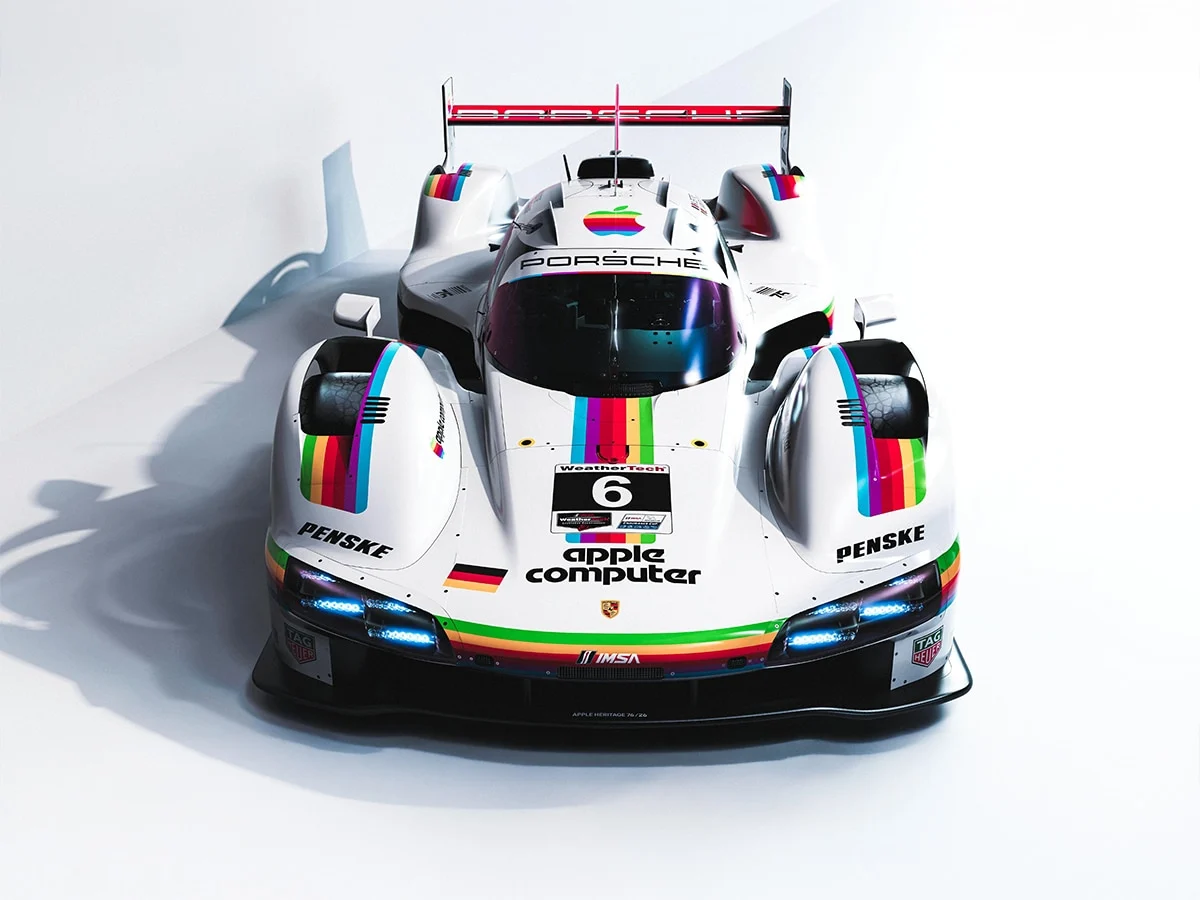
The transition of power at Apple Park on September 1, 2026, marked a significant shift in the cultural and operational philosophy of the world’s most valuable technology company. As John Ternus officially stepped into the role of Chief Executive Officer, succeeding Tim Cook, the global business community turned its attention toward a leader who defines himself as much by the mechanical roar of a flat-six engine as by the silent efficiency of a five-nanometer chip. Unlike his contemporaries in Silicon Valley, who have increasingly leaned into the promotion of humanoid robotics and fully autonomous urban transit, Ternus has emerged as a champion of high-performance mechanical engineering, spending his private hours mastering the complexities of track-only motorsport.
Ternus’s appointment comes after a quarter-century tenure within the Cupertino-based giant. A mechanical engineering graduate from the University of Pennsylvania, he has been a pivotal architect of the modern Apple ecosystem. During his time as the Senior Vice President of Hardware Engineering, he oversaw the development of every generation of iPhone, the transition of the Mac lineup to Apple silicon, and the refinement of the iPad and Apple Watch. However, it is his weekend residency at WeatherTech Raceway Laguna Seca that has captured the imagination of automotive and technology analysts alike. Driving a rare, track-only 2019 Porsche 935, Ternus represents a new breed of tech executive: one who values the tactile, analogue feedback of a precision machine over the sterile promises of a purely digital future.
A Chronology of the Apple and Porsche Connection
The relationship between the consumer electronics leader and the German sports car manufacturer is not merely a personal hobby for Ternus; it is a narrative thread that spans nearly half a century. The historical synergy between the two brands reached a public peak in 1980 at the 24 Hours of Le Mans. Dick Barbour Racing entered a Porsche 935 K3, designated as number 71, which was famously adorned in the vibrant rainbow spectrum of Apple’s original logo. The car was piloted by a high-profile trio: American racers Bobby Rahal and Bob Garretson, and the legendary Australian touring car champion Allan Moffat. Though the car suffered a mechanical retirement during the race, the visual impact of the "Apple Porsche" became an indelible part of motorsport history.
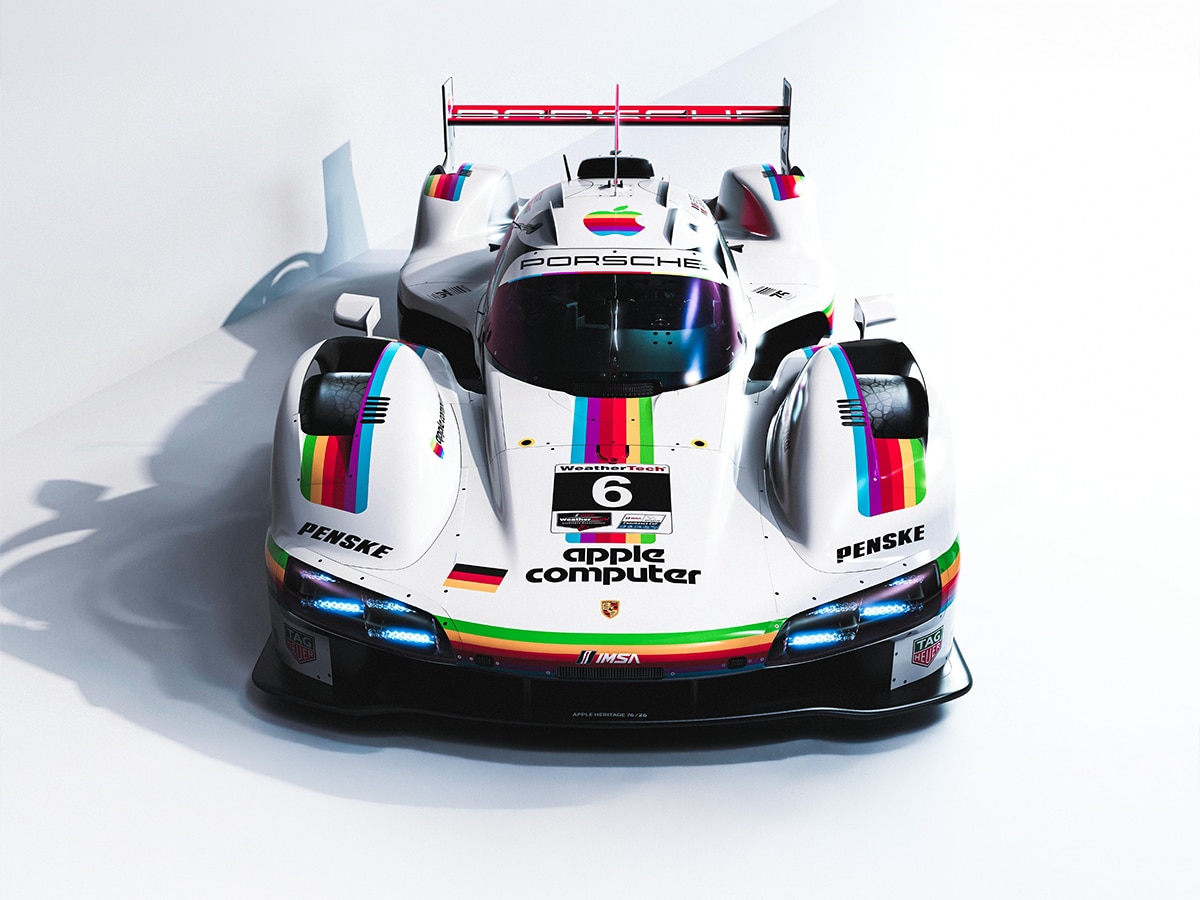
This heritage was revitalized in May 2026, just months before Ternus assumed the CEO role. Porsche Penske Motorsport celebrated 50 years of Apple and 75 years of Porsche Motorsport by wrapping its factory 963 GTP hypercars in retro Apple graphics for the IMSA race at Laguna Seca. This gesture served as a symbolic bridge between the two companies, highlighting a shared obsession with industrial design and engineering excellence. For Ternus, this connection is personal. His frequent presence at Laguna Seca—a circuit located a mere 75-minute drive from Apple Park—reaffirms a commitment to the physical dynamics of automotive performance that many of his peers have abandoned in favor of simulation and software-first approaches.
Technical Specifications: The 2019 Porsche 935
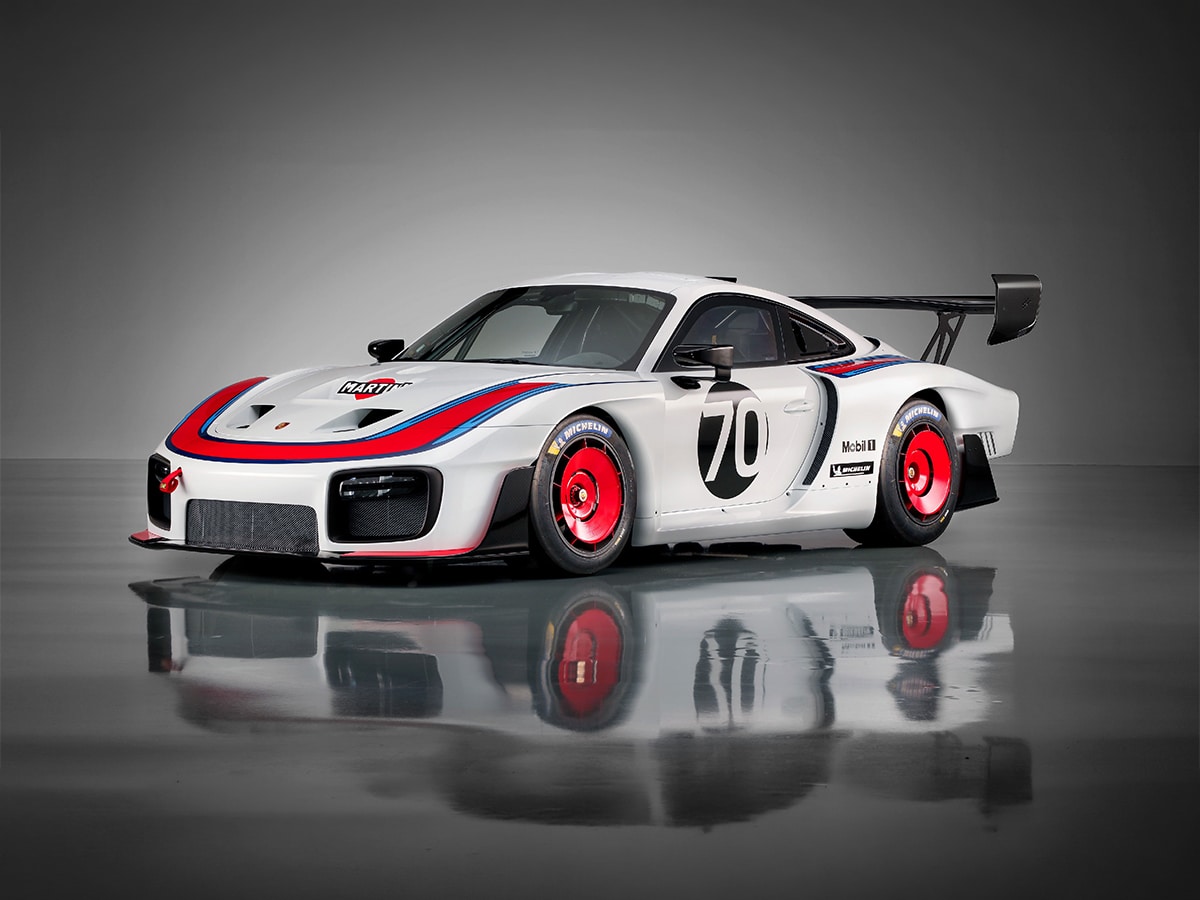
The vehicle Ternus utilizes to hone his skills is a masterpiece of modern automotive engineering. The 2019 Porsche 935 is a track-exclusive machine, limited to just 77 units worldwide, making it one of the most sought-after modern Porsches in existence. Launched with a price tag of approximately USD $817,000, its scarcity and pedigree have driven its current market valuation toward the $1.5 million mark at high-end auctions.
The 935 is built upon the chassis of the 991-generation 911 GT2 RS, but its carbon-fiber bodywork is a deliberate homage to the 935/78 "Moby Dick" Le Mans racer of the late 1970s. The technical data for the vehicle illustrates why it requires a high level of driver proficiency:
- Engine: 3.8-litre twin-turbocharged flat-six.
- Power Output: 700 PS (515 kW).
- Transmission: 7-speed dual-clutch PDK, optimized for track use.
- Weight: Approximately 1,380 kg, achieved through extensive use of carbon-fiber reinforced polymer (CFRP).
- Design Details: Features titanium tailpipes, 911 RSR side mirrors, and LED tail-lights integrated into the rear wing endplates, borrowed from the 919 Hybrid LMP1 car.
Ternus’s ability to pilot this machine effectively is documented by his consistent lap times. Reporting from The Wall Street Journal indicates that Ternus regularly records laps under the 1:40 mark at Laguna Seca. To contextualize this performance, professional driver Randy Pobst set a production car benchmark of 1:28.3 at the same track in a 911 GT2 RS. For an amateur driver, particularly one with the immense corporate responsibilities of an Apple executive, maintaining a pace within 12 seconds of a professional benchmark in a 700-horsepower racing machine indicates a high degree of technical skill and focus.

Strategic Implications for Apple’s Automotive Future
Ternus’s background in mechanical engineering and his passion for driving provide a unique lens through which to view Apple’s evolving automotive strategy. In February 2024, Apple officially shuttered "Project Titan," the decade-long, multi-billion-dollar effort to build a fully autonomous electric vehicle from scratch. As the head of hardware engineering at the time, Ternus was intimately involved in the decision to pivot away from physical manufacturing toward software integration.
Industry analysts suggest that Ternus’s "analogue" hobby provides him with a realistic understanding of why building a car is fundamentally different from building a smartphone. The complexities of thermal management, safety redundancies, and the sheer physics of high-speed movement are realities he encounters every time he enters the "Corkscrew" turn at Laguna Seca. Consequently, Apple’s current automotive focus is centered on "CarPlay Ultra," a sophisticated software layer that moves beyond simple infotainment to take over a vehicle’s entire digital instrument cluster.
By partnering with luxury marques such as Aston Martin and high-volume manufacturers like Hyundai, Kia, and Genesis, Apple is attempting to own the "user experience" of the car without the capital-intensive burden of building the chassis. Ternus’s leadership suggests a focus on the interface where the driver meets the machine. His interest in sim-racing and professional motorsport also aligns with Apple TV’s strategic acquisition of exclusive US broadcasting rights for Formula 1, further embedding the brand into the global racing culture.
Official Reactions and Industry Perspective
The response to Ternus’s leadership style has been notably positive among those who value a return to product-focused management. Eddy Cue, Apple’s Senior Vice President of Services and a fellow motorsport enthusiast, spoke to the executive’s dedication during the Miami Grand Prix. Cue noted that while many executives use Formula 1 events as networking opportunities in luxury suites, Ternus is often absent because he prefers to be behind the wheel himself, running track sessions at Laguna Seca.
"He is a massive motorsport fan, but more importantly, he understands the mechanics of it," Cue remarked. This sentiment is echoed within the hardware engineering teams at Cupertino. Ternus is known to foster team-building through high-intensity activities, including off-road rally-driving expeditions in Washington state. These outings are not merely recreational; they are designed to give engineers a visceral understanding of how hardware performs under extreme physical stress.
Analysis: The CEO as a Craftsman
The rise of John Ternus signals a potential "Golden Age" of hardware at Apple. While Tim Cook was a master of the global supply chain and operational efficiency, Ternus is viewed as a "product man" in the vein of Steve Jobs, but with a more disciplined engineering foundation. His preference for the Porsche 935—a car that requires manual intervention and rewards driver skill—serves as a metaphor for his management style.
As Apple navigates the "AI era," there is a risk of the brand becoming disconnected from the physical quality of its devices. Ternus’s obsession with the 935 suggests that he will continue to push for a level of tactile perfection in Apple’s hardware. The expansion of CarPlay Ultra into mainstream fleets will be the primary metric of his success in the automotive sector. If Apple can successfully integrate its software into the next generation of European and Asian vehicles, it will achieve a level of market penetration that Project Titan could never have reached.
In conclusion, the new era of Apple leadership is defined by a paradox: a leader who spends his days overseeing the most advanced digital ecosystem on the planet, and his weekends mastered by a 700-horsepower, internal-combustion racing machine. For the enthusiasts at Porsche and the engineers at Apple, Ternus represents a rare point of convergence—a CEO who understands that even in a world of artificial intelligence, there is no substitute for the precision of a well-engineered machine.

 Joko Widodo
 admin
admin
 Pevita Pearce
 Eva Lovia
 Nana Wu