
 Lina Irawan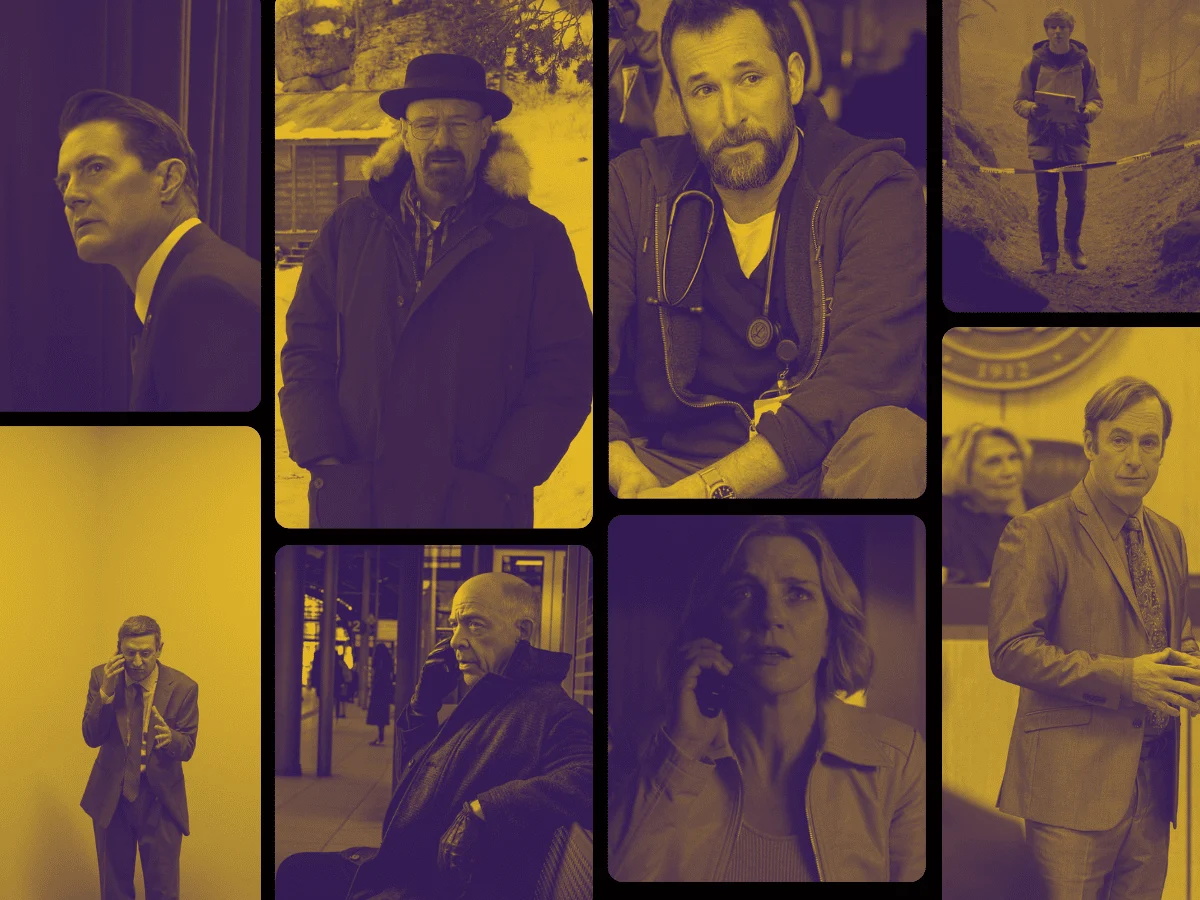
The contemporary television landscape is currently undergoing a bifurcated evolution, driven by the competing forces of algorithmic efficiency and high-concept artistry. As major streaming services prioritize subscriber retention and "watch time" metrics, a new category of media has emerged: "second-screen content." This phenomenon describes television programming intentionally designed to serve as background noise, characterized by over-explained plots, low visual complexity, and dialogue that functions primarily to keep a distracted viewer tethered to the narrative while they engage with a primary device, such as a smartphone or tablet. Industry analysts suggest this shift represents a departure from television as an art form toward television as a utility or "ambient media."
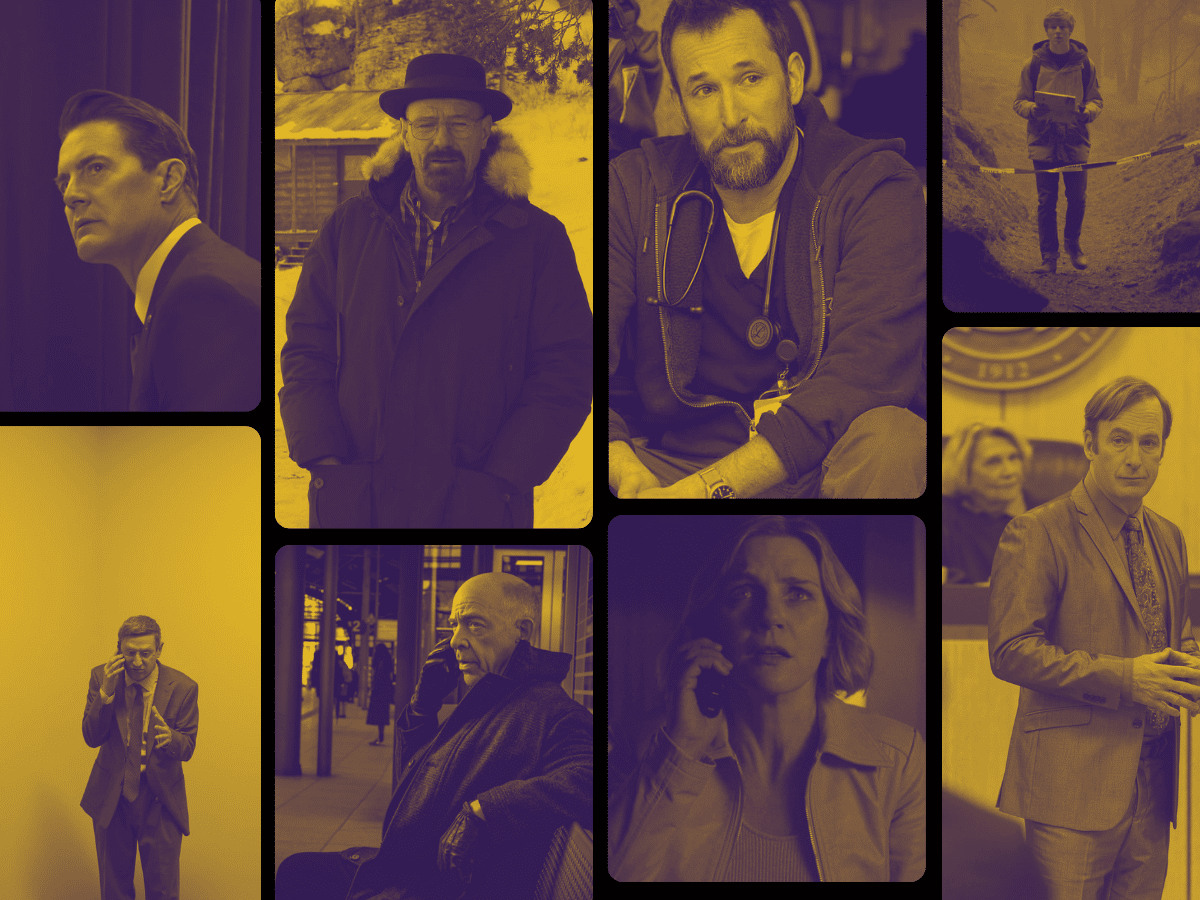
According to data from the 2023 Nielsen "State of Play" report, nearly 82% of viewers in the United States admit to using a second device while watching television. This behavioral shift has fundamentally altered the economics of production. Streaming giants, facing the "churn" of subscribers, have increasingly invested in "low-stakes" content—procedurals, reality television, and formulaic dramas—that require minimal cognitive load. However, a counter-movement of "prestige TV" continues to thrive, offering intricate narratives, cinematic direction, and thematic depth that reward—and often necessitate—the viewer’s absolute focus.
The Evolution of the Prestige Narrative: A Chronological Context
The lineage of prestige television can be traced back to the late 1990s and early 2000s, a period often referred to as the "Golden Age of Television." This era was inaugurated by cable networks like HBO, which prioritized subscription-based revenue over advertising, allowing creators to move away from the "episodic reset" format of broadcast TV. Series such as The Sopranos and The Wire introduced serialized storytelling, where actions had long-term consequences and characters possessed psychological depth previously reserved for literature or film.

With the advent of the streaming era in the early 2010s, led by Netflix’s House of Cards and AMC’s Breaking Bad, the "binge-watch" model initially encouraged deep immersion. However, as the market became saturated, the "attention economy" began to favor quantity over density. By 2020, the industry saw the rise of "Netflix-core" aesthetics—bright lighting and loud audio cues designed to grab the attention of a scrolling user. Despite this trend, a select group of showrunners and studios has remained committed to the "slow-burn" philosophy, producing works that challenge the second-screen paradigm.
Critical Analysis of High-Engagement Series
To understand the distinction between ambient media and prestige art, one must examine the specific series that have defined the high-engagement landscape over the last two decades. These works are characterized by their refusal to cater to the distracted viewer.
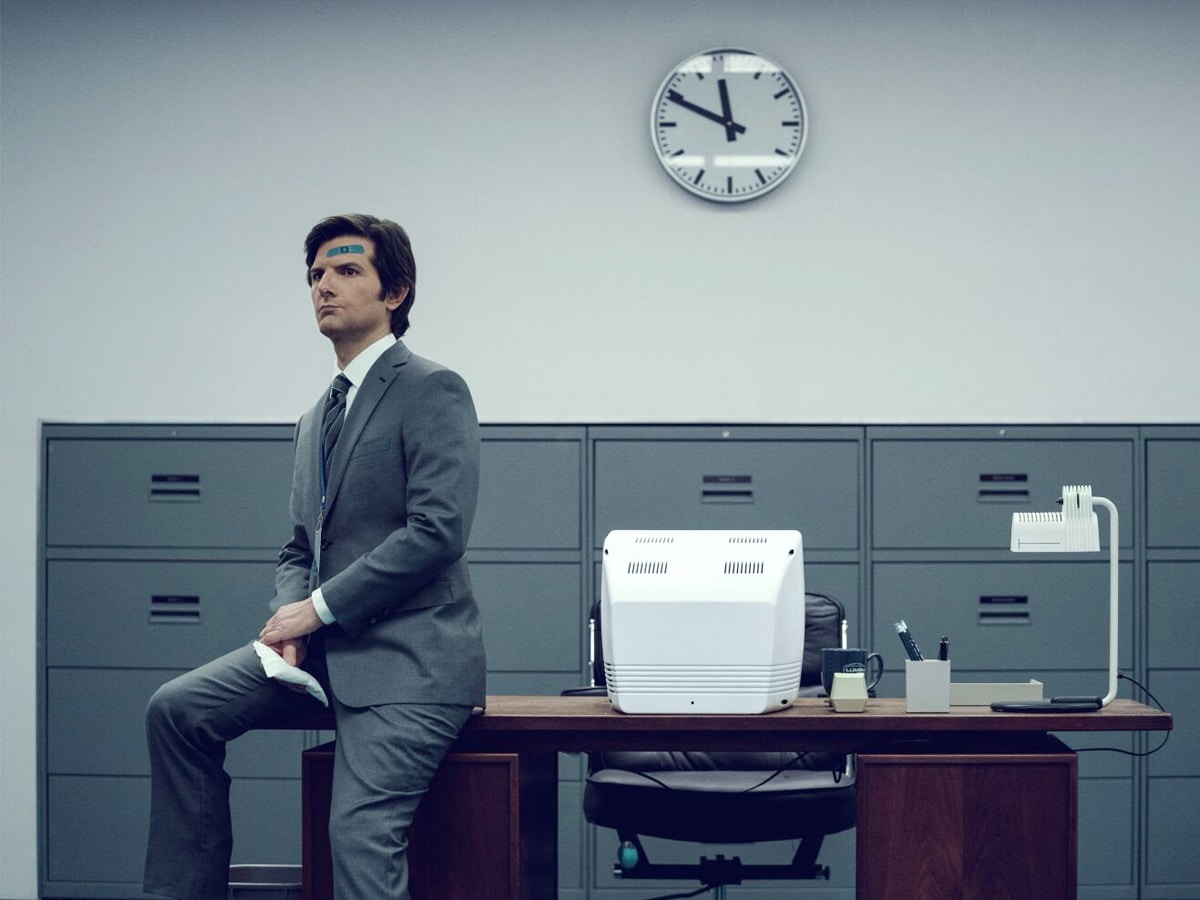
1. Severance (Apple TV+)
Directed by Ben Stiller and Aoife McArdle, Severance is a quintessential example of "active viewing" television. The series explores a dystopian corporate environment at Lumon Industries, where employees undergo a surgical procedure to divide their memories between their work and personal lives. The show’s minimalist production design and sterile color palette are laden with symbolic meaning, and its slow-reveal mystery requires viewers to track minute details in the background of frames. Critics have noted that Severance functions as a critique of the very "work-life" imbalance that drives people toward mindless content consumption.
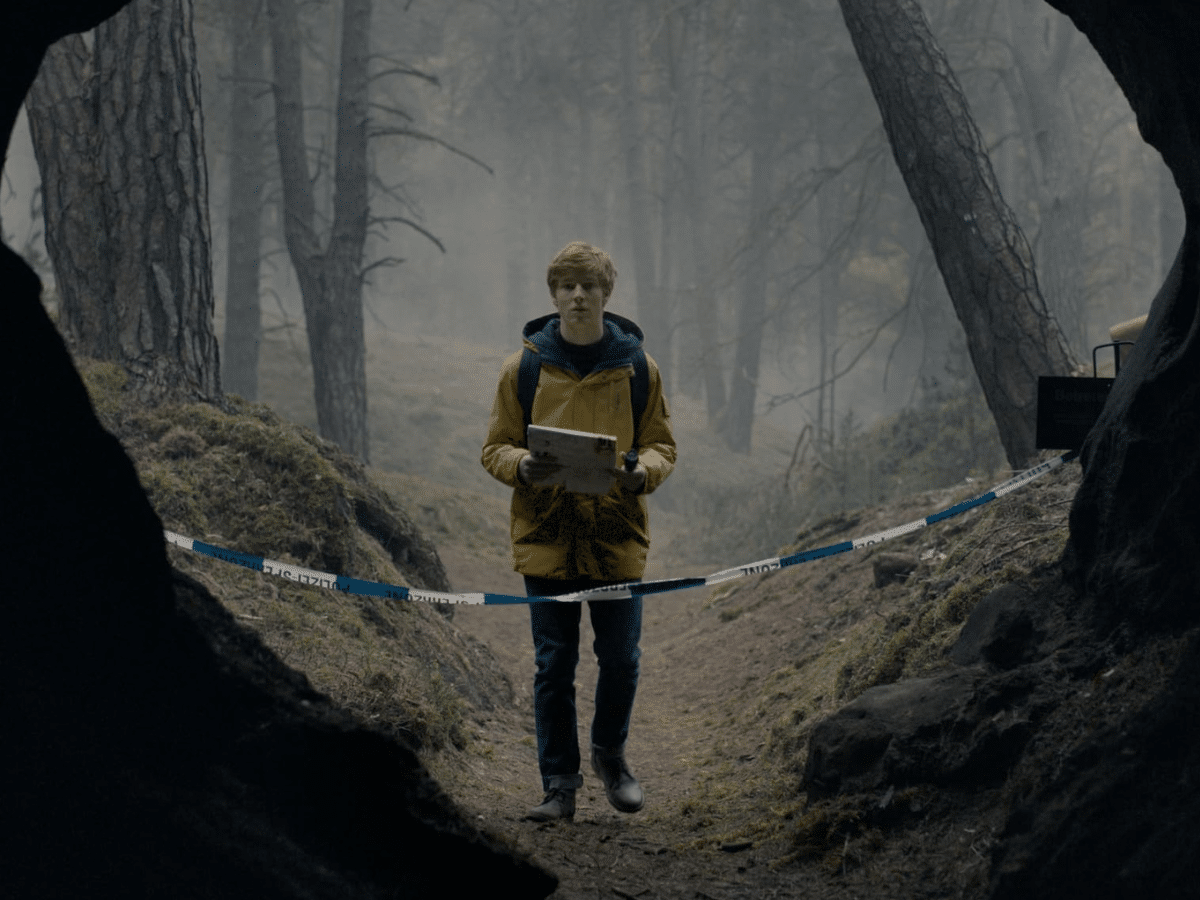
2. Dark (Netflix)
Baran bo Odar and Jantje Friese’s German-language thriller Dark is widely cited as one of the most complex narratives ever televised. Spanning three seasons and nearly 200 years of paradoxical time travel, the series demands that viewers maintain a mental map of four interconnected families. Because the show relies on intricate causal loops and subtitled dialogue, it is virtually impossible to follow while "second-screening." Its success proved that global audiences are willing to engage with high-concept, non-English content if the payoff is intellectually satisfying.
3. The Leftovers (HBO)
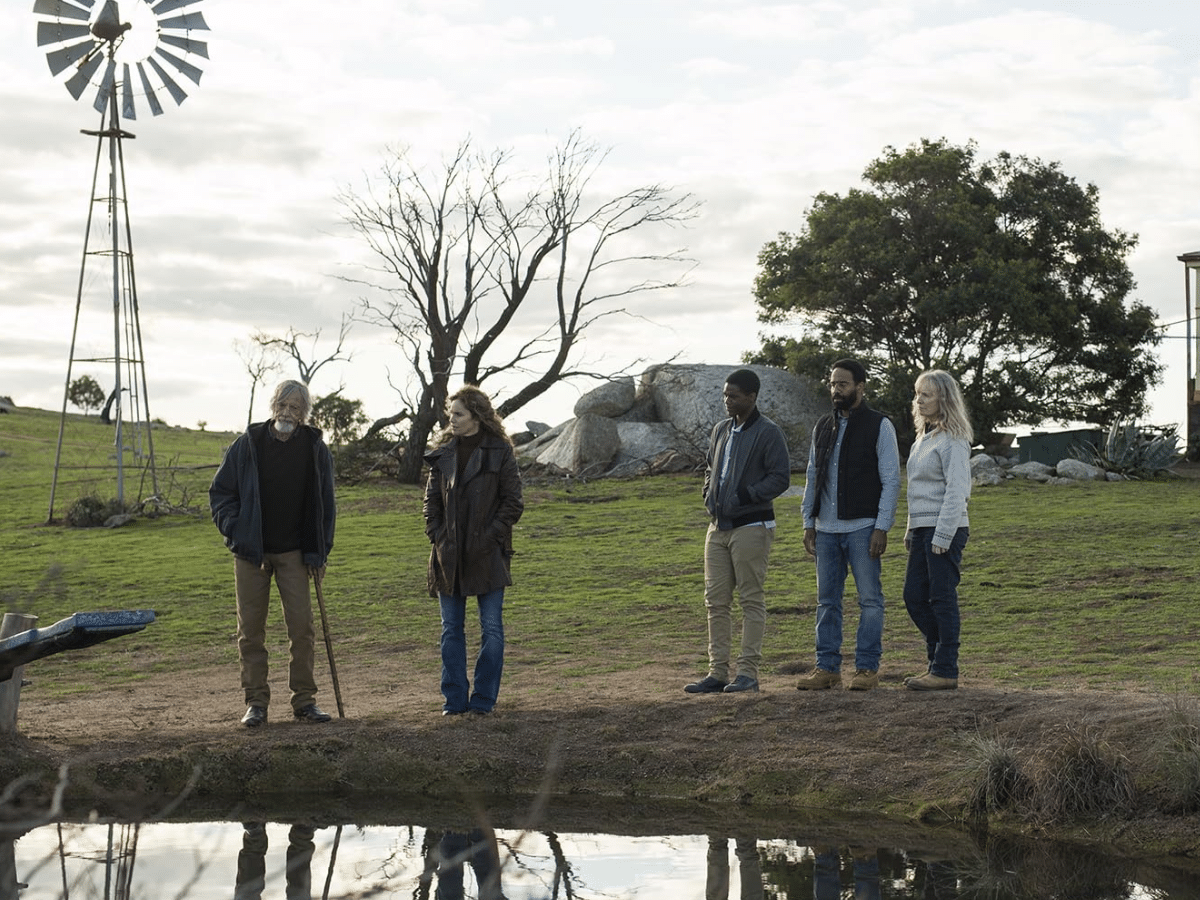
Created by Damon Lindelof and Tom Perrotta, The Leftovers examines the psychological aftermath of a global event where 2% of the world’s population vanishes. Unlike traditional mystery shows, it refuses to provide easy answers, focusing instead on grief, faith, and the human search for meaning. The series is noted for its "bottle episodes" and surrealist imagery, which serve as an emotional gauntlet that requires the viewer’s full empathy and attention.
4. Twin Peaks: The Return (Showtime)
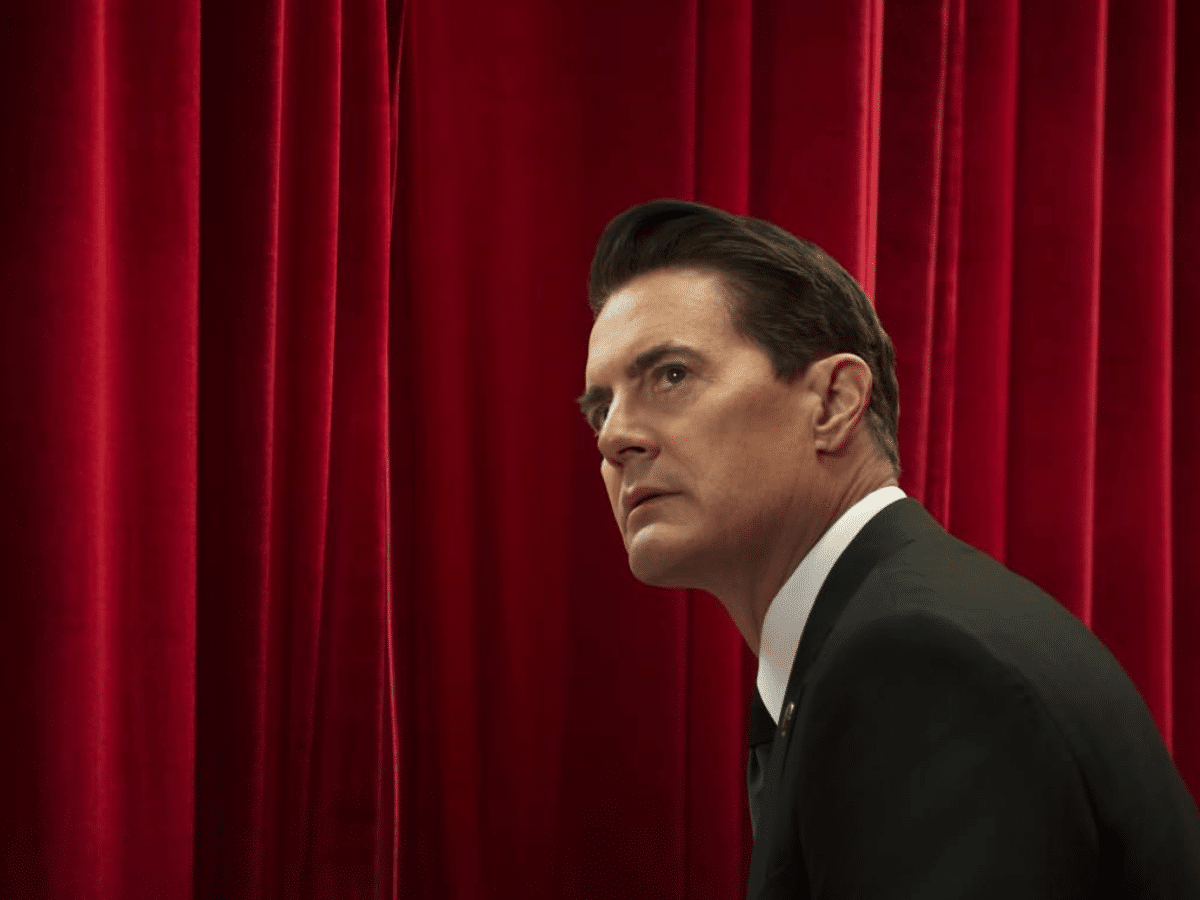
David Lynch’s 2017 revival of his 1990s cult classic redefined the boundaries of the medium. The Return eschewed traditional narrative structures in favor of abstract sound design and prolonged, static shots. Lynch has famously criticized the consumption of film and television on small devices, stating that the "cinematic experience" is lost when attention is divided. Twin Peaks remains a testament to the power of the "unexplained" in an era where most content is over-explained.
5. The Wire (HBO)
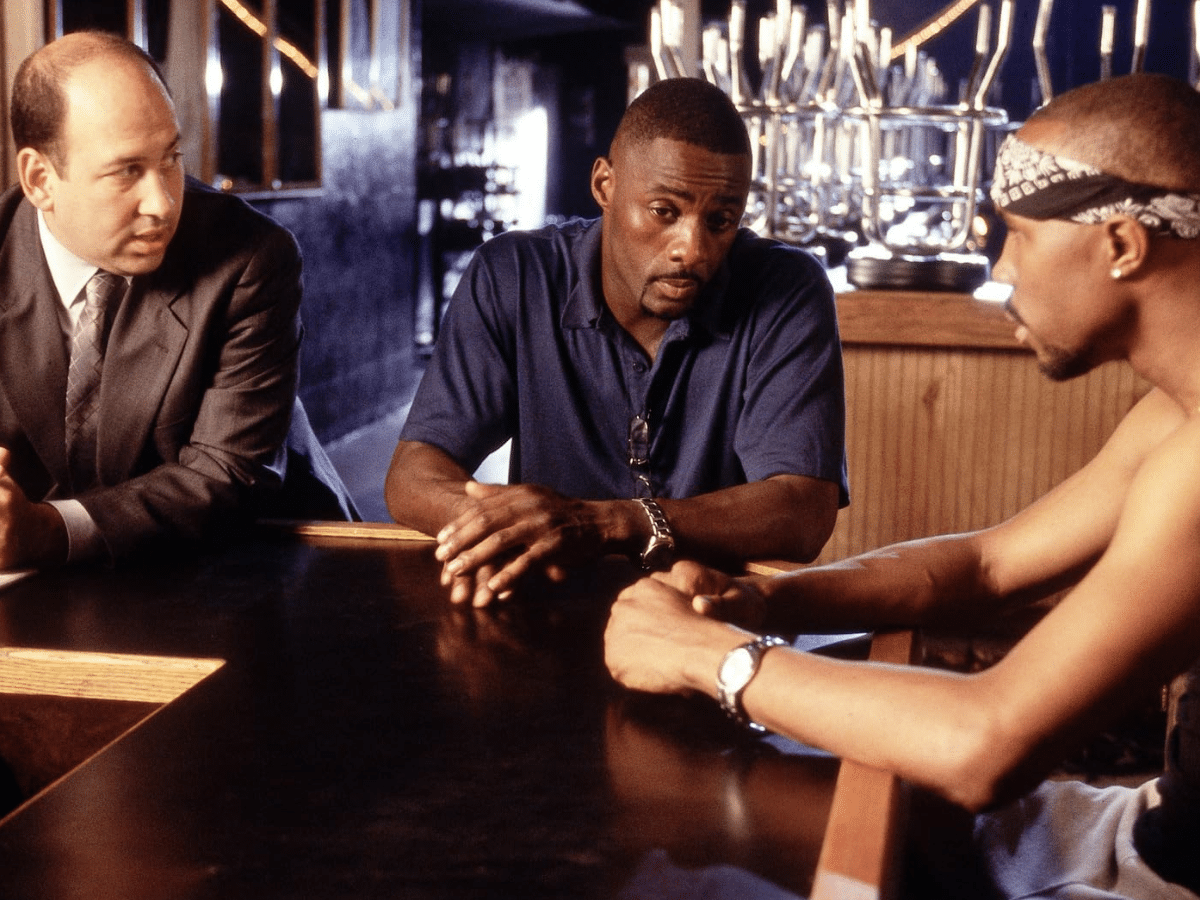
David Simon’s journalistic examination of Baltimore’s institutions—from the drug trade to the school system—is often described as a "visual novel." The Wire avoids the use of non-diegetic music and utilizes a massive ensemble cast where no single character is the "hero." The complexity of its social commentary requires a level of focus that modern "second-screen" police procedurals intentionally avoid.
6. Shōgun (FX/Disney+)
A 2024 adaptation of James Clavell’s novel, Shōgun demonstrates the continued viability of the historical epic. By utilizing Japanese as the primary language for much of the dialogue, the series forces English-speaking audiences to read subtitles, effectively neutralizing the possibility of distracted viewing. Its success in the ratings suggests a significant appetite for "high-effort" viewing experiences.
The Vince Gilligan Influence: Breaking Bad and Beyond
Vince Gilligan’s work represents a bridge between the Golden Age and the modern era. Breaking Bad (2008–2013) utilized "visual storytelling" to convey character transformation, often using entire sequences without dialogue to show Walter White’s descent into the drug trade. This was followed by Better Call Saul, a prequel that many critics argue surpassed the original in its meticulous attention to detail and slow-burn pacing.
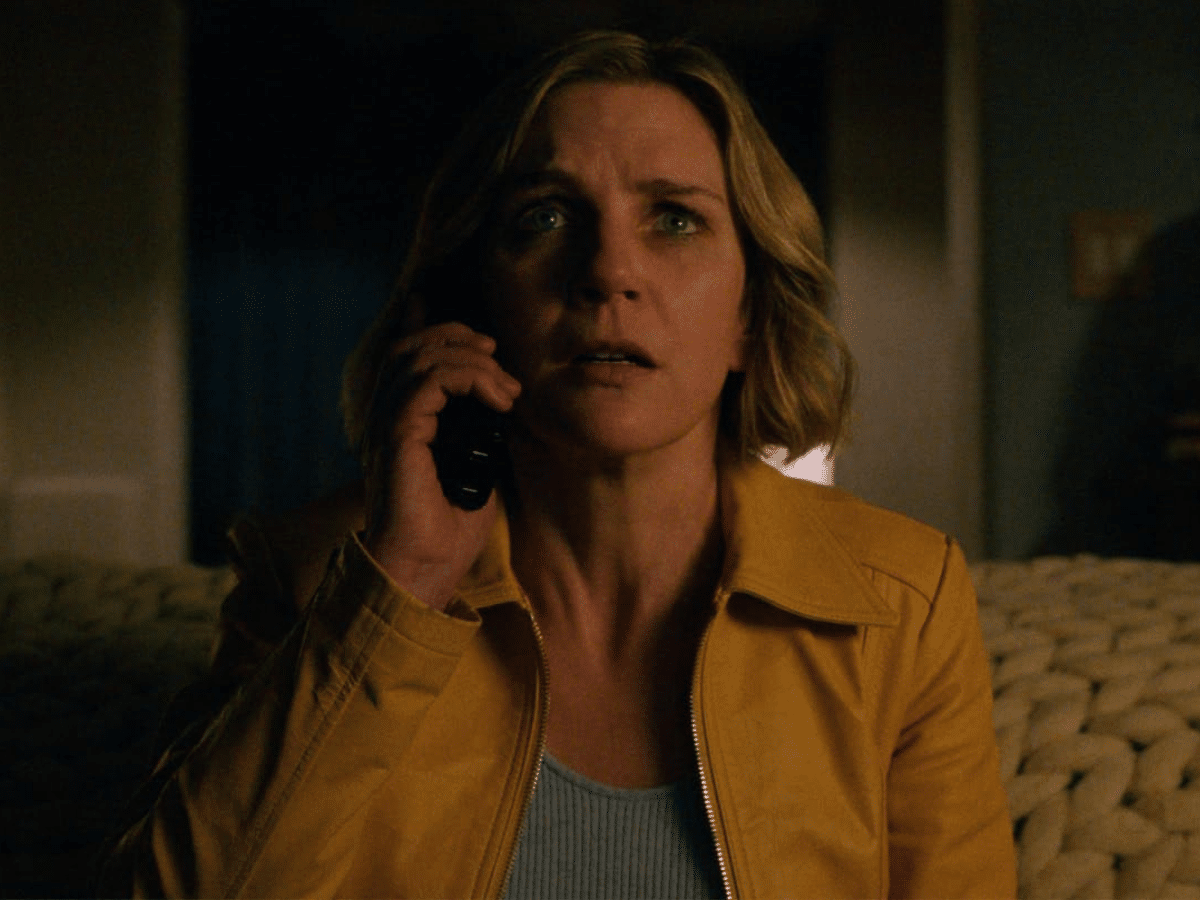
Gilligan’s upcoming project, Pluribus (starring Rhea Seehorn), is expected to continue this trend. Set in a world where individuality is a rare commodity, the series reportedly utilizes Gilligan’s signature "meticulous realism" to ground a sci-fi premise. The industry’s willingness to fund such high-concept projects—despite the trend toward ambient media—indicates that the "prestige" label remains a valuable brand for streamers like Apple TV+.
Industry Reactions and the Economics of Attention
The tension between "content" and "art" has prompted reactions from industry leaders. In a 2022 interview, director Christopher Nolan noted that the migration of high-budget storytelling to television has created a "new literacy" among audiences, but warned that the "distraction economy" threatens the depth of that literacy. Similarly, showrunners have expressed frustration with the "completion rate" metrics used by platforms like Netflix, which may penalize shows that are "difficult" or require multiple viewings to understand.
From a data perspective, the "prestige" model relies on different KPIs (Key Performance Indicators) than ambient content. While second-screen shows aim for high "minutes viewed," prestige series aim for critical acclaim, awards (Emmys, Golden Globes), and "social currency"—the ability to drive online discourse and cultural relevance. This social currency is what prevents "churn," as subscribers keep their accounts to remain part of the cultural conversation surrounding shows like Succession or The White Lotus.
Broader Impact and Implications for the Future of Media
The proliferation of second-screen content has significant implications for the future of scriptwriting and cognitive health. Neuroscientists have suggested that the habit of "multiscreening" may reduce the brain’s ability to engage in "deep work" or sustained focus. For the television industry, this creates a feedback loop: as audiences become more distracted, writers are encouraged to write simpler scripts, which in turn further diminishes the audience’s attention span.
However, the "prestige" shows listed above serve as a vital counterweight. By demanding undivided attention, these series preserve the "theatrical" nature of storytelling within the home environment. They suggest that while "ambient television" may dominate the volume of content produced, the "event television" that defines generations will always be that which requires the viewer to put down the phone and look at the screen.
As the streaming wars enter a phase of consolidation, the industry is likely to see a clearer separation between "utility content" and "prestige art." For the discerning viewer, the challenge will be to identify the series that reward the investment of time—a resource that is becoming increasingly scarce in the digital age. The enduring legacy of shows like The Wire, Breaking Bad, and Severance proves that when a story is told with enough precision and depth, it can still command the one thing the modern world is most reluctant to give: its full attention.


 Jia Lissa
 Pevita Pearce
 Joko Widodo
 admin
admin