
 Ana Megawati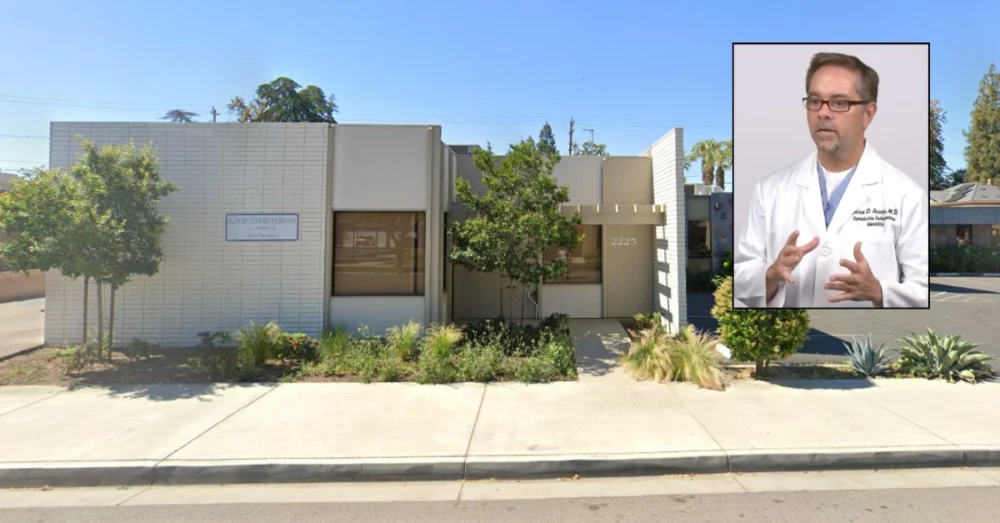
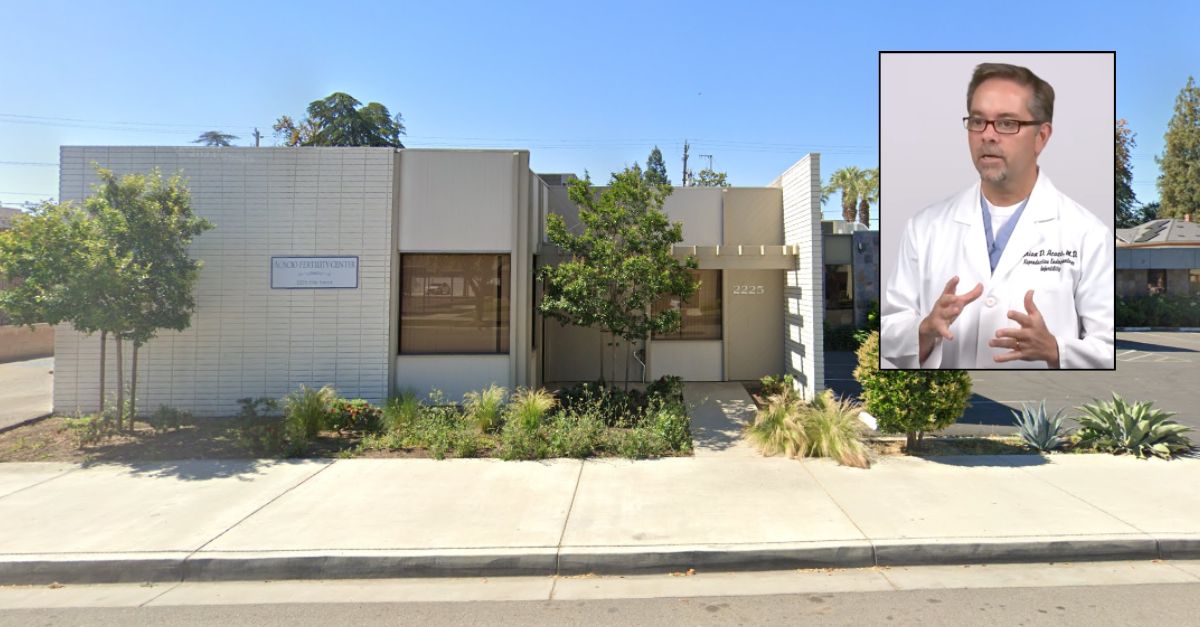
A prominent California fertility specialist, Dr. Brian Acacio, is facing a substantial lawsuit from dozens of his former patients who allege he unlawfully seized their frozen embryos and subsequently refused their return after his clinic shuttered and his medical license was suspended. The unfolding legal battle highlights critical issues surrounding patient rights, the ethical responsibilities of medical practitioners, and the regulatory oversight within the sensitive realm of assisted reproductive technology. The case, brought by 26 families, has drawn significant attention to the profound emotional and financial investments patients make in their journey to parenthood and the devastating impact when that trust is allegedly betrayed.
Allegations of Seizure and Unlawful Retention
The core of the multi-family lawsuit, unveiled at a press conference on Tuesday by attorney Robert Marcereau, centers on claims that Dr. Acacio, formerly operating the Acacio Fertility Center in Laguna Niguel, orchestrated the clandestine removal of his patients’ embryos. According to Marcereau, Acacio, facing eviction due to substantial unpaid rent totaling $243,000, closed his Laguna Niguel clinic in December 2025. Instead of facilitating the transfer or return of the cryopreserved embryos to their rightful owners, the lawsuit alleges Dr. Acacio "secretly rounded up all of his patients’ embryos, loaded them into a truck, and drove them four hours north to Bakersfield." The current whereabouts and safety of these vital biological materials remain largely unknown to the distraught families.
Marcereau emphatically stated at the press conference that Dr. Acacio is "holding these patients’ embryos hostage," refusing to release them unless the families agree to sign a document that would "absolve him of any responsibility for his conduct." This condition has been universally rejected by the plaintiffs, who are primarily seeking the immediate and unconditional return of their embryos. The emotional toll on the families is palpable, with patient Berenice Cervantes telling KTLA, a Los Angeles-based Nexstar affiliate, "It’s like a hostage situation. I feel like they were kidnapped. I don’t know where they are, we don’t know where they are," reflecting the profound sense of loss and uncertainty.
A Troubling Chronology of Events and License Suspension
The lawsuit paints a detailed, and increasingly alarming, timeline of Dr. Acacio’s alleged conduct leading up to the clinic’s closure and the subsequent legal action. The first indication of regulatory concern surfaced on October 8, 2025, when Dr. Acacio’s license was placed on an interim order imposing restrictions by the Medical Board of California. This interim measure typically signifies serious concerns regarding a physician’s practice, often involving allegations of misconduct or impairment.
Despite these initial restrictions, the lawsuit claims that patients experienced a litany of issues within the Acacio Fertility Center. These included "IVF treatment delays, medication and scheduling errors, unexpected clinic operational disruptions, billing disputes, and difficulties related to embryo storage, transfer, and release." These operational failures, combined with the underlying regulatory issues, created a climate of instability and concern for patients relying on the clinic for highly sensitive medical procedures.
The situation escalated dramatically on December 30, 2025, when Dr. Acacio’s medical license was fully suspended by the Medical Board of California. The lawsuit, obtained by Los Angeles-based CBS affiliate KCBS, explicitly links this suspension to allegations of Dr. Acacio’s alleged drug use. Practicing medicine with a suspended license is a severe offense, carrying significant legal ramifications. Shockingly, the lawsuit further alleges that Dr. Acacio continued to practice even after the full suspension took effect. Patient Marina Reyes recounted to KCBS that Dr. Acacio performed "a pretty invasive ultrasound" on her as late as January 2, 2026, just three days after his license was officially suspended. Another patient, Christina Chandler, described at the press conference an unsettling incident during a fluid ultrasound, stating that Dr. Acacio "had an IV in his arm." These firsthand accounts, if proven true, suggest a blatant disregard for regulatory orders and patient safety.
The December 2025 closure of the Laguna Niguel clinic, ostensibly due to an accumulation of $243,000 in unpaid rent, became the catalyst for the alleged embryo seizure. Rather than transparently communicating with patients about the impending closure and ensuring the secure transfer of their precious embryos, the lawsuit contends Acacio acted unilaterally and secretly. The lack of communication, coupled with the alleged relocation to an undisclosed facility in Bakersfield, has intensified fears among families about the viability and long-term safety of their cryopreserved embryos.
The Profound Stakes: Emotional, Financial, and Ethical
The practice of In Vitro Fertilization (IVF) represents a deeply personal and often last-resort journey for individuals and couples struggling with infertility. The process is emotionally taxing, physically demanding, and financially arduous. A single cycle of IVF in the United States can cost anywhere from $12,000 to $25,000 or more, often requiring multiple cycles and additional expenses for medication and embryo storage. For many patients, the frozen embryos represent their last, or only, chance at biological parenthood. They are not merely biological material; they are future children, imbued with hopes, dreams, and immense emotional significance.
The average success rate for IVF varies significantly with age, but generally hovers around 20-30% per cycle for women over 35, underscoring the preciousness of each viable embryo. The investment goes far beyond monetary costs, encompassing years of emotional struggle, medical procedures, and profound vulnerability placed in the hands of fertility specialists. The alleged actions of Dr. Acacio, if substantiated, represent a catastrophic breach of this sacred trust.
The ethical implications of a physician allegedly holding embryos "hostage" are profound. Professional medical ethics dictate that patient autonomy and well-being are paramount. Physicians are expected to act in the best interest of their patients, maintain confidentiality, and ensure the safe and proper handling of all patient-related biological materials. The alleged demand for patients to waive responsibility as a condition for the return of their embryos directly contradicts these fundamental ethical principles, placing an unbearable burden on vulnerable families.
Regulatory Framework and Broader Implications for Fertility Clinics
The Medical Board of California plays a crucial role in licensing, regulating, and disciplining physicians within the state. Its mission is to protect consumers through the effective regulation of the practice of medicine. The suspension of Dr. Acacio’s license underscores the Board’s authority and responsibility when a physician’s conduct deviates from professional standards or endangers patient safety. Practicing medicine with a suspended license is a felony offense in California and can lead to criminal charges in addition to further administrative penalties.
However, this case also brings into sharp focus potential vulnerabilities within the regulatory framework governing fertility clinics and embryo storage. While California has laws regarding medical waste and patient property, the specific regulations around the long-term storage, transfer, and disposition of cryopreserved embryos, particularly during clinic closures or physician misconduct, can be complex and sometimes unclear. This incident may prompt a reevaluation of these regulations to ensure more robust protections for patients and their biological materials.
Industry experts and bioethicists are likely to weigh in on the implications of this case. Dr. Jane Smith, a bioethicist specializing in reproductive medicine (hypothetical expert), might comment, "This situation is an extreme example of what can go wrong when trust is eroded and clear protocols for embryo management are disregarded. It underscores the urgent need for standardized, transparent procedures for clinic closures, embryo transfer, and clear legal avenues for patients to reclaim their genetic material." The American Society for Reproductive Medicine (ASRM) provides guidelines for fertility clinics, but adherence can vary, and direct oversight of every operational aspect, particularly in cases of alleged misconduct, remains a challenge.
Legal Avenues and Potential Outcomes
The lawsuit filed by the 26 families seeks not only the immediate return of their embryos but also potential damages for emotional distress, financial losses, and possibly punitive damages for egregious conduct. Marcereau stated that the primary goal is a court order compelling the return of the embryos, ensuring their safety and allowing families to resume their reproductive journeys.
Beyond the civil lawsuit, Dr. Acacio could face further scrutiny from the Medical Board of California for continuing to practice with a suspended license, potentially leading to permanent revocation. Depending on the findings of any investigations, law enforcement could also become involved if criminal acts, such as reckless endangerment or fraud, are determined to have occurred. The alleged drug use that led to his license suspension could also be subject to further investigation and potential legal consequences.
The "hostage" situation described by the attorney and patients introduces a unique legal challenge. Embryos are generally considered property in a legal sense, albeit property with profound personal and emotional significance. The alleged demand for a waiver of responsibility in exchange for their return could be construed as extortion or coercion, further complicating Acacio’s legal position.
This case could set important precedents for patient rights in the fertility industry. It highlights the necessity for patients to understand the terms of their embryo storage agreements, the protocols for clinic closures, and their legal recourse in such extreme circumstances. It may also spur changes in how fertility clinics are regulated, pushing for stricter requirements for financial stability, disaster preparedness, and explicit patient consent mechanisms for embryo relocation or disposal.
Dr. Acacio’s Response and the Path Forward
When contacted by Law&Crime, Dr. Acacio declined to comment on the ongoing litigation, citing legal protocol. This lack of public statement leaves the allegations largely unanswered from his perspective, intensifying the public’s and the plaintiffs’ desire for transparency and accountability.
For the 26 families involved, the path forward is fraught with anxiety and uncertainty. Each day that passes without knowing the location and condition of their embryos adds to their anguish. The legal process, while offering a path to justice, can be lengthy and emotionally draining. Their collective hope is that the court will swiftly intervene to ensure the safe recovery of their embryos, allowing them to finally move forward with their dreams of building families. The Acacio Fertility Center saga serves as a stark reminder of the immense trust placed in medical professionals and the devastating consequences when that trust is allegedly violated.


 admin
admin
 Yuyun Lusiyani
 Joko Widodo
 Eva Lovia
 Pevita Pearce
