Eva Lovia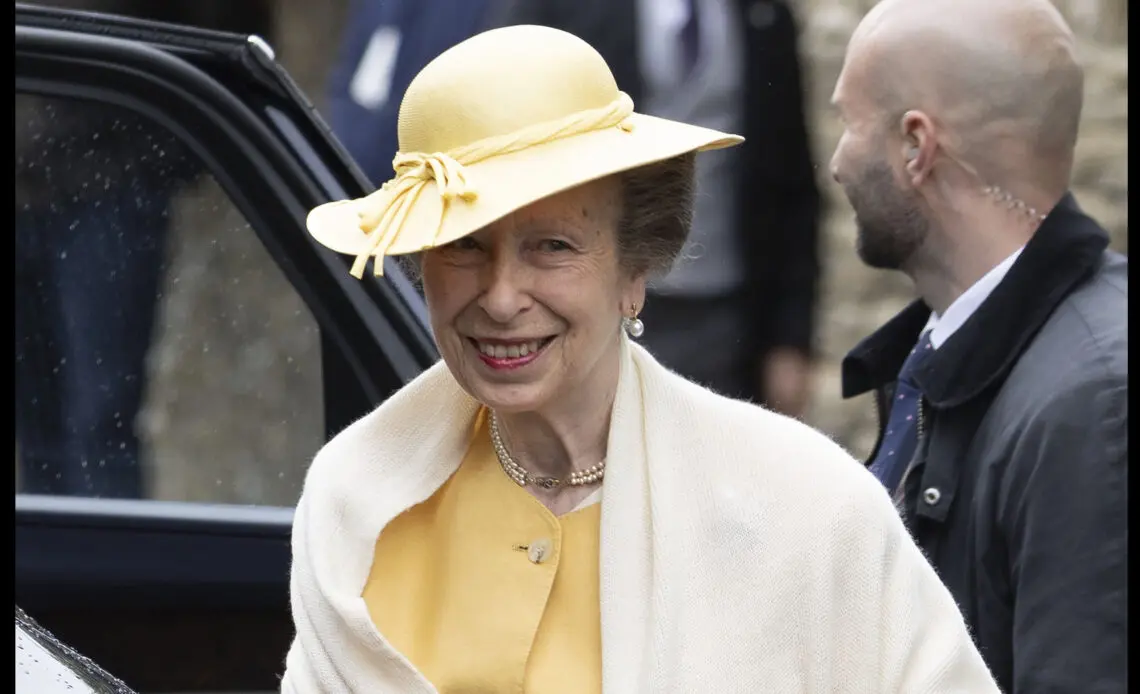
Princess Anne has emerged as the most popular member of the British Royal Family according to the latest comprehensive rankings released by YouGov, a respected public opinion and data analysis firm. The Princess Royal secured the top spot among British adults with an impressive popularity rating of 67 per cent, surpassing other prominent royals including Catherine, the Princess of Wales, who follows with 64 per cent, and Prince William, who ranks third with 62 per cent. These findings, which are regularly updated by YouGov based on ongoing data collection, offer a nuanced view of public perception, distinguishing between widespread recognition and genuine positive regard for individual members of the monarchy.
Understanding YouGov’s Royal Rankings
YouGov’s methodology for assessing public perception of prominent figures, including members of the Royal Family, is multifaceted. The firm measures two key metrics: "fame" and "popularity." Fame quantifies the percentage of the public who have heard of a particular individual, indicating their level of public recognition. Popularity, conversely, measures the percentage of respondents who hold a positive opinion of that individual. This distinction is crucial, as it highlights that high visibility does not automatically equate to widespread public affection or approval. The latest YouGov data, compiled from responses gathered over time and updated quarterly, provides a robust snapshot of public sentiment towards the monarchy.
Princess Anne’s Enduring Appeal
Princess Anne’s consistent presence at the forefront of these popularity polls is a testament to her enduring appeal and perceived dedication to her royal duties. With a fame rating of 93 per cent, indicating that almost all British adults are familiar with her, her popularity score of 67 per cent underscores a strong positive connection with the public. This indicates that a significant majority of those aware of her view her favourably. Her consistent engagement with a wide range of charities and patronages, coupled with a reputation for no-nonsense efficiency and unwavering commitment, likely contributes to her high standing. Unlike some other royals whose public image may be more subject to the ebb and flow of media narratives, Princess Anne has cultivated an image of steadfast service.
The Prince and Princess of Wales: High Visibility, Strong Support
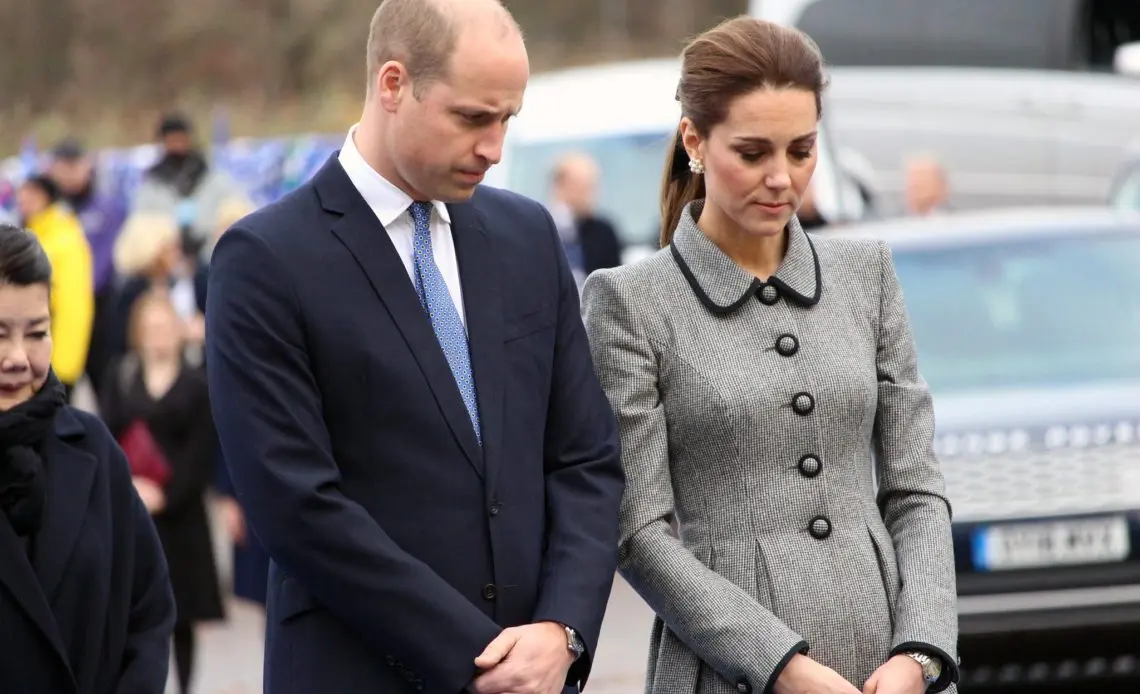
While Princess Anne takes the lead, the Prince and Princess of Wales remain highly visible and popular figures. Prince William boasts a remarkable fame rating of 98 per cent, making him one of the most recognised individuals in the UK. His popularity, while slightly lower than his aunt’s at 62 per cent, still places him in a strong third position. Catherine, the Princess of Wales, matches her husband’s high fame rating at 98 per cent and secures a close second in popularity with 64 per cent. This indicates that both William and Catherine are widely known and generally well-regarded, reflecting their prominent roles in public life and their increasing responsibilities within the Royal Family. Their engagement with diverse causes, from mental health to early years development, resonates with a broad segment of the population.
King Charles III’s Position in the Rankings
King Charles III, who ascended to the throne following the passing of Queen Elizabeth II in September 2022, occupies fourth place in the overall popularity rankings with a score of 53 per cent. His fame rating is exceptionally high at 96 per cent, meaning he is recognised by nearly every adult in Britain. However, his popularity score places him below Princess Anne, the Princess of Wales, and Prince William. This suggests that while the public acknowledges his position and role as monarch, his personal popularity has not yet reached the levels of his niece or his eldest son and daughter-in-law. This is not uncommon for new monarchs, as public perception often takes time to coalesce around a new sovereign, and his reign is still relatively nascent. The transition from Prince of Wales to King has involved a shift in public scrutiny and expectation.
The Duke and Duchess of Edinburgh: Steady Presence
Prince Edward, the Duke of Edinburgh, and his wife, Sophie, the Duchess of Edinburgh, also feature prominently in the YouGov rankings. The Duke ranks fifth with a popularity rating of 47 per cent, while the Duchess follows closely with 45 per cent. Both enjoy significant public recognition, reflecting their sustained involvement in royal engagements and their support for various charitable organisations. Their more understated public profile, particularly compared to the direct heirs, may contribute to a steady and positive, if not overwhelmingly enthusiastic, public reception.
Zara Tindall and Queen Camilla: Varying Degrees of Popularity
Princess Anne’s daughter, Zara Tindall, is placed seventh in the overall list with a popularity rating of 39 per cent. Her inclusion in the rankings highlights the public’s interest in the wider Royal Family beyond the core working royals. Queen Camilla, who has increasingly taken on a more public role as Queen Consort, has a popularity rating of 33 per cent. While her fame rating is high, her personal popularity remains lower than several other senior royals, a reflection of historical public sentiment and the evolving narrative around her role.
The Sussexes: A Stark Divide in Public Perception
The YouGov data reveals a significant divergence in public perception regarding Prince Harry and Meghan, the Duchess of Sussex. Prince Harry demonstrates a high level of fame, with 98 per cent of British adults having heard of him. However, his popularity score stands at a comparatively lower 29 per cent. He ranks tenth in the overall list. The Duchess of Sussex has a fame rating of 95 per cent, but her popularity score is even lower, at 22 per cent, placing her thirteenth in the rankings. This stark contrast between high recognition and lower popularity for both the Duke and Duchess of Sussex underscores the divisive nature of their public image in the United Kingdom, particularly since their decision to step back from senior royal duties and relocate to North America. Their media appearances and public statements continue to generate considerable discussion and varying reactions.
Age Demographics: Shifting Preferences
The YouGov survey also provides valuable insights into how popularity ratings differ across age demographics. When segmented by millennials (individuals born roughly between 1981 and 1996), Prince William emerges as the most popular royal with a score of 60 per cent. Princess Anne follows with 55 per cent, and Catherine, the Princess of Wales, ranks third with 51 per cent. Notably, Prince Harry’s popularity among millennials is 34 per cent, and Meghan’s is 29 per cent, indicating a more favourable, though still moderate, reception within this younger demographic compared to the overall population.
Among Baby Boomers (born roughly between 1946 and 1964), Princess Anne is the undisputed leader, achieving an exceptionally high popularity rating of 89 per cent. Catherine, the Princess of Wales, follows with 84 per cent, and Prince William with 68 per cent. These figures strongly suggest that Princess Anne’s appeal is particularly resonant with older generations, likely due to her long-standing public service and her association with a more traditional era of the monarchy.
Implications of the Rankings
The YouGov rankings offer several key takeaways for understanding the current standing of the British Royal Family. Princess Anne’s consistent high performance suggests that a reputation for diligent work, a no-nonsense approach, and a perceived lack of public controversy can foster deep and lasting public admiration. Her position at the top, especially among older demographics, indicates a strong connection to the core values many associate with the monarchy.
The strong showing of the Prince and Princess of Wales highlights their successful integration into their future roles. Their high fame and popularity ratings suggest they are effectively connecting with the public and building a strong foundation for their future reign. Their ability to appeal across different age groups, as demonstrated by their prominent positions in both the overall and millennial rankings, is a significant asset.
King Charles III’s slightly lower popularity, while not unusual for a new monarch, presents an ongoing challenge. His ability to translate his extensive experience and dedication into broader public affection will be a key focus of his reign. The data suggests that while his role as King is recognised, personal popularity may take time to build, and his reign will likely be viewed through a different lens than that of his highly popular mother.
The significant disparity in popularity between Prince Harry and other senior royals, particularly within the UK, indicates a continued disconnect between the Sussexes’ public image and that of the established institution. Their engagement with global media and their differing approach to public life have clearly created a chasm in public opinion, with their popularity remaining considerably lower than their fame.
The Evolving Nature of Royal Perception
These YouGov rankings are not static; they are a reflection of public sentiment at a given time. The Royal Family’s public perception is influenced by a multitude of factors, including media coverage, the effectiveness of their charitable work, their engagement with topical issues, and the personal conduct of individual members. As the monarchy navigates the 21st century, understanding these shifting dynamics, as captured by data analysis firms like YouGov, is crucial for maintaining its relevance and public support. Princess Anne’s leading position serves as a powerful reminder that consistent, dedicated service often resonates most deeply with the public, transcending fleeting trends and celebrity. The continued tracking of these figures will offer ongoing insights into the public’s evolving relationship with the British Crown.


 Yuyun Lusiyani
 Joko Widodo
 admin
admin