Pevita Pearce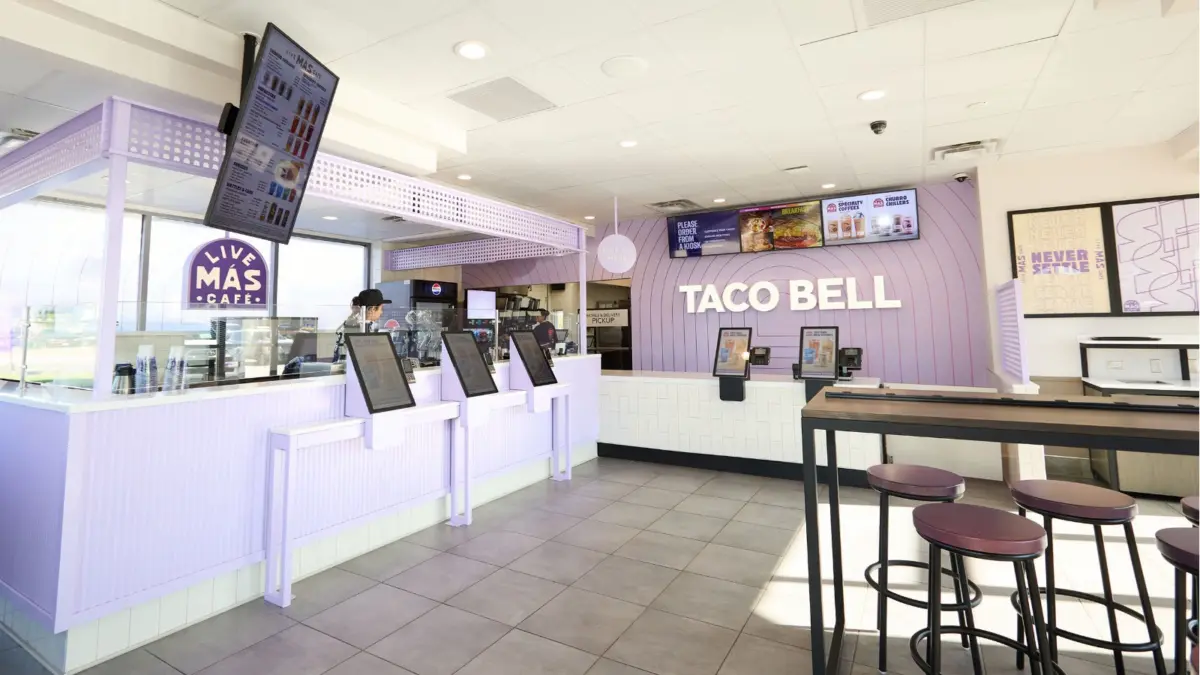
Taco Bell, a subsidiary of Yum! Brands, has officially announced a significant expansion of its Live Mas Cafe concept, marking a strategic pivot toward the high-growth specialty beverage sector. On October 15, the company detailed plans to introduce the cafe format to several new domestic markets, including Indiana, Southern California, and Las Vegas, while simultaneously launching a new suite of horchata-inspired beverages. This move signals Taco Bell’s intention to compete more directly with established coffee and snack-oriented chains by leveraging its brand identity and existing infrastructure to capture a larger share of the afternoon and evening refreshment market.
The expansion comes as the Live Mas Cafe concept transitions from a limited-scale test to a more prominent fixture within the brand’s portfolio. Since its initial debut as a beverage-focused experimental platform, the concept has grown to 39 locations and has successfully moved approximately 1.3 million specialty drinks. The upcoming phase of growth will see the brand exploring both integrated cafe units within existing restaurants and standalone flagship locations designed to serve as high-visibility brand touchpoints.
The Strategic Introduction of Horchata-Inspired Beverages
Central to the October announcement is the introduction of four new horchata-inspired drinks, which represent a modern, fast-food-accessible take on the traditional Mexican rice milk beverage. Starting October 15, these drinks are available at participating Live Mas Cafe locations, with plans to bring a curated selection to the broader national market later in the year.
The new menu includes the Strawberry Horchata Refresca, the Vanilla Spiced Horchata Refresca, and the Vanilla Spiced Horchata Freeze. While these beverages will initially be exclusive to the specialized Live Mas Cafe outlets, Taco Bell has confirmed that a nationwide rollout for three of the variations—the Strawberry Horchata Refresca, the Vanilla Spiced Horchata Refresca, and a new Vanilla Spiced Horchata Freeze—is scheduled for December 10. This phased approach allows the company to build anticipation and refine operational workflows before the products hit thousands of locations across the United States.
The decision to focus on horchata reflects a broader industry trend of incorporating culturally significant flavors into mainstream menus. Horchata, known for its creamy texture and cinnamon-forward profile, aligns seamlessly with Taco Bell’s Mexican-inspired heritage. By modernizing the drink through "Refresca" (refreshing fruit-infused) and "Freeze" (slushy-style) formats, the chain is targeting a younger demographic that prioritizes customization and unique flavor combinations.
Regional Expansion and the Las Vegas Flagship
The geographical expansion of Live Mas Cafe is strategically targeted at markets with high foot traffic and diverse consumer bases. Southern California remains a primary focus, with three new locations slated for the Century City Mall, Irvine, and Tustin. These areas are characterized by high-density retail environments and a consumer base that is traditionally receptive to new beverage concepts.

In the Midwest, Indiana will see a cluster of three new cafes. The first is scheduled for a grand opening on October 22 in West Lafayette, home to Purdue University. Targeting college towns is a proven strategy for Taco Bell, as students often seek late-night dining and study-session beverages. Following the West Lafayette launch, additional cafes are expected to open in Greenfield and Muncie before the conclusion of the calendar year.
Perhaps the most ambitious component of the expansion is the new flagship Live Mas Cafe on the Las Vegas Strip. Scheduled to open later this fall, this location will be situated in a repurposed shipping container adjacent to the existing Taco Bell Cantina at 3717 S Las Vegas Blvd. The Las Vegas flagship is designed to be a high-energy destination, offering more than 20 specialty beverages, including several exclusive alcoholic options.
The "boozy" menu in Las Vegas will feature items such as the Boozy Mountain Dew Baja Blast, the Strawberry Passionfruit Refresca Rush, and the Cold Brew Cinnatini. By integrating alcohol into the cafe menu, Taco Bell is capitalizing on the success of its "Cantina" model, which has successfully merged fast food with a social, bar-like atmosphere in urban centers. Additionally, the Las Vegas location will serve as a retail hub for exclusive Taco Bell merchandise, further diversifying the brand’s revenue streams beyond food and beverage.
Analyzing the Live Mas Cafe Evolution
The Live Mas Cafe began as a low-risk testing ground for beverage innovation, a sector of the quick-service restaurant (QSR) industry that typically offers higher profit margins than traditional food items. According to internal data provided by the company, the concept has already served as the launchpad for nearly two dozen beverage innovations.
One notable success story cited by the brand is the "You Seem Pretty Pink for a Baja Blast" drink, which was launched in collaboration with pop star Olivia Rodrigo. That beverage became the most successful launch in the history of the Live Mas Cafe, demonstrating the power of limited-time offerings (LTOs) and celebrity partnerships in driving traffic and social media engagement.
The transition from 39 locations to a broader regional footprint suggests that Taco Bell’s leadership is confident in the scalability of the cafe model. Liz Matthews, Taco Bell’s Global Chief Food Innovation Officer, emphasized that the expansion is a direct response to consumer enthusiasm. "Our fans have always loved our beverages, and the response to Live Mas Cafe has shown us they’re craving even more," Matthews stated. "Seeing that excitement continue to grow across our Cafes tells us we’re onto something special, and we’re ready to take it even further."
Contextualizing the QSR Beverage War
Taco Bell’s move comes at a time when the QSR industry is witnessing what analysts describe as the "Beverage Wars." Competitors like McDonald’s have recently launched "CosMc’s," a small-format, beverage-led spinoff designed to compete with Starbucks and Dutch Bros. Similarly, chains like Chick-fil-A and Sonic have continued to expand their specialty drink and milkshake lineups to drive sales during the "afternoon slump"—the period between lunch and dinner.

For Taco Bell, the Live Mas Cafe serves multiple strategic purposes:
- Incremental Sales: By offering specialty coffees, cold brews, and frozen treats, the brand can attract customers during times of the day when they might not typically consider eating a taco or burrito.
- Brand Differentiation: While many competitors focus on standard soda or coffee, Taco Bell is leaning into its unique assets, specifically the cult following of the Baja Blast and its ability to experiment with Mexican-inspired flavors like horchata and tamarind.
- Operational Efficiency: The cafe-within-a-restaurant model allows Taco Bell to increase its average check size without requiring the massive overhead of a completely separate facility, though the Las Vegas shipping container model shows the brand is also willing to experiment with standalone real estate.
Chronology of the Rollout
To understand the scope of this expansion, it is helpful to look at the timeline established by the company:
- October 15, 2024: Official announcement of the expansion and the launch of four horchata-inspired drinks at existing Live Mas Cafe locations.
- October 22, 2024: Grand opening of the West Lafayette, Indiana, location at 252 E State Street.
- Late Fall 2024: Opening of the Las Vegas Strip flagship location, featuring exclusive alcoholic beverages and merchandise.
- December 10, 2024: Nationwide release of three horchata-inspired beverages (Strawberry Horchata Refresca, Vanilla Spiced Horchata Refresca, and Vanilla Spiced Horchata Freeze) at participating Taco Bell restaurants.
- Late 2024 – 2025: Rollout of additional locations in Greenfield and Muncie, Indiana, as well as Century City, Irvine, and Tustin, California.
- 2026: Continued expansion into new markets as part of the long-term growth strategy for the Live Mas Cafe brand.
Broader Economic and Market Implications
The expansion of the Live Mas Cafe is indicative of a broader shift within Yum! Brands to diversify its service models. As labor costs and food inflation continue to impact the QSR sector, beverage-focused concepts offer a pathway to maintaining profitability. Drinks typically require less labor to prepare than complex food items and have a longer shelf life for ingredients, reducing waste.
Furthermore, the focus on "Instagrammable" and unique beverages helps the brand maintain its cultural relevance. The inclusion of alcoholic options in high-profile markets like Las Vegas also positions Taco Bell as a lifestyle brand rather than just a convenience-based eatery. This strategy has proven successful in the past; the Taco Bell Cantina locations often outperform traditional units in terms of brand sentiment and social media mentions.
Industry analysts suggest that if the Live Mas Cafe continues its current trajectory, it could eventually become a standard feature in high-volume Taco Bell renovations across the country. The data gathered from the 1.3 million beverages already sold will likely inform future menu developments, potentially leading to more sophisticated coffee programs or health-conscious "Refresca" options as consumer preferences continue to evolve toward functional and lower-calorie beverages.
As the December 10 nationwide launch approaches, market observers will be watching closely to see if the horchata lineup can replicate the success of the Baja Blast, which has become a cornerstone of the Taco Bell identity. If successful, the Live Mas Cafe may transition from a "test concept" to a fundamental pillar of Taco Bell’s domestic growth strategy, further blurring the lines between fast food, specialty coffee, and social dining.



 Yuyun Lusiyani
 Joko Widodo
 Eva Lovia
 admin
admin