
 Pevita Pearce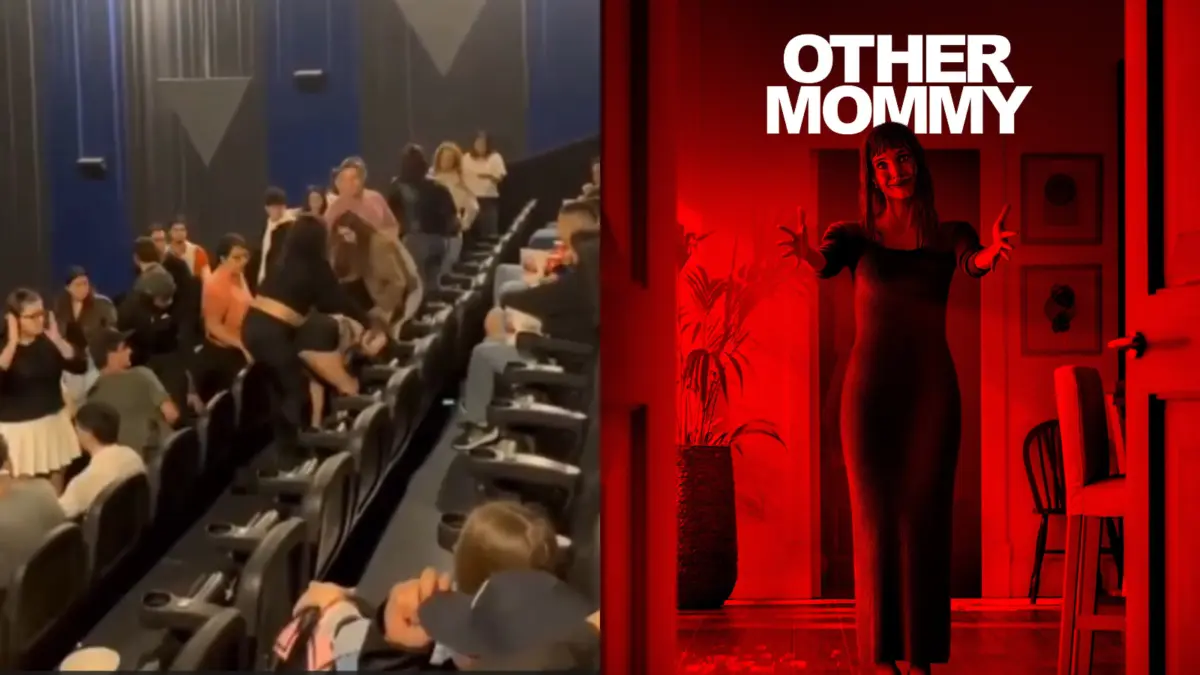
The screening of the horror film Other Mommy, known in local markets as Mamá Siniestra, was abruptly terminated at the Las Tipas cinema in Paraná, Argentina, following a violent confrontation between patrons that escalated into a chemical irritant attack. What began as a routine dispute over assigned seating quickly spiraled into a chaotic scene involving physical battery and the deployment of pepper spray, forcing the complete evacuation of the Paso del Paraná shopping center’s cinema complex on the evening of October 14. The incident, which left multiple attendees requiring medical attention and resulted in the arrest of two women, has sparked a broader conversation regarding public safety and the enforcement of theater etiquette in the region.
A Dispute Over Seating Escalates to Violence
The incident unfolded during a scheduled screening of the supernatural thriller Other Mommy, which had attracted approximately 50 viewers to one of the Las Tipas screening rooms. According to eyewitness accounts and local law enforcement reports, the tension began roughly 20 minutes after the film had started. A group of women entered the theater late and discovered that the seats corresponding to their purchased tickets were already occupied by other moviegoers.
In modern cinema environments, where assigned seating is the industry standard, such disputes are typically resolved through the intervention of ushering staff. However, in this instance, the verbal exchange between the late arrivals and the seated patrons rapidly deteriorated. Initial requests to vacate the seats were met with resistance, leading to a heated argument that disrupted the viewing experience for the rest of the audience.
As the verbal altercation intensified, cinema employees attempted to mediate the situation. Despite their efforts to de-escalate the conflict, the confrontation turned physical. Witnesses described a scene of significant violence, with participants engaging in hair-pulling, punching, and kicking. The close quarters of the theater seating exacerbated the situation, making it difficult for other patrons to distance themselves from the brawling parties.
The Deployment of Pepper Spray and Mass Panic
The nature of the incident shifted from a localized physical altercation to a public safety emergency when one of the involved parties deployed a canister of pepper spray. Sofía Alberto, a witness who spoke with the local news outlet Elonce, detailed the moment the situation became dangerous for the entire audience. According to Alberto, the physical fight reached a breaking point when one woman grabbed her friend by the hair and began a sustained assault.
As bystanders and staff moved in to separate the combatants, one of the aggressors reportedly produced a pepper spray canister and discharged it into the air. In the confined, poorly ventilated environment of a movie theater, the effects of the capsaicin-based irritant were immediate and widespread. Pepper spray is designed to cause intense burning of the eyes, temporary blindness, and severe respiratory distress.
"We all started coughing and our eyes began to sting," Alberto reported, noting that the irritant quickly spread through the room’s ventilation system. The sudden onset of physical symptoms among the 50 patrons—many of whom were not involved in the initial dispute—triggered a panicked rush for the exits. The cinema management was forced to halt the film immediately and initiate emergency evacuation protocols.
Emergency Response and Medical Treatment
The impact of the chemical discharge was not limited to the room where the fight occurred. Due to the interconnected nature of the cinema’s ventilation and the proximity of the screening rooms, the irritant began to affect moviegoers in adjacent theaters. Consequently, management made the decision to evacuate the entire Las Tipas complex to ensure the safety of all customers and staff.
Emergency medical services were dispatched to the Paso del Paraná shopping center to treat those affected by the spray. Among the victims were children and elderly individuals who experienced acute breathing difficulties and eye irritation. According to Argentine news outlet TN, the most serious injury reported was a woman who suffered a significant head wound during the physical struggle, which required stitches at a local medical facility.
In the aftermath of the evacuation, the shopping center’s management and the cinema’s leadership faced the logistical challenge of compensating hundreds of displaced moviegoers. Las Tipas subsequently announced that it would offer full refunds or replacement tickets to all customers whose evening was disrupted by the violence, while also cooperating fully with the ongoing police investigation.
Legal Consequences and Police Intervention
Following the evacuation, local police conducted a sweep of the shopping center and the surrounding parking facilities. Officers successfully located and detained two suspects—a 51-year-old woman and her 27-year-old daughter—in the parking lot as they were allegedly attempting to flee the scene in a vehicle. During the arrest, police seized a pepper spray canister, which is believed to be the weapon used inside the theater.
The legal ramifications for the mother and daughter were swift. On October 15, a presiding judge reviewed the initial evidence and imposed a 30-day restrictive measure against the two women. This judicial order prevents them from having any form of contact with the victims or their families while the prosecutor’s office builds a formal case. Potential charges include assault, battery, and the illegal use of a chemical irritant in a public space, which carries significant weight under Argentine law given the potential for mass harm.
Analysis of Cinema Safety and Crowd Behavior
The incident in Paraná highlights a growing concern for the entertainment industry regarding the management of high-tension disputes in crowded environments. While movie theaters are generally viewed as low-risk venues, the combination of dark environments, assigned seating friction, and the presence of weapons—even non-lethal ones like pepper spray—presents a unique challenge for security.
The use of pepper spray in an enclosed space like a cinema is particularly hazardous. Unlike outdoor use, where the irritant can dissipate, indoor deployment allows the particles to linger and circulate through HVAC systems, potentially causing a "stampede" effect as patrons struggle to breathe and see. This event serves as a stark reminder of the volatility that can arise from seemingly minor social infractions, such as seating disputes.
Furthermore, the choice of film—a horror movie titled Other Mommy—may have contributed to an already heightened state of arousal among the audience. Psychologically, horror films are designed to trigger the "fight or flight" response, increasing adrenaline levels. When a real-world conflict is introduced into such a setting, the likelihood of an aggressive escalation can increase as the barrier between cinematic tension and reality becomes blurred.
Broader Context: A Trend of Theater Disruptions
The Paraná brawl is not an isolated event but part of a documented trend of increasing volatility in public spaces. In September, a similar incident occurred in California, where a man was arrested for pepper-spraying a fellow moviegoer who refused to stop using his cellphone during a screening. These incidents suggest a breakdown in traditional "cinema etiquette" and a lower threshold for physical retaliation among the public.
Industry analysts suggest that the rise in such confrontations may be linked to several factors, including the post-pandemic adjustment to social gatherings and the increased prevalence of "defensive" tools like pepper spray being carried by civilians. While pepper spray is often marketed for self-defense, its use in a proactive or retaliatory manner in a crowded room is legally and ethically fraught.
Conclusion and Future Outlook
The management of Las Tipas and the Paso del Paraná shopping center have emphasized their commitment to patron safety following the October 14 incident. However, the event has raised questions about whether cinemas need to implement more stringent security measures, such as bag checks or increased floor security, to prevent the smuggling of chemical irritants into theaters.
As the 30-day restriction period for the two accused women proceeds, the community of Paraná remains shaken by the event. What was intended to be a night of fictional scares ended in a very real display of violence and chemical exposure. The incident serves as a case study for the necessity of robust conflict resolution training for service staff and the potential legal consequences for individuals who choose to escalate social disputes into physical warfare.
For now, the Argentine judiciary continues its investigation, and the victims—ranging from the woman who required stitches to the children who inhaled the noxious spray—await a final resolution in a case that has redefined the risks associated with a night at the movies in Entre Ríos province.




 Yuyun Lusiyani
 Joko Widodo
 Eva Lovia
 Jia Lissa
 admin
admin