
 Lina Irawan
The 50th anniversary of the Hong Kong Sevens marked a significant milestone in the history of international rugby, reinforcing the event’s status as the premier fixture on the World Rugby Sevens Series calendar. Since its inception in 1976, the tournament has evolved from a local club competition into a global phenomenon, blending elite athleticism with a carnival-like atmosphere that permeates the entire city. The 2024-2025 iteration served not only as a celebration of five decades of sport but also as a critical showcase for Hong Kong’s post-pandemic recovery and its transition toward modern infrastructure, highlighted by the integration of the new Kai Tak Sports Park. This milestone event attracted tens of thousands of international visitors, providing a substantial boost to the local economy and affirming Hong Kong’s position as a world-class destination for sports and luxury tourism.
Aviation and Infrastructure: The Gateway to the Sevens
The journey to the Hong Kong Sevens has traditionally been as much a part of the experience as the matches themselves. For the 50th anniversary, flag carrier Cathay Pacific utilized the event to showcase its latest aviation innovation: the Aria Suite. Integrated into the airline’s Boeing 777-300ER business class cabins, the Aria Suite represents a significant investment in the premium travel segment. The suite features privacy doors, a fully flat bed, and 4K entertainment systems, designed to cater to high-net-worth sports enthusiasts and business travelers arriving for the tournament.
This investment in passenger experience aligns with broader aviation data indicating a resurgence in long-haul premium travel to North Asia. According to industry reports, Cathay Pacific has seen a steady increase in load factors during major sporting windows, with the Sevens weekend historically representing one of the highest peaks in annual demand. The seamless transition from the high-altitude luxury of the Aria Suite to the ground-level energy of the city sets a specific tone for the weekend, emphasizing Hong Kong’s commitment to high-end service standards.
The Transition to Kai Tak: A New Era for Hong Kong Sport
A central theme of the 50th anniversary was the transition of the tournament’s focal point. While the Hong Kong Stadium in So Kon Po has been the spiritual home of the Sevens for decades, the move toward the Kai Tak Sports Park represents a modernization of the city’s sporting infrastructure. The new stadium, characterized by its sweeping retractable roof and vibrant glass exterior, offers a significantly higher capacity and improved spectator amenities.
The logistical shift to Kai Tak is supported by the Tuen Ma Line of the MTR (Mass Transit Railway), which facilitates rapid transit between the stadium and the commercial hubs of Central and Tsim Sha Tsui. For instance, travelers can now reach the stadium gates from Sai Ying Pun in under 25 minutes, a feat of urban planning that underscores the city’s efficiency. This infrastructure is vital for managing the surge in foot traffic associated with the Sevens, which regularly sees attendance figures exceeding 120,000 over the three-day period.

Chronology of the 50th Anniversary Tournament
The weekend’s proceedings followed a carefully curated schedule that balanced high-stakes rugby with cultural and entertainment segments.
Day One: Cultural Immersion and Opening Rounds
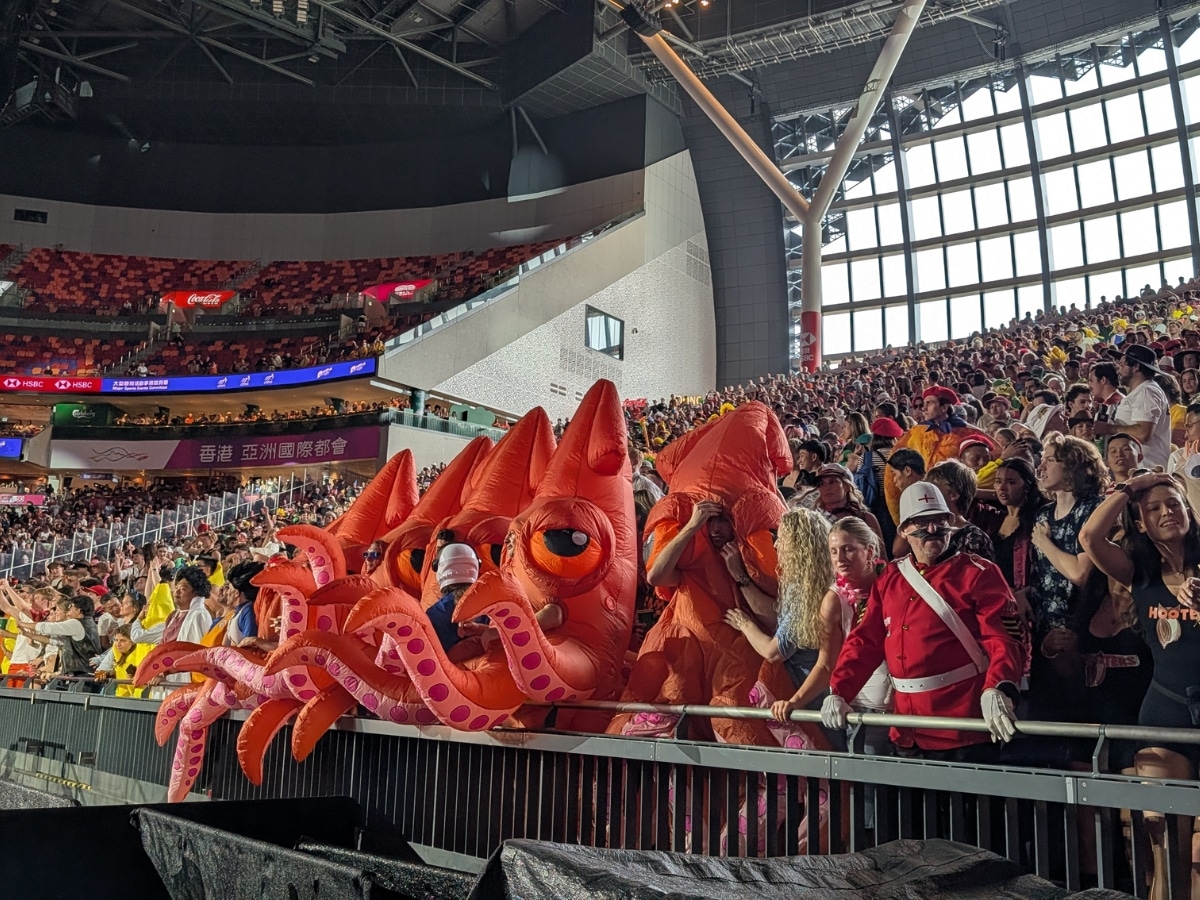
The tournament began with the traditional influx of fans to the markets of Central, particularly Pottinger Street. This historical area serves as the primary hub for the "costume culture" that defines the Hong Kong Sevens. Fans participated in a decades-long tradition of donning elaborate outfits, ranging from traditional Chinese imperial robes to satirical pop-culture costumes.
On the pitch, the opening rounds established a high competitive bar. The women’s competition saw early dominance from New Zealand and Fiji, while the men’s brackets featured intense rivalries. A notable upset occurred early in the schedule when Australia secured a victory over New Zealand in the men’s division, a result that shifted the momentum of the pool stages.
Day Two: Athletic Excellence and Mid-Tournament Entertainment
The second day focused on the physical toll and strategic depth of Sevens rugby. Matches were characterized by lightning-quick breaks and high-scoring affairs. Between the sporting segments, the tournament organizers leaned into nostalgia for the 50th anniversary, featuring entertainment acts such as the Vengaboys. This programming choice targeted the diverse demographic of the South Stand—the stadium’s most vocal and energetic section—merging 1990s pop culture with the intensity of world-class rugby.
Day Three: The Finals and Championship Crowns
The final day of the 50th anniversary delivered a masterclass in Sevens rugby. In the women’s final, New Zealand’s Black Ferns Sevens reaffirmed their dominance, securing the title with a display of technical precision. In the men’s competition, South Africa emerged as the eventual victors, overcoming a resilient Fijian side in a match that highlighted the global reach of the sport. The closing ceremonies celebrated not only the winners but the 50-year legacy of the Hong Kong Rugby Union’s (HKRU) flagship event.
Gastronomy and the "Two-Tier" Dining Experience
The Hong Kong Sevens serves as a catalyst for the city’s diverse culinary sector. The 50th-anniversary weekend highlighted the contrast between traditional Cantonese heritage and the city’s status as a Michelin-starred hub.
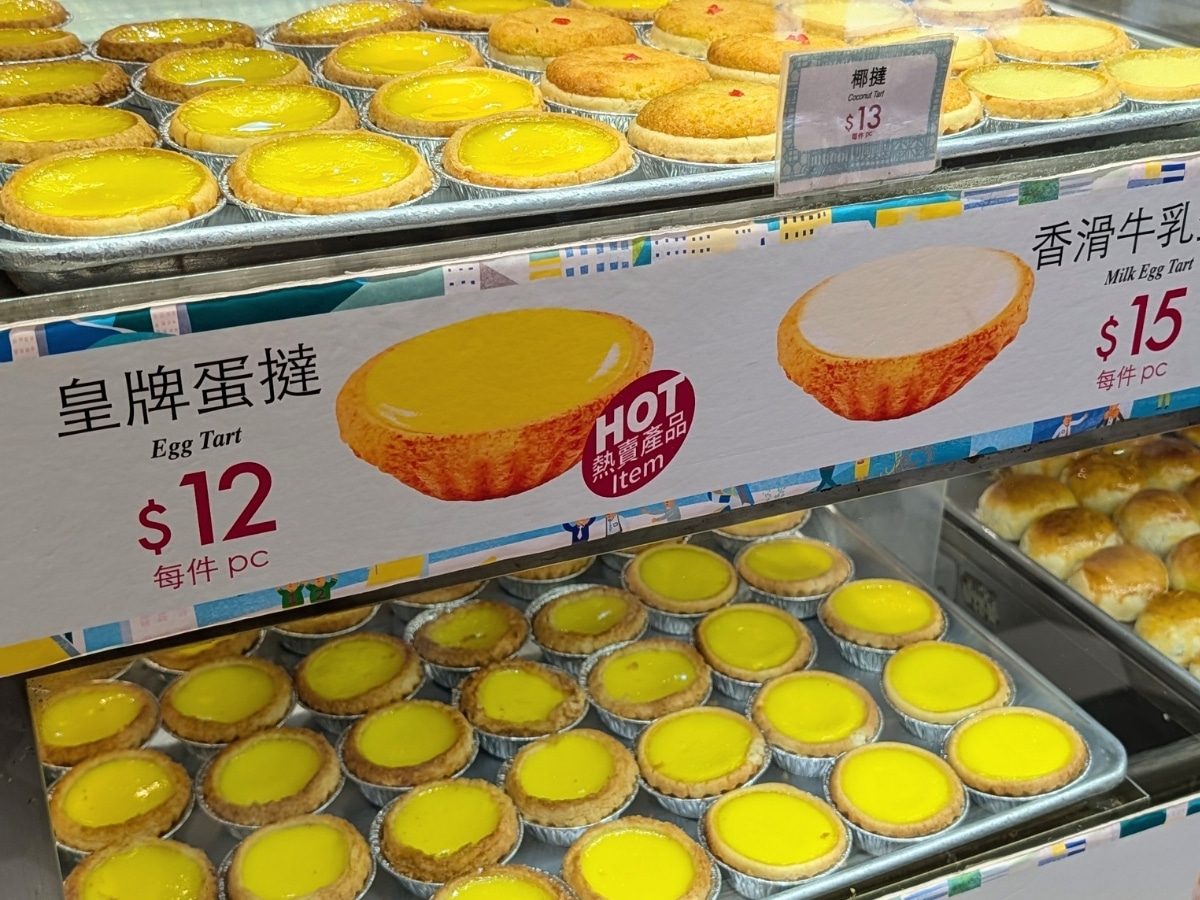
At the street level, establishments like Tai Cheong Bakery in Central experienced high demand for the iconic Hong Kong egg tart. This colonial-era staple remains a symbol of the city’s culinary fusion. Conversely, the upscale dining scene, represented by Michelin-starred venues like Duddell’s, provided a refined environment for corporate hospitality and post-match analysis. Duddell’s, known for its elevated Cantonese cuisine such as pork and shrimp dumplings with scallops, exemplifies the "East meets West" aesthetic that Hong Kong promotes to international visitors.
Furthermore, the "Dai Pai Dong" culture—traditional open-air food stalls—saw a resurgence in popularity through modernized iterations like Lai’s Kitchen. These venues offer a communal dining experience that mirrors the social atmosphere of the rugby stadium, serving signature dishes such as claypot rice and steamed clams to large groups of fans.
The World’s Cocktail Capital: Nightlife and Economic Impact
Hong Kong’s nightlife is an integral component of the Sevens’ economic engine. Data from The World’s 50 Best Bars 2024-2026 rankings indicates that Hong Kong currently hosts several of the top-rated bars globally, including Bar Leone, ARGO, and GOKAN. This concentration of world-class mixology venues attracts a specific tier of sports tourists who contribute significantly to the city’s service sector revenue.
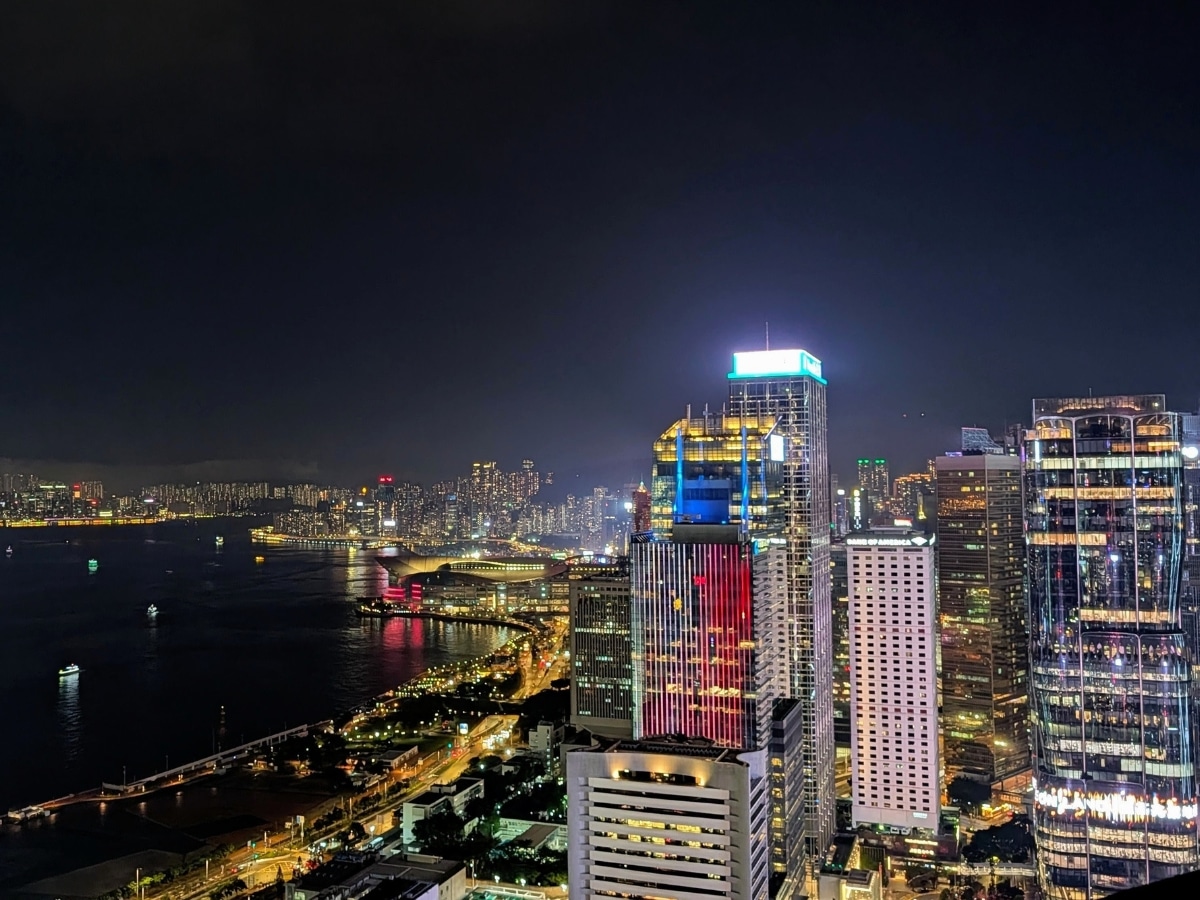
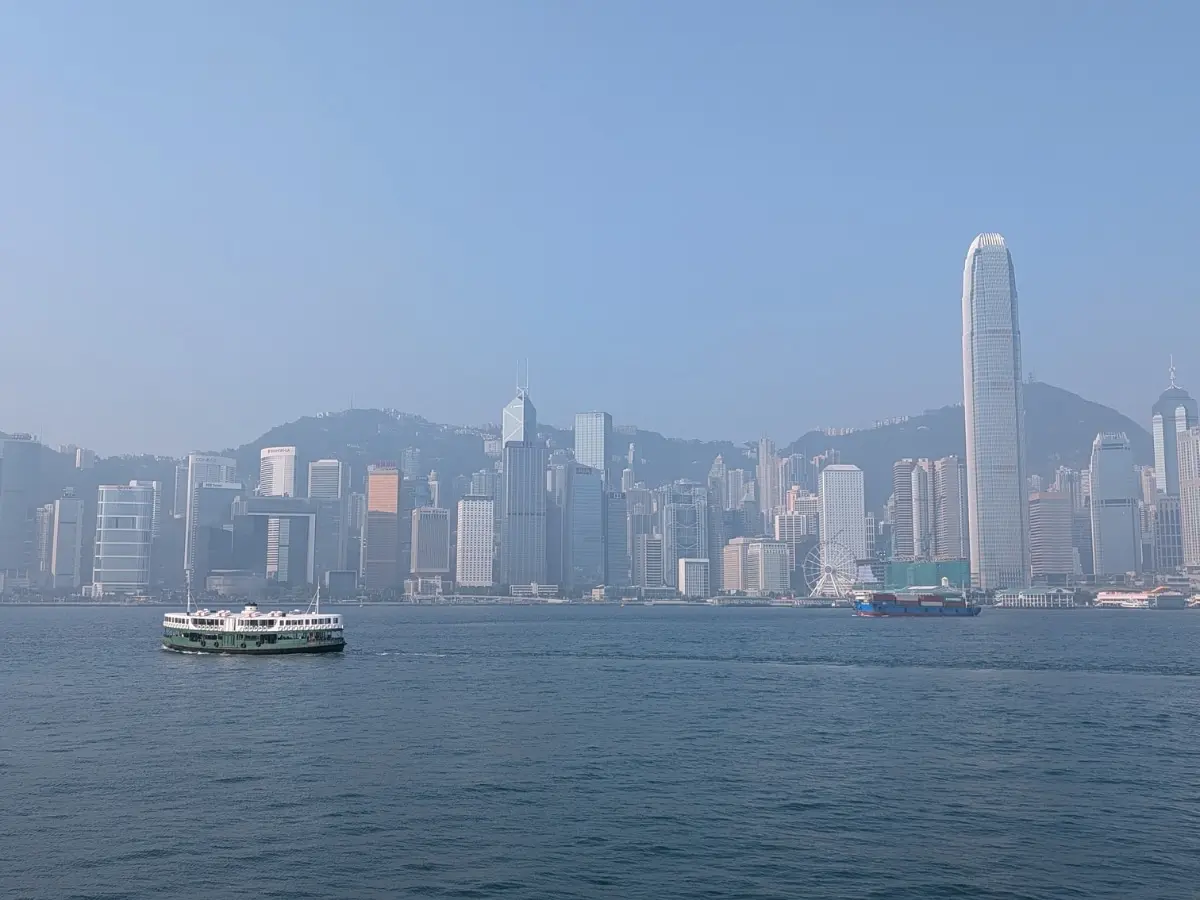
Rooftop venues such as Cardinal Point, located on the 45th floor of the Landmark in Central, provide a panoramic view of the Victoria Harbour skyline. During the Sevens weekend, these venues operate at peak capacity, offering a "Blade Runner-esque" atmospheric experience that has become a hallmark of Hong Kong’s modern identity. The synergy between the daytime sporting events and the nighttime hospitality sector is estimated to generate hundreds of millions of Hong Kong dollars in direct and indirect spending.
Official Responses and Strategic Implications
The Hong Kong Rugby Union and the Hong Kong Tourism Board have expressed a unified front regarding the success of the 50th anniversary. Officials noted that the international ticket allocation was met with unprecedented demand, with nearly 40% of attendees traveling from overseas—specifically from the United Kingdom, Australia, Fiji, and South Africa.
"The 50th anniversary is more than just a tournament; it is a testament to Hong Kong’s resilience and its enduring appeal as a global crossroads," a spokesperson for the tourism bureau suggested in a post-event briefing. "The move to Kai Tak and the continued partnership with world-class brands like Cathay Pacific ensure that the Sevens will remain a cornerstone of our cultural and economic strategy for the next 50 years."
From a strategic perspective, the success of the event reinforces the "mega-events" policy adopted by the Hong Kong government. By leveraging major sporting fixtures to drive tourism, the city aims to offset regional competition and maintain its status as the leading financial and cultural hub in Asia.
Broader Impact and Future Outlook
The 50th anniversary of the Hong Kong Sevens has set a new benchmark for how sporting events can be integrated into a city’s broader brand identity. The combination of high-capacity modern infrastructure, luxury aviation, and a deep-rooted cultural tradition of costuming and celebration creates a unique value proposition.
As the tournament settles into its new home at Kai Tak, the focus will likely shift toward further technological integration and sustainable tourism practices. The 2024-2025 event proved that despite the challenges of the past few years, the appetite for the "Hong Kong experience" remains robust. For the global rugby community, the Sevens is no longer just a stop on a circuit; it is a pilgrimage. For the city of Hong Kong, it remains the ultimate demonstration of its "Work Hard, Play Hard" ethos, ensuring that the next 50 years of the Sevens will be as impactful as the first.



 Yuyun Lusiyani
 Joko Widodo
 Eva Lovia
 Jia Lissa
 Pevita Pearce
 admin
admin