
 Pevita Pearce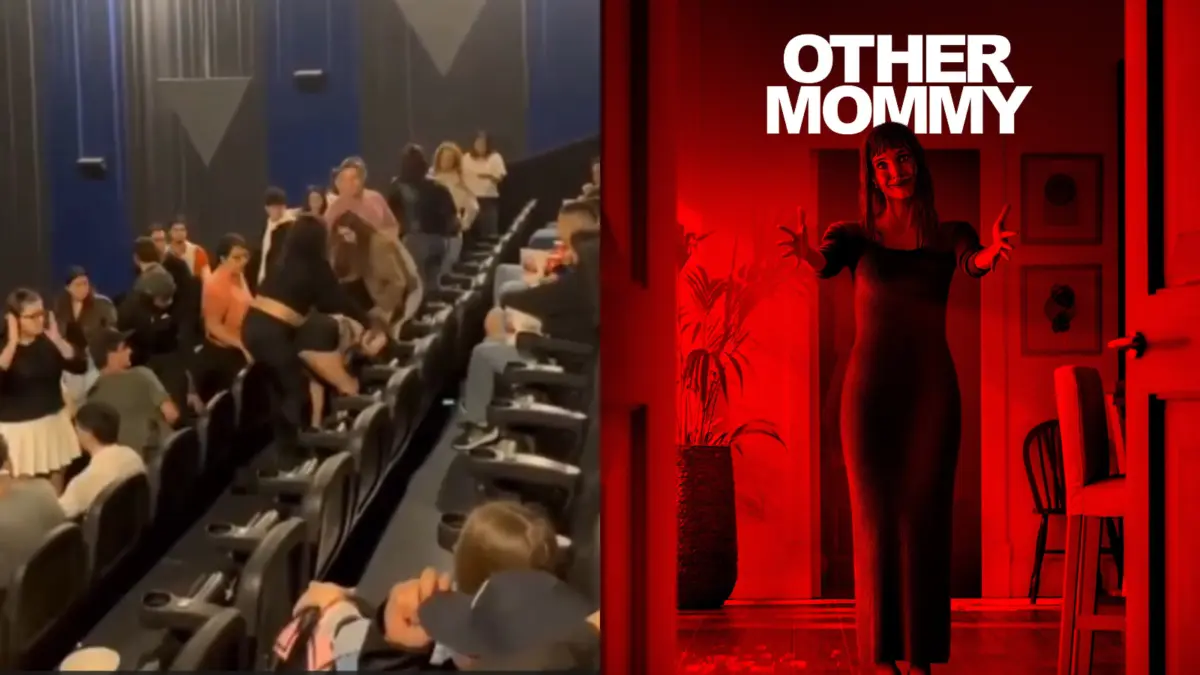
A screening of the horror film "Other Mommy"—released locally under the title "Mamá Siniestra"—at the Las Tipas cinema complex in Paraná, Argentina, transformed into a scene of genuine terror on the evening of October 14. What began as a standard dispute over assigned seating escalated into a violent physical confrontation involving punches, hair-pulling, and the deployment of pepper spray in a confined space. The resulting chemical irritant forced the emergency evacuation of the entire cinema complex, leaving multiple patrons in need of medical attention and leading to the arrest of two women.
The incident occurred within the Paso del Paraná shopping center, a major commercial hub in the Entre Ríos province. At approximately 10:00 PM, a crowd of roughly 50 moviegoers was settled in for the late-night horror screening. According to local law enforcement reports and eyewitness accounts, the peace of the theater was shattered roughly twenty minutes into the film when a group of women arrived late to the screening. Upon finding their assigned seats occupied by other patrons, a verbal altercation ensued that rapidly devolved into a chaotic brawl.
A Chronology of the Conflict
The timeline of the event suggests a rapid escalation that caught both security and theater staff off guard. According to reports from the Argentine news outlet TN and local sources in Paraná, the confrontation began with a verbal demand for the occupants of certain seats to vacate them. While seat disputes are common in modern cinemas with reserved seating systems, witnesses describe the tone of this interaction as immediately hostile.
As the argument intensified, theater employees were alerted and attempted to mediate the situation. However, the intervention proved unsuccessful. Eyewitness Sofía Alberto, who was seated near the center of the conflict, described a scene of mounting tension that lasted nearly twenty minutes before the first physical blow was struck. According to Alberto, the situation turned violent when one of the late-arriving women grabbed another patron by the hair and began a physical assault.
The brawl soon involved multiple individuals as friends and bystanders attempted to intervene, either to break up the fight or to defend those involved. It was during this physical struggle that one of the primary aggressors allegedly produced a canister of pepper spray from her belongings. The suspect discharged the chemical agent into the air, targeting her immediate opponents but inadvertently affecting the entire auditorium due to the theater’s ventilation system and the enclosed nature of the room.
The Physical Impact of Pepper Spray in Confined Spaces
The deployment of pepper spray—an oleoresin capsicum (OC) derivative—in a dark, enclosed environment like a movie theater carries significant health risks. Pepper spray works by causing immediate inflammatory effects, including the swelling of the mucous membranes in the eyes, nose, and throat. For the patrons of Las Tipas cinema, the effects were instantaneous.
As the mist spread, moviegoers reported intense stinging in their eyes and uncontrollable coughing fits. The panic was compounded by the darkness of the theater and the initial confusion regarding the source of the irritation. Among the 50 people in the room were children and elderly individuals, populations particularly vulnerable to respiratory distress caused by chemical irritants.
Medical reports following the incident confirmed that several patrons suffered from acute breathing difficulties and severe eye irritation. One woman, who was directly involved in the physical struggle, sustained a significant head injury during the brawl that required stitches at a local medical facility. The psychological impact on the audience, many of whom were already on edge due to the horror film’s atmosphere, was described by witnesses as profound, with many fearing a more coordinated or lethal attack before the nature of the pepper spray was identified.
Emergency Response and Evacuation Procedures
Recognizing the severity of the situation and the spread of the chemical agent, the management of Las Tipas cinema took the decision to halt the film and evacuate not only the affected theater but the entire cinema complex. This protocol was enacted to ensure that the irritant did not compromise the air quality of adjacent screening rooms through the shared HVAC systems.
The evacuation of several hundred people from the shopping center’s upper levels was conducted under the supervision of mall security and local police. Once the building was cleared, emergency medical services arrived to treat those suffering from the effects of the gas.
In the aftermath of the evacuation, the cinema management issued a statement addressing the disruption. To mitigate the frustration of the patrons whose evening was ruined by the violence, the theater offered full refunds or replacement tickets to all affected customers. Management also indicated that they would be reviewing security protocols regarding the screening of bags to prevent the entry of prohibited items like pepper spray canisters into the theaters.
Legal Consequences and Police Intervention
The local police force moved quickly to identify the suspects involved in the initial assault and the subsequent chemical attack. Utilizing descriptions provided by witnesses and mall security footage, officers located a 51-year-old woman and her 27-year-old daughter in the shopping center’s parking lot. The duo was reportedly preparing to flee the scene in a private vehicle when they were intercepted by authorities.
During a search of the suspects and their vehicle, officers seized a pepper spray canister, which has been entered into evidence. Both women were detained and taken into custody for questioning. On October 15, the day following the incident, a local judge presided over an initial hearing. Recognizing the volatility of the situation and the harm caused to the victims, the court imposed a 30-day restrictive measure. This legal injunction prevents the two women from making any form of contact—physical, digital, or through third parties—with the victims or their families while the criminal investigation proceeds.
The suspects potentially face charges of assault, causing bodily harm, and public disturbance. Legal analysts in Entre Ríos suggest that the use of a chemical weapon in a crowded public space could lead to enhanced sentencing, as it posed a collective risk to public safety.
The Rising Trend of "Cinema Rage"
The incident in Paraná is not an isolated occurrence but rather part of a troubling global trend of increased aggression in movie theaters. As cinema chains have moved toward luxury seating and reserved ticketing, the "ownership" of space has become a frequent flashpoint for conflict.
Social psychologists suggest that the post-pandemic era has seen a decrease in public patience and an increase in "incivility" in shared spaces. Movie theaters, which require a degree of collective silence and cooperation, are particularly susceptible to these frictions. In September, a similar incident occurred in California, where a man was arrested for pepper-spraying a fellow moviegoer who refused to stop using his cellphone during a film.
In the Argentine context, the "Mamá Siniestra" incident has sparked a national conversation about security in shopping malls. Unlike airports or government buildings, most Argentine cinemas do not employ metal detectors or intensive bag checks, relying instead on a general sense of public order. The ease with which a high-potency irritant was brought into a dark theater has led to calls for more stringent entry requirements.
Broader Implications for the Film Industry
For the film industry, such incidents represent a significant threat to the "theatrical experience." As streaming services continue to compete for audiences, the primary draw of the cinema is the immersive, safe, and communal environment it provides. When that environment is compromised by violence, it discourages families and casual moviegoers from attending, potentially impacting box office revenues.
The Las Tipas incident also highlights the logistical challenges faced by theater managers. The decision to evacuate an entire complex is a costly one, involving not only the loss of ticket sales but also the potential for "crowd crush" and secondary injuries during a panicked exit. The fact that the management chose a full evacuation suggests that the concentration of the pepper spray was significant enough to be deemed a high-level respiratory hazard.
As the investigation into the mother and daughter continues, the community of Paraná remains shaken by the event. The Paso del Paraná shopping center has increased its security presence in the wake of the brawl, and Las Tipas cinema has reportedly implemented more frequent patrols within the theater aisles during screenings to identify and de-escalate potential conflicts before they turn physical.
Conclusion and Future Outlook
The "Other Mommy" brawl serves as a stark reminder of how quickly minor social friction can escalate into a public safety crisis. The combination of late arrival, territoriality over seating, and the presence of a concealed chemical irritant created a "perfect storm" that put dozens of lives at risk.
While the 30-day restraining order provides a temporary reprieve for the victims, the long-term legal battle is just beginning. The prosecution will likely focus on the premeditated nature of carrying pepper spray to a public venue and the reckless disregard for the safety of the children and elderly patrons present. For the victims, the sting of the pepper spray may have faded, but the memory of a night of cinema turning into a night of chaos will likely linger, prompting a reevaluation of what it means to be safe in the dark of a movie theater.




 Yuyun Lusiyani
 Joko Widodo
 Eva Lovia
 Jia Lissa
 admin
admin