
 Lina Irawan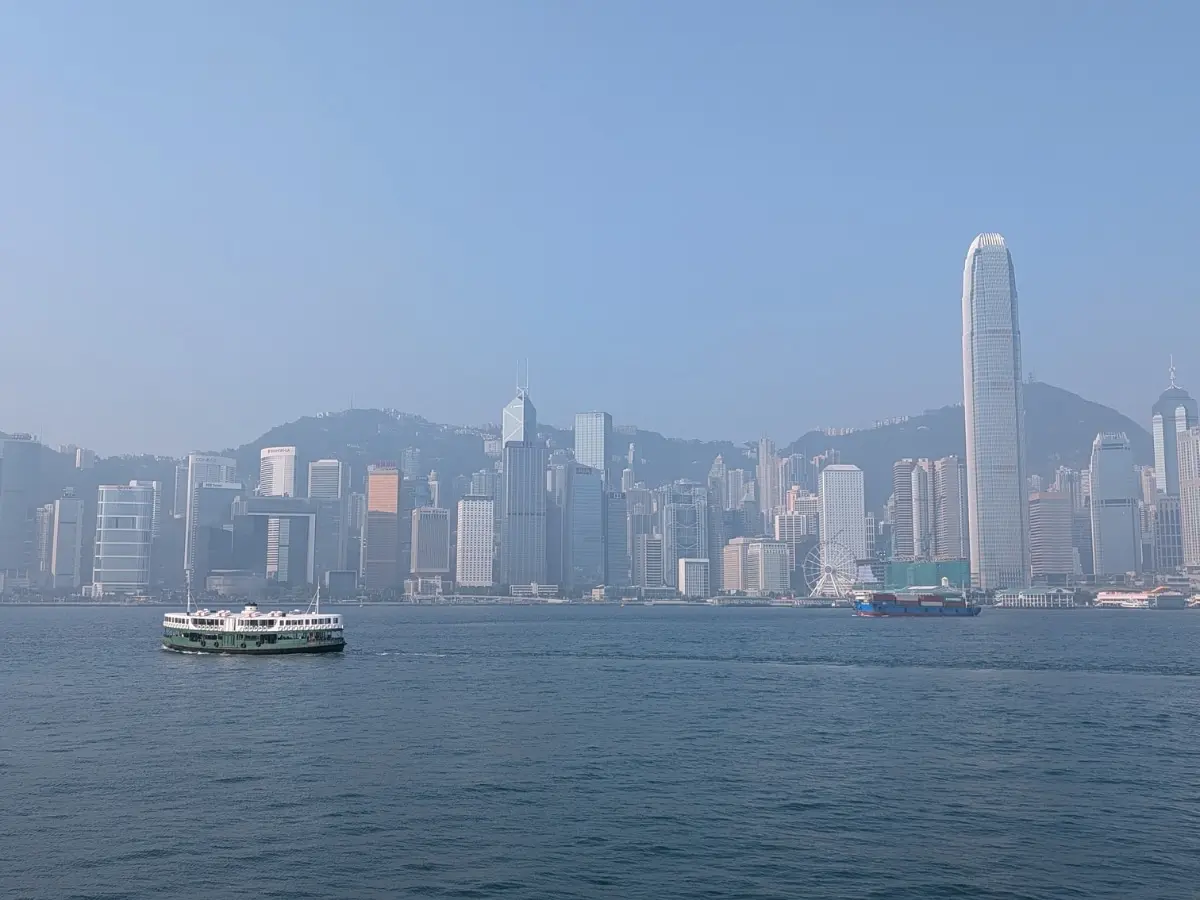
The 50th anniversary of the Hong Kong Rugby Sevens marked a significant milestone for both the sport and the city, serving as a high-profile demonstration of Hong Kong’s resurgence as a premier global destination for sports and entertainment. As part of the revamped HSBC SVNS series, the tournament transitioned into a new era, coinciding with the debut of the state-of-the-art Kai Tak Stadium. This evolution reflects a broader strategic shift in Hong Kong’s tourism model, moving toward integrated "sportainment" experiences that combine elite athletic competition with world-class hospitality, gastronomy, and infrastructure. The event, which has grown from a modest gathering in 1976 to a cornerstone of the international rugby calendar, drew tens of thousands of international visitors, providing a substantial boost to the local economy and reinforcing the city’s status as the "Events Capital of Asia."
Aviation Infrastructure and the Premium Travel Experience
The influx of international visitors for the 50th-anniversary tournament was supported by significant advancements in regional aviation. Cathay Pacific, the city’s flagship carrier and a long-term partner of the Sevens, utilized the event to showcase its fleet modernization efforts. Central to this is the introduction of the Aria Suite in business class, a product designed to compete at the highest level of the long-haul market. The suite features integrated privacy doors, wireless charging, 4K entertainment systems, and fully flat beds, reflecting a capital investment strategy aimed at reclaiming Hong Kong’s position as a leading global aviation hub.
Industry analysts note that the availability of high-end transit options is a critical factor in the success of "pilgrimage" sporting events. For the Hong Kong Sevens, the journey begins at the airport, where the carrier’s premium lounges and refurbished cabins set a tone of "civilized luxury" that contrasts with the high-energy atmosphere of the stadium. This synergy between transport and event hosting is a key component of the Hong Kong government’s "Hello Hong Kong" and "Night Vibes Hong Kong" campaigns, which seek to attract high-spending demographics through seamless travel experiences.
Chronology of the 50th Anniversary Weekend
The 48-hour window surrounding the tournament was characterized by a meticulous blend of traditional Hong Kong culture and the eccentric traditions unique to the Sevens.
Day One: Preparation and Preliminary Rounds
The weekend began in the Central District, specifically Pottinger Street, which serves as the unofficial headquarters for the tournament’s famous costume culture. Market stalls along the historic stone steps saw a surge in demand for elaborate attire, a tradition that distinguishes the Hong Kong leg from other stops on the SVNS circuit. From imperial Chinese robes to inflatable creatures, the costume element is a primary driver of social media engagement and global visibility for the event.

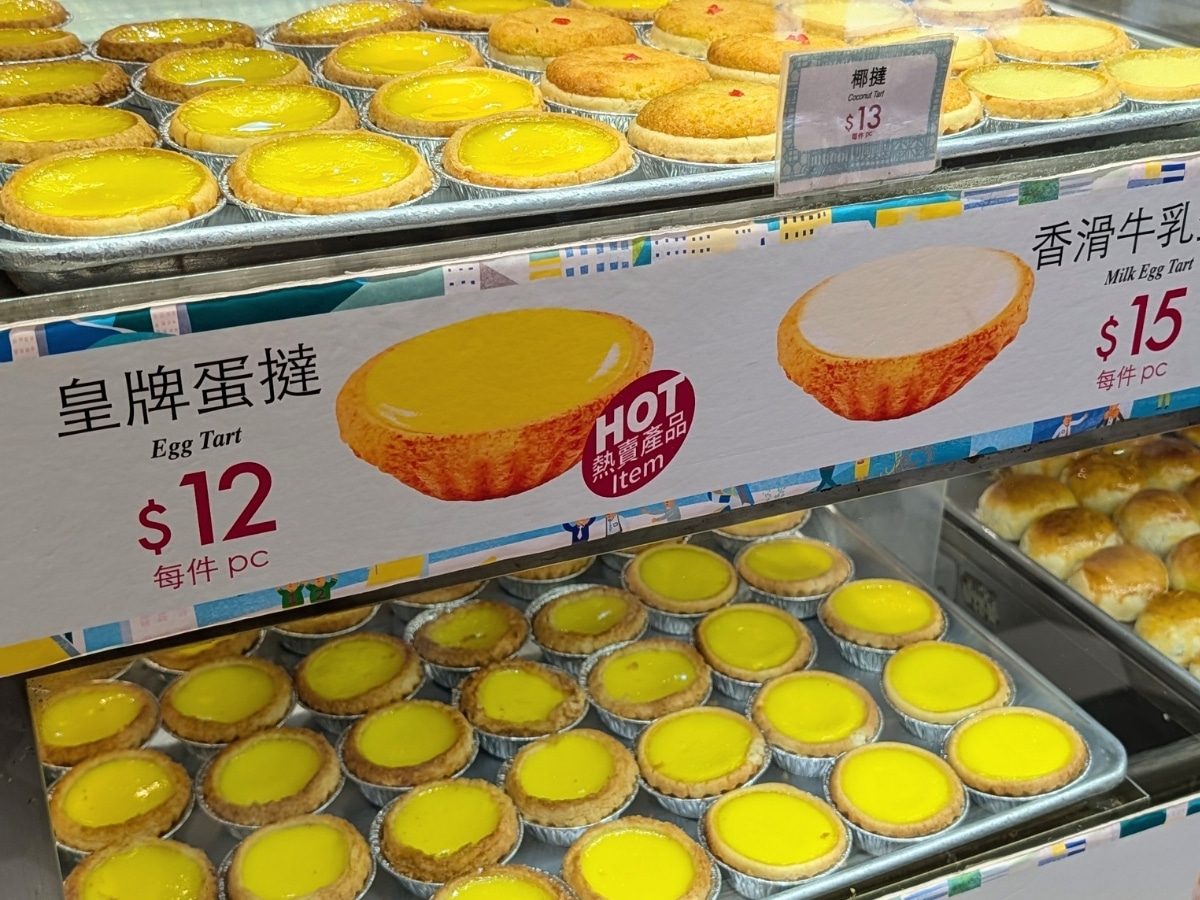
Before the first whistle at Kai Tak, the culinary focus remained on local staples. Tai Cheong Bakery, a landmark in Central known for its proximity to the former British Governor’s residence, reported high volumes of visitors seeking the traditional Hong Kong egg tart. This intersection of colonial history and local food culture remains a staple of the visitor itinerary.
The action then shifted to the newly inaugurated Kai Tak Stadium. Unlike the historic Hong Kong Stadium in So Kon Po, the Kai Tak facility offers modern amenities, including a retractable roof and enhanced acoustics. The first day of play featured a high-intensity schedule, including notable matchups such as Japan vs. Brazil and a fierce rivalry game between New Zealand and Fiji in the women’s competition. A standout moment for many attendees was the Australian men’s victory over New Zealand, a result that shifted the momentum of the tournament early on.
Day Two: Finals and Cultural Immersion
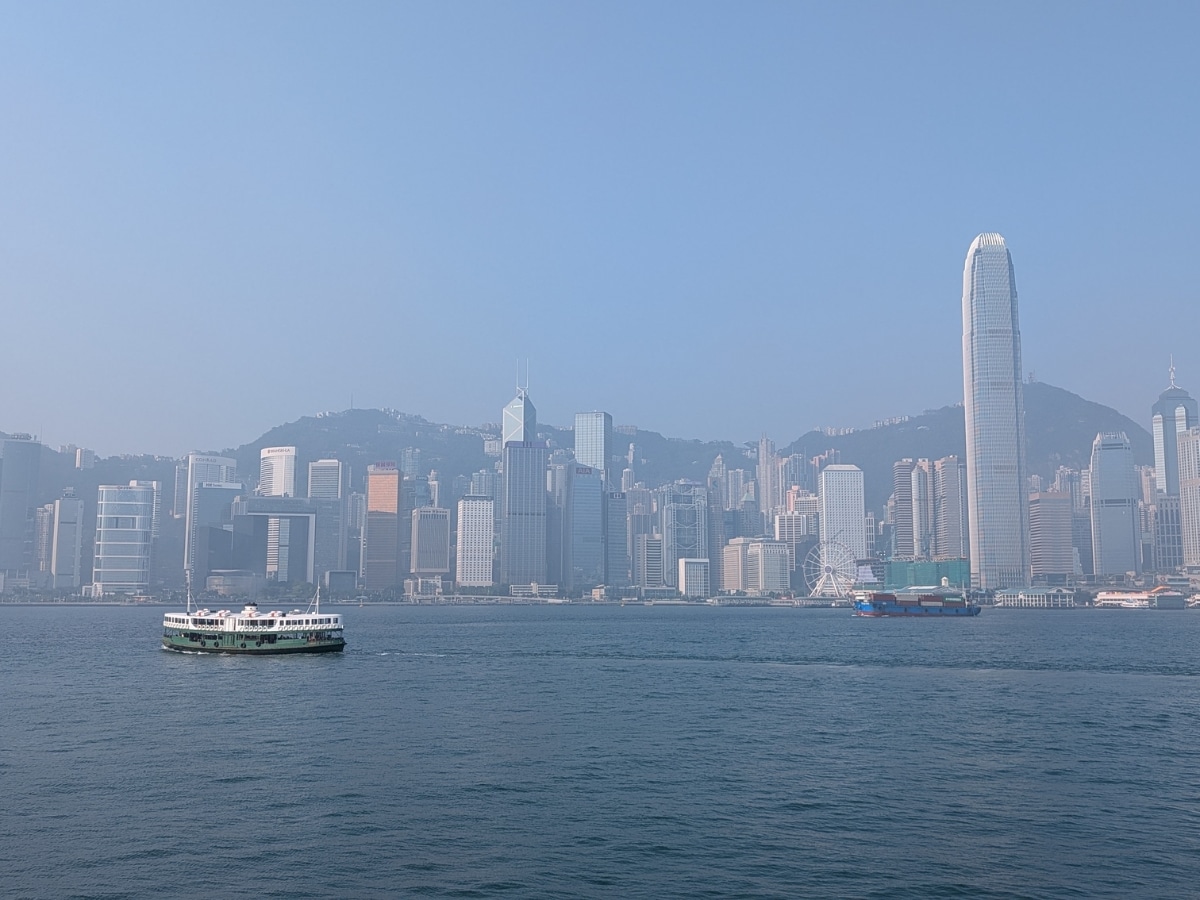
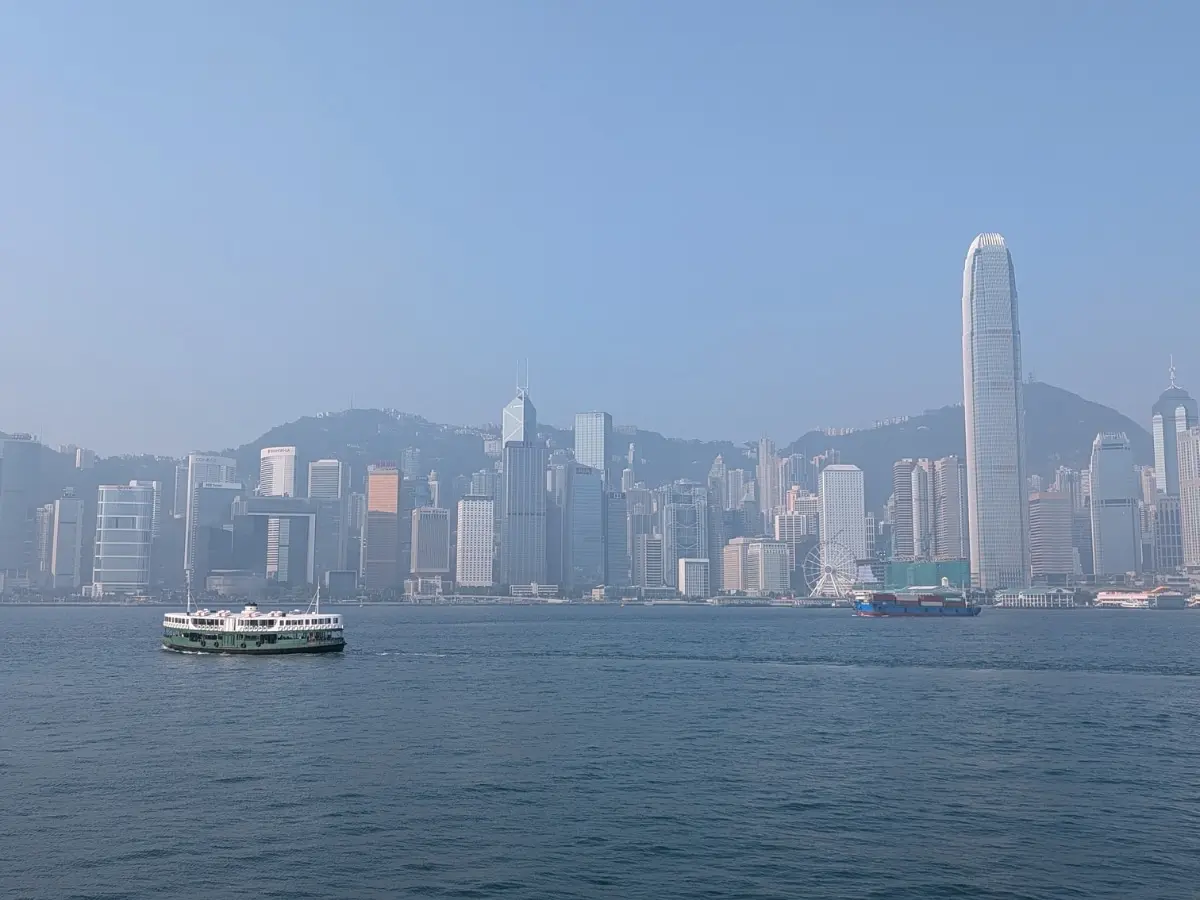
The second day focused on the championship rounds and the city’s broader geographical offerings. Many attendees utilized the morning hours for a "Star Ferry" crossing between Kowloon and Hong Kong Island, a transit route that remains one of the most cost-effective and iconic ways to view the Victoria Harbour skyline.
The physical geography of the city was further explored through Victoria Peak. Whether via the historic funicular tram or the lush walking trails that wind through the Peak’s greenery, the location remains the city’s most visited viewpoint. For sports fans, the hike served as a brief respite before the final rounds of the tournament. The efficiency of the MTR’s Tuen Ma Line allowed fans to transition from the quiet trails of Sai Ying Pun to the roar of the stadium in under 30 minutes, highlighting the city’s world-class transit density.
The tournament concluded with South Africa claiming the men’s title and New Zealand securing the women’s trophy. The closing ceremonies underscored the event’s dual nature: a serious sporting contest and a massive cultural festival, complete with musical performances by groups like the Vengaboys, which tapped into the nostalgic, high-energy atmosphere of the South Stand.
Gastronomy and the Global Bar Scene
Hong Kong’s culinary landscape played a secondary but vital role in the weekend’s success. The city’s dining options during the Sevens ranged from Michelin-starred refinement to traditional street-level "dai pai dong" vibes. Duddell’s, located in Central, provided a high-end Cantonese experience, specializing in pork and shrimp dumplings and crispy fried chicken, catering to the luxury segment of the visiting crowd.
Conversely, Lai’s Kitchen offered a more contemporary take on the nostalgic open-air food stall culture. Signature dishes like Nansen’s Trio Claypot Rice and steamed clams with scrambled eggs illustrated the depth of the local food scene. This diversity is a major pull factor for international tourists, with the Hong Kong Tourism Board reporting that food and beverage consumption accounts for a significant portion of per-capita spending during major event weekends.
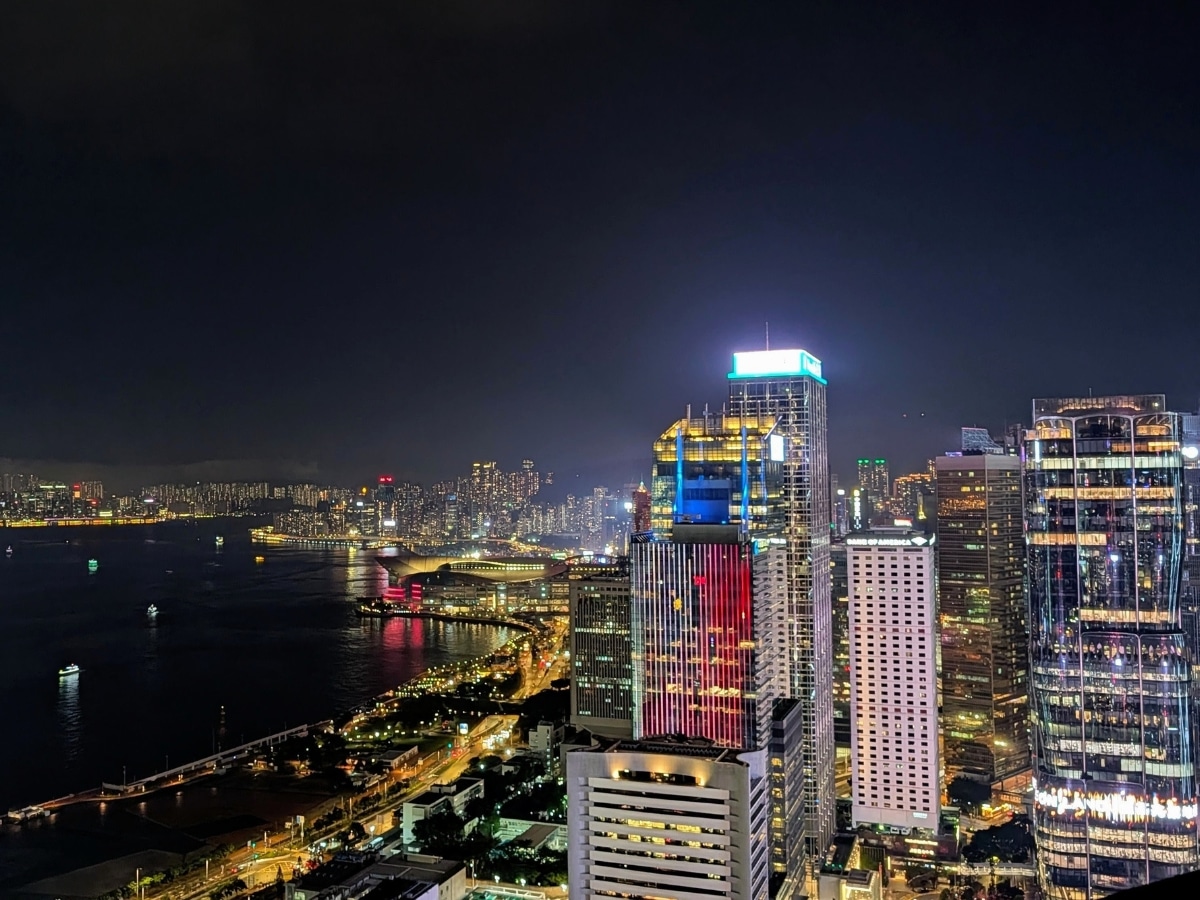
Furthermore, Hong Kong’s dominance in the global cocktail industry was on full display. In the 2026 rankings of The World’s 50 Best Bars, Hong Kong maintained a formidable presence with four entries in the top 50, including Bar Leone, ARGO, Montana, and GOKAN. Venues like Cardinal Point, situated on the 45th floor with views of Victoria Peak and the harbor, have become essential stops for the "post-match" crowd, blending high-end mixology with the city’s neon-lit aesthetic.
Economic Impact and Strategic Implications
The 50th anniversary of the Sevens was more than a celebration of rugby; it was a critical economic indicator. Data from previous years suggests that the Sevens typically generates over HK$400 million in economic benefits for the city. With the 2026 edition being a milestone anniversary and featuring the debut of new facilities, early estimates suggest that figure may be exceeded due to higher hotel occupancy rates and increased retail spending.
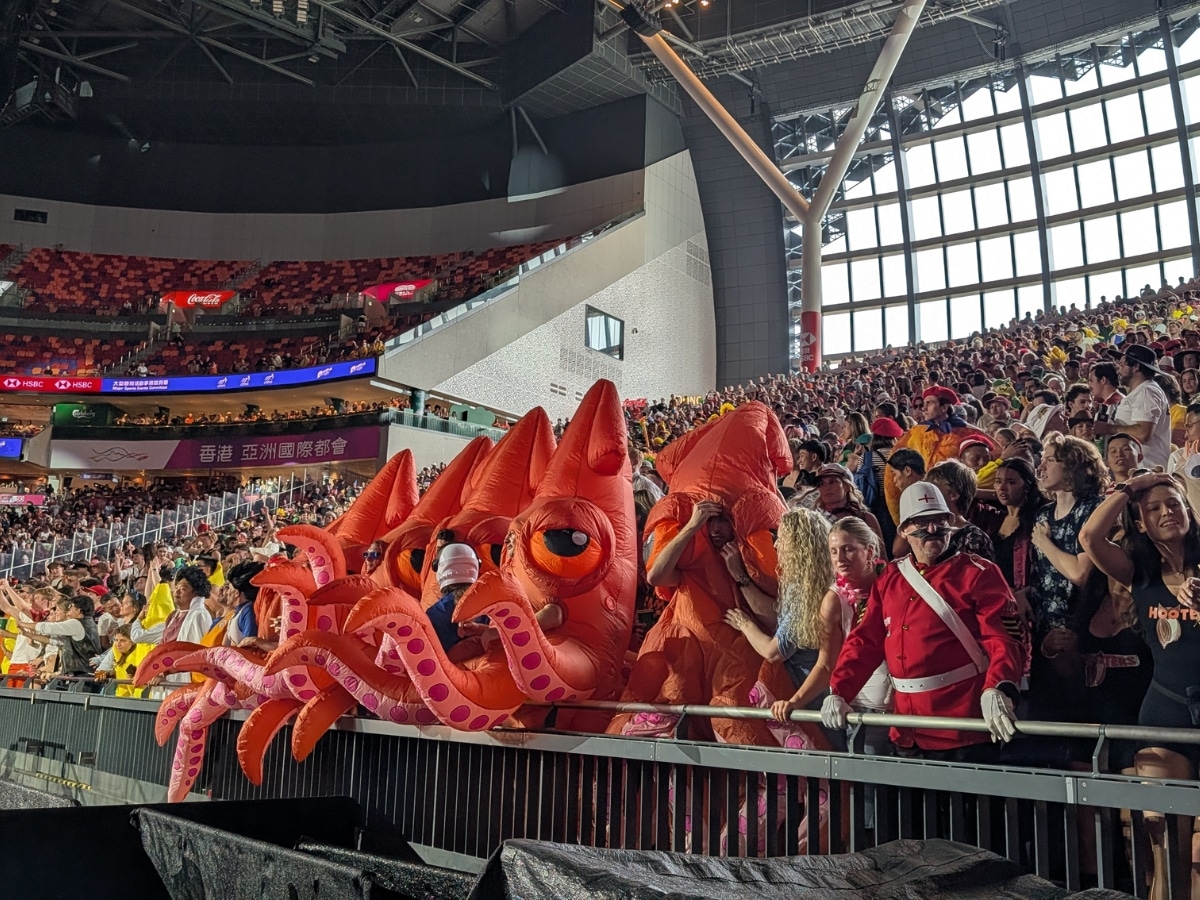
The transition to Kai Tak Sports Park is a central pillar of Hong Kong’s long-term strategy to host more international events. The 28-hectare precinct is designed to be a multipurpose hub, reducing the city’s reliance on the aging So Kon Po facility. Officials from World Rugby have expressed optimism about the venue, noting that the increased capacity and modern corporate hospitality suites are essential for the growth of the SVNS brand.
Official Reactions and Future Outlook
In statements following the event, representatives from the Hong Kong China Rugby union emphasized the inclusivity and "infectious energy" of the 50th-anniversary crowd. The tournament successfully integrated the "South Stand" legacy—known for its boisterous and colorful atmosphere—into the new stadium environment, a move that was initially met with skepticism by traditionalists but ultimately proved successful.
The broader implications for Hong Kong are clear. The success of the 50th-anniversary Sevens serves as a blueprint for how the city intends to leverage sports to drive tourism. By combining world-class aviation, a globally recognized bar and restaurant scene, and a commitment to new infrastructure, Hong Kong is positioning itself to remain a dominant player in the competitive Asian tourism market. As the city looks toward the next 50 years of the tournament, the focus will likely remain on maintaining the unique "chaos and color" of the event while providing the sophisticated amenities expected by modern international travelers.



 Yuyun Lusiyani
 Joko Widodo
 Eva Lovia
 Jia Lissa
 Pevita Pearce
 admin
admin