
 Ana Megawati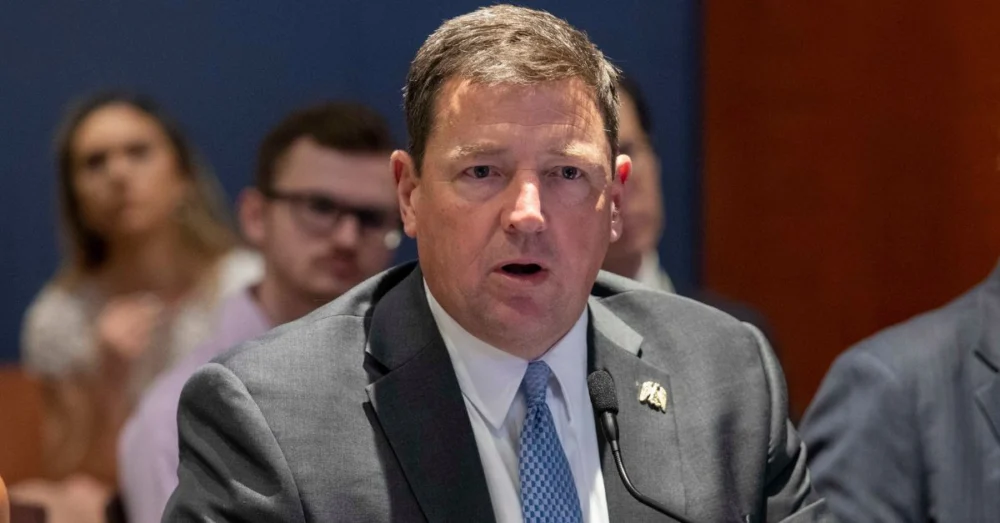
Ed Martin, who served as an interim U.S. Attorney for Washington, D.C., and U.S. Pardon Attorney during the Trump administration, and later as a "weaponization" czar, is now at the center of a significant legal ethics controversy. The D.C. Bar disciplinary counsel has formally accused Martin of violating professional ethical rules through two primary alleged misconducts: threatening a prestigious law school with unconstitutional punishment and actively attempting to derail a professional bar investigation into his own conduct. These charges, detailed in an eight-page filing to the D.C. Court of Appeals Board on Professional Responsibility by Disciplinary Counsel Hamilton Fox, have ignited a debate about governmental overreach, academic freedom, and the independence of legal professional bodies.
The Georgetown Law Controversy: Allegations of Coercion and Constitutional Violations
The first and arguably most striking set of allegations against Martin stems from a letter he sent in February to Georgetown University Law Center and its dean, William Treanor. At the time, Martin was serving as the interim U.S. Attorney for D.C. His letter, according to the disciplinary filing, claimed that an unnamed "whistleblower" had informed him that Georgetown Law was actively teaching and promoting "DEI," or diversity, equity, and inclusion initiatives. This term, "DEI," was notably characterized by the Trump administration as representing "illegal and immoral discrimination programs," reflecting a broader governmental push against such initiatives during that period.
Martin’s communication to Dean Treanor was reportedly vague in its definitions, failing to specify what aspects of DEI were deemed objectionable or which specific ideas taught at Georgetown Law were considered unacceptable by the government. Instead, the letter posed a direct inquiry: had Georgetown Law eliminated all DEI from its school and curriculum, and if DEI was still present in courses or curriculum, would the institution move swiftly to remove it?
Before receiving a substantive response, and without further explanation or clarification, Martin allegedly escalated his demands by imposing immediate "sanctions." He informed the university that he had instructed his staff that "no applicant for our prestigious fellows program, our summer internship, or employment in our office who is a student or affiliated with Georgetown law school will be considered until this is resolved." This pronouncement effectively threatened to blacklist Georgetown Law students from opportunities within the U.S. Attorney’s office, a significant blow given the career aspirations of many law students.
Dean Treanor promptly responded, asserting that Martin’s inquisition and the imposed sanctions violated the First Amendment rights of the university and its faculty, and constituted an "attack on the University’s mission as a Jesuit and Catholic institution." Georgetown University, with its deep-rooted history and commitment to intellectual inquiry and social justice, has consistently championed academic freedom. The dean’s response underscored the university’s constitutional protections against governmental interference in its educational content and mission.
Undeterred, Martin reportedly "dug in deeper," according to the petition. He replied by questioning Georgetown University’s status as a 501(c) nonprofit organization and its receipt of "nearly $1 billion of federal tax money in recent years." This implicit threat suggested that the university’s tax-exempt status or its access to crucial federal funding could be jeopardized if it failed to comply with his demands regarding DEI.
The Broader Context of DEI Policies
The Trump administration’s stance on DEI was a cornerstone of its cultural policy initiatives. Throughout his term, then-President Trump issued executive orders and directives aimed at curtailing what his administration viewed as "divisive" or "anti-American" training programs, particularly those focused on race and gender issues within federal agencies and contractors. For instance, Executive Order 13950, issued in September 2020, specifically targeted training that promoted concepts such as "critical race theory" or "white privilege," branding them as harmful and discriminatory. This broader ideological campaign provides critical context for Martin’s aggressive stance against Georgetown Law’s DEI initiatives, aligning his actions with the administration’s overarching policy objectives. The reference in the original article to a 2025 executive order is likely a typographical error, intended to reference similar past or anticipated policies.
Academic Freedom and Constitutional Protections
The ethical charge against Martin directly alleges that he "knew or should have known that, as a government official, his conduct violated the First and Fifth Amendments to the Constitution of the United States." The First Amendment protects freedom of speech and academic freedom, preventing the government from dictating educational content or punishing institutions for expressing disfavored viewpoints. Universities, especially private ones that receive federal funding, are generally protected from governmental coercion aimed at suppressing certain academic discussions or curricula. The Fifth Amendment guarantees due process and protects individuals and institutions from arbitrary government action. By using his official capacity to coerce Georgetown Law into altering its curriculum and threatening its students’ job prospects, Martin is accused of acting "in his official capacity and speaking on behalf of the government," using "coercion to punish or suppress a disfavored viewpoint, the teaching and promotion of ‘DEI’," thereby violating his oath of office.
Interference with Disciplinary Process: Allegations of Undermining Justice
The second set of ethics charges against Ed Martin centers on his alleged attempts to obstruct and undermine the very disciplinary process initiated to investigate his conduct. This aspect of the case highlights the critical importance of maintaining the integrity and independence of attorney disciplinary proceedings.
The complaint that triggered the D.C. Bar investigation was submitted by retired Los Angeles County Superior Court Judge Phillip Argento. Once the disciplinary process commenced, Martin’s reaction, according to Disciplinary Counsel Fox, was one of "panicked response" and calculated interference.
On March 31, Martin reportedly sent a letter directly to the judges of the D.C. Court of Appeals. In this letter, he complained about "Disciplinary Counsel’s ‘uneven behavior’" and sought a "face-to-face meeting with all of you to discuss this matter and find a way forward." Alarmingly, he also copied the White House Counsel on this communication, ostensibly "for informational purposes because of the importance of getting this issue addressed." This act suggested an attempt to leverage political influence to interfere with a judicial and professional disciplinary matter.
Subsequently, Martin emailed the chief judge of the D.C. Court of Appeals without including Hamilton Fox, the Disciplinary Counsel, in the communication. This occurred just days before an April 14 deadline for Martin to formally respond to the complaint against him. Such "ex parte" communications — discussions with a judge outside the presence of opposing counsel — are strictly prohibited in legal proceedings to ensure fairness and prevent undue influence. The chief judge, recognizing the impropriety, informed Martin that the court "could not permissively meet with him ex parte and that any concerns should be raised through the regular procedures established by the court to govern the disciplinary process."
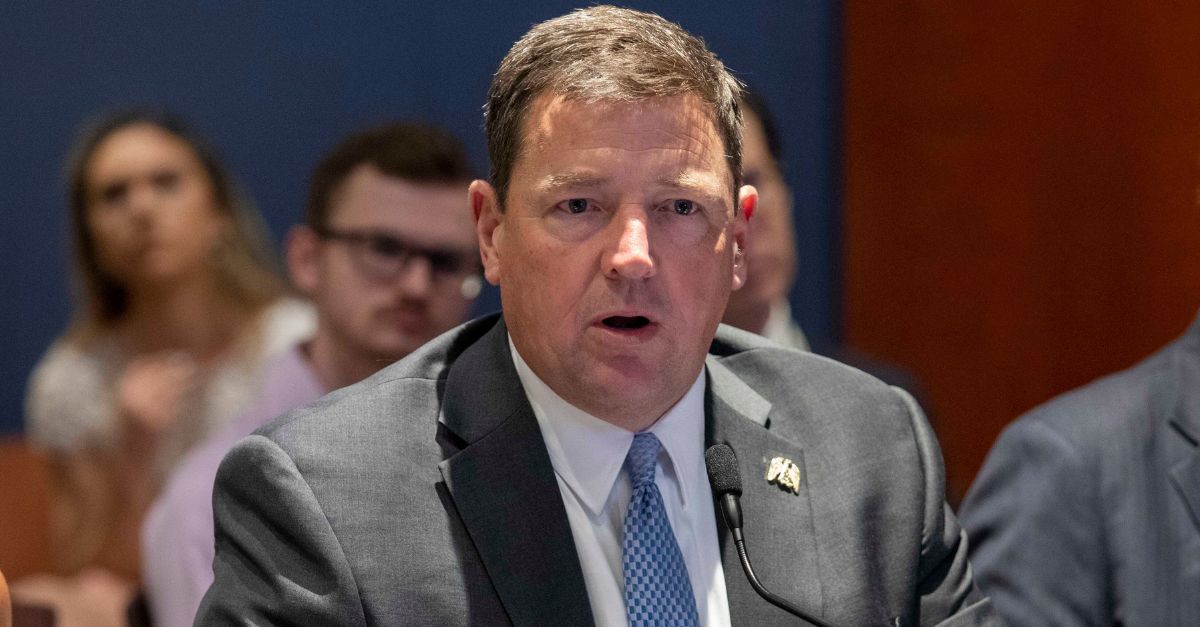
Despite this clear directive, Martin reportedly failed to meet the April 14 deadline for his response. This compelled Disciplinary Counsel Fox to file a motion to compel Martin’s response, a standard procedural step when a party is uncooperative. By May, Martin allegedly escalated his efforts to circumvent the established process. He reached out to the chief judge again, this time in a letter, asking that she "not only suspend Mr. Fox immediately to investigate his conduct, but also to dismiss the case against me because of his prejudicial conduct." This request to remove the Disciplinary Counsel and dismiss the case directly from the chief judge, rather than through proper channels, demonstrates a sustained attempt to undermine the investigation.
Martin eventually did submit a formal response in June. However, his prior actions have now led to additional ethics claims. He is accused of impermissibly communicating with the chief judge one-on-one and "engaging in conduct that seriously interferes with the administration of justice." These allegations underscore the D.C. Bar’s commitment to protecting the integrity of its disciplinary processes from external pressures or attempts at manipulation.
The D.C. Bar’s Disciplinary Framework
The D.C. Bar operates under a strict disciplinary framework designed to uphold the ethical standards of the legal profession. The Board on Professional Responsibility, composed of lawyers and non-lawyers, oversees the investigation and adjudication of attorney misconduct complaints. The Disciplinary Counsel, in this case, Hamilton Fox, acts as the prosecutor, investigating complaints, bringing formal charges, and presenting evidence. The D.C. Court of Appeals ultimately has the authority to impose disciplinary sanctions, which can range from a public reprimand to suspension or, in severe cases, disbarment. The rules governing these processes explicitly forbid ex parte communications with judges or attempts to obstruct the investigation, as such actions directly threaten the fairness and impartiality of the system.
Official Responses and Political Framing
The response to the ethics charges from circles associated with the Trump administration has been swift and highly critical, framing the D.C. Bar as a politically motivated entity. The Department of Justice (DOJ), specifically referencing the administration’s perspective, reportedly characterized the D.C. Bar as a "partisan organization." This claim is supported by pointing to the bar’s involvement in "various disciplinary proceedings against Trump-allied attorneys," citing cases such as those involving Jeffrey Clark, Rudy Giuliani, and John Eastman. The implication is that the D.C. Bar is unfairly targeting lawyers associated with former President Trump while allegedly ignoring ethical violations by attorneys linked to the Biden and Obama administrations.
A DOJ spokesperson reportedly stated, "The DC bar’s attempt to target and punish those serving President Trump while refusing to investigate or act against actual ethical violations that were committed by Biden and Obama administration attorneys is a clear indication of this partisan organization’s agenda." This statement mirrors a broader narrative frequently employed by the Trump administration and its allies, which often attributes legal challenges and investigations against them to political bias and "weaponization" of government institutions.
Deputy Attorney General Todd Blanche further amplified this sentiment on social media platform X, unequivocally slamming the D.C. Bar as a "blatantly Democrat-run political organization." He added a personal dismissal, stating, "Thank God I’m not a member, and trust me, I never will be." Such strong public statements from high-ranking officials underscore the deep political chasm that has emerged, with professional disciplinary bodies increasingly becoming battlegrounds for ideological conflicts.
The "Weaponization" Narrative
The defense strategy employed by the DOJ and its allies aligns squarely with the "weaponization of government" narrative. This narrative, frequently advanced by the House Judiciary Committee’s Select Subcommittee on the Weaponization of the Federal Government (a body Martin was involved with), posits that federal agencies and other governmental or quasi-governmental institutions are being politicized and used to target political opponents. By characterizing the D.C. Bar’s actions as "partisan" and "Democrat-run," the administration seeks to discredit the legitimacy of the ethics investigation against Martin, portraying it as another instance of political persecution rather than a genuine inquiry into professional misconduct. This framing attempts to shift public perception away from the substance of the ethical allegations and towards a broader political grievance.
Broader Implications and Precedent-Setting Actions
The ethics charges against Ed Martin, and the ensuing reactions, carry significant implications for the legal profession, the independence of regulatory bodies, and the future of governmental oversight.
The Independence of Bar Associations
The D.C. Bar, like other state bar associations, is a self-regulating body critical for maintaining the integrity and public trust in the legal profession. Its ability to investigate and discipline attorneys, regardless of their political affiliations or government roles, is paramount to its function. The administration’s attempts to discredit the D.C. Bar as "partisan" represent a direct challenge to this independence. If bar associations are perceived as or are actually vulnerable to political pressure, their capacity to enforce ethical standards objectively could be severely compromised, leading to a breakdown in professional accountability.
DOJ’s Proposed Rule on Bar Investigations
Adding another layer of complexity and potential conflict, Attorney General Pam Bondi’s DOJ has notably "proposed a rule to grant her the authority to take over state bar investigations targeting current or former DOJ attorneys." This proposal, if enacted, would be a transformative shift in the balance of power between federal executive authority and independent state-level professional oversight. It suggests a move to centralize control over the ethical accountability of federal lawyers under the executive branch itself, rather than allowing independent state bars to conduct their traditional oversight functions.
This proposed rule is framed by the DOJ as a response to the "unprecedented weaponization of [ethics] complaints" against its attorneys. However, critics argue that such a rule could undermine the very purpose of independent bar investigations, potentially allowing the executive branch to shield its attorneys from scrutiny or to interfere with investigations deemed politically inconvenient. It raises fundamental questions about the separation of powers, the rule of law, and the ability of an attorney general to unilaterally redefine the scope of professional ethics enforcement for a significant segment of the legal community.
Implications for Ed Martin’s Career
For Ed Martin, the outcome of these disciplinary proceedings could have profound consequences. If found guilty of the alleged ethical violations, he could face a range of disciplinary actions, from a public reprimand or censure to suspension of his law license, or even disbarment. Such outcomes would significantly impact his ability to practice law and his professional reputation. The fact that the charges come after he was reportedly "sidelined" from his "Weaponization Working Group" czar role, despite Deputy AG Todd Blanche praising him for doing a "great job as Pardon Attorney" and denying internal DOJ misconduct investigations into him (related to allegations of unauthorized disclosure of grand jury material), further complicates his standing.
Safeguarding Academic and Professional Integrity
Ultimately, the Ed Martin ethics case highlights a broader battle over fundamental principles: academic freedom in the face of governmental pressure, the integrity of legal disciplinary processes, and the independence of professional oversight bodies. The allegations against Martin touch upon the core tenets of constitutional law, ethical conduct for government officials, and the impartial administration of justice. As the proceedings unfold, they will undoubtedly set precedents and contribute to an ongoing national discourse about the boundaries of executive power and the role of independent institutions in a politically charged environment. The resolution of this case will be closely watched by legal professionals, educators, and the public alike, as it will inevitably shape the future landscape of ethical accountability within the legal and governmental spheres.




 Yuyun Lusiyani
 Joko Widodo
 Jia Lissa
 Pevita Pearce
 admin
admin
