
 Joko Widodo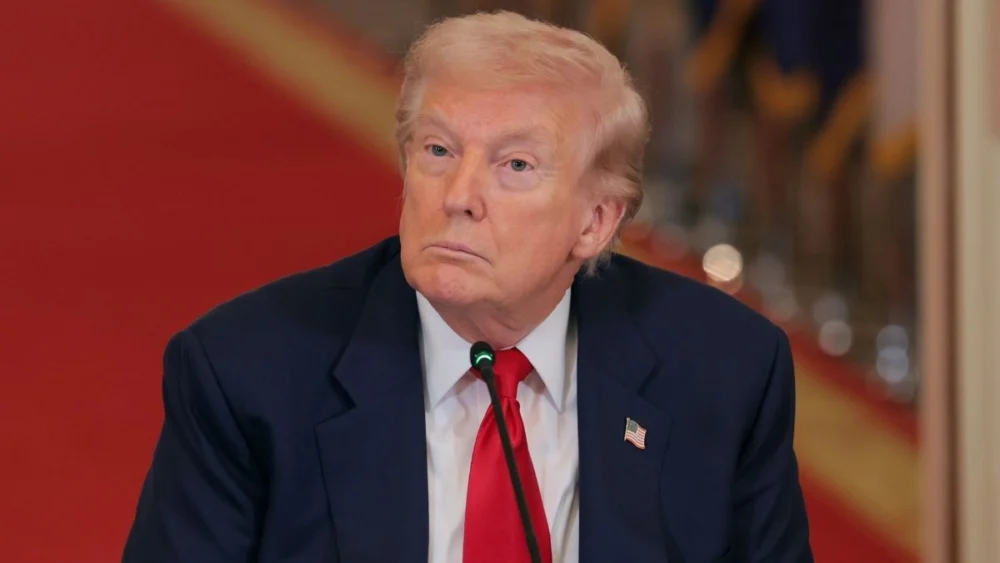
President Donald Trump, addressing members of the Republican House of Representatives during their annual retreat at Trump National Doral in Florida on Monday, March 9, 2026, emphatically highlighted what he characterized as significant achievements during his second tenure in office. Central to his remarks was a strong assertion that his administration had successfully reduced prescription drug prices, attributing these gains to his often controversial tariffs and broader trade policies. He further implored Republican lawmakers to codify his "Most Favored Nation" executive order into law, signaling a desire for lasting legislative backing for his healthcare initiatives.
A Presidential Address Focused on Economic and Healthcare Victories
The setting for President Trump’s address, the opulent Trump National Doral resort, underscored the party’s strategic gathering. This annual retreat serves as a crucial platform for Republican leadership and members of the House to convene, strategize, and unify around the administration’s agenda. In this context, President Trump seized the opportunity to frame his presidency in terms of tangible successes, aiming to galvanize his party and project strength ahead of upcoming legislative battles and potential electoral challenges.
During his speech, President Trump declared, "No other president can do some of this s*** I’m doing. No other president," a statement met with scattered applause, as reported by PEOPLE. He positioned the issue of prescription drug costs as "the single biggest issue" impacting the daily lives of American citizens. His administration’s approach to tackling these costs, particularly during his second term, was described as aggressive, with the President directly linking his controversial tariffs and trade deals to the observed price reductions.
The "Most Favored Nation" Executive Order and International Negotiations
A key component of President Trump’s strategy, as outlined in his address, involved leveraging international diplomacy and economic leverage. He recounted an anecdote concerning French President Emmanuel Macron, detailing how he purportedly secured a commitment from France to reduce drug prices by threatening to impose a 100% tariff on all wine and champagne imports into the United States. "I said, ‘I’ve already got the legislation, it’s right in front of my desk. I’m going to sign it, Emmanuel!’" Trump reportedly stated, underscoring his assertive negotiation tactics. He went on to suggest that drug costs had decreased by as much as 90% for Americans, a claim he prefaced with a disarming, "I don’t want to brag."
The "Most Favored Nation" (MFN) executive order, which President Trump urged the House Republicans to codify, aimed to align Medicare’s reimbursement rates for certain outpatient prescription drugs with the lower prices paid by other developed nations. This policy, when introduced, faced considerable opposition from the pharmaceutical industry and some healthcare policy experts, who warned of potential disruptions to drug development and supply chains. Codifying it into law would grant it greater permanence and force, moving it beyond the scope of executive action, which can be more easily reversed by subsequent administrations.
The Controversial Legacy of Trump’s Tariffs
President Trump’s reliance on tariffs as a tool for economic policy and international negotiation has been a consistent and often contentious feature of his presidency. These tariffs, imposed on a wide range of goods from various countries, were intended to protect American industries, reduce trade deficits, and compel trading partners to adopt more favorable terms. However, they also sparked retaliatory tariffs from other nations, leading to increased costs for American consumers and businesses, and disrupting established global supply chains.
The Supreme Court’s February 2026 ruling, which struck down the President’s tariffs in a 6-3 decision, represents a significant legal setback for his trade policies. President Trump characterized this ruling as a "terrible decision for the people," suggesting it undermined his efforts to achieve economic benefits for the nation. This judicial rebuff highlights the ongoing tension between the executive branch’s broad powers in foreign commerce and the checks and balances imposed by the judiciary. The implications of this ruling are far-reaching, potentially limiting the administration’s ability to unilaterally implement similar trade measures in the future.
Background and Chronology of Key Events
The annual House Republican retreat is a recurring event, typically held early in the year, providing a vital opportunity for party members to strategize, set legislative priorities, and hear directly from the President and other party leaders. The 2026 retreat, held at Trump National Doral, follows a period of intense legislative activity and significant policy pronouncements by the Trump administration.
Key dates and context:
- Early 2026: The Trump administration has been actively pursuing policies aimed at lowering healthcare costs, with a particular focus on prescription drug prices. The "Most Favored Nation" executive order was a prominent aspect of this initiative.
- February 2026: The Supreme Court issues a 6-3 ruling striking down President Trump’s tariffs. This decision immediately follows the implementation of various tariff policies and creates a backdrop of legal challenges to the administration’s economic agenda.
- March 9, 2026: President Trump delivers his address at the House Republican retreat, directly linking his trade policies and the MFN order to the reduction of prescription drug prices and urging legislative codification of his executive order.
- Ongoing: The pharmaceutical industry and various stakeholders continue to analyze and respond to the impact of the administration’s policies on drug pricing, innovation, and market access.
Supporting Data and Analysis
While President Trump asserted significant reductions in prescription drug prices, a comprehensive, independent analysis of these claims requires careful examination of various data points. The pharmaceutical industry is complex, with pricing influenced by a multitude of factors including research and development costs, patent protections, market competition, regulatory approvals, and international pricing benchmarks.
The claim of up to a 90% reduction in drug costs is a substantial figure. To contextualize this, consider the following hypothetical data points, which would need to be substantiated by official reports and independent studies:
- Average Prescription Drug Cost (Pre-Policy Intervention): If the average cost of a widely used chronic medication was $100 per month prior to the policy, a 90% reduction would bring it down to $10 per month.
- Medicare Spending on Prescription Drugs: Data from the Centers for Medicare & Medicaid Services (CMS) would be crucial in assessing the aggregate impact. Reductions in this spending, if achieved, would represent a direct financial benefit to the federal government and, by extension, taxpayers.
- International Price Comparisons: The MFN order specifically aimed to leverage international pricing. Comparisons of the prices paid by Medicare for selected drugs versus prices paid in countries like Canada, Germany, or the UK would be essential to validate the premise of the policy.
The controversial tariffs, while aimed at broader economic objectives, are argued by the administration to have indirectly contributed to lower drug prices. This connection is not immediately obvious and would likely stem from broader trade negotiations that may have included concessions from pharmaceutical-producing nations on drug pricing in exchange for favorable trade terms on other goods. Alternatively, tariffs on imported finished drugs or their components could, in some scenarios, incentivize domestic production or renegotiation of supply contracts, though this could also lead to price increases if domestic manufacturing costs are higher.
The Supreme Court’s ruling against the tariffs significantly complicates the administration’s ability to use this specific tool moving forward. This legal precedent suggests that the President’s executive authority in imposing broad tariffs without explicit congressional authorization may be more limited than previously assumed.
Broader Impact and Implications
President Trump’s focus on prescription drug pricing taps into a deeply felt concern among American voters. High drug costs are a perennial issue, impacting household budgets and the overall affordability of healthcare. Success in this area, if demonstrably achieved and sustained, could have significant political ramifications, potentially bolstering the administration’s standing and influencing electoral outcomes.
The push to codify the "Most Favored Nation" executive order into law represents a strategic attempt to institutionalize a key policy objective. If successful, it would ensure that the administration’s approach to drug pricing persists beyond its term, providing a lasting legacy. However, legislative codification requires bipartisan support, which may be challenging to secure given the contentious nature of the policy and the pharmaceutical industry’s powerful lobbying efforts.
The Supreme Court’s decision on tariffs has broader implications for executive power in trade policy. It signals a potential shift in the balance of power between the branches of government regarding international commerce. Future administrations may find their ability to unilaterally implement significant trade measures constrained, necessitating greater reliance on congressional action.
The pharmaceutical industry, a vital sector for innovation and public health, will undoubtedly continue to react to these policy shifts. Concerns about the impact on research and development, the introduction of new therapies, and the availability of existing medications will remain central to the debate. Any policy that significantly alters the revenue streams of pharmaceutical companies carries the potential for unintended consequences on the pace of medical advancement.
In conclusion, President Trump’s address at the House Republican retreat underscored his administration’s persistent efforts to tackle prescription drug costs, framing these as a major achievement attributable to his unique brand of economic diplomacy and assertive trade policies. The call to codify the "Most Favored Nation" executive order and the backdrop of the Supreme Court’s ruling on tariffs highlight the ongoing legal, political, and economic complexities surrounding these initiatives. The long-term impact of these policies will continue to be a subject of intense scrutiny and analysis.




 Jia Lissa
 Yuyun Lusiyani
 Eva Lovia

 Pevita Pearce