
 Eva Lovia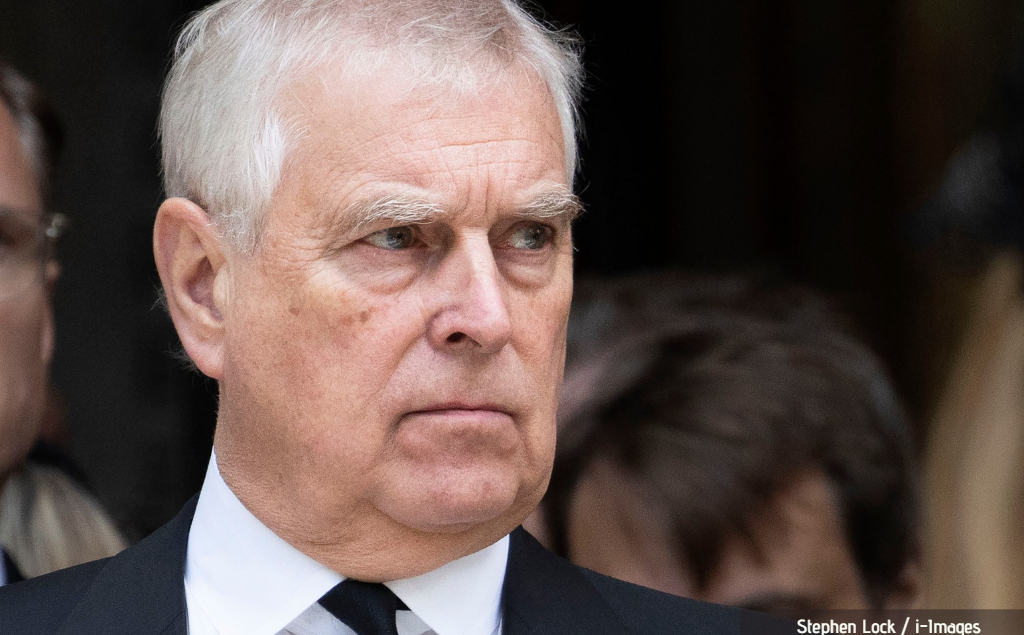
The political landscape surrounding the British monarchy has been significantly stirred by a prominent call for Prince Andrew, Duke of York, to voluntarily remove himself from the line of succession. This demand, articulated by Andrew Bowie, the Shadow Scotland Secretary, emerged in the wake of Prince Andrew’s release from police custody under investigation for alleged misconduct in public office. The circumstances surrounding his arrest, particularly given his historical position and current standing within the royal family, have amplified scrutiny and debate regarding his future eligibility for the throne.
Political Pressure Mounts Following Arrest
Andrew Bowie, speaking to GB News, stated unequivocally that it would be "the decent thing" for Prince Andrew to relinquish his claim. This sentiment was echoed by the timing of the call, which followed Prince Andrew’s apprehension and subsequent release on February 19th, 2026, his 66th birthday. The arrest, conducted by officers investigating allegations of misconduct in public office, has undeniably intensified existing discussions about his place in the succession. While Bowie acknowledged that Prince Andrew has not yet been charged with any offense, he posited that "if he’s found guilty of this, I think Parliament would be well within its rights to act to remove him from the line of succession."
The Mechanics of Succession and Potential Renunciation
The British succession is governed by a complex legal framework, primarily the Act of Settlement 1701 and subsequent amendments, most notably the Succession to the Crown Act 2013. This legislation dictates that the throne passes to the heirs of Sophia of Hanover. Crucially, the line of succession is not a matter for the monarch or the royal family to unilaterally alter; any formal change requires an Act of Parliament. However, individuals can voluntarily renounce their place in the line of succession. This means that Prince Andrew, if he chose to do so, could formally indicate his desire to step back from any future claim to the throne.
The process of parliamentary action to remove an individual from the line of succession is inherently complicated. It would necessitate legislative approval not only in the United Kingdom but also in all other Commonwealth realms where Charles III is King. This multi-jurisdictional requirement makes such a move time-consuming and politically challenging, potentially requiring consensus from a range of sovereign nations that may not wish to dedicate legislative time to such an intricate matter.
Chronology of Events
The recent developments concerning Prince Andrew’s involvement with law enforcement have unfolded rapidly:
- February 19th, 2026, approximately 8:00 AM: Prince Andrew Mountbatten-Windsor is arrested by Thames Valley Police. The arrest occurs on his 66th birthday and is linked to an ongoing investigation into alleged misconduct in public office.
- February 19th, 2026, throughout the day: Prince Andrew is detained and questioned at a police station.
- February 19th, 2026, shortly before 7:00 PM: Prince Andrew is seen being driven away from the Aylsham detention centre, having been released under police investigation.
- Subsequent Days: Police continue their investigation, including searches of his former residence at Royal Lodge on the Windsor estate. Political figures, such as Andrew Bowie, publicly call for Prince Andrew to renounce his claim to the throne.
Background and Context
Prince Andrew’s current predicament is intrinsically linked to the ongoing fallout from the Jeffrey Epstein scandal. He stepped down from public duties in November 2019 following widespread criticism over his association with the convicted sex offender. This was further compounded by a controversial interview with BBC News in which he attempted to address his relationship with Epstein. In February 2022, he reached an out-of-court settlement in a civil sexual assault lawsuit filed against him in the United States, though he has consistently denied any wrongdoing.
The civil settlement, while not an admission of guilt, has continued to cast a long shadow over his public and private life. The subsequent investigation into alleged misconduct in public office represents a new and significant legal challenge, further isolating him from both public life and, potentially, his familial roles.
Prince Andrew was born second in line to the throne, a position that has shifted significantly over the decades due to the births of his nieces and nephews and their children. He is currently eighth in the line of succession, following his brother, Prince William, and William’s children, and then Prince Harry and his children. The individuals ahead of him in the succession are:
- Prince William, Prince of Wales
- Prince George of Wales
- Princess Charlotte of Wales
- Prince Louis of Wales
- Prince Harry, Duke of Sussex
- Prince Archie of Sussex
- Princess Lilibet of Sussex
- Prince Andrew, Duke of York
Official Responses and Government Stance
Thus far, the UK government has maintained a consistent position regarding the line of succession. Previously, officials have stated that there are no current plans to initiate the process of removing anyone from the line of succession. This stance reflects the government’s reluctance to engage with the complex legislative and constitutional hurdles involved. However, the intensification of public and political pressure, particularly following the recent arrest, may eventually compel a more direct governmental response or clarification.
Thames Valley Police have confirmed that the investigation is ongoing and have stated that no further details will be released at this time. This official silence, while standard procedure, allows speculation and commentary to fill the void, further fueling public interest and debate.
Broader Impact and Implications
The calls for Prince Andrew to renounce his claim to the throne, amplified by his recent arrest, carry significant implications for the British monarchy.
- Public Perception and Trust: The monarchy’s enduring appeal relies heavily on public trust and a perception of integrity. Allegations of misconduct and ongoing investigations, particularly those with a criminal dimension, inevitably tarnish this image. Public pressure for Prince Andrew to step aside from the succession can be seen as a reflection of a desire for the institution to distance itself from controversy and uphold high ethical standards.
- Constitutional Precedent: While the current focus is on Prince Andrew, any formal parliamentary action to alter the line of succession would set a significant constitutional precedent. It would highlight the capacity of Parliament to intervene in matters traditionally considered dynastic, potentially opening the door for future debates on succession based on different criteria.
- Royal Family Dynamics: The situation undoubtedly creates internal pressure within the Royal Family. While the institution often projects an image of unity, such controversies can strain relationships and create complex challenges for the King and other senior royals in managing public perception and maintaining familial harmony.
- Media Scrutiny: The media’s role in reporting on royal affairs is paramount. The Prince Andrew story has consistently generated intense media interest, and his continued presence in the line of succession, coupled with legal investigations, ensures that this scrutiny will persist.
Prince Andrew has consistently denied any wrongdoing throughout the various allegations he has faced. His release under investigation signifies that the legal process is ongoing, and the outcome remains uncertain. Nevertheless, the political and public pressure to relinquish his claim to the throne has reached a critical juncture, making his future position within the line of succession a subject of intense national and international discussion. The "decent thing," as articulated by Mr. Bowie, is now a widely debated ethical and constitutional question that the monarchy, and potentially Parliament, may eventually be forced to confront more directly.


 Nila Kartika Wati
 Jia Lissa
 Ana Megawati
 Pevita Pearce
 Joko Widodo
 admin
admin