
 Lina Irawan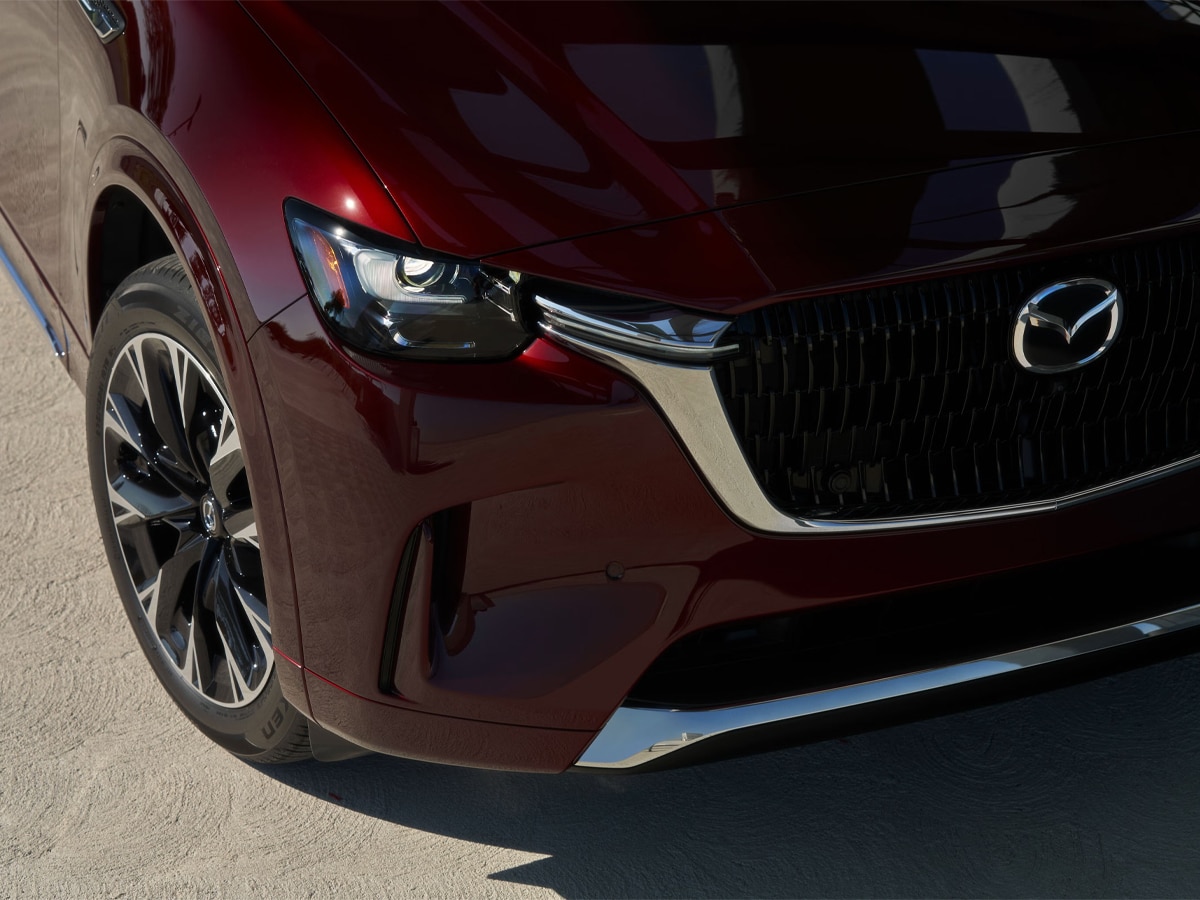
The Australian automotive landscape is undergoing its most significant regulatory transformation in decades following the passage of the Albanese Government’s New Vehicle Efficiency Standard (NVES) Act 2024. As the second-most-expensive purchase most Australians will ever make, the cost of a new car is now inextricably linked to its carbon footprint. While the most dramatic price fluctuations are not projected to materialize until 2028—when fleet emissions targets for passenger cars are scheduled to drop to 68g/km—newly released data from the NVES Regulator provides a stark preview of the winners and losers in this new green economy.
The legislation establishes a framework where car manufacturers must meet increasingly stringent emissions targets across their entire fleet. Brands that exceed these targets accrue "emissions units" or penalties, while those that outperform the standards earn valuable credits. Current projections indicate a seismic shift in financial liability, with traditional Japanese stalwarts like Mazda, Nissan, and Subaru facing potential penalties totaling tens of millions of dollars. Conversely, emerging Chinese manufacturers and electric vehicle (EV) specialists like BYD and Tesla are positioned to bank hundreds of millions in credits, creating a secondary market that could redefine brand profitability in the Australian market.
The Legislative Framework and the Mechanism of Penalties
The NVES Act 2024 functions on a "fleet-wide average" principle. Rather than penalizing individual vehicles, the regulator assesses the average emissions of every vehicle a brand sells within a calendar year. Every manufacturer operating in Australia must reach a "final emissions value" of zero or less by February 1 of the following year.
The calculation of this value is a two-step process. First, the Interim Emissions Value (IEV) is determined by subtracting a vehicle’s actual emissions (E) from the government-mandated emissions target (ET) for its specific category, then multiplying that by the number of units sold. Second, the manufacturer can extinguish units (U) by using credits earned in previous years or purchased from competitors.
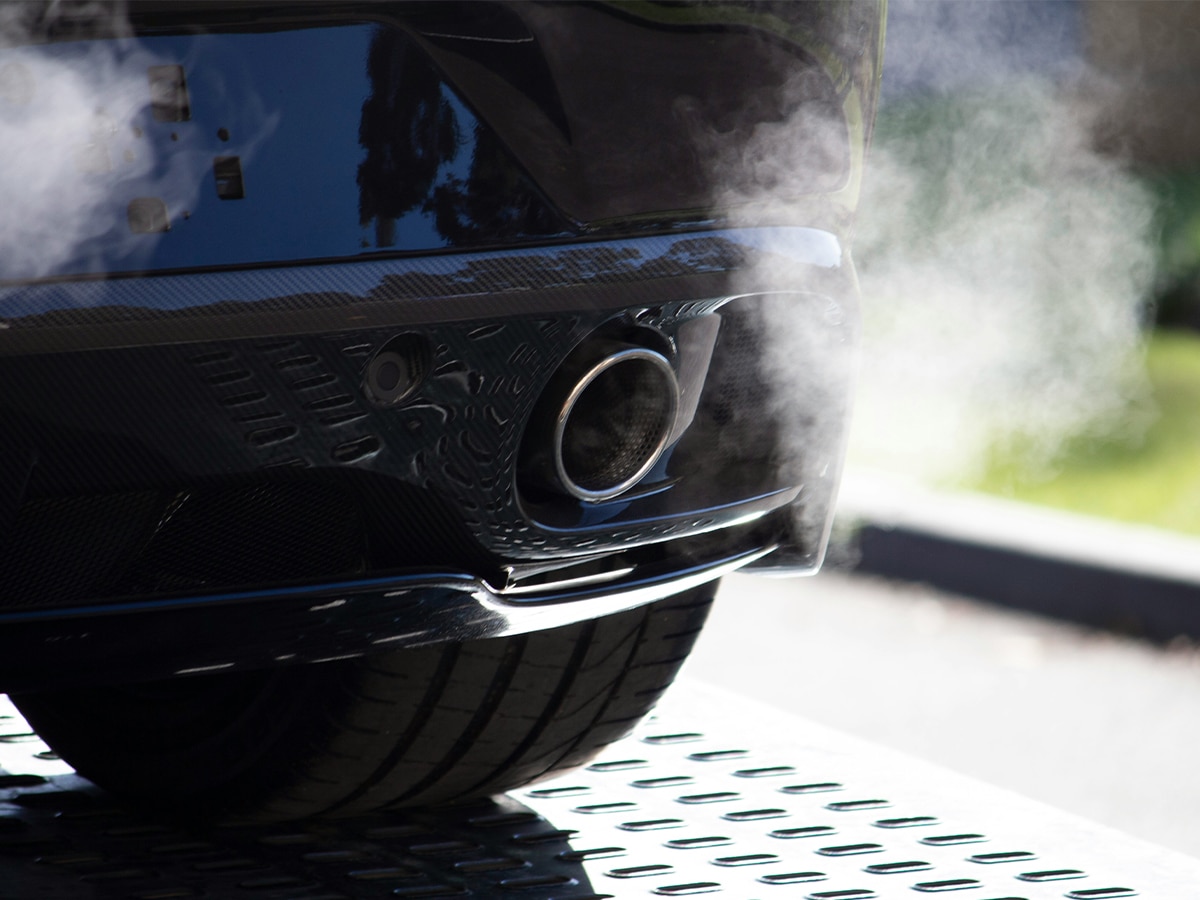
If a brand concludes the year with a positive emissions value—meaning they have polluted more than the target allowed—they face a civil penalty. The maximum penalty is set at $100 per unit of excess CO2. However, the regulator has the discretion to issue an infringement notice at a reduced rate of $50 per unit. This financial pressure is designed to incentivize the transition to low-emission vehicles (LEVs) and zero-emission vehicles (ZEVs).
Chronology of Implementation: The Road to 2029
The NVES does not demand an overnight transition but rather a phased reduction in allowable emissions. The timeline is structured to allow manufacturers to adjust their product pipelines while providing clear signals to the market.
- 2025: The commencement year. Targets are set at 141g/km for Passenger Cars (Type 1) and 210g/km for Utes and Vans (Type 2). Manufacturers begin accruing credits or liabilities.
- 2026–2027: Targets tighten annually. By 2027, passenger car targets drop to 92g/km, a nearly 35% reduction from the starting point.
- February 1, 2028: The first "Final Reconciliation Day." This is the hard deadline where brands must settle their 2025 debts through credit trading or penalty payments.
- 2028: A critical threshold year. Passenger car targets drop to 68g/km, representing a 50% reduction from 2025.
- 2029: The most aggressive phase of the current act. Targets hit 58g/km for Type 1 vehicles and 110g/km for Type 2 vehicles.
This trajectory is designed to bring Australia in line with other major markets, such as the United States and the European Union, which have had similar efficiency standards in place for years.

Analysis of the "Dirty List": Brands Under Financial Pressure
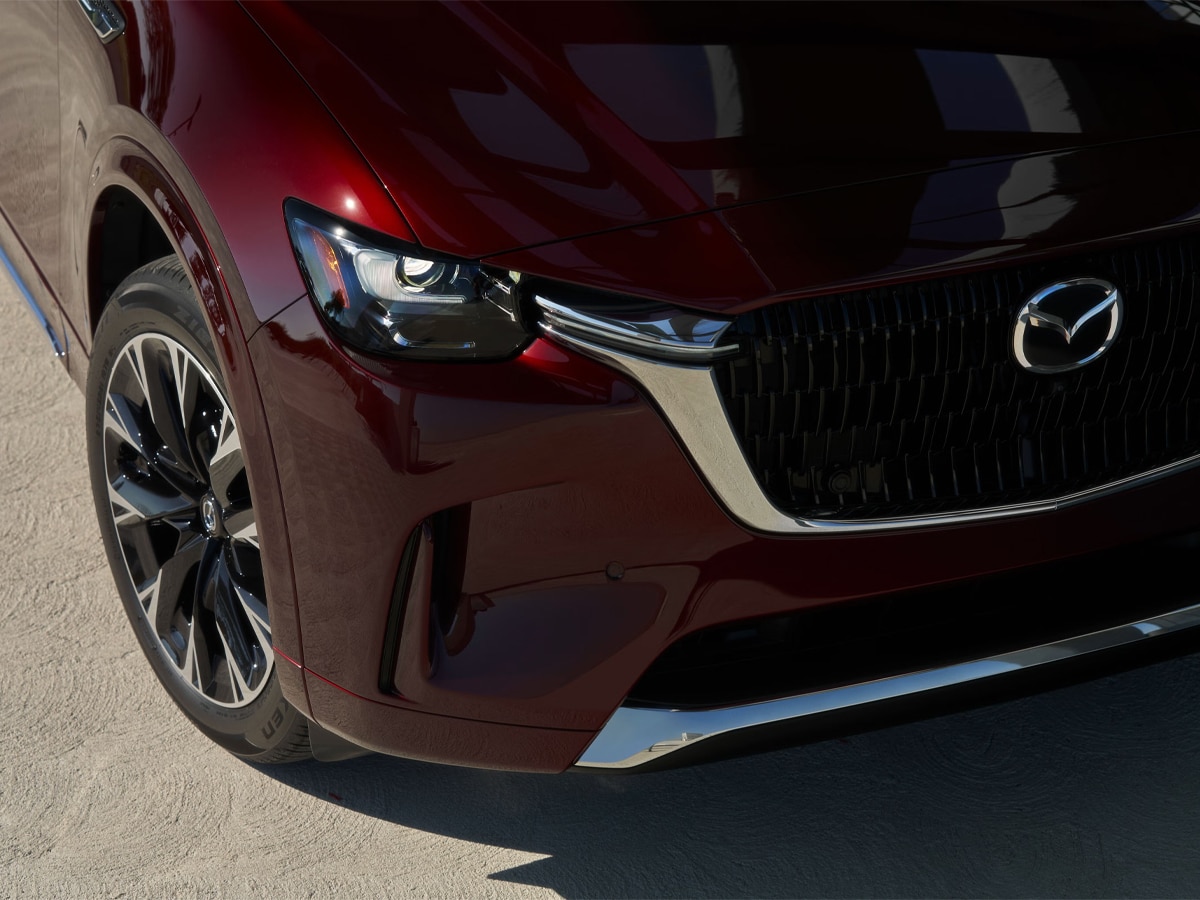
The latest data from the NVES Regulator identifies several household names that are currently off-track. Mazda Motor Corporation leads the list of potential debtors. With a liability of 508,517 units, Mazda faces a theoretical fine of over $25.4 million if penalties were applied today at the $50 rate. This is largely due to Mazda’s historical reliance on naturally aspirated petrol engines across its popular SUV range, such as the CX-5 and CX-30, which lack the hybridization necessary to meet upcoming targets.
Nissan and Subaru follow closely, with liabilities of approximately 215,261 and 139,635 units, respectively. For Subaru, a brand synonymous with All-Wheel Drive (AWD) vehicles that typically consume more fuel, the challenge is particularly acute. Even Hyundai, despite its robust investment in the Ioniq EV sub-brand, currently sits with a liability of over 84,000 units, reflecting the high volume of internal combustion engine (ICE) vehicles it still sells in the Australian market.
Other manufacturers facing significant hurdles include General Motors (GMSV), driven by the high emissions of the Chevrolet Silverado, and Porsche, whose high-performance sports cars naturally exceed efficiency benchmarks.
The Green Goldmine: Credit Surplus and Market Dominance
On the opposite side of the ledger, a new "green" elite is emerging. BYD, the Chinese powerhouse, is currently the largest beneficiary of the NVES, holding a staggering 6,282,824 surplus credits. At a theoretical market value of $50 per unit, these credits are worth $314 million. This massive surplus is the result of BYD’s aggressive push into the Australian market with all-electric models like the Atto 3, Seal, and Dolphin.
Toyota Motor Company holds a surprising second place in credit generation, with nearly 2.9 million surplus units. While Toyota sells a vast number of ICE vehicles, its decade-long dominance in hybrid technology (HEV) has allowed it to keep its fleet average well below the initial 2025 targets. However, analysts warn that this "hybrid buffer" may evaporate by 2029 when targets drop to levels that even the most efficient hybrids, like the Toyota Yaris (76g/km), cannot meet.
Tesla, as a pure-play EV manufacturer, remains a major player in the credit market with 2.2 million units. Other Chinese brands like GWM and MG (under SAIC) are also banking credits, positioning themselves as essential partners for legacy brands that need to purchase offsets to avoid government fines.
The Closed-Loop Economy and Consumer Impact
One of the most complex aspects of the NVES is the creation of a "closed-loop" credit economy. The Australian government has expressed that its primary goal is not to collect revenue, but to force a change in the types of cars imported. If every manufacturer meets their target—either by selling cleaner cars or buying credits from rivals—the total penalties payable to the Commonwealth would be zero.
However, this creates a strategic dilemma. If the market is flooded with credits, their value drops. The current data shows a net surplus of nearly 16 million units—14 times the amount of current penalties. In this scenario, a brand like BYD might find that the market price for a credit is so low that it is not worth selling to a competitor like Mazda. If Mazda cannot buy cheap credits, it must pay the $50 government penalty.
Industry experts predict that these costs will inevitably be passed on to the consumer. For a popular mid-sized SUV that misses the target by a significant margin, the "NVES tax" could add thousands of dollars to the sticker price by 2028 and 2029. Conversely, brands with a surplus of credits may be able to lower their prices or offer incentives, further accelerating the market shift toward Chinese and electric manufacturers.
Official Responses and Industry Reactions
The Federal Chamber of Automotive Industries (FCAI) has previously expressed concerns regarding the pace of the transition. While the industry body supports the principle of an efficiency standard, it has cautioned that the 2028–2029 targets are among the most ambitious in the world and may limit consumer choice, particularly in the heavy SUV and Ute segments.
Minister for Climate Change and Energy, Chris Bowen, has defended the policy, stating that it provides Australians with more choice of fuel-efficient vehicles and lower running costs. The government argues that by catching up to global standards, Australia will no longer be a "dumping ground" for older, more polluting engine technologies that are being phased out in Europe and North America.
Consumer advocacy groups, such as the NRMA, have generally welcomed the move, noting that while the upfront cost of some vehicles may rise, the long-term savings in fuel costs for the average Australian family will be substantial.

Broader Implications for the Australian Market
The NVES Act 2024 is more than just a tax; it is a fundamental restructuring of the Australian car market. As European and Japanese manufacturers pivot their global production toward EVs, the Australian standards ensure that those cleaner models are actually allocated to our shores rather than being sent to markets with stricter penalties.
Furthermore, the act will likely influence the second-hand car market. As new ICE vehicles become more expensive due to penalties, the value of existing petrol and diesel cars may remain artificially high in the short term. In the long term, however, the shift toward EVs is expected to improve national energy security by reducing the country’s reliance on imported liquid fuels.
The coming three years represent a "grace period" for the industry. With the first final reconciliation not due until 2028, brands have a narrow window to overhaul their lineups. Whether through rapid hybridization, the introduction of plug-in hybrids (PHEVs), or a full-scale pivot to battery electric vehicles (BEVs), the race is on to avoid a multi-million dollar bill from the NVES Regulator—a bill that could ultimately determine which brands survive the decade in the Australian market.




 Nila Kartika Wati
 Jia Lissa
 Ana Megawati
 Pevita Pearce
 Joko Widodo
 admin
admin