
 Ana Megawati
California’s automotive landscape is undergoing a profound transformation, driven by the rapid evolution of vehicles from mechanical marvels to sophisticated "computers on wheels." While the foundational consumer protections enshrined in the Song-Beverly Consumer Warranty Act remain a robust shield for drivers, the very definition of what constitutes a "lemon" has fundamentally shifted. No longer solely concerned with traditional mechanical failures like grinding gears or sputtering engines, the focus has increasingly turned to the intricate, often intermittent, world of glitching code and malfunctioning digital systems. This paradigm shift presents new challenges for both consumers seeking redress and manufacturers striving for innovation, necessitating a re-evaluation of established legal frameworks and consumer expectations.
The Ubiquitous Rise of Automotive Software
Modern vehicles are technological powerhouses, integrating hundreds of electronic control units (ECUs) that manage everything from engine performance and transmission shifts to advanced safety features and immersive infotainment systems. A premium vehicle today can contain over 100 million lines of code, dwarfing the complexity of early space shuttles. This software-defined architecture enables groundbreaking innovations such as Advanced Driver-Assistance Systems (ADAS) – including adaptive cruise control, lane-keeping assist, and automatic emergency braking – as well as sophisticated navigation, connectivity, and entertainment platforms. Over-the-Air (OTA) updates, once exclusive to smartphones, are now common in cars, promising continuous improvements and new features, but also introducing new vectors for potential defects.
This digital revolution, while offering unprecedented levels of safety, convenience, and performance, also introduces a new class of vulnerabilities. Software bugs, system freezes, connectivity issues, and sensor malfunctions can disrupt the intended operation of critical vehicle functions. The interconnected nature of these systems means a glitch in one module can have cascading effects, impacting seemingly unrelated components. For consumers, this translates into a heightened reliance on complex digital interfaces for even basic vehicle operations, making software reliability paramount.
Redefining the "Lemon": From Hardware to Code
Historically, a vehicle qualified as a "lemon" under the Song-Beverly Act if it suffered from a substantial defect that the manufacturer was unable to repair after a reasonable number of attempts. These defects were typically tangible: a faulty engine, a slipping transmission, or a brake system failure. The diagnostic process often involved physical inspection and replacement of mechanical parts.
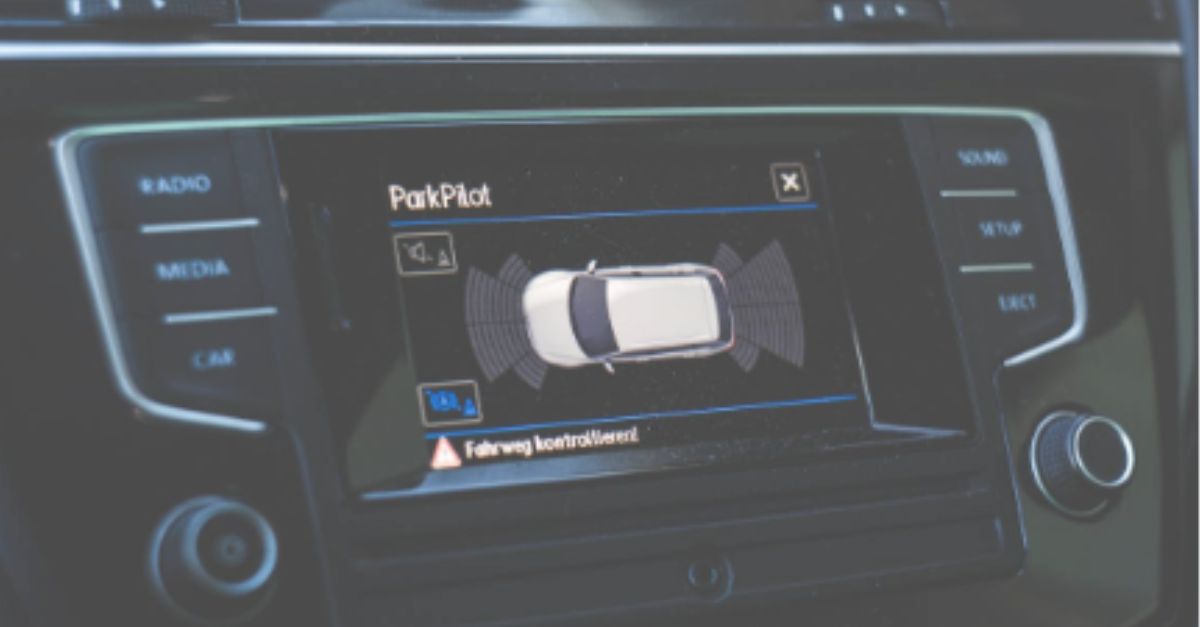
However, the advent of software-centric vehicles has blurred these lines. Many of the most persistent and frustrating defects now originate within the infotainment system, navigation units, climate control interfaces, or the intricate web of sensors powering ADAS. Drivers report issues such as screens going black mid-drive, navigation systems freezing, rearview cameras failing intermittently, or the disconcerting phenomenon of "phantom braking" where safety sensors erroneously trigger emergency braking on an open highway.
The legal challenge in these cases is exacerbated by the intermittent nature of software glitches. A vehicle owner might experience a critical system failure, only for the system to function perfectly by the time it reaches the dealership. This "no fault found" scenario creates immense frustration and makes it difficult to document and prove the defect. Under California law, a defect must "substantially impact" the use, value, or safety of the vehicle. In the past, manufacturers might have argued that a freezing GPS or a glitchy radio was a mere "convenience" issue, not rising to the level of a substantial impairment. However, with modern vehicles, these digital screens and systems often control critical functions—from displaying rearview camera feeds crucial for safety, to managing climate control, and even influencing gear selection or drive modes. Consequently, a digital failure is increasingly recognized as a safety-critical nonconformity, directly affecting the vehicle’s safe operation and usability.
Legislative Adaptation: California’s AB 1755 and the Dual-Track System
Recognizing the evolving nature of automotive defects and the need for updated consumer protections, California lawmakers enacted Assembly Bill 1755, which introduces significant changes to the Song-Beverly Consumer Warranty Act. Effective July 1, 2025, AB 1755 establishes a "dual-track" system for handling warranty claims, depending on whether the vehicle’s manufacturer has opted into new procedural rules. This legislative update reflects a proactive effort to streamline the resolution process for consumers while providing manufacturers with a structured framework for addressing warranty claims in the digital age.
The impetus behind AB 1755 stemmed from a growing backlog of consumer complaints related to persistent vehicle defects, many of which were software-related and proved difficult to resolve under existing statutes. Consumer advocacy groups had long argued that the traditional lemon law process could be unduly protracted, leaving consumers without reliable transportation for extended periods.
Under the new "dual-track" system:
- Opt-in Track: Manufacturers that choose to opt-in to the new procedural rules established by AB 1755 will be subject to tighter deadlines for responding to consumer claims and for completing buybacks or replacements. While the specific details of these deadlines are contingent on regulatory interpretation, the general intent is to accelerate the resolution process. This track aims to provide a more efficient mechanism for consumers, potentially reducing the time a defective vehicle spends in limbo. For manufacturers, opting in may offer benefits such as clearer procedural guidelines and potentially reduced litigation costs by facilitating earlier resolutions.
- Traditional Track: Manufacturers that do not opt-in will continue to operate under the existing, traditional Song-Beverly Act procedures. This means consumers dealing with non-participating manufacturers will follow the established timelines and processes that have been in place prior to AB 1755.
This bifurcated approach requires consumers to ascertain which "track" their vehicle’s manufacturer falls under, making the timing and nature of their claim more critical than ever. Consumer advocates generally view AB 1755 as a positive step, arguing that it provides a necessary update to a law designed in a pre-digital automotive era. Industry representatives, while acknowledging the need for clarity, have expressed the importance of ensuring that the new rules are practical and do not unduly burden manufacturers with unrealistic timelines, especially given the complexities of diagnosing and repairing advanced vehicle systems. The California Department of Consumer Affairs is expected to provide further guidance and clarification on the implementation of these new rules as the effective date approaches.
Proving a Software-Induced Lemon Claim: The Documentation Imperative
Succeeding in a lemon law claim, especially one rooted in software glitches, hinges on meticulous documentation. The law is indifferent to whether the defect is a physical part or a line of code; if the manufacturer cannot fix the issue after a "reasonable number of attempts," they are obligated to offer a buyback or replacement. However, proving this "inability to fix" requires a robust paper trail.
Drivers should not merely inform the dealership that "the screen is having issues" or "the car is acting weird." Instead, they must demand that service records precisely detail the symptoms, the conditions under which they occurred, and any diagnostic codes or attempted remedies. Examples of effective documentation include:
- Specific Incident Details: "Infotainment screen went black for 15 minutes while driving at 65 mph on Highway 101 on [Date] at [Time]."
- Environmental Factors: "Backup camera failed to activate in sub-freezing temperatures on [Date] at [Time], despite multiple attempts to shift into reverse."
- Error Messages: Recording any on-screen error messages, warnings, or diagnostic codes.
- Frequency and Duration: Noting how often an issue occurs and for how long.
- Impact on Driving: Explaining how the software glitch affected the vehicle’s safety, usability, or value (e.g., "Could not use navigation, making me late for a critical appointment," or "Unable to adjust climate control, making the cabin uncomfortable and distracting").
Each service visit, even for a "software update," should be thoroughly documented. If the vehicle is spending more time at the dealership for these updates than it is in the driver’s possession, it strengthens the case that the manufacturer is unable to rectify the underlying defect. These records form the bedrock of any successful claim, demonstrating a persistent, unaddressed issue that substantially impacts the vehicle’s fitness for use.
Broader Implications for the Automotive Ecosystem
The evolution of lemon law to encompass software defects carries significant implications across the entire automotive ecosystem.
- For Manufacturers: There is increased pressure to prioritize robust software development, rigorous testing, and comprehensive quality assurance protocols throughout the entire vehicle lifecycle. This includes not just initial deployment but also ongoing OTA updates. Manufacturers must invest more in software engineering talent and develop more sophisticated diagnostic tools for dealerships. The potential for buybacks or replacements due to software issues represents a substantial financial liability, incentivizing proactive bug resolution.
- For Dealerships and Technicians: Service departments are at the forefront of this shift. Technicians, traditionally skilled in mechanical repairs, now require extensive training in software diagnostics, networking protocols, and proprietary system updates. Dealerships must adapt their service workflows to effectively document intermittent software glitches and communicate complex technical issues to both consumers and manufacturers. The "no fault found" scenario often strains the relationship between the customer and the service center, highlighting the need for better diagnostic tools and protocols.
- For Supply Chain: The automotive supply chain is increasingly global and complex, with numerous third-party suppliers contributing software and electronic components. Identifying the root cause of a software bug can involve multiple vendors, complicating fault attribution and resolution. This necessitates tighter integration and collaboration among suppliers and OEMs to ensure software compatibility and reliability.
- For Consumers and Trust: Unresolved software issues can severely erode consumer confidence in new vehicle technology. As vehicles become more autonomous and interconnected, trust in their underlying software integrity becomes paramount. Transparent communication from manufacturers about known issues and proactive solutions will be crucial for maintaining brand loyalty and encouraging adoption of future technologies.
- Future Trends: The trend towards subscription-based features and increasingly autonomous driving capabilities will further complicate the landscape. What happens when a paid software feature stops working? How will liability be assessed when an autonomous system malfunctions due to a software bug? These questions will undoubtedly drive further legislative and legal scrutiny in the years to come.
Seeking Professional Assistance in a Complex Landscape
Navigating the intricacies of new automotive technology, coupled with updated and often complex legislation like AB 1755, can be overwhelming for the average driver. The "dual-track" system, the stringent documentation requirements, and the nuanced interpretation of "substantial impact" and "reasonable number of attempts" make professional legal assistance less of an option and more of a necessity.
A qualified California lemon law attorney plays a critical role in guiding consumers through this labyrinth. They can help determine which "track" a vehicle’s manufacturer falls under, ensuring that pre-suit notices and all communications meet the strict standards required by law. Attorneys possess the expertise to analyze service records, identify patterns of defect, and articulate the legal arguments necessary to demonstrate that a software glitch substantially impairs the vehicle. They can also effectively negotiate with manufacturers, whether for a buyback, a replacement vehicle, or a cash settlement.
By staying proactive with meticulous documentation and understanding the specific legal framework governing their vehicle’s manufacturer, consumers can transform a frustrating experience with a high-tech "paperweight" into a fair and just resolution. The evolving California Lemon Law reflects a critical adaptation to the digital age, ensuring that consumer protections keep pace with automotive innovation and uphold the promise of reliability and safety in an increasingly software-driven world.




 Nila Kartika Wati
 Jia Lissa
 Pevita Pearce
 Joko Widodo
 admin
admin