
 Jia Lissa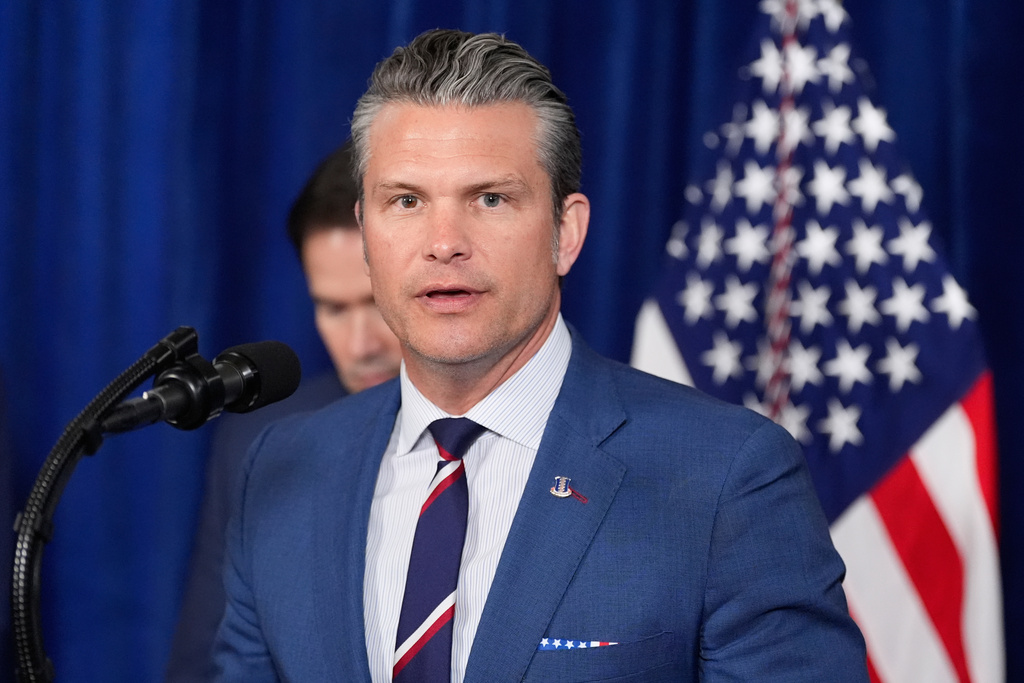
United States Secretary of Defense Pete Hegseth, who has recently utilized the title Secretary of War, issued his first formal comments on Saturday evening regarding a massive joint military operation between the United States and Israel. The mission, dubbed Operation Epic Fury, involved a series of high-intensity aerial strikes against the Islamic Republic of Iran, resulting in the reported death of Supreme Leader Ali Khamenei and the systematic dismantling of key Iranian military infrastructure. Hegseth’s statement, released via social media at 6:48 p.m., followed a day of intense public speculation regarding his whereabouts and his role in the command hierarchy during the onset of the campaign.
The military action represents one of the most significant escalations in the Middle East in decades, marking a departure from previous strategies of containment toward a policy of direct kinetic engagement against the Iranian leadership and its strategic assets. Hegseth’s late-day communication sought to define the parameters of the mission, characterizing it as a decisive blow against a long-standing adversary.
The Commencement of Operation Epic Fury
The military campaign began in the early hours of Saturday, February 28, 2026. President Donald Trump first announced the commencement of the bombing campaign via a video message at approximately 2:30 a.m., signaling the start of what the administration described as a retaliatory and preemptive effort to neutralize Iranian threats. While the President was quick to take to the airwaves, the official confirmation of the mission’s results and the broader strategic objectives remained sparse for much of the day.
In his eventual statement, Hegseth described the mission in historic terms. "Overnight, on President Trump’s orders, the Department of War commenced OPERATION EPIC FURY — the most lethal, most complex, and most-precision aerial operation in history," Hegseth wrote. He further asserted that the Iranian regime had been provided with opportunities to negotiate but had "refused to make a deal," thereby necessitating the military response.
The Secretary’s rhetoric was notably aggressive, echoing the administration’s broader shift toward a more confrontational foreign policy. Hegseth referred to the Iranian government as a "cancer" that had targeted Americans for nearly fifty years. He outlined specific military objectives that had been targeted, including Iran’s missile production facilities and its naval assets, while reiterating the long-standing U.S. policy that Iran would never be permitted to attain nuclear weapons.
Chronology of Events: February 28, 2026
The timeline of the day’s events reveals a period of significant information management by the White House, during which Secretary Hegseth was notably absent from the public eye.
02:30 a.m.: President Trump posts a video announcement confirming that U.S. and Israeli forces have begun a major bombing campaign against targets within Iran. The President emphasizes that the strikes are a response to ongoing threats against American personnel and interests in the region.
Morning Hours: Reports begin to surface regarding the scale of the strikes. Initial data suggests that hundreds of precision-guided munitions were deployed against command-and-control centers, air defense batteries, and suspected nuclear research sites.
11:08 a.m.: White House Press Secretary Karoline Leavitt provides a status update via social media. She notes that President Trump is being briefed by his national security team, specifically mentioning Secretary of State Marco Rubio. Notably, Hegseth is not mentioned in the post, nor is he visible in the accompanying photographs of the "war room" established at the Mar-a-Lago resort in Florida.
Mid-Afternoon: Official confirmation reaches the media regarding the death of Iran’s Supreme Leader, Ali Khamenei. The death of the 86-year-old cleric, who had ruled Iran since 1989, sends shockwaves through global markets and prompts emergency sessions at the United Nations.
06:48 p.m.: Secretary Hegseth breaks his silence with a lengthy statement on X (formerly Twitter), confirming the name of the operation and outlining the administration’s justification for the strikes.
07:30 p.m.: The United Nations Security Council convenes an emergency session to discuss the strikes. Secretary-General António Guterres issues a formal condemnation of the military action, citing a "grave threat to international peace."
Military and Strategic Objectives
Operation Epic Fury appears to have been designed to achieve three primary goals: the decapitation of the Iranian political and religious leadership, the destruction of its "asymmetric" naval capabilities in the Persian Gulf, and the elimination of its ballistic missile infrastructure.

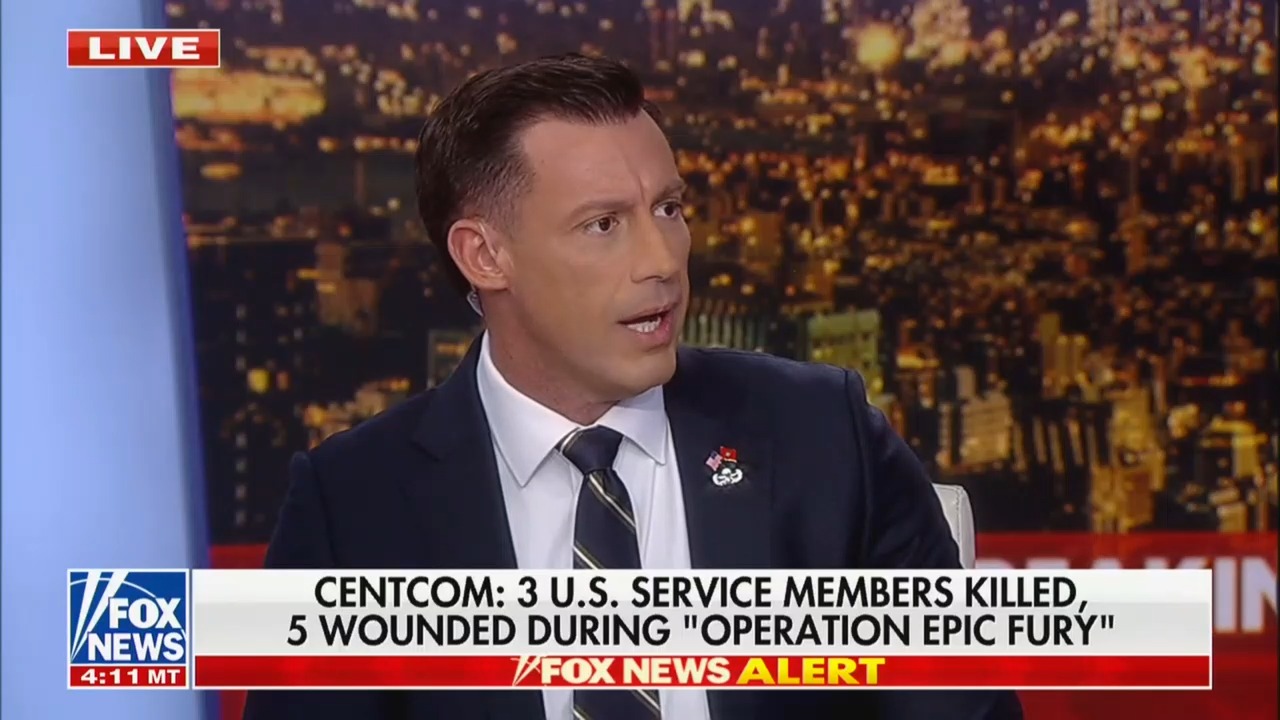
According to sources familiar with the operation, the strikes utilized a combination of F-35 Lightning II stealth fighters, B-2 Spirit bombers, and sea-launched Tomahawk cruise missiles. The involvement of the Israeli Air Force (IAF) was reportedly critical in neutralizing Iran’s Russian-made S-300 and S-400 air defense systems, allowing U.S. assets to strike deep within Iranian territory with minimal resistance.
Hegseth’s statement emphasized the "precision" of the operation, a claim intended to mitigate international concerns regarding civilian casualties. However, the targeting of the Supreme Leader suggests a shift toward "regime collapse" as a functional military objective. The Secretary of War warned that the U.S. would continue to "hunt down" those who threaten Americans, stating, "The United States did not start this conflict, but we will finish it."
Domestic Scrutiny and the "War Room" Controversy
Despite the magnitude of the military operation, much of the domestic political conversation on Saturday centered on the perceived absence of Secretary Hegseth during the initial phases of the crisis. As the official head of the Department of War (formerly the Department of Defense), Hegseth’s lack of visibility in the early "war room" photos drew sharp criticism from journalists and political analysts.
Journalist Aaron Rupar noted on social media that Hegseth was "conspicuous by his absence" in the photographs released by the White House Press Office. This sentiment was echoed by other observers who pointed out that while the nation was engaging in a historic military campaign, Hegseth’s recent social media activity had been focused on cultural and domestic issues. In the days leading up to the strike, Hegseth had posted content criticizing the Boy Scouts of America and Ivy League universities—institutions from which he himself graduated.
Critics, including former military officials and political commentators, questioned whether the leadership of the military was being handled with the necessary gravitas. Fred Wellman, a vocal critic of the administration, suggested that the President’s team was distracted by "workout videos" and cultural grievances while planning a high-stakes international conflict.
However, Reuters later reported that Hegseth, along with Joint Chiefs of Staff General Dan Caine, had been monitoring the operation from Mar-a-Lago. The decision to remain out of the initial photographic releases may have been a tactical choice or a result of the fluid nature of the command structure at the Florida resort.
International Reaction and the United Nations Response
The international community’s response to Operation Epic Fury has been deeply polarized. At the United Nations, Secretary-General António Guterres characterized the strikes as a violation of international law and a dangerous escalation that could lead to a broader regional war. Guterres called for an immediate cessation of hostilities and a return to diplomatic channels.
In response, the U.S. Ambassador to the U.N., Mike Waltz, delivered a forceful defense of the operation. Waltz argued that the Iranian regime had engaged in "wholesale slaughter" of its own citizens and had been responsible for the deaths of thousands of Americans through its support of proxy groups and direct military provocations over several decades. Waltz maintained that the strikes were a necessary act of self-defense and a long-overdue accounting for the regime’s actions.
The death of Ali Khamenei creates a power vacuum in Tehran that has significant implications for regional stability. Analysts suggest that the Islamic Revolutionary Guard Corps (IRGC) may attempt to seize total control of the government, or conversely, that the regime could face an internal collapse as pro-democracy protesters emboldened by the strikes take to the streets.
Broader Impact and Future Implications
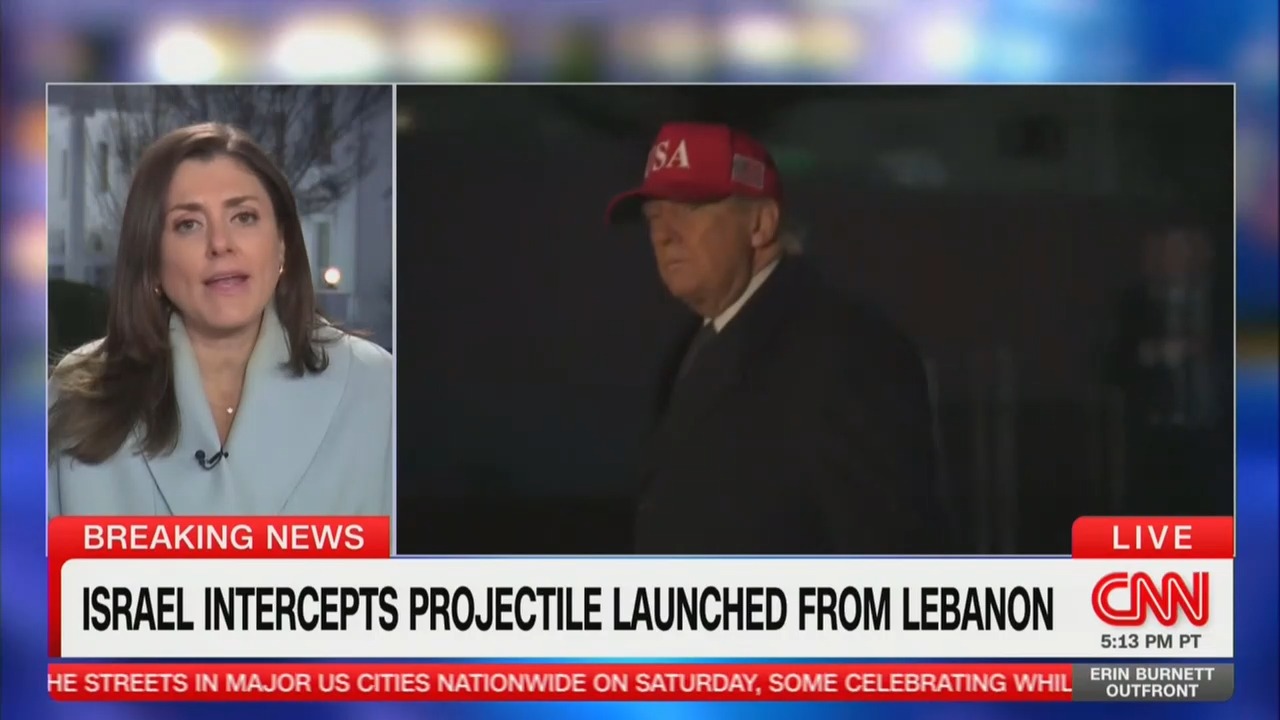
The long-term consequences of Operation Epic Fury remain uncertain. While the administration has claimed a tactical victory, the potential for Iranian retaliation remains high. Iran’s "Axis of Resistance," which includes Hezbollah in Lebanon, the Houthis in Yemen, and various militias in Iraq and Syria, possesses the capability to launch counter-attacks against U.S. bases and regional allies.
Furthermore, the global economy has already begun to react. Oil prices saw a sharp spike in after-hours trading following the confirmation of the strikes, as traders weighed the risk of a closure of the Strait of Hormuz, a vital chokepoint for global energy supplies.
Secretary Hegseth’s late-night address served as a definitive statement of intent for the Trump administration. By rebranding the Department of Defense as the "Department of War" and overseeing the most aggressive strike on Iranian soil in history, Hegseth has signaled a transformation in American military posture. Whether this "unleashed" military approach achieves the stated goal of permanent stability or leads to a protracted conflict is the question that now faces the global community.
As the smoke clears over Tehran and the strategic sites across Iran, the world waits to see how the remnants of the Iranian leadership will respond and whether the "providence" Hegseth invoked will indeed protect the American forces currently deployed in the region. For now, the United States has moved into a new and unpredictable chapter of its involvement in the Middle East, with Pete Hegseth firmly, if belatedly, at the helm of the war effort.


 Nila Kartika Wati
 Ana Megawati
 Pevita Pearce
 Joko Widodo
 admin
admin