
 Ana Megawati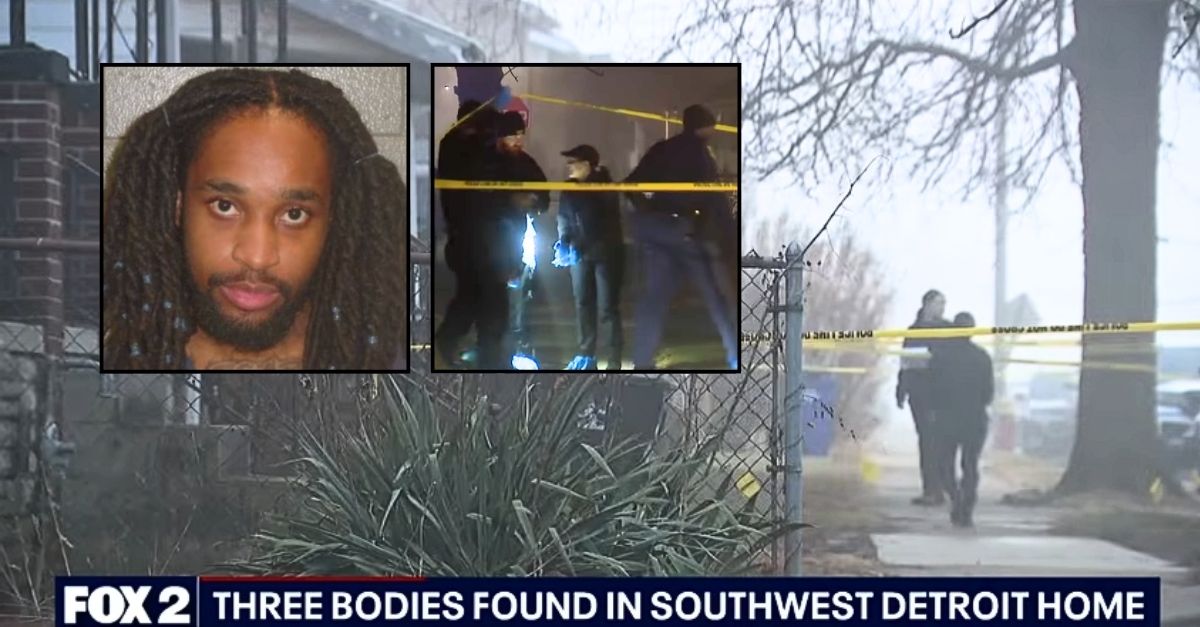
A horrifying discovery in a Detroit basement, where three men all over 60 years old were found brutally assaulted and deceased, has been tragically linked by prosecutors to Lance Clowney II, a 27-year-old with a substantial history of violent felony convictions. The victims, identified as Norman Hamlin, 66, Mark Barnett, 65, and William Barrett, 72, were discovered wrapped in dirty clothes and a carpet in the blood-soaked basement of a residence on the 3100 block of South Edsel Street. Clowney, who was recently released from prison after serving time for armed robbery and carjacking, is currently facing charges of assault with intent to murder and assault with a dangerous weapon in connection with a separate hammer attack near the scene, though formal homicide charges related to the triple slaying have not yet been filed. Prosecutors, however, explicitly stated during Clowney’s arraignment that they believe he is connected to the deaths, painting a grim picture of a community grappling with profound violence and a justice system facing questions about recidivism.
The Gruesome Discovery on South Edsel Street
The chilling events began to unfold on February 18, when Detroit Police officers were in the South Edsel Street area investigating a missing person report. It was during this routine inquiry that a new, more sinister dimension emerged. Officers were approached by an individual who reported having been violently attacked near a home in the vicinity. This report redirected the police’s attention, leading them to the residence at approximately 12:50 p.m. Upon entering the home, officers descended into the basement, where they were confronted with a scene of unimaginable horror.
There, concealed beneath layers of dirty clothing and a carpet, lay the bodies of Norman Hamlin, Mark Barnett, and William Barrett. The men, all in their advanced years, had suffered what authorities described as "brutal assaults." The state of the basement, reportedly covered in blood, indicated a violent struggle had taken place within the confines of the home. Detroit Police Cmdr. Rebecca McKay, addressing reporters shortly after the discovery, emphasized that preliminary findings suggested the assaults occurred inside the residence, and the bodies were not transported from another location. This detail underscored the immediate and intimate nature of the violence that had transpired. The victims had been deceased for approximately a day before their discovery, adding to the somber timeline of events. The revelation sent shockwaves through the quiet residential street, leaving neighbors bewildered and fearful.
Connecting the Dots: The Hammer Attack and Lance Clowney II
The investigation quickly shifted focus to Lance Clowney II, 27, following the report of the hammer attack near the South Edsel Street home. The victim of this assault described being attacked by a man wielding a hammer. Police, acting on this information, apprehended Clowney. At the time of his arrest, he was allegedly found in possession of not only a hammer, but also a baseball bat, and three mobile phones. These items immediately raised suspicions, particularly given their potential as instruments of violence and the presence of multiple communication devices.
During Clowney’s arraignment for the alleged hammer attack, prosecutors laid out their compelling argument, explicitly linking him to the triple homicide. "Due to the assaultive nature, we believe the defendant is connected to not only this assault with the complaining witness in this matter, but the connection to three decedents in the basement," a prosecutor stated, as reported by local Fox affiliate WJBK. This public declaration by the Wayne County Prosecutor’s Office, even without formal homicide charges, signaled a strong belief in Clowney’s involvement based on the evidence gathered thus far. The nature of the weapon used in the reported assault – a hammer – aligned chillingly with the "brutally assaulted" description of the deceased men. Clowney was subsequently remanded to court and denied bond, with prosecutors arguing he posed a significant threat to the community, a claim that resonated deeply given the gravity of the allegations.
A Suspect’s Troubled Past: A History of Violent Offenses
Lance Clowney II’s alleged connection to such a heinous crime is amplified by a long and disturbing criminal record, casting a spotlight on the challenges of recidivism within the justice system. Court records reveal a history replete with serious felony convictions that include armed robbery, carjacking, felony firearm possession, and fleeing police. These are not minor infractions but indicate a pattern of violent and dangerous behavior.
Of particular note is his recent history: Clowney was released from prison in January 2025, after serving a sentence of five to 15 years for his carjacking and armed robbery convictions. This means he had been out of incarceration for just over a year when these current alleged crimes occurred. Furthermore, in May of the previous year, he pleaded guilty to assault and battery, for which he received a sentence of 40 days in jail, with credit for time served. This sequence of events—release from a lengthy prison sentence for violent crimes, a subsequent assault conviction, and now allegations connecting him to a triple homicide—paints a troubling picture. The prosecutor’s argument to deny bond, citing him as a "threat to the community," was therefore supported by a documented history of violence and a recent pattern of re-offending. This background raises critical questions about rehabilitation, public safety, and the effectiveness of correctional systems in preventing repeat offenses by individuals with violent tendencies.
The Investigation Unfolds: Police and Forensic Efforts
The Detroit Police Department (DPD) launched an intensive investigation immediately following the discovery of the bodies. Commander Rebecca McKay’s initial statements provided crucial early details, confirming the presence of three deceased individuals in the basement and the likelihood that the assaults occurred on site. The DPD’s Homicide Unit, along with crime scene investigators, meticulously processed the residence on South Edsel Street, a process vital for collecting forensic evidence that could definitively link a suspect to the victims and the crime scene.
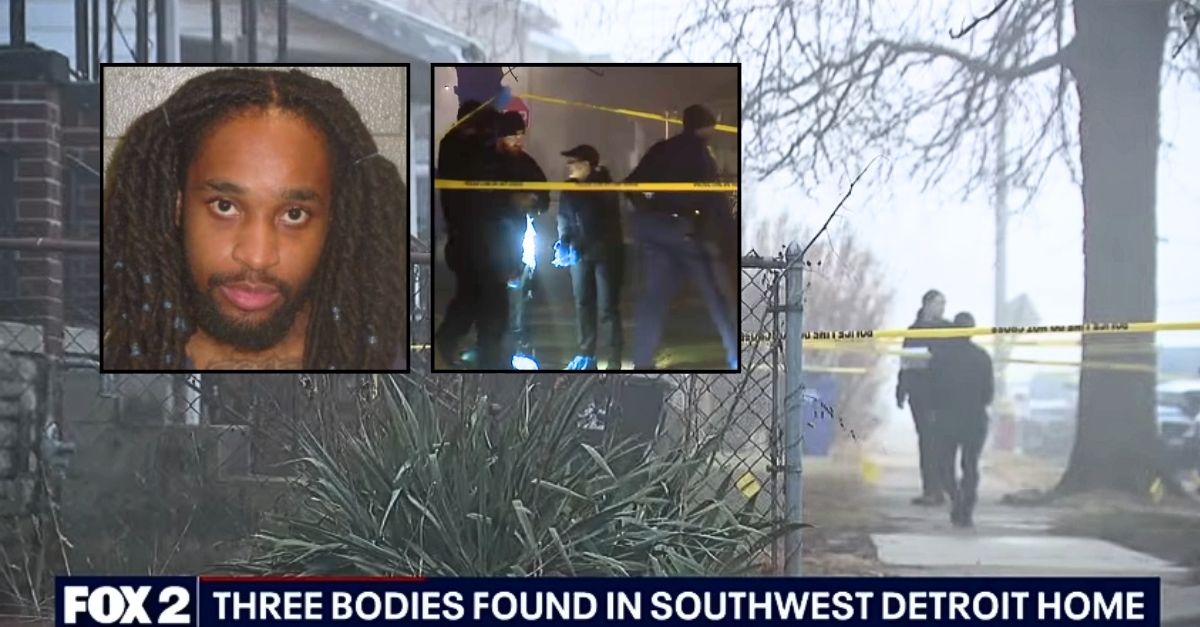
Forensic evidence, including DNA, fingerprints, and tool marks from potential weapons, will be critical in building a comprehensive case. The presence of "blood everywhere" as described by sources, suggests a wealth of biological evidence for analysis. The three mobile phones allegedly found on Clowney are also significant, potentially containing call logs, messages, or location data that could corroborate or contradict his movements and interactions around the time of the homicides. The missing person report that initially brought police to the area has not been explicitly linked to any of the victims, but it served as the catalyst for the tragic discovery, highlighting the unpredictable nature of police work and the interconnectedness of seemingly disparate incidents. The DPD continues to work closely with the Wayne County Prosecutor’s Office, pooling resources and expertise to ensure a thorough and unassailable investigation.
Community Under Siege: Reactions and Fears
The horrific discovery on South Edsel Street has sent a palpable wave of shock and fear through the local Detroit community. Neighbors, many of whom have lived on the street for decades, expressed disbelief and profound sadness over the violence that occurred so close to their homes. Thomas Barnes, the block club president, articulated the collective sentiment of bewilderment in an interview with WXYZ, stating, "Didn’t hear a thing. Tragic, especially when it’s right there under your nose, so to speak." This sense of proximity to unspeakable violence, without any prior indication, has left residents feeling vulnerable and questioning their safety.
The victims, all elderly men, represent a particularly defenseless segment of the population, intensifying the community’s outrage and grief. Such incidents erode the fabric of trust and security within a neighborhood, forcing residents to reconsider their sense of peace. For many, the incident serves as a stark reminder of the ever-present challenges of urban crime, even in areas that are generally perceived as quiet. The psychological impact extends beyond the immediate vicinity, fostering broader anxieties about crime rates and the safety of vulnerable populations across the city. Community leaders and residents are likely to demand increased police presence, better crime prevention strategies, and assurances that justice will be swiftly served.
Detroit’s Persistent Challenge: A City Grappling with Violent Crime
Detroit has a complex and often challenging history with violent crime, a narrative that this triple homicide regrettably reinforces. While the city has made significant strides in revitalization and economic development in recent years, the specter of high crime rates, particularly homicides, continues to be a formidable obstacle to full urban recovery and community peace. Historically, Detroit experienced some of the highest homicide rates in the nation during the late 20th century, a legacy that continues to influence perceptions and realities.
In recent years, the city has seen fluctuations in its crime statistics. For instance, after a surge in violent crime during the pandemic years, Detroit recorded a notable decrease in homicides in 2023 compared to the previous year, offering a glimmer of hope. However, the overall violent crime rate, including assaults, remains considerably higher than the national average. Factors contributing to this persistent challenge are multi-faceted, encompassing socioeconomic disparities, poverty, lack of opportunity, issues of mental health, and the prevalence of illegal firearms. The DPD, under successive administrations, has implemented various strategies, including community policing initiatives, targeted enforcement programs like Ceasefire Detroit, and collaborations with federal agencies, all aimed at curbing violence. Yet, incidents like the South Edsel Street homicides underscore the fragility of these gains and the continuous, uphill battle faced by law enforcement and community activists in creating lasting safety and security for all residents. This ongoing struggle shapes public discourse and policy decisions within the city.
The Path Forward: Legal Proceedings and Pursuit of Justice
The legal journey for Lance Clowney II is now entering a critical phase. He is scheduled to appear in court for a probable cause hearing, a crucial step in the Michigan legal system where a judge determines if there is sufficient evidence to proceed to trial on the current charges of assault with intent to murder and assault with a dangerous weapon. This hearing will be an opportunity for prosecutors to present their initial case, including evidence gathered from the crime scene, witness statements regarding the hammer attack, and any forensic findings that have been processed.
The more significant legal development will be the potential for homicide charges to be filed in the deaths of Norman Hamlin, Mark Barnett, and William Barrett. For this to occur, the Wayne County Prosecutor’s Office must present compelling evidence to establish probable cause that Clowney was directly responsible for the brutal killings. This will likely involve a combination of forensic analysis linking him to the victims and the murder weapons, testimony from the hammer attack victim, and potentially other circumstantial evidence. The process is meticulous and time-consuming, requiring thorough investigation and robust legal strategizing. The community, the victims’ families, and the wider public will be watching closely, awaiting the formal charges that would begin the arduous process of seeking justice for the three elderly men whose lives were so tragically cut short. The prosecutor’s office has a significant task ahead in navigating these complex legal waters to ensure accountability.
Broader Implications and the Call for Safety
The brutal slayings on South Edsel Street and the alleged involvement of a repeat violent offender like Lance Clowney II carry profound broader implications for the city of Detroit and the criminal justice system at large. This case serves as a stark reminder of the challenges posed by recidivism, where individuals with extensive histories of violent crime re-offend, often with devastating consequences. It inevitably sparks public debate about the effectiveness of sentencing, rehabilitation programs, and parole systems in preventing such tragic outcomes. Questions will be raised about whether sufficient safeguards are in place to monitor and manage individuals deemed a threat to public safety upon their release.
Beyond the immediate legal proceedings, this incident impacts public trust in the ability of institutions to protect citizens, particularly the most vulnerable. The elderly victims underscore the importance of community vigilance and support networks for senior citizens. For Detroit, a city on a path of revitalization, such high-profile violent crimes, especially those involving multiple victims, can hinder progress and reignite old anxieties about safety, potentially deterring investment and new residents. The call for enhanced public safety measures, robust community engagement, and a critical re-evaluation of strategies to address violent crime and prevent recidivism will undoubtedly intensify. Ultimately, this tragic event is a somber testament to the human cost of unchecked violence and a pressing demand for comprehensive solutions that protect communities and deliver justice for victims.


 Nila Kartika Wati
 Jia Lissa
 Pevita Pearce
 Joko Widodo
 admin
admin