
 Nila Kartika Wati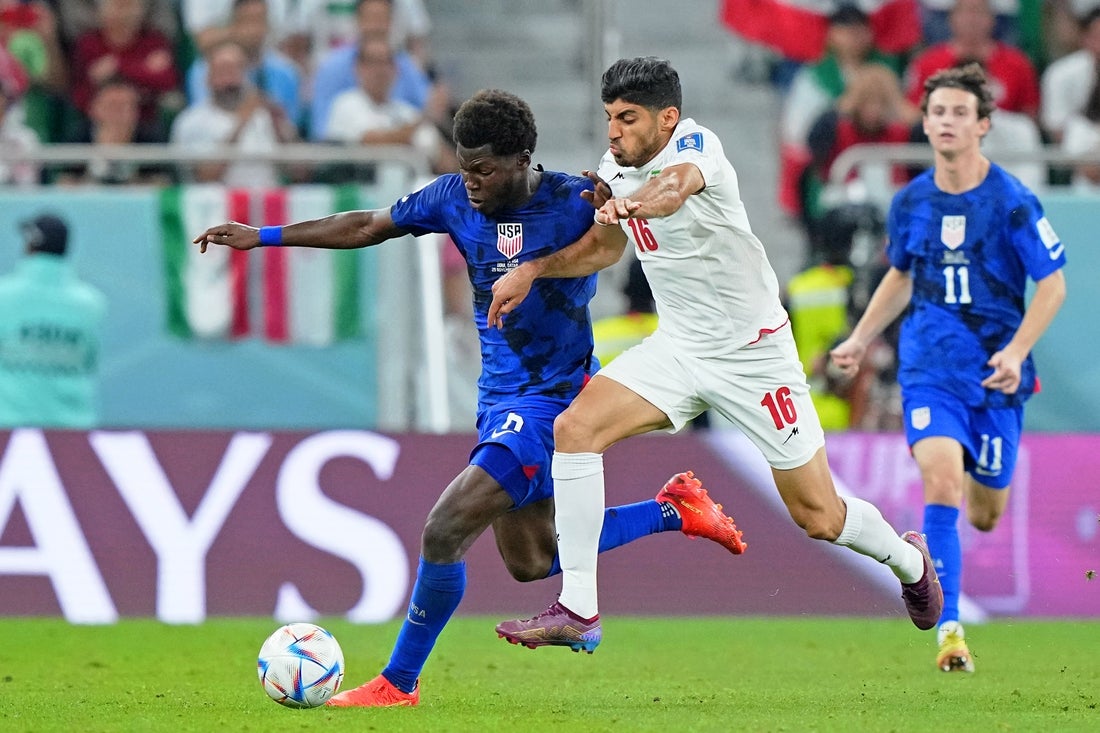
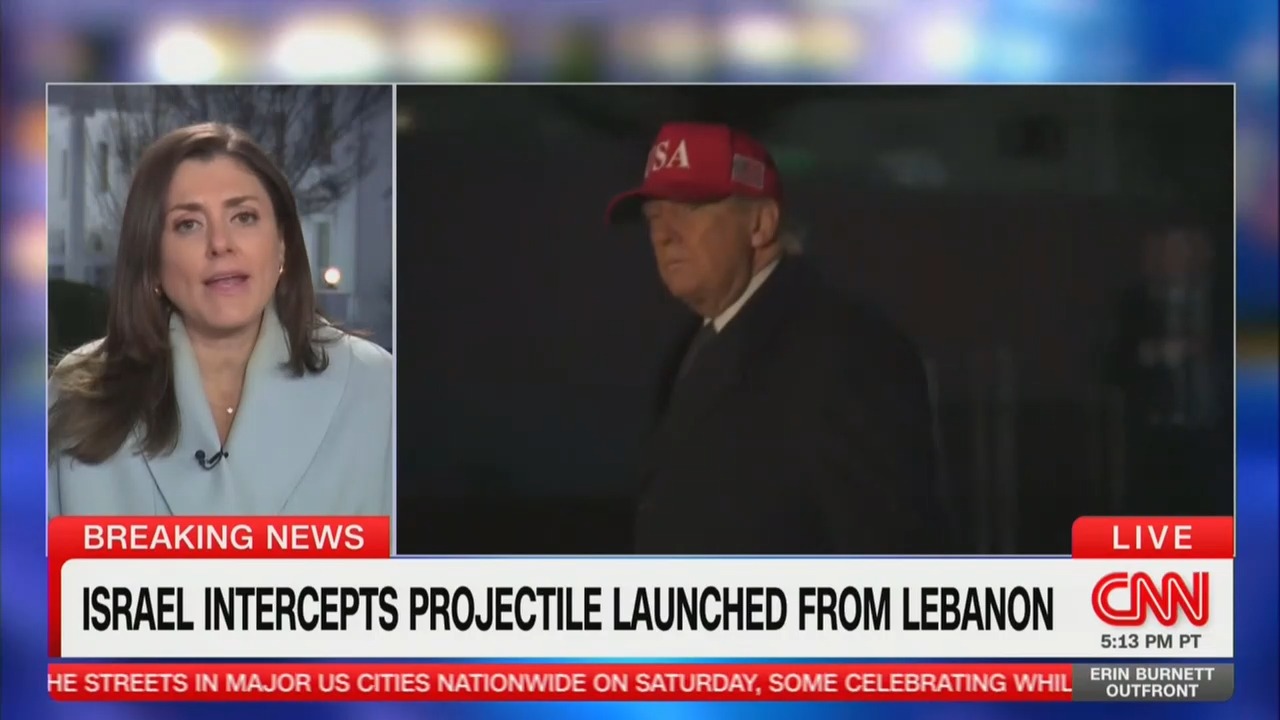
FIFA is closely monitoring events unfolding in Iran, with the global football governing body acknowledging the delicate geopolitical landscape as the 2026 FIFA World Cup, set to be co-hosted by the United States, Canada, and Mexico, approaches. The organization’s Secretary General, Mattias Grafstrom, confirmed that FIFA is aware of the situation and is maintaining a watchful stance, though he emphasized the preliminary nature of any detailed commentary. This statement comes in the wake of heightened international scrutiny on Iran due to various political developments.
Geopolitical Climate and World Cup Preparations
The 2026 World Cup, the first to feature an expanded 48-team format, is scheduled to commence in June of that year. The tournament’s continental spread across North America necessitates a robust and stable international environment, particularly for participating nations. Iran, having successfully qualified for the prestigious event through its performance in the Asian Football Confederation (AFC), is slated to compete in Group G. Their projected opponents include Belgium, New Zealand, and Egypt, with several of their group stage matches anticipated to take place in Los Angeles and Seattle, two major cities within the United States.
The World Cup draw, which determined the initial groupings and match locations, was held in Washington, D.C., in December of the preceding year. Representatives from Iran were present at this significant event, underscoring the country’s established participation in the tournament’s preparatory stages. FIFA’s commitment to ensuring the safety and security of all participating nations, including Iran, has been reiterated by Grafstrom, who stated, "We will continue to communicate as we always do with three (host) governments as we always do in any case. Everybody will be safe." This assurance aims to preempt concerns regarding potential disruptions to the tournament.
FIFA’s Stance and Communication Channels
Speaking at the International Football Association Board’s (IFAB) annual general meeting in Cardiff, Wales, Grafstrom conveyed FIFA’s awareness of the evolving situation in Iran. "I read the news (about Iran) this morning the same way you did," he remarked, indicating that FIFA’s information channels are aligned with public reporting. He further elaborated on the organization’s proactive approach: "We had a meeting today and it is premature to comment in detail, but we will monitor developments around all issues around the world." This measured response reflects FIFA’s established protocol for addressing complex international matters that could potentially impact its flagship tournament.
The organization’s commitment to open communication with host governments – the United States, Canada, and Mexico – is a cornerstone of its operational strategy for major events. This dialogue is crucial for coordinating security measures, logistical arrangements, and addressing any unforeseen challenges that may arise. The inclusion of Iran in the World Cup draw signifies their recognized status as a qualified participant, and FIFA’s stated intention is to facilitate their participation without impediment, provided all relevant security and logistical protocols are met.
Historical Context and Past World Cup Experiences
Iran has a notable history in the FIFA World Cup, having participated in multiple editions of the tournament. Their presence often brings a unique cultural and sporting dynamic to the global stage. However, their participation has not been without its complexities, occasionally intersecting with broader political narratives. In past tournaments, the team has faced scrutiny and attention beyond their on-field performances, a phenomenon not uncommon for nations experiencing significant international political attention.
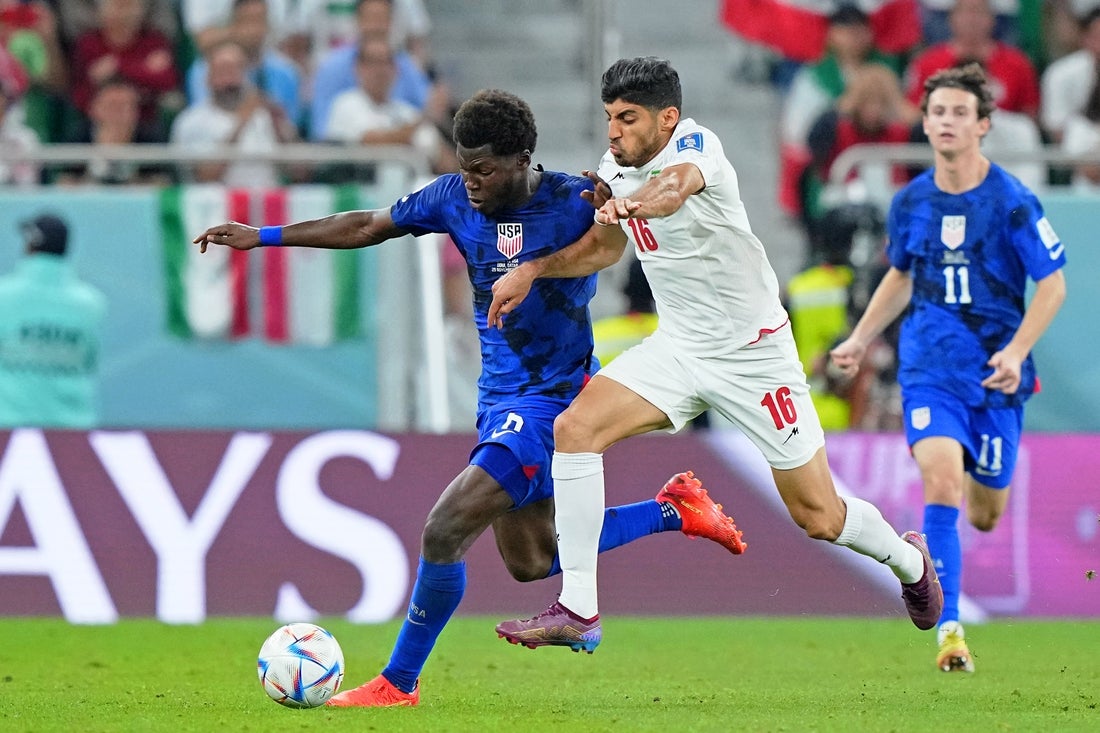
For instance, during the 2022 FIFA World Cup in Qatar, the Iranian team found themselves in the spotlight for various reasons, including the socio-political climate within their home country. The team’s decision to remain silent during the national anthem prior to their opening match against England became a widely discussed event, interpreted by many as a form of protest. This instance highlights how geopolitical factors can become intertwined with the sporting spectacle of the World Cup, influencing public perception and media coverage.
Implications for the 2026 World Cup
The current geopolitical climate surrounding Iran inevitably raises questions about the broader implications for the 2026 World Cup. While FIFA’s primary focus remains on the seamless execution of the tournament, the organization cannot entirely divorce itself from the realities of international relations. The co-hosting arrangement, with the United States as one of the primary hosts, adds another layer of consideration, given the historical diplomatic relations between the two countries.
The presence of a nation like Iran in a tournament hosted, in part, by the United States necessitates careful planning and coordination. This includes ensuring the safety of Iranian athletes, officials, and fans, as well as managing any potential diplomatic sensitivities that may arise during their stay and matches. FIFA’s established procedures for security and player welfare are designed to be comprehensive, but the specific geopolitical context can influence the level of diligence required.
Supporting Data and Previous World Cup Participation
- Number of World Cup Appearances: Iran has qualified for the FIFA World Cup six times: 1978, 1998, 2006, 2014, 2018, and 2022.
- Best Performance: Their best performance in the tournament was reaching the group stage, a feat achieved in each of their appearances.
- FIFA Ranking: Iran consistently ranks among the top teams in Asia, often occupying a position within the top 30 globally. As of the last update, their ranking fluctuates, but they are typically a strong contender in the AFC. (Note: Specific current ranking would require real-time data retrieval).
- Fan Base: Iran boasts a passionate and dedicated football fan base, which travels to support their national team at international tournaments.
The expansion of the World Cup to 48 teams in 2026 is a significant development that aims to increase global representation and inclusivity. With an additional 16 teams joining the competition, the logistical and security planning becomes even more complex. FIFA’s proactive approach in monitoring geopolitical situations, even those seemingly distant from the immediate tournament preparations, underscores the interconnectedness of global events and their potential impact on major sporting spectacles.
Broader Context of FIFA’s Responsibilities
FIFA, as the international governing body for football, holds a mandate that extends beyond the technical aspects of the sport. It is responsible for promoting the game globally, ensuring fair play, and upholding the integrity of its competitions. This responsibility inherently involves navigating the complexities of international politics and addressing situations that could compromise the safety, security, or equitable participation of its member associations.
The organization’s engagement with host governments is a critical component of this responsibility. The tri-nation hosting of the 2026 World Cup is unprecedented in its scale and geographical spread, requiring an even more sophisticated level of intergovernmental cooperation. FIFA’s commitment to ensuring that "everybody will be safe" is not merely a platitude but a fundamental operational imperative that guides their preparatory and ongoing management of the tournament.
Conclusion
As the 2026 FIFA World Cup continues its journey from planning to realization, FIFA’s vigilant observation of events in Iran reflects the intricate interplay between global sports and international affairs. While the organization maintains a measured and professional stance, its awareness of geopolitical developments underscores the comprehensive nature of its responsibilities. The focus remains on delivering a successful and secure tournament, ensuring that the beautiful game can be enjoyed by all, irrespective of the political landscapes from which its participants emerge. The coming months will likely see continued engagement between FIFA and its stakeholders to address any potential challenges and ensure the smooth progression towards the 2026 FIFA World Cup.


 Jia Lissa
 Ana Megawati
 Pevita Pearce
 Joko Widodo
 admin
admin