
 Jia Lissa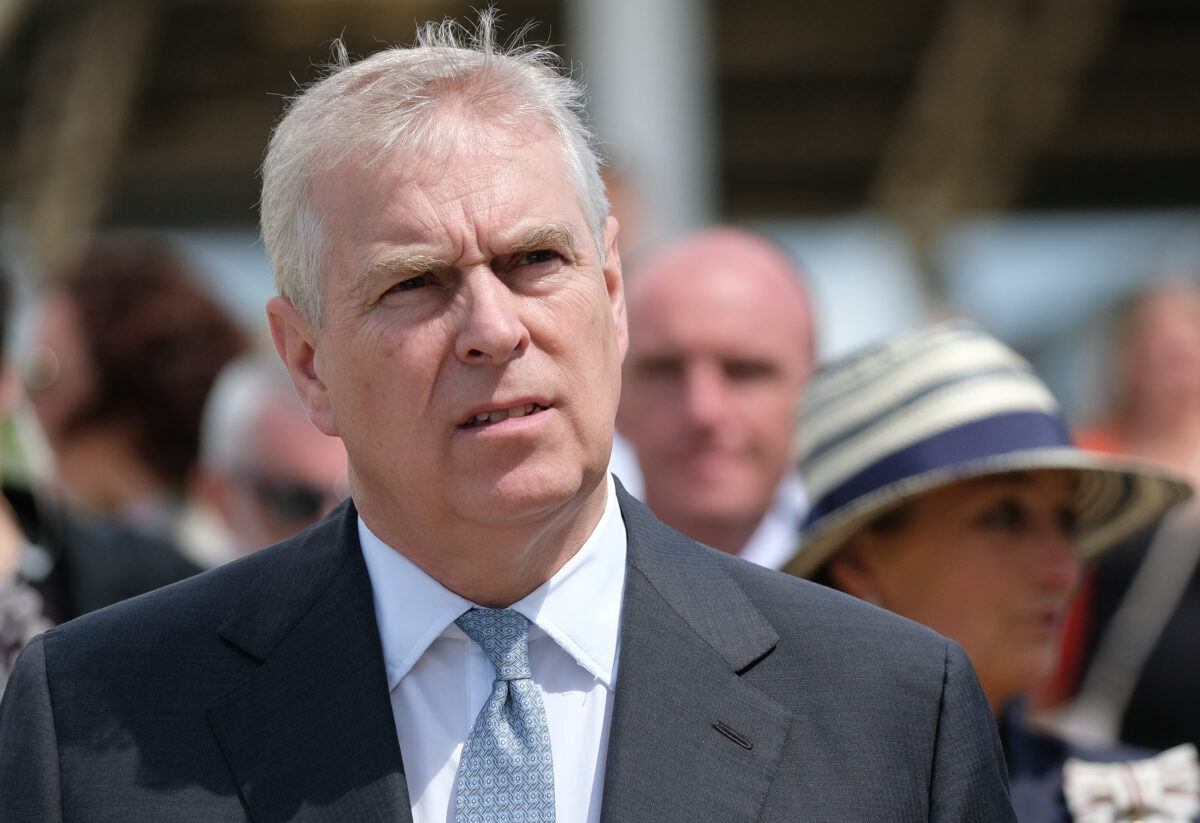
In a development that has sent shockwaves through the international community and the British establishment, Fox News has broadcast the first visual evidence of Andrew Mountbatten-Windsor leaving police custody on Thursday afternoon. The footage, which captures the former Duke of York in the backseat of a vehicle following his arrest earlier that day, marks a historic low for the brother of the reigning monarch and a significant escalation in the long-running investigation into the associates of deceased sex trafficker Jeffrey Epstein.
The arrest occurred on the morning of February 19, 2026, at the royal estate in Sandringham. According to law enforcement sources, the operation was conducted with a high degree of discretion but represented the culmination of years of mounting pressure from both the United Kingdom’s Metropolitan Police and the United States Department of Justice. The image aired by Fox News showed Mountbatten-Windsor appearing visibly unsettled as he was driven away from a police station, flanked by security or legal personnel. Correspondent Eric Shawn, reporting for the network, noted that the ex-prince appeared "shocked" and "alarmed" by the day’s events, a sentiment echoed by news anchor Gillian Turner during the live broadcast.
The Nature of the Allegations
The catalyst for Thursday’s arrest appears to be a series of document disclosures from the U.S. Justice Department. These files, part of a broader "document dump" related to the Jeffrey Epstein investigation, have shed new light on the depth of the relationship between Mountbatten-Windsor and the disgraced financier. While previous scrutiny focused primarily on the former prince’s personal conduct and his presence at Epstein’s various properties, the current probe delves into potential breaches of official protocol and the sharing of sensitive information.
According to the unsealed documents, Mountbatten-Windsor is alleged to have shared sensitive reports regarding United Kingdom trade interests with Epstein. At the time these communications reportedly occurred, Mountbatten-Windsor was serving as the UK’s Special Representative for International Trade and Investment. This role, which he held from 2001 until 2011, gave him access to high-level briefings, economic strategies, and confidential data intended to bolster British commerce abroad. The allegation that this information was funneled to Epstein—a man with no official standing in the British government—raises serious questions regarding national security and the abuse of a diplomatic office.
A Timeline of Escalating Scrutiny
The arrest of Andrew Mountbatten-Windsor is the climax of a decade of controversy that has seen his public standing vanish and his royal duties stripped away. To understand the gravity of the current legal situation, one must look at the chronology of his association with Jeffrey Epstein and the subsequent fallout.
2001–2011: Andrew serves as the UK’s Special Representative for International Trade and Investment. During this period, he is frequently seen in the company of Jeffrey Epstein and Ghislaine Maxwell, including high-profile visits to Epstein’s Manhattan townhouse and his private island in the U.S. Virgin Islands.
2011: Following a photograph of Andrew walking with Epstein in Central Park—taken shortly after Epstein’s initial release from a Florida prison for soliciting a minor—public outcry forces Andrew to resign from his trade envoy role.
2019: In a bid to clear his name, Andrew participates in a high-profile BBC Newsnight interview. The interview is widely regarded as a disaster, as he fails to express sympathy for Epstein’s victims and offers implausible explanations for his whereabouts. Shortly thereafter, he withdraws from public duties.
2022: Queen Elizabeth II strips Andrew of his military affiliations and royal patronages. He also ceases to use the style "His Royal Highness" in an official capacity. This followed a civil lawsuit filed by Virginia Giuffre, which was eventually settled out of court for an undisclosed sum, though Andrew maintained his innocence.
2024–2025: Successive waves of document releases from the Southern District of New York provide more granular detail about the "Epstein circle." These documents reportedly include flight logs, email correspondence, and internal memos that link Andrew to Epstein’s financial and social networks more tightly than previously acknowledged.
February 19, 2026: Mountbatten-Windsor is taken into custody at Sandringham, leading to the footage obtained by Fox News.

The Royal Response and Constitutional Implications
The arrest of a member of the Royal Family—even one who has been effectively "retired" from public life—presents a profound challenge to the British Monarchy. King Charles III, who has spent much of his reign attempting to "slim down" the institution and focus on public service, moved quickly to address the situation.
In a formal statement released via Buckingham Palace, the King took a firm stance, declaring that "the law must take its course." The statement emphasized that the police and judicial authorities would have the King’s "full support and cooperation" throughout the investigation. This rhetoric marks a significant departure from the traditional "never complain, never explain" mantra of the previous era, signaling that the current Crown prioritizes the integrity of the rule of law over the protection of individual family members.
Legal experts suggest that the King’s statement is a strategic necessity. By distancing the institution of the Monarchy from the individual actions of his brother, Charles III is attempting to prevent the "Epstein scandal" from becoming a constitutional crisis. However, the optics of a former prince being processed through the criminal justice system remain a source of significant embarrassment for the United Kingdom on the world stage.
Supporting Data and Investigative Focus
The investigation is reportedly multifaceted, involving cooperation between the Metropolitan Police’s Specialist Crime Command and the FBI. Data points central to the probe include:
- Communication Records: Investigators are analyzing encrypted communications and physical documents recovered from Epstein’s residences that allegedly contain UK trade data.
- Financial Disclosures: Authorities are looking into whether any financial quid pro quo existed between Epstein and Mountbatten-Windsor, specifically focusing on the 2007 sale of Andrew’s Sunninghill Park estate to a Kazakh businessman, a deal that was reportedly brokered with Epstein’s involvement.
- The Role of the Home Office: There are ongoing inquiries into how much the UK Home Office knew about Andrew’s travels and meetings during his time as trade envoy.
The involvement of Fox News in obtaining the first visual of the aftermath of the arrest highlights the intense global media interest. The network’s reporting, led by Eric Shawn, suggests that the "alarmed" look on the former prince’s face may reflect the realization that his previous legal protections—whether through royal status or high-level settlements—are no longer sufficient to shield him from criminal proceedings.
Broader Impact and Global Implications
The arrest of Andrew Mountbatten-Windsor has implications that extend far beyond the British Isles. For survivors of Jeffrey Epstein’s abuse, the sight of one of his most prominent associates in police custody represents a long-overdue moment of accountability. Legal advocates for the victims have noted that the "Epstein probe" was never just about one man, but about the systemic failures and the network of powerful individuals who enabled his crimes.
Furthermore, the focus on "sensitive trade reports" introduces a national security element to the case. If a high-ranking representative of a G7 nation was indeed sharing confidential economic intelligence with a private citizen who was a known sex offender, it suggests a catastrophic failure of vetting and oversight. This aspect of the investigation could lead to a broader inquiry into how the UK manages its diplomatic and trade appointments.
In the United States, the Department of Justice’s persistence in this case demonstrates a commitment to following the Epstein trail wherever it leads, regardless of the social or political status of the targets. The cooperation between the US and UK in this matter is a testament to the "Special Relationship," though it puts that relationship under immense strain as it navigates the complexities of royal immunity and extradition laws.
The Path Forward
As of Thursday evening, Andrew Mountbatten-Windsor has been released from initial custody, but he remains under investigation. Legal analysts predict a lengthy process involving depositions, further document reviews, and potential court appearances. The central question remains whether the Crown Prosecution Service (CPS) in the UK or the DOJ in the US will move forward with formal charges of obstruction of justice, breach of the Official Secrets Act, or other related offenses.
The image of Mountbatten-Windsor in the backseat of a car, looking "shocked" as he left the police station, serves as a defining visual of this new chapter. For a man who once traveled the world as a representative of the British Empire, the transition to a subject of a criminal probe is a stark fall from grace.
As the investigation continues, the world will be watching to see if the British legal system can truly hold one of its own to the same standards as any other citizen. For King Charles III, the priority will remain the preservation of the Monarchy’s reputation, even if it means watching his brother face the full weight of the law. The coming weeks are likely to bring more disclosures, more footage, and a continued reckoning for the legacy of the Epstein era.

 Nila Kartika Wati
 Ana Megawati
 Pevita Pearce
 Joko Widodo
 admin
admin