
 Joko Widodo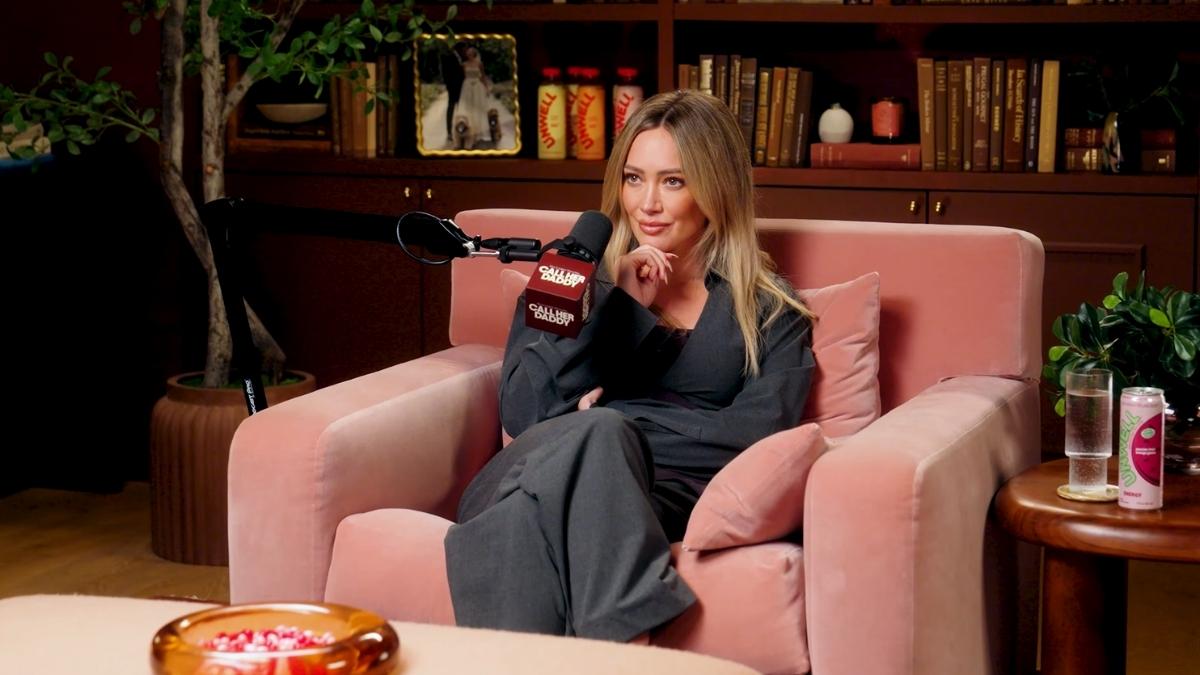
In a candid and emotionally resonant appearance on Alex Cooper’s popular podcast, “Call Her Daddy,” acclaimed singer and actor Hilary Duff has shed light on the often-unseen difficulties associated with breastfeeding. Her willingness to share her personal experience, particularly the profound emotional impact of not meeting her own expectations during this critical postpartum period, offers a much-needed voice of solidarity for countless mothers who have navigated similar challenges. While Duff did not present a universal remedy, her raw honesty serves as a powerful testament to the fact that the breastfeeding journey can be fraught with unexpected hurdles, and acknowledging these struggles is a vital step toward maternal well-being.
The interview, which took place in early 2024, saw Duff revisiting the intense emotions she experienced during the initial months after welcoming her youngest child, daughter Townes. The actress revealed that the memory of these early breastfeeding challenges still evokes strong feelings, stating, "I still could cry thinking about" the experience. This immediate emotional reaction underscores the deep personal investment and vulnerability that many mothers feel during the postpartum period, a time often romanticized yet frequently characterized by unforeseen physical and emotional demands.
Duff’s narrative highlights a pervasive societal pressure on new mothers to embody an image of effortless maternal perfection. She articulated the feeling of needing to be “everything” for her baby following pregnancy and birth, a sentiment that can be amplified by the curated portrayals of motherhood often seen online. “You watch, you know, Reels of like people just nursing their baby in public and it being so natural and like it just wasn’t like that for me,” Duff confessed, directly addressing the disconnect between idealized online depictions and her own lived reality. This observation resonates with a growing body of research and anecdotal evidence suggesting that the prevalence of seemingly flawless breastfeeding representations on social media can exacerbate feelings of inadequacy and isolation among mothers who are struggling. A 2022 study published in the Journal of Reproductive and Infant Psychology indicated that exposure to idealized breastfeeding imagery on platforms like Instagram was correlated with increased maternal anxiety and lower self-efficacy in breastfeeding mothers.
The actor’s candidness is particularly poignant given that this was not her first experience with breastfeeding. As a mother of four, Duff brought a wealth of prior knowledge and experience to her latest journey. However, she admitted that the difficulties with her youngest daughter, Townes, were particularly acute. "She wasn’t gaining weight, and I’m trying to like nurse her literally round the clock," she described, painting a vivid picture of the relentless effort involved. The pressure to supplement, a common recommendation when infants are not gaining weight adequately, was present. Yet, Duff confessed to a significant personal hurdle: "I was so stubborn about it. I just wanted it to work out, and it didn’t." This stubbornness, she explained, stemmed from a deep-seated desire for the idealized breastfeeding experience to materialize, a desire that ultimately clashed with the reality of her infant’s needs and her own physical capacity.
The psychological impact of this struggle was profound. Duff shared her internal turmoil, admitting, "And like then you’re 2 weeks out of like not nursing and you’re like, ‘Yes, this is the best freedom ever.’ But in that moment, you’re like, ‘How will I ever cope with this? How will I – why can’t I be good at this?’" This powerful dichotomy illustrates the immediate relief and newfound freedom that can accompany the decision to supplement or stop breastfeeding, juxtaposed with the lingering feelings of guilt, self-doubt, and perceived failure that can plague mothers during the process. This internal conflict is a common theme in discussions about infant feeding, where the perceived "naturalness" of breastfeeding is often contrasted with the practicalities and emotional complexities of the experience.
Duff’s interview comes at a time when conversations surrounding maternal mental health and the realities of postpartum life are gaining increasing visibility. For decades, breastfeeding has been promoted as the optimal form of infant nutrition, often accompanied by messaging that frames it as a straightforward and universally achievable goal. While the health benefits of breastfeeding are well-documented by organizations like the World Health Organization (WHO), which recommends exclusive breastfeeding for the first six months of an infant’s life and continued breastfeeding alongside complementary foods up to two years and beyond, the emphasis on the "how" and the potential for struggle has sometimes been overshadowed.
The WHO highlights numerous benefits, including reduced risk of infections, chronic diseases such as obesity and diabetes, and improved cognitive development for infants, as well as reduced risk of certain cancers and postpartum hemorrhage for mothers. However, these benefits are often presented without adequate acknowledgement of the significant challenges many mothers face, including latch issues, low milk supply, engorgement, mastitis, and the sheer physical and emotional toll of round-the-clock feeding.
Duff’s experience with her youngest child, Townes, born in October 2022, underscores the variability of breastfeeding journeys even within the same individual’s maternal history. Her previous breastfeeding experiences with her older children – Luca, Banks, and Mae – may have set an expectation of what to anticipate, making the difficulties with Townes all the more disheartening. The pressure to continue breastfeeding despite inadequate weight gain and the emotional distress it caused is a scenario that many mothers can relate to. The American Academy of Pediatrics (AAP) acknowledges that while breastfeeding is encouraged, it is not always successful for all mothers and infants, and that maternal health and well-being are paramount.
The broader implication of Duff’s candidness extends to fostering a more supportive and realistic environment for new mothers. By openly discussing her “stubbornness” and the eventual realization that it “didn’t work out,” she implicitly validates the decisions made by mothers who choose to supplement or formula-feed due to medical, physical, or emotional challenges. This act of sharing can serve as a crucial antidote to the pervasive guilt and shame that many mothers experience when their breastfeeding journey deviates from the idealized narrative. It encourages a shift from a focus on the method of feeding to the outcome of a healthy, well-nourished baby and a well-supported mother.
The interview also touches upon the role of external advice and the internal conflict it can create. While well-intentioned, suggestions from friends, family, or even healthcare professionals can sometimes add to the pressure. Duff’s admission of being “so stubborn” suggests an internal battle against perceived failure, a battle that is often fought in isolation. The relief she later experienced, stating, "Yes, this is the best freedom ever," highlights the immense burden that the pressure to breastfeed exclusively can place on a mother’s mental and emotional state. This freedom is not a dismissal of breastfeeding’s value, but rather an acknowledgment that maternal well-being is a prerequisite for effective parenting.
In the context of celebrity disclosures, Duff’s contribution is particularly significant. Celebrities often have access to extensive resources and support systems that may not be available to the average mother. When a public figure like Hilary Duff speaks openly about struggling, it democratizes the experience and assures other mothers that these difficulties are not unique to those with fewer resources. Her honest reflection, "why can’t I be good at this?" is a question that echoes in the minds of many mothers grappling with similar challenges.
The implications of Duff’s interview extend to the broader discourse around postpartum care and infant feeding. It calls for a more nuanced approach from healthcare providers, educators, and support networks, emphasizing a balanced perspective that acknowledges both the benefits of breastfeeding and the realities of its implementation. This includes providing comprehensive support for mothers who choose to breastfeed, as well as readily available and non-judgmental assistance for those who require or choose alternative feeding methods.
Ultimately, Hilary Duff’s appearance on “Call Her Daddy” serves as a powerful reminder that the postpartum period is a complex and multifaceted experience. Her courage in sharing her struggles with breastfeeding, particularly with her youngest daughter, fosters a culture of empathy and understanding. By moving beyond idealized portrayals and embracing the messy, challenging, and ultimately triumphant nature of motherhood, Duff’s honesty offers a profound sense of relief and validation to countless mothers navigating their own unique journeys, reminding them that they are not alone and that their experiences, whatever they may be, are valid. The passage of time and the gaining of perspective, as she alluded to, are crucial elements in processing these early postpartum difficulties, allowing mothers to ultimately find peace and acceptance in their parenting choices.



 Nila Kartika Wati
 Jia Lissa
 Ana Megawati
 Pevita Pearce
 admin
admin