
 Lina Irawan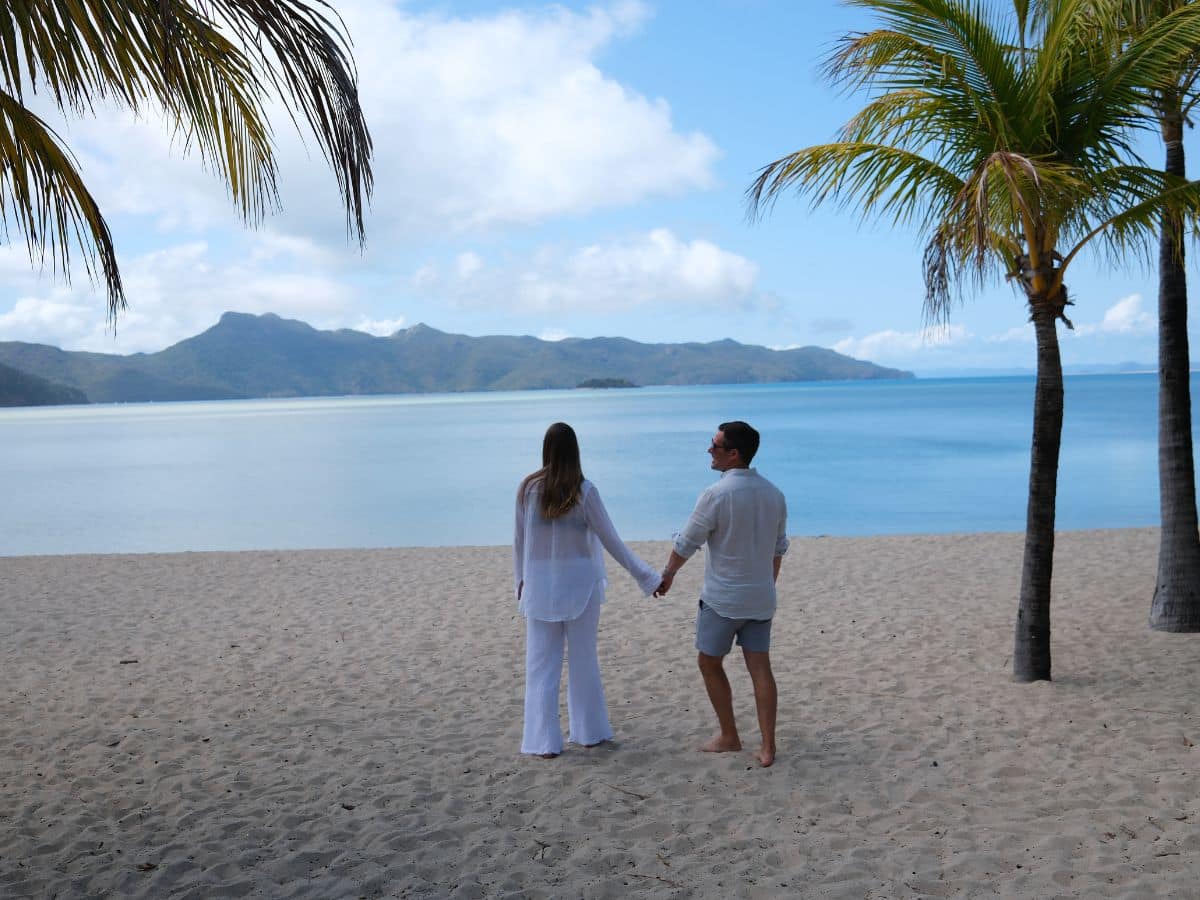
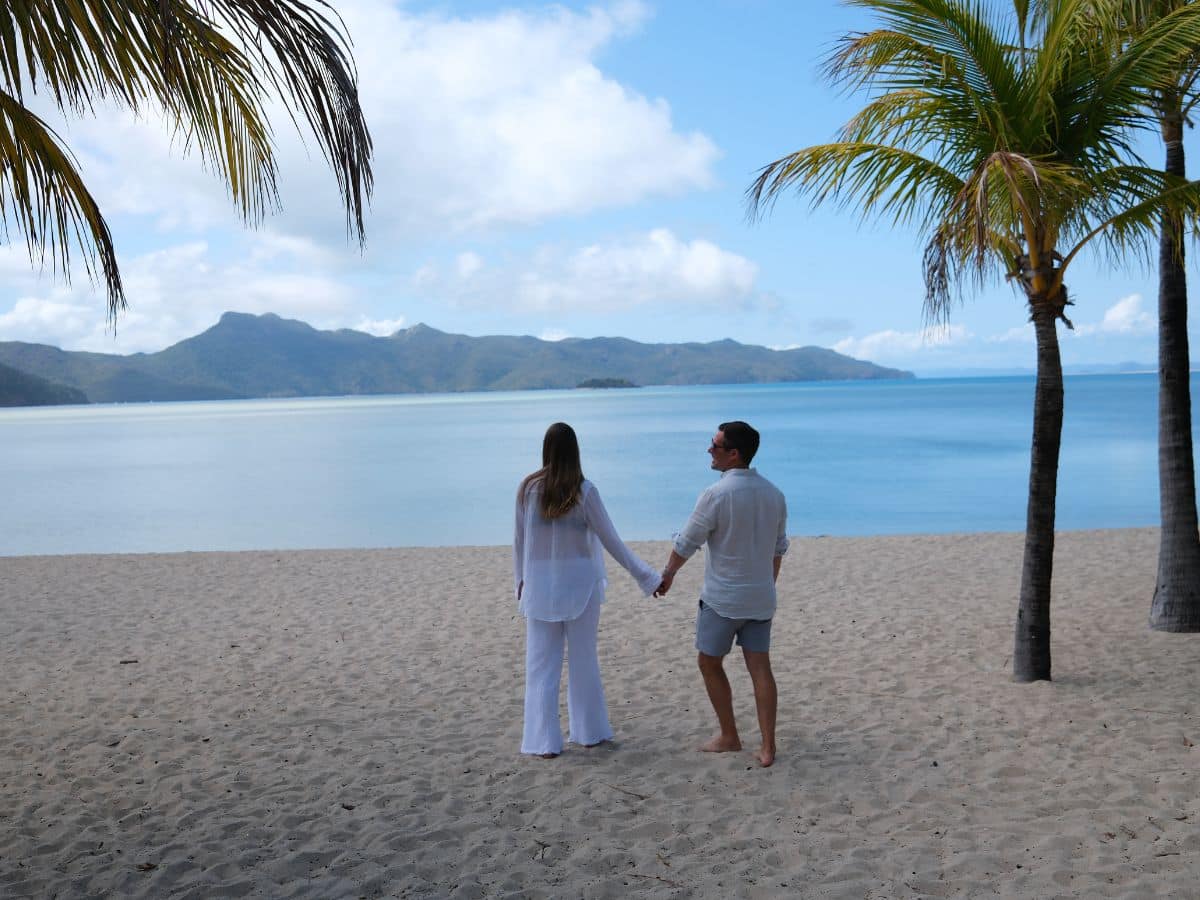
The InterContinental Hayman Island Resort, situated at the northernmost point of the Whitsunday archipelago, continues to redefine the luxury hospitality landscape in Australia by catering to the burgeoning "babymoon" market and high-end experiential travelers. As the tourism industry in Queensland experiences a robust resurgence, Hayman Island stands as a cornerstone of the Great Barrier Reef’s premium sector, offering a blend of secluded privacy, world-class gastronomy, and specialized wellness programs. The resort, which underwent a significant $135 million refurbishment prior to its 2019 relaunch under the InterContinental Hotels Group (IHG) banner, has successfully transitioned from a traditional holiday retreat into a specialized sanctuary for guests seeking restorative experiences, such as expectant parents looking for a final tranquil escape before the arrival of a child.
Historical Context and Regional Significance
Hayman Island has long held a storied position in Australian tourism history. Originally developed as a resort destination by aviation pioneer Reginald Ansett in the 1950s, the island has evolved through various iterations of luxury. Following the devastation caused by Cyclone Debbie in 2017, the property saw an extensive multi-year renovation aimed at modernizing its infrastructure while preserving the iconic architectural elements that have made it a global landmark.
Today, the resort operates within the Whitsunday Islands National Park, a region that contributes billions of dollars annually to the Australian economy. According to data from Tourism and Events Queensland, the Whitsundays attract approximately 800,000 visitors per year, with the luxury segment showing the highest growth in per-capita spending. Hayman Island’s role in this ecosystem is critical, providing a high-yield, low-impact model that balances intensive guest services with the environmental stewardship required by its proximity to the Great Barrier Reef, a UNESCO World Heritage site.
The Guest Journey: Logistics and First Impressions
The logistical framework of a visit to Hayman Island is designed to provide a seamless transition from transit to relaxation. The experience typically commences at the Hamilton Island Airport, the primary gateway for domestic and international travelers to the region. Upon arrival, guests are met by a dedicated concierge team and transitioned to the Hayman Island lounge.
The primary mode of transport to the private island is a luxury boat transfer across the Whitsunday Passage. This one-hour journey serves as a curated introduction to the Coral Sea, featuring premium amenities including champagne service for most guests and specialized refreshments for those on wellness-focused itineraries. This "check-in at sea" process is a strategic operational choice by IHG to reduce administrative friction upon arrival at the resort’s marina.

Upon docking, guests are transported via electric golf carts through the resort’s 400 hectares of lush tropical gardens. The landscape architecture emphasizes a "sanctuary" aesthetic, utilizing sandstone pathways, intricate water features, and native flora to create a sense of isolation from the outside world.
Architectural Sophistication and Suite Amenities
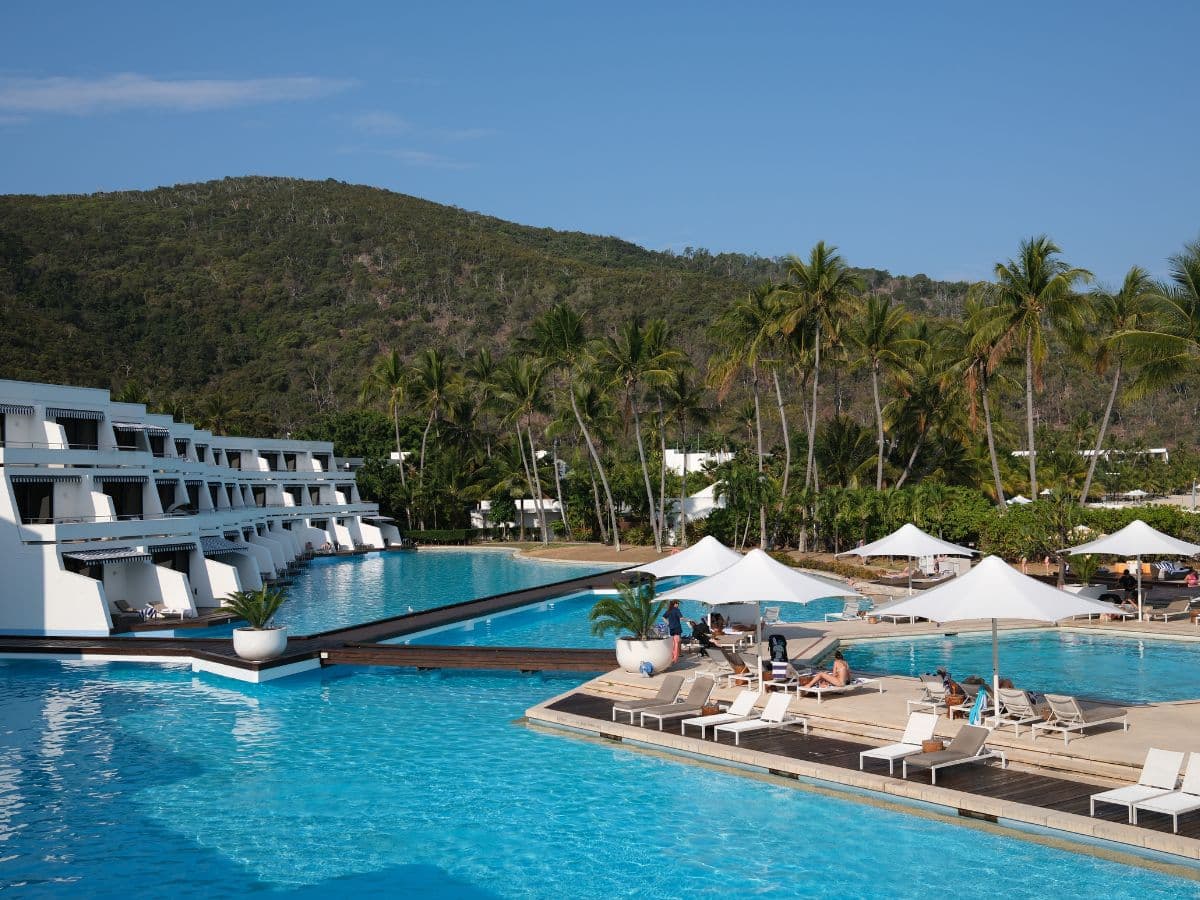
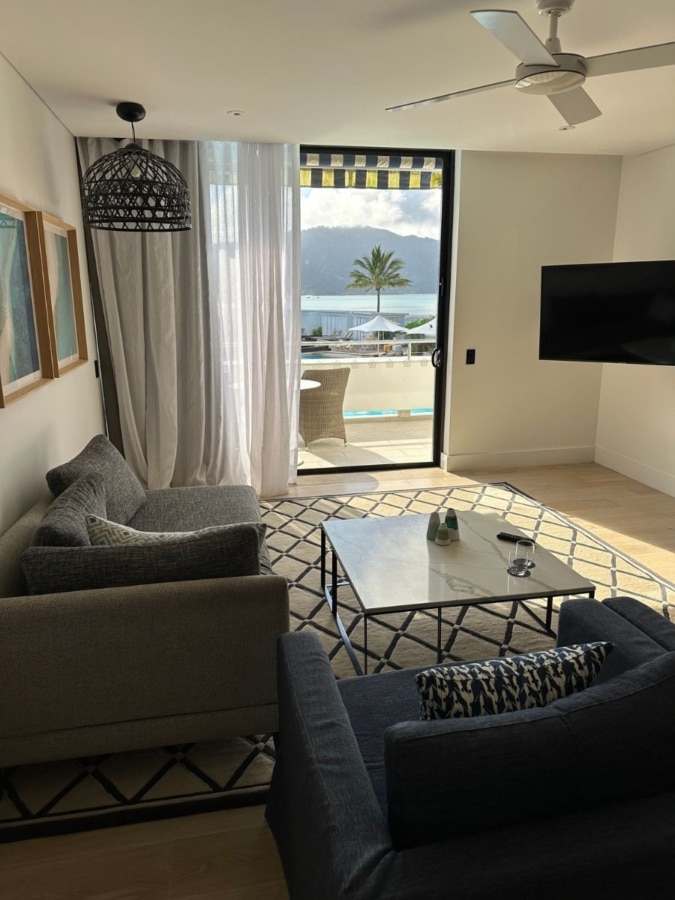
The resort’s accommodations are structured to maximize views of the Coral Sea and the iconic Hayman Pool, which remains one of the largest swimming pools in the Southern Hemisphere. The One Bedroom Ocean View Pool Suites represent the pinnacle of the resort’s contemporary design philosophy. These units are characterized by a minimalist, open-plan layout featuring a four-poster king bed, a spacious living area, and a sophisticated bathroom suite equipped with double vanities and separate soaking tubs.
The aesthetic palette relies heavily on soft white hues and natural textures, intended to complement rather than compete with the vibrant blues and greens of the surrounding environment. Private balconies serve as extended living spaces, offering guests a vantage point over the Whitsundays. The integration of smart-room technology allows for climate and lighting control that aligns with the resort’s sustainability goals, reducing energy consumption when rooms are unoccupied.
Gastronomic Operations and Destination Dining
The culinary program at InterContinental Hayman Island is a multi-venue operation designed to cater to diverse dietary requirements and preferences, ranging from casual poolside fare to high-concept fine dining.
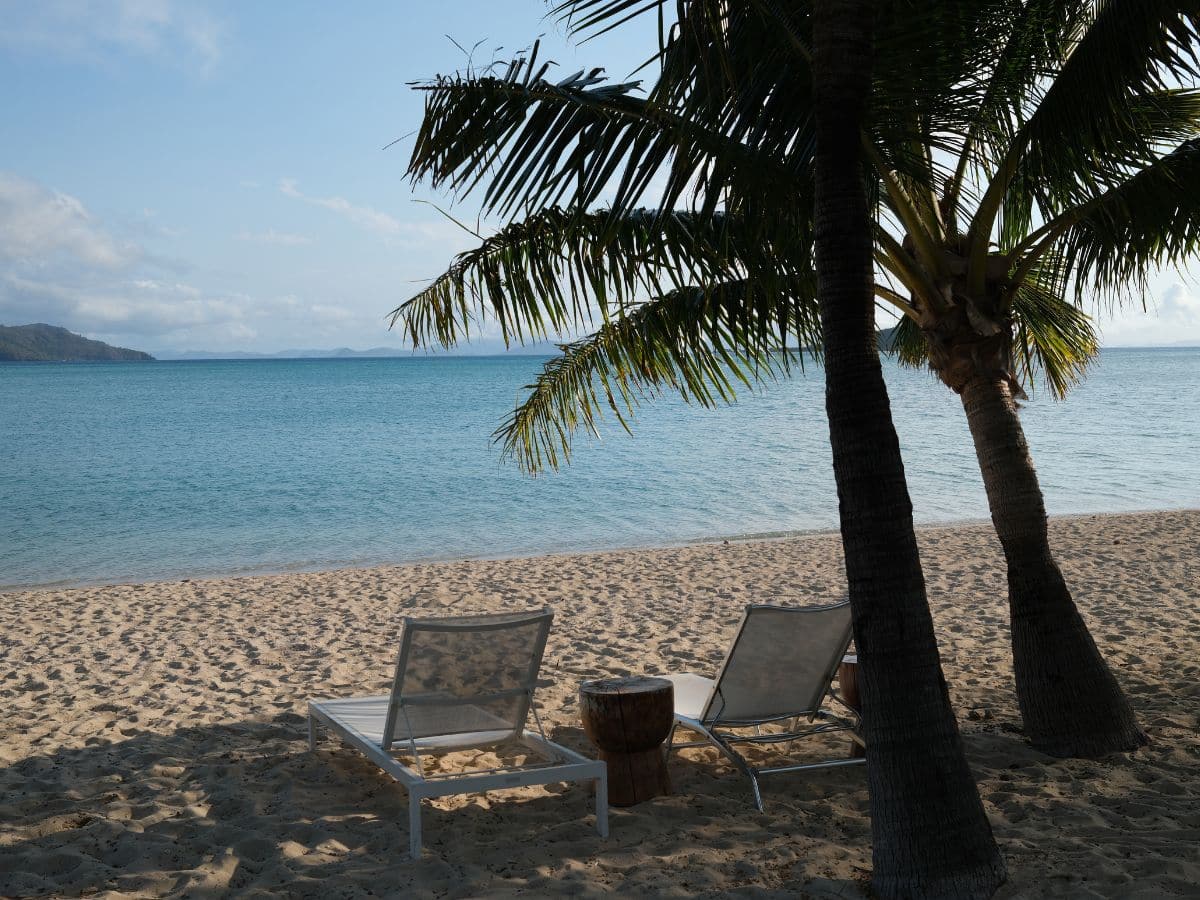
- Pacific: Functioning as the resort’s signature restaurant, Pacific focuses on premium Australian produce. The venue offers a "Destination Dining" experience, where tables are set on the beachfront under the stars, accompanied by fire pits and personalized service. Menu highlights include poached Western rock lobster tail with parsnip mousse and Queensland-sourced eye fillet.
- Bam Bam: Located adjacent to the Infinity Pool, Bam Bam specializes in Pan-Asian cuisine with a focus on bold flavors. Signature dishes such as soft-shell crab with smoked sriracha mayo and crispy skin duck Panang curry reflect a commitment to high-quality, regional ingredients.
- Amici: This trattoria-style venue provides a more relaxed atmosphere, serving wood-fired pizzas and classic Italian dishes. The beverage program here is noted for its focus on Mediterranean spirits and regional wines.
The resort’s ability to pivot its culinary offerings for expectant mothers—emphasizing sophisticated non-alcoholic mixology and food safety—demonstrates the operational flexibility required to serve the "babymoon" demographic effectively.
Specialized Wellness and the "Babymoon" Phenomenon
The rise of the "babymoon"—a vacation taken by expectant parents before the birth of a child—has become a significant trend in the global luxury travel sector. Industry analysts suggest that this segment prioritizes comfort, safety, and specialized wellness treatments.
The Hayman Island Spa has responded to this demand with curated packages such as "Babymoon Bliss." This treatment involves a full-body massage using nutrient-rich oils specifically formulated for pregnancy, alongside a "belly facial" designed to soothe and hydrate the skin of the abdomen. These niche offerings are supported by a staff of trained therapists who specialize in prenatal care, ensuring that the physical limitations of the third trimester are managed with professional precision.
Beyond the spa, the resort’s infrastructure supports low-impact activity. Guests can utilize island trails for morning walks, where sightings of the local rock wallaby population are common. These activities are designed to provide a "slow travel" experience, contrasting with the high-octane adventure tourism often associated with the Great Barrier Reef.
Environmental Integration and Marine Exploration
Despite the emphasis on relaxation, the resort remains a primary hub for exploring the Great Barrier Reef. The Hayman team manages snorkeling and diving expeditions to iconic reef locations, ensuring that even guests with physical considerations—such as those in the later stages of pregnancy—can safely access the marine park.
Operational protocols for reef tours include regular safety checks, specialized buoyancy aids, and expert guides who provide education on the coral ecosystems. Observations of green sea turtles, reef sharks, and diverse coral gardens are standard components of these excursions. By managing these tours in-house, the resort maintains strict control over environmental impact and guest safety, adhering to the Great Barrier Reef Marine Park Authority (GBRMPA) guidelines.
Economic and Industrial Analysis
The success of InterContinental Hayman Island serves as a bellwether for the Australian luxury hotel industry. The property’s ability to command high average daily rates (ADR) while maintaining high occupancy levels underscores the resilience of the premium domestic market. Furthermore, the resort is a major employer in North Queensland, supporting hundreds of staff across hospitality, marine operations, and environmental management.
The "private island" model allows for a controlled environment that is increasingly attractive to high-net-worth individuals who prioritize privacy and health security. As international travel patterns continue to stabilize, Hayman Island is positioned to capture a significant share of the luxury outbound market from Asia and North America, leveraging its unique location and the prestige of the InterContinental brand.

Future Implications and Conclusion
The InterContinental Hayman Island Resort exemplifies the modern evolution of Australian luxury. By successfully targeting niche markets like the "babymoon" sector and integrating high-end wellness with environmental exploration, the resort has moved beyond the traditional "sun and sand" model of the 20th century.
The broader implications for the Whitsunday region are positive, as the resort’s high standards drive competition and infrastructure investment across the archipelago. As travelers increasingly seek destinations that offer a combination of restorative "do nothing" luxury and meaningful engagement with nature, Hayman Island’s strategic focus on personalized, seamless service is likely to remain the industry standard. For the modern traveler, whether they are preparing for the life-changing event of a new child or simply seeking a reprieve from the pace of urban life, the resort offers a masterclass in the art of the curated escape.




 Nila Kartika Wati
 Jia Lissa
 Ana Megawati
 Pevita Pearce
 Joko Widodo
 admin
admin