
 Jia Lissa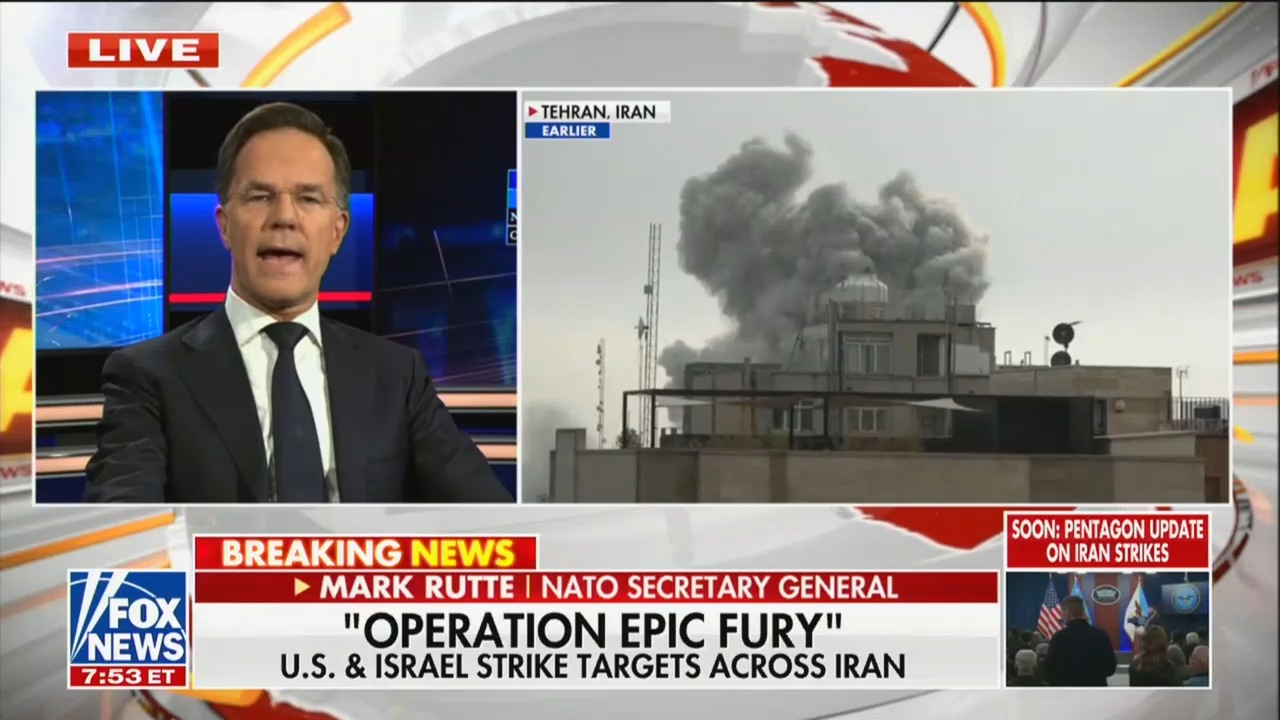
NATO Secretary General Mark Rutte has offered a robust endorsement of President Donald J. Trump’s recent military actions in the Middle East, confirming that European heads of state are largely aligned with the White House following the high-stakes strikes that resulted in the death of Iranian Supreme Leader Ali Khamenei. Speaking during a Monday morning appearance on Fox News, Rutte characterized the joint United States-Israeli operation as a "crucial" intervention necessary for global security. The Secretary General’s comments come at a pivotal moment in international relations, as the Trump administration intensifies its "Operation Epic Fury," a campaign aimed at the total dismantling of Iran’s strategic military infrastructure and its ideological leadership.
Rutte’s appearance on Fox & Friends served as a platform to project a unified Western front, despite earlier reports of diplomatic friction regarding the scale of the offensive. The Secretary General emphasized that the elimination of Khamenei was only one component of a broader strategic success that included the neutralization of Iran’s nuclear development facilities and its sophisticated ballistic missile program. According to Rutte, the consensus among European capitals—traditionally more cautious regarding direct military intervention in Tehran—has shifted significantly in favor of the American position.
A Unified Transatlantic Stance on Decisive Action
During the broadcast, Rutte was explicit in his praise for the American Commander-in-Chief, framing the strikes as an act of leadership that resonated across the Atlantic. He noted that he had spent the preceding weekend in constant communication with key European leaders to gauge the continental response to the escalation. "Let me also say that the commander-in-chief, the leader of the free world, President Donald J. Trump, I really commend what is happening here," Rutte stated. He further clarified that the support was not merely for the tactical success of the strikes but for the comprehensive nature of the objectives, which included the permanent removal of the Iranian nuclear threat.
The Secretary General’s assertion of "widespread support" marks a significant departure from the era of the Joint Comprehensive Plan of Action (JCPOA), when European powers frequently sought to balance security concerns with diplomatic engagement. The current alignment suggests that the perceived threat from Tehran’s proxy networks and its advancing enrichment capabilities reached a threshold where European leaders viewed military intervention as the only viable remaining recourse. Rutte’s rhetoric positioned the strikes not as a unilateral American venture, but as a fulfillment of a shared Western security mandate.
The British Pivot and Legal Frameworks
The narrative of total European unity faced scrutiny during the interview when co-host Lawrence Jones questioned the perceived "trepidation" of certain allies. Specifically, the role of the United Kingdom came under the spotlight. Initially, Prime Minister Keir Starmer’s government had reportedly hesitated to grant the United States access to British sovereign bases for the purpose of launching offensive sorties against Iranian targets. This initial resistance had sparked concerns about a rift in the "Special Relationship" between Washington and London.
However, Rutte explained that the British delay was rooted in procedural and legal requirements rather than a fundamental disagreement with the mission’s goals. He noted that the United Kingdom required the "legal case to be solid" before committing its territory to the operation. Once the Trump administration provided the necessary intelligence and legal justifications, the Starmer government "came around," eventually authorizing the use of British military installations. This shift was formalized on Sunday, when the UK government confirmed it would allow the U.S. to utilize strategic assets for what it termed "defensive and preemptive" strikes against Iranian capabilities.
The resolution of the UK’s concerns is seen by analysts as a major diplomatic victory for the Trump administration. It ensures that Operation Epic Fury has the logistical backing of key European airbases, which are essential for maintaining the high-tempo aerial campaign required to suppress Iranian air defenses and strike hardened underground facilities.
Operation Epic Fury: Objectives and Execution
The strikes, which have been described by the White House as the most significant military action in the region in decades, targeted three primary pillars of the Iranian state. The first was the decapitation of the clerical leadership, achieved through the strike on Ali Khamenei. The second was the physical destruction of the nuclear fuel cycle, targeting sites such as Natanz and Fordow. The third was the systematic elimination of the Islamic Revolutionary Guard Corps’ (IRGC) missile silos and manufacturing plants.
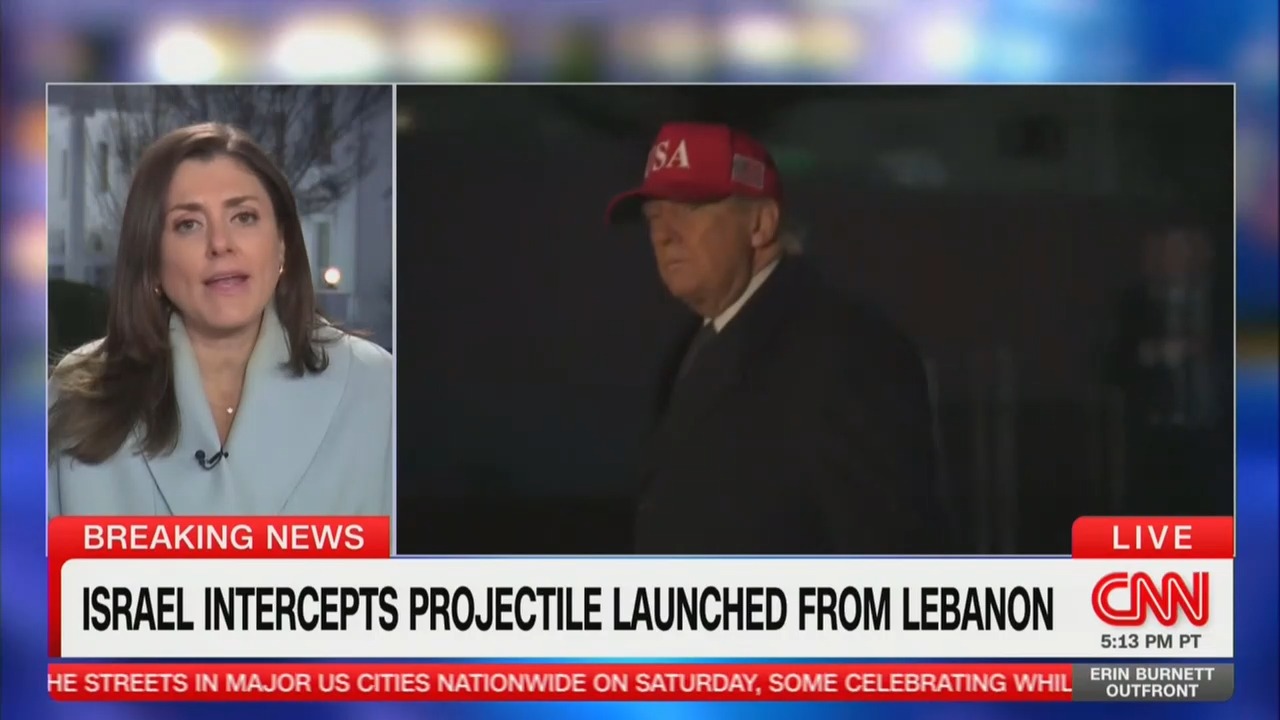
Shortly after Rutte’s televised remarks, President Trump provided further updates on the mission’s progress during a private interview with CNN’s Jake Tapper. The President indicated that the operation was not only successful but was currently "ahead of schedule." Using his characteristic bluntness, Trump told Tapper, "We’re knocking the crap out of them." He further cautioned that the current level of military activity was merely the precursor to a much larger offensive, stating, "We haven’t even started hitting them hard. The big wave hasn’t even happened. The big one is coming soon."
This escalation suggests that the U.S. military is preparing for a "Phase Two" of Operation Epic Fury, which may involve ground operations, the total blockade of Iranian oil exports, or the systematic dismantling of the IRGC’s regional proxy network in Lebanon, Syria, and Yemen.
Background and the Road to Escalation
The transition from diplomatic tension to open conflict follows a two-year period of deteriorating relations between the Trump administration and Tehran. Since returning to office, President Trump has pursued a "Maximum Pressure 2.0" campaign, which sought to bankrupt the Iranian regime through secondary sanctions and a total embargo on energy exports. The collapse of the 2015 nuclear deal and the subsequent acceleration of Iran’s uranium enrichment to near-weapons-grade levels created a flashpoint that the administration argued could no longer be managed through economic means alone.
Intelligence reports throughout 2025 suggested that Iran was months away from deploying a nuclear warhead on an Intercontinental Ballistic Missile (ICBM). This development, coupled with increased Iranian-backed attacks on global shipping in the Red Sea, provided the casus belli for the current campaign. The decision to target Khamenei himself represents a fundamental shift in U.S. policy, moving from containment to regime destabilization.
Transatlantic Diplomacy and the Rutte-Trump Relationship
The rapport between Mark Rutte and Donald Trump has emerged as a cornerstone of the current NATO dynamic. Unlike previous periods of tension between the White House and the alliance, Rutte has positioned himself as a pragmatic partner who understands Trump’s "transactional" approach to international security. This relationship was highlighted earlier this year when Trump announced he had negotiated a "complex" deal with Rutte regarding U.S. interests in Greenland, an unconventional diplomatic move that nonetheless signaled a high degree of trust between the two leaders.
Rutte’s ability to translate Trump’s "America First" policies into a framework that European leaders can support has been credited with preventing the fragmentation of NATO during the current crisis. By framing the Iran strikes as a necessary action to protect European soil from potential Iranian missile threats, Rutte has provided political cover for leaders in Paris, Berlin, and London to align with Washington without appearing to be subservient to American interests.
Regional Implications and Global Markets
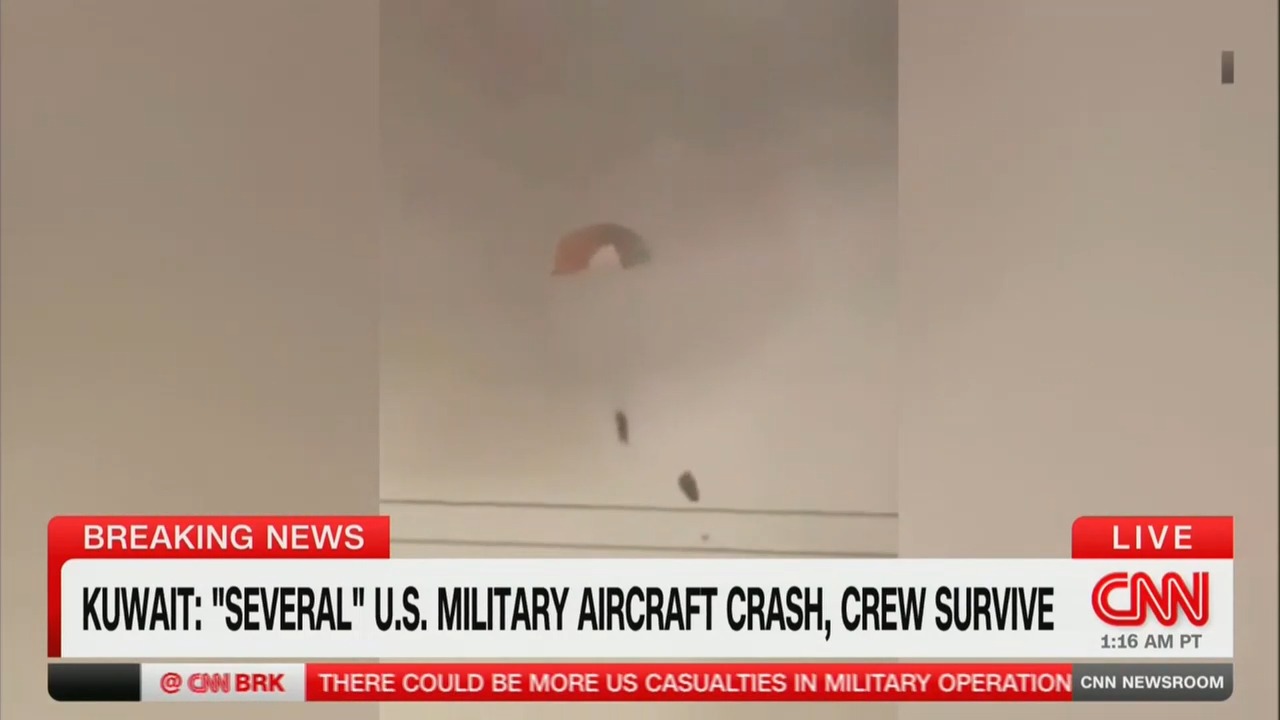
The death of Khamenei has created a power vacuum within the Islamic Republic, the consequences of which are still unfolding. Reports from inside Iran suggest widespread confusion within the IRGC, although some hardline factions have vowed a "crushing response" against U.S. assets in the Persian Gulf. The global community remains on high alert for asymmetric retaliation, including cyberattacks on Western infrastructure or attempts to close the Strait of Hormuz.
Global energy markets have reacted with significant volatility. While oil prices initially spiked following the news of the strikes, they have since stabilized as the U.S. Treasury Department assured markets that strategic reserves would be released to offset any disruption in Middle Eastern supply. Furthermore, the destruction of Iran’s nuclear facilities has removed a long-standing "risk premium" associated with the possibility of a nuclear-armed Tehran, providing some long-term optimism for regional stability.
Conclusion: The "Big One" and the Future of the Conflict
As NATO confirms its support and the U.S. military prepares for the next phase of its campaign, the international community remains focused on what President Trump termed "the big one." Whether this refers to a total regime change or a final, decisive strike on the remaining IRGC infrastructure, the geopolitical map of the Middle East is being fundamentally redrawn.
Mark Rutte’s endorsement serves as a clear signal that the West has abandoned the policy of strategic patience. The coming weeks will determine whether "Operation Epic Fury" results in a more stable regional order or a protracted conflict with unforeseen consequences. For now, the Trump administration appears to have secured the diplomatic and military momentum necessary to continue its pursuit of a total recalibration of Iranian power, with the official blessing of its most important traditional allies.


 Joko Widodo
 admin
admin
 Nila Kartika Wati
 Yuyun Lusiyani
 Ana Megawati