
 Yuyun Lusiyani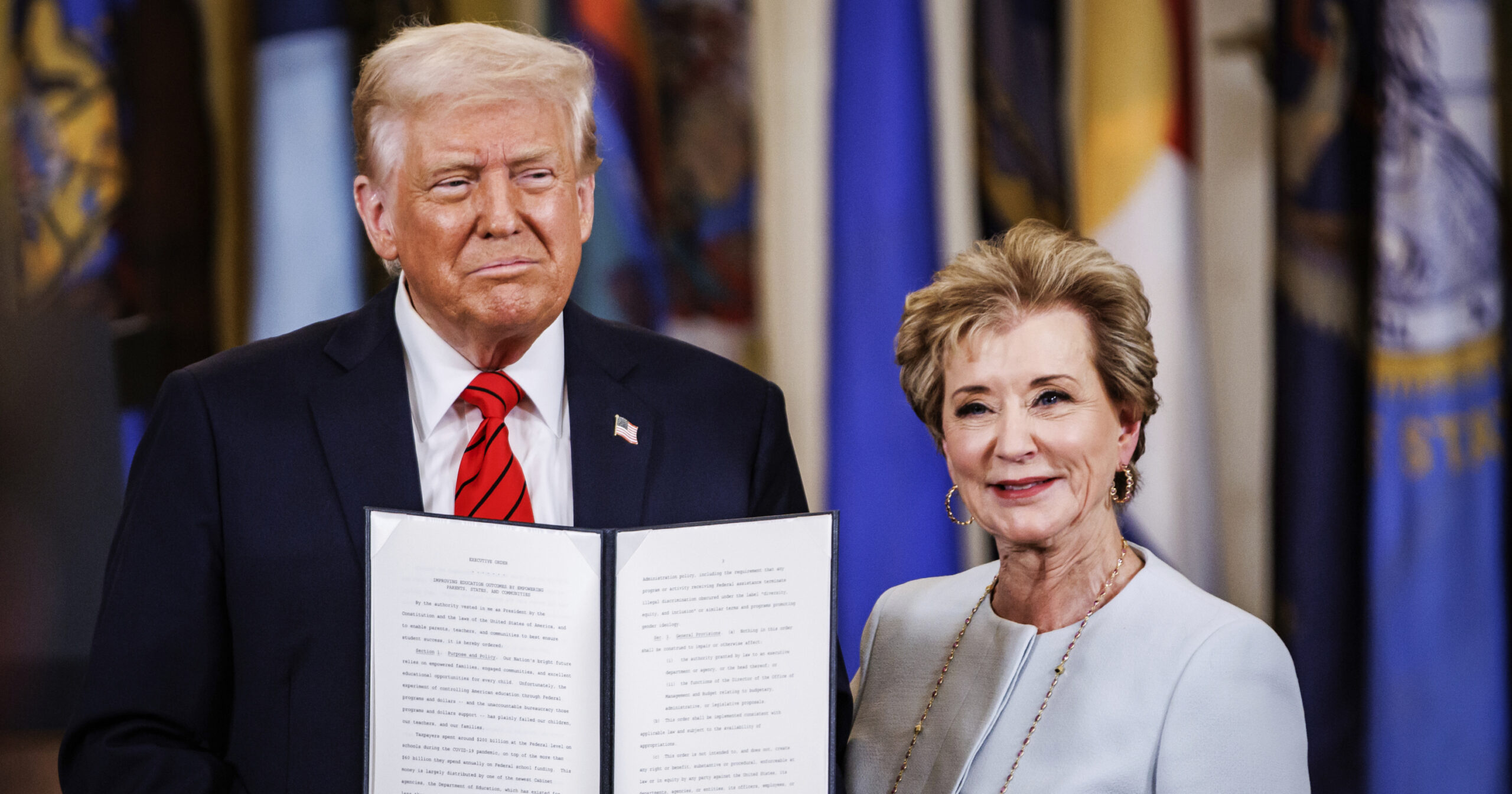
ProPublica, the acclaimed investigative journalism organization, has initiated a federal lawsuit against the U.S. Department of Education in a New York court, alleging the systemic withholding of crucial public records concerning the enforcement of civil rights protections for millions of American students. The lawsuit, filed on a recent Wednesday, contends that the Education Department has stonewalled four Freedom of Information Act (FOIA) requests submitted by ProPublica last year, effectively shrouding the operations of its Office for Civil Rights (OCR) in unprecedented secrecy. This legal challenge underscores a broader concern about government transparency and accountability, particularly regarding an agency tasked with safeguarding fundamental rights in educational settings nationwide.
The Office for Civil Rights: A Legacy Under Scrutiny
The Office for Civil Rights has historically served as a cornerstone of federal oversight in education, established to enforce the Civil Rights Act of 1964 and subsequent legislation. Its mandate is broad, encompassing the investigation of allegations of discrimination based on race, color, national origin, sex (including sexual orientation and gender identity), disability, and age in programs and activities receiving federal financial assistance. For decades, the OCR maintained a public-facing posture, providing online lists of its open investigations and publishing the findings of completed inquiries. This commitment to transparency allowed the public, parents, and advocacy groups to monitor the department’s efforts to ensure equitable access and treatment for all students.
However, the lawsuit and ProPublica’s prior investigative reporting paint a starkly different picture of the OCR’s operations under the leadership of Education Secretary Linda McMahon, appointed by former President Donald Trump. The allegations suggest a deliberate shift away from this historical transparency and a dramatic reorientation of the office’s priorities and capabilities. The core accusation is that the department has not only failed to provide requested documents but has also fostered an environment where the work of its remaining investigators is largely inaccessible to the public.
Allegations of a Paradigm Shift and Decimation
The heart of ProPublica’s complaint lies in the alleged "decimation" of the OCR and a profound shift in its operational focus since the Trump administration took office. According to the lawsuit, the OCR, once one of the federal government’s most robust enforcers of civil rights statutes, has become significantly more opaque. This opacity is reportedly a direct consequence of a substantial reduction in resources and a re-prioritization of case types.
Official employee counts at the OCR reportedly plummeted during the period under scrutiny, with figures indicating a decline from approximately 568 to 403 as of December 2025, illustrating a significant reduction in personnel. Beyond staffing cuts, Secretary McMahon reportedly closed seven of the 12 regional OCR offices across the country. These regional offices were crucial conduits for handling discrimination complaints, serving local communities and ensuring proximity to the issues they were meant to address. The closure of these offices not only reduced the physical presence of the OCR but also further centralized its operations, potentially creating additional barriers for complainants.
The lawsuit further highlights a dramatic reorientation of the OCR’s investigative priorities. While previous administrations, regardless of political affiliation, consistently worked to uphold constitutional rights against discrimination based on disability, race, and gender, the focus under Trump’s appointee reportedly shifted. The new emphasis included investigations relating to curbing antisemitism, addressing the participation of transgender athletes in women’s sports, and combating alleged discrimination against white students. This shift, according to the lawsuit, came at the expense of traditional civil rights enforcement. For instance, complaints concerning transgender students’ participation in sports and bathroom access were reportedly fast-tracked, while cases involving serious issues like racial harassment of Black students were, at times, overlooked or dismissed without adequate investigation. ProPublica’s earlier reporting specifically detailed instances where racial harassment complaints against Black students were ignored, underscoring the perceived imbalance in enforcement.
ProPublica’s Quest for Transparency: A Timeline of Unanswered FOIA Requests
ProPublica’s lawsuit stems from a series of four Freedom of Information Act requests, the first of which was filed over a year ago. These requests sought a comprehensive range of records designed to illuminate the OCR’s internal workings and enforcement activities:
- Records on Opened and Closed Investigations: This request aimed to obtain details about the civil rights investigations initiated and concluded by the OCR, providing insight into the types of complaints being addressed and the outcomes.
- Notices to Institutions: ProPublica sought copies of notices sent to educational institutions that were under investigation, which would shed light on the specific allegations being pursued and the department’s engagement with schools.
- Reversed Discrimination Findings: A particularly critical request targeted instances where previous findings of discrimination had been reversed under the Trump administration. This sought to uncover any changes in policy or interpretation that might have altered established precedents.
- Communications with Conservative Groups: The fourth request focused on communications between top Education Department officials and conservative groups that have been vocal critics of public schools. Some of these groups reportedly urged the OCR to investigate specific school districts and had frequent meetings with Secretary McMahon, raising questions about potential external influence on the department’s agenda.
Despite the comprehensive nature and public interest of these requests, the Education Department’s response has been minimal. The department has acknowledged receipt of the FOIA requests but has failed to provide any substantive records or meaningful updates, prompting the legal action. This lack of engagement directly contravenes the spirit and letter of FOIA, which mandates timely responses to requests for public information.
The Legal Argument: Upholding the Freedom of Information Act
Representing ProPublica in this critical legal battle is Alexandra Perloff-Giles of the law firm Davis Wright Tremaine. In her statements, Perloff-Giles emphasized the fundamental principles at stake. "Actions by the Department of Education have real consequences for millions of students and families," she stated, highlighting the direct impact of the department’s policies on the lives of ordinary citizens.
She further articulated the core tenet of government transparency: "The public deserves to understand how executive authority is being exercised so that it can hold government accountable." The Freedom of Information Act was enacted precisely to provide this necessary transparency, empowering the public to scrutinize government operations. ProPublica’s lawsuit, therefore, is not merely about obtaining specific documents but about compelling the court to enforce a vital mechanism of democratic accountability. The department’s failure to respond, in essence, denies the public its legal right to oversight.
The Department’s Silence and Broader Implications
As of the filing of the lawsuit, spokespeople for the Department of Education have not responded to requests for comment regarding the litigation, nor has the department yet filed a response to the complaint in court. This silence further amplifies the concerns about transparency that underpin ProPublica’s legal action. The lack of an official statement leaves the allegations largely unchallenged in the public sphere, at least for now.
The implications of the department’s alleged secrecy extend far beyond the specifics of these FOIA requests. They touch upon the very integrity of civil rights enforcement in American education. When the mechanisms for public oversight are deliberately obscured, it becomes challenging for citizens, advocacy groups, and even Congress to assess whether the department is fulfilling its statutory obligations. This opacity can erode public trust and create an environment where discrimination may persist unchecked, with limited recourse for affected students and families.
A "Dismissal Factory" and Soaring Backlog
One of the most concerning revelations from ProPublica’s prior reporting, and reiterated in the lawsuit, is the transformation of the OCR into what some workers have reportedly termed a "dismissal factory." Amidst staffing difficulties and the dramatic shift in priorities, families’ discrimination complaints have accumulated at an alarming rate. The backlog of open investigations soared, reportedly doubling from approximately 12,000 at an earlier point (e.g., prior to the alleged changes) to nearly 24,000 by December 2025. This figure, whether a current reality or a projection, highlights the immense pressure on a diminished office struggling to manage its caseload.
ProPublica’s investigations found that new complaints, as well as older ones included in the burgeoning backlog, were frequently dismissed without thorough investigation. This practice, if widespread, directly undermines the purpose of the OCR and denies students and families due process for their grievances. The sentiment among OCR workers, who reportedly feel as if they are operating in a "dismissal factory," underscores the internal strain and potential systemic failures within the department.
Termination of Agreements and Undisclosed Reversals
Further contributing to the alleged secrecy, the lawsuit points to the termination of older resolution agreements that detailed how cases of discrimination were resolved. While some documents detailing how cases were resolved are still being posted online, the termination of previous agreements, which would typically provide valuable precedent and insight into enforcement practices, has reportedly not been disclosed to the public. This practice prevents a full understanding of the department’s evolving approach to civil rights enforcement and whether it is upholding or rolling back previous commitments to addressing discrimination.
The Stakes for American Education and Civil Rights
The lawsuit emphasizes the "substantial and ongoing" public interest in this information, particularly given that there are approximately 49.6 million students in the U.S. Changes to the Education Department’s policies and the OCR’s enforcement practices directly affect millions of families, shaping the educational landscape and determining the extent to which civil rights are protected in schools across the nation.
ProPublica’s legal action is part of a broader commitment to journalistic transparency and accountability. In the past year, the organization has filed several other lawsuits aimed at forcing transparency from various federal government agencies and courts, including a lawsuit filed in May against the State Department. ProPublica has also frequently collaborated with other media organizations in similar legal challenges, highlighting a collective effort within the press to ensure that government operations remain open to public scrutiny.
The outcome of ProPublica’s lawsuit against the Department of Education will have significant implications, not only for the future of civil rights enforcement in American schools but also for the ongoing struggle for government transparency and the vital role of investigative journalism in a democratic society. It serves as a stark reminder that the public’s right to know is not merely an abstract principle but a fundamental tool for holding power accountable and safeguarding the rights of the most vulnerable.



 Joko Widodo
 admin
admin
 Nila Kartika Wati
 Jia Lissa
 Ana Megawati