
 Lina Irawan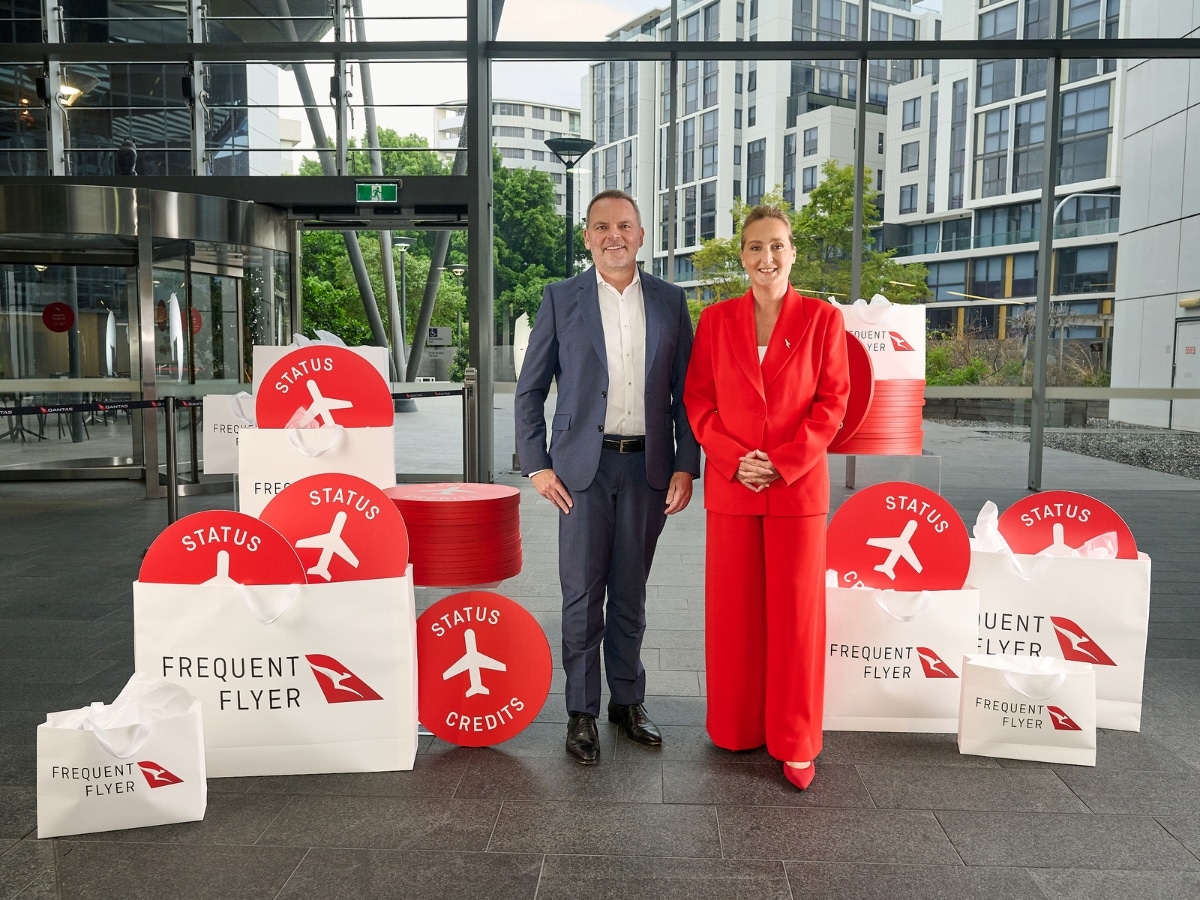
The national carrier of Australia, Qantas, has unveiled a comprehensive restructuring of its Frequent Flyer loyalty program, marking the most substantial transformation of the status system since its inception nearly four decades ago. In a strategic move designed to deepen customer engagement across its broader commercial ecosystem, the airline will introduce the ability to earn Status Credits through everyday non-flight expenditures, implement a credit rollover system for high-achieving members, and unify the requirements for attaining and retaining elite status levels. Accompanying these structural changes is a significant expansion of the airline’s international network, headlined by the announcement of the first-ever direct flight service between Sydney and Las Vegas, scheduled to commence in late 2026.
A Fundamental Shift in the Loyalty Paradigm
Since 1987, the Qantas Frequent Flyer program has operated on a relatively traditional model: points were for spending, and Status Credits—the metric used to determine Silver, Gold, and Platinum tiers—were for flying. This binary distinction will be largely dismantled starting in late 2026. Under the new "Status on the Ground" initiative, members will be permitted to earn up to 140 Status Credits per year through non-aviation activities.
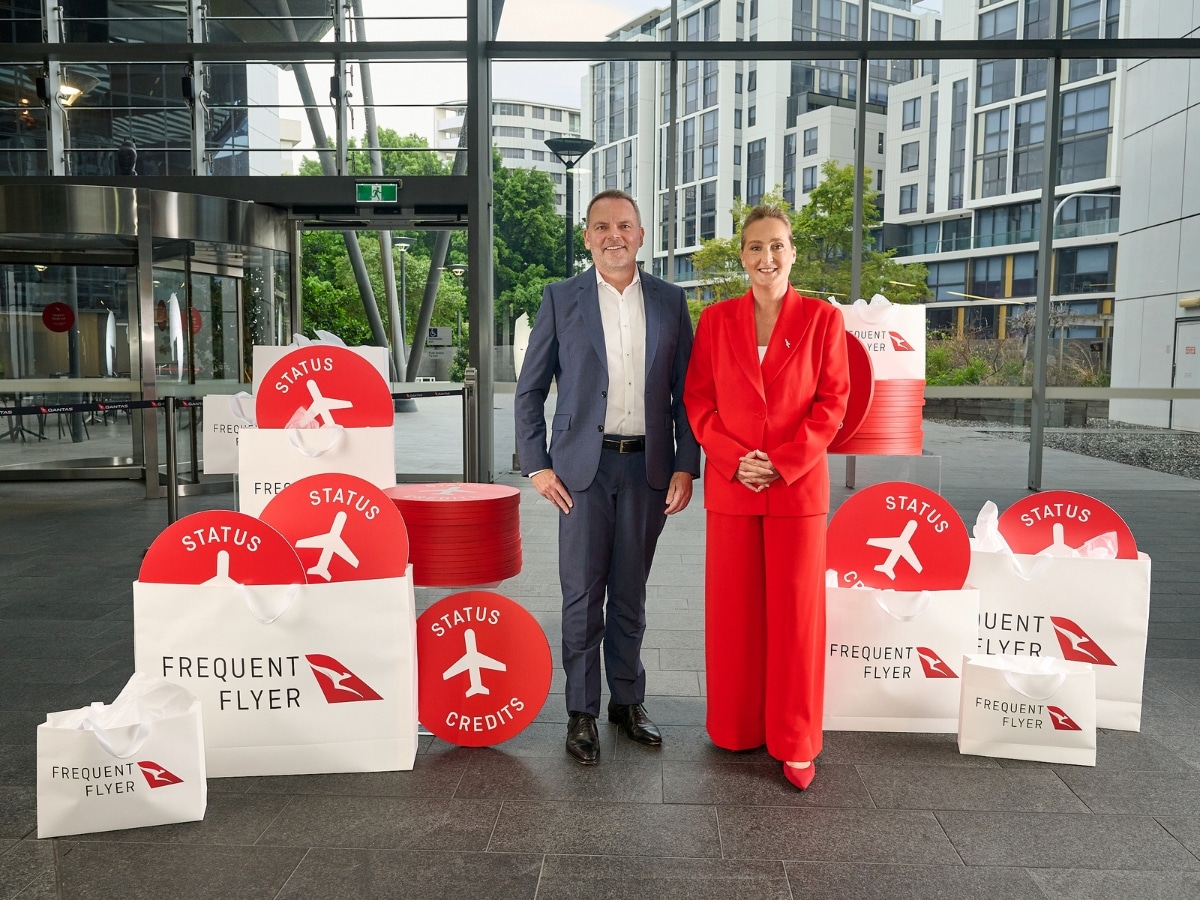
This earning potential spans ten distinct partner categories, including Qantas-linked credit cards, health and general insurance, utility providers, and retail partners. For a member aiming for Silver status, which requires 300 Status Credits, the 140 credits available through ground-based spending represent nearly 47 per cent of the total requirement. This shift signals Qantas’s intent to transform its loyalty program from a travel-centric reward scheme into a comprehensive financial and lifestyle ecosystem. By incentivizing members to route their daily cost-of-living expenses through Qantas partners, the airline secures a more consistent revenue stream that is less susceptible to the cyclical nature of the aviation industry.
The Introduction of Status Credit Rollovers
In a move aimed at rewarding the airline’s most loyal "over-achievers," Qantas will introduce a rollover mechanism for Status Credits. Historically, any credits earned beyond the threshold for a specific tier would vanish at the end of a member’s anniversary year, forcing them to start from zero. The new system allows tiered members to carry forward up to 50 per cent of the Status Credits required for their current tier into the following year.
The rollover policy is governed by specific caps: Silver members can roll over up to 125 credits, Gold members up to 350, and Platinum members up to 700. According to internal Qantas data, approximately half of all Status Credits earned by members annually currently go unused because they fall between tier thresholds. For example, a member who earns 1,000 Status Credits in a year currently secures Gold (700 credits) but sees the remaining 300 credits expire. Under the new rules, those 300 credits would be applied to the next year’s balance, providing a significant "head start" and reducing the pressure to maintain travel volumes in years where personal or professional circumstances might limit flying.

Unification of Attain and Retain Thresholds
While the rollover and ground-earning initiatives offer new flexibility, Qantas is simultaneously increasing the difficulty of maintaining status for those who only just meet the minimum requirements. For decades, the program utilized a lower threshold for "retaining" status compared to "attaining" it. For instance, a member needed 700 Status Credits to reach Gold for the first time but only 600 to keep it in subsequent years.
This "loyalty discount" will be abolished. Moving forward, the requirement to stay at a tier will be identical to the requirement to reach it. Gold status will require 700 credits annually, and Platinum will require 1,400 (up from the previous retention requirement of 1,200). This change represents a roughly 16.7 per cent increase in the annual requirement for existing Gold and Platinum members. To offset this, Qantas points to the new ground-earning pathways and the rollover benefits, suggesting that the "maths" of loyalty has changed from a purely flight-based calculation to a holistic engagement strategy.
Chronology of the Qantas Loyalty Evolution
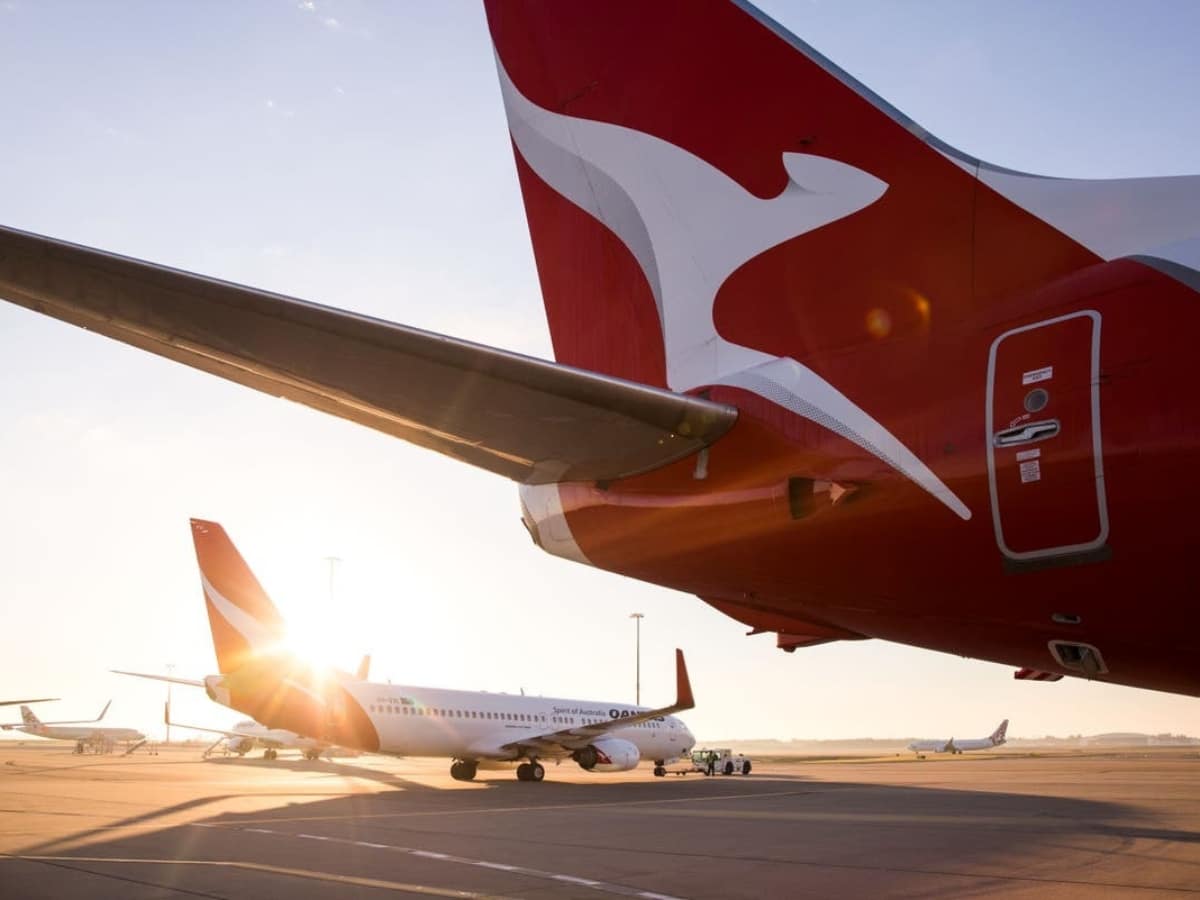
The evolution of frequent flyer programs reflects the broader history of the modern aviation industry. The concept was pioneered by American Airlines in 1981, with Qantas launching its own iteration six years later.
- 1987: Qantas launches the Frequent Flyer program, primarily as a tool for corporate traveler retention.
- Early 2000s: The program expands to include credit card partners, allowing members to earn points on the ground for the first time.
- 2019: Qantas introduces "Points Club" to reward high-volume point earners who do not necessarily fly frequently.
- 2022: The "Green Tier" is launched, rewarding members for sustainable choices such as offsetting flight emissions.
- Late 2024/Early 2025: Qantas begins the phased retirement of sub-programs like Points Club and Green Tier to simplify the core offering.
- December 2026: The first direct Sydney-to-Las Vegas flight departs, coinciding with the full implementation of the status overhaul.
Strategic Network Expansion: The Las Vegas Connection
Parallel to the programmatic changes, Qantas is aggressively expanding its North American footprint. On December 29, 2026, the airline will launch a seasonal direct service between Sydney and Las Vegas. Operating three times per week using the Boeing 787-9 Dreamliner, the route will run through March 12, 2027.
This service is a historic first; no airline has ever operated a direct commercial flight between Australia and the state of Nevada. Currently, travelers to Las Vegas must transit through major hubs like Los Angeles, San Francisco, or Dallas-Fort Worth. The direct route is expected to shave approximately five hours off the total travel time. With return economy fares starting at AUD$1,099, the route targets both the high-end leisure market and the significant "MICE" (Meetings, Incentives, Conferences, and Exhibitions) sector, for which Las Vegas is a global leader.
The addition of Las Vegas brings Qantas’s total number of destinations to 101. It also strengthens the airline’s position in the competitive trans-Pacific market, where it competes against United Airlines, Delta, and its domestic rival, Virgin Australia (via its partner United).

Rewarding Lifetime Loyalty
For the most veteran travelers, Qantas is introducing a new "Platinum Accelerator" for Lifetime Gold members. Once a member achieves the 14,000 Status Credit milestone for Lifetime Gold, they will receive an additional year of Platinum status for every 10,000 Status Credits earned thereafter. Members can bank up to five of these complimentary Platinum years, to be activated at their discretion. This addresses a long-standing critique from "road warriors" who felt that once Lifetime Gold was achieved, there were fewer incentives to remain exclusively with Qantas if Platinum was out of reach for a specific year.
Analysis: The Competitive Landscape and Economic Implications
The timing of these changes is significant. Qantas’s primary domestic competitor, Virgin Australia, recently overhauled its Velocity Frequent Flyer program, making it harder to earn status on lower-priced fares. By contrast, Qantas is making status more accessible through non-flying means while simultaneously raising the bar for those who rely solely on flights to maintain their standing.
From an economic perspective, the Qantas Loyalty division is a powerhouse, frequently reporting higher profit margins than the airline’s flying operations. In the 2023-2024 financial year, Qantas Loyalty contributed significantly to the Group’s underlying profit. By integrating Status Credits into everyday spending, Qantas is essentially "selling" status to its partners (banks, retailers, insurers), who in turn use the allure of Qantas status to attract and retain their own customers.

Industry analysts suggest that this move toward "financializing" status is a response to a changing travel demographic. The rise of "bleisure" travel—where business trips are extended for leisure—and a post-pandemic shift in consumer spending toward experiences have made traditional loyalty models less effective. By allowing members to earn status at the supermarket or through their electricity bill, Qantas is ensuring its brand remains "top of mind" even when the customer is not at the airport.
Official Responses and Transitional Arrangements
While the airline has not released specific statements from external partners, the sentiment from the Qantas leadership team, led by CEO Vanessa Hudson and Loyalty CEO Andrew Glance, emphasizes simplification and "meaningful rewards." The retirement of the Points Club and Green Tier programs is part of this streamlining effort. Qantas has assured members that those currently holding benefits under these sub-programs will be transitioned into the new structure with "no loss of value," though specific details on these transitional arrangements are expected closer to the 2026 launch date.
As the aviation industry moves toward 2027, the Qantas overhaul represents a bold bet on the "ecosystem" model of loyalty. For the frequent traveler, the message is clear: the path to the lounge is no longer found exclusively in the clouds, but in the strategic management of one’s entire financial life. Whether this leads to "status inflation"—where lounges become overcrowded due to easier earning pathways—remains to be seen, but for now, Qantas has successfully redefined the terms of engagement for the Australian traveler.




 Yuyun Lusiyani
 Ana Megawati
 Pevita Pearce
 Eva Lovia
 Nila Kartika Wati
 Jia Lissa