
 Eva Lovia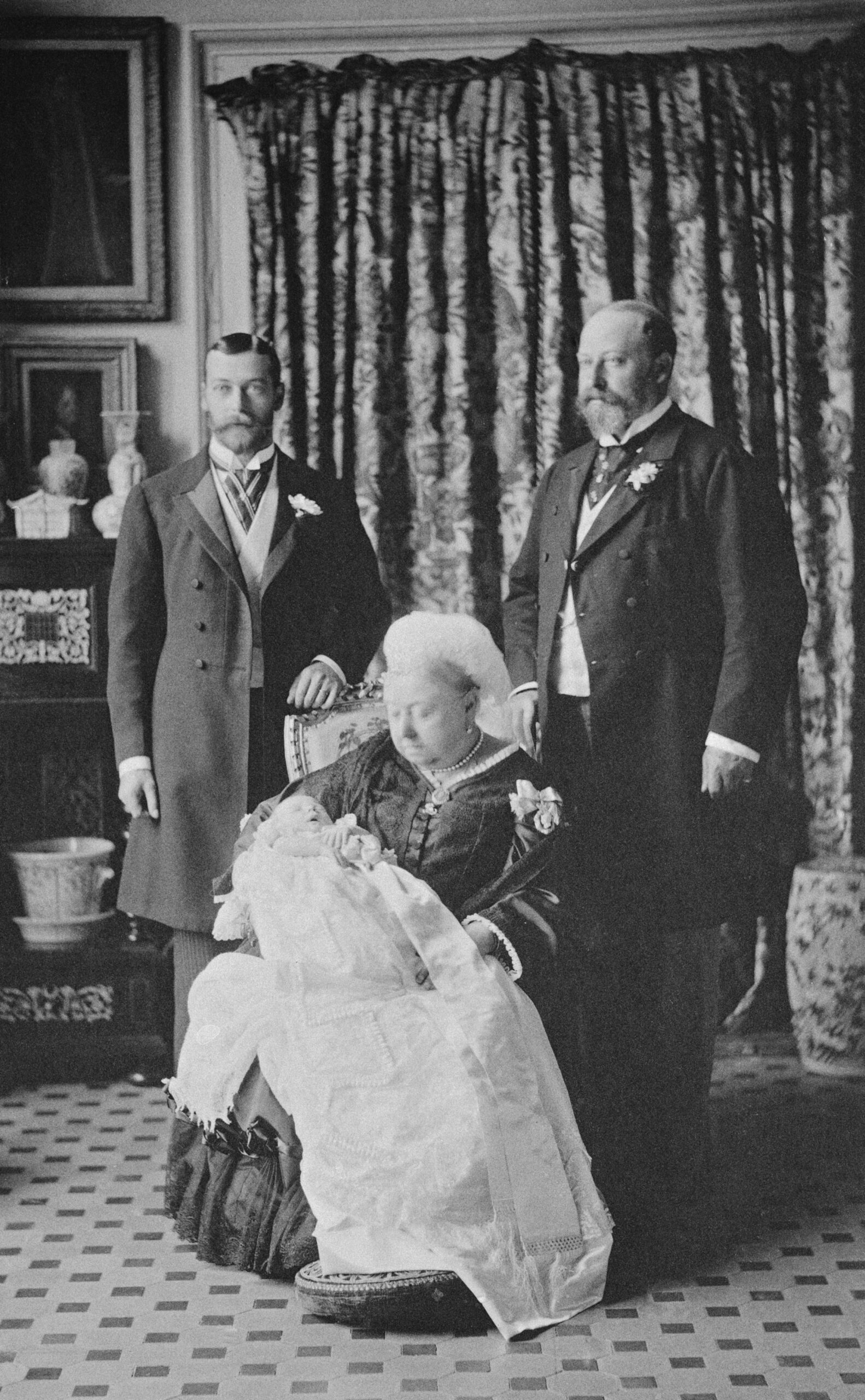
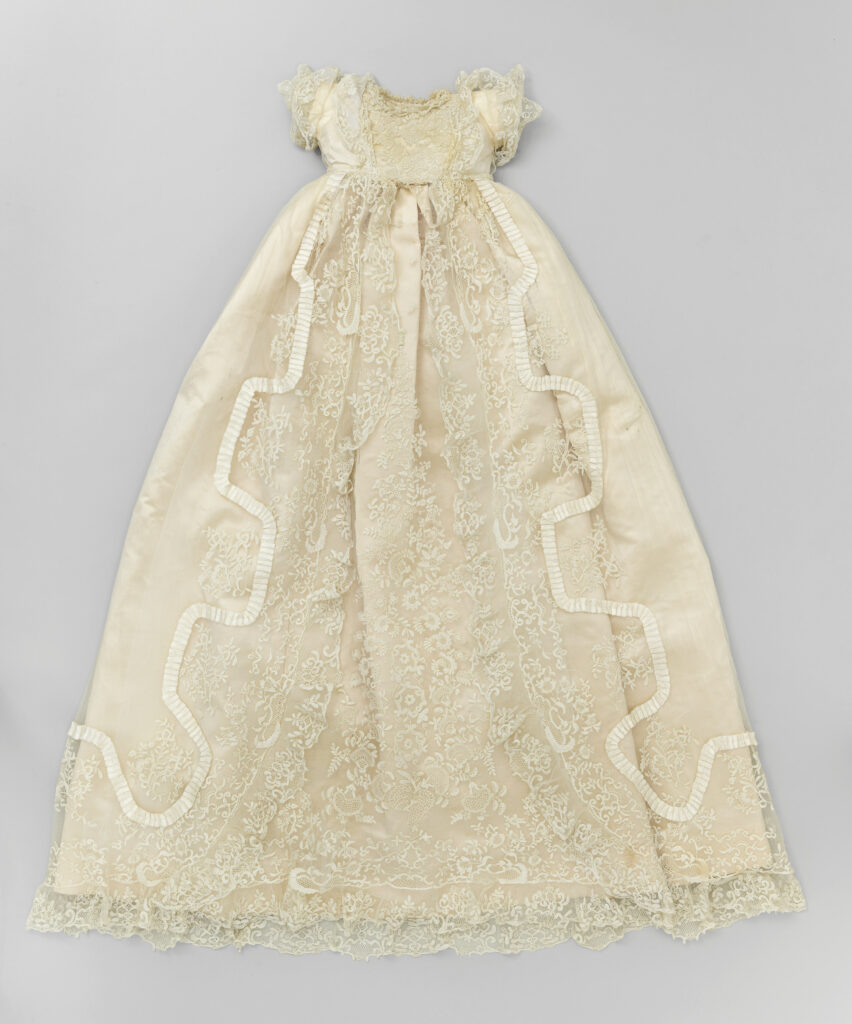
A profoundly significant garment, steeped in nearly two centuries of royal history and central to the christenings of generations of British monarchs, is set to be unveiled to the public in an unprecedented exhibition. The original royal christening gown, a delicate creation of silk and Honiton lace, will be a star attraction at "Queen Elizabeth II: Her Life in Style," an exhibition marking the centenary of the late Queen’s birth. This marks the first time this treasured piece of royal heritage will be publicly displayed, offering a rare and intimate glimpse into the lineage and traditions of the British monarchy.
The exhibition, scheduled to open at The King’s Gallery, Buckingham Palace, from April 10th to October 18th, 2026, promises a once-in-a-lifetime opportunity for the public to connect with a tangible symbol of royal continuity. The christening gown, commissioned by Queen Victoria in 1840 for her first child, Princess Victoria, has been worn by 62 royal babies, including five monarchs. Its exhibition is a poignant tribute to Queen Elizabeth II’s enduring reign and her personal connection to this deeply symbolic garment.
A Legacy Woven in Lace and Silk
The story of the royal christening gown is intrinsically linked to the Victorian era and Queen Victoria’s vision for supporting British industry. Commissioned by the Queen for the baptism of her eldest daughter, Princess Victoria, in 1840, the gown was intentionally crafted using the finest British materials. The opulent silk was sourced from Spitalfields in East London, a region renowned for its silk weaving heritage, while the intricate lace was painstakingly produced in Honiton, Devon, a town celebrated for its delicate bobbin lace. This deliberate choice of national materials was a powerful endorsement of British craftsmanship and a bid to bolster trade and employment within these vital sectors of the economy. The gown was designed by Janet Sutherland, Queen Victoria’s dressmaker, who also held the esteemed title of ‘Embroiderer to the Queen.’
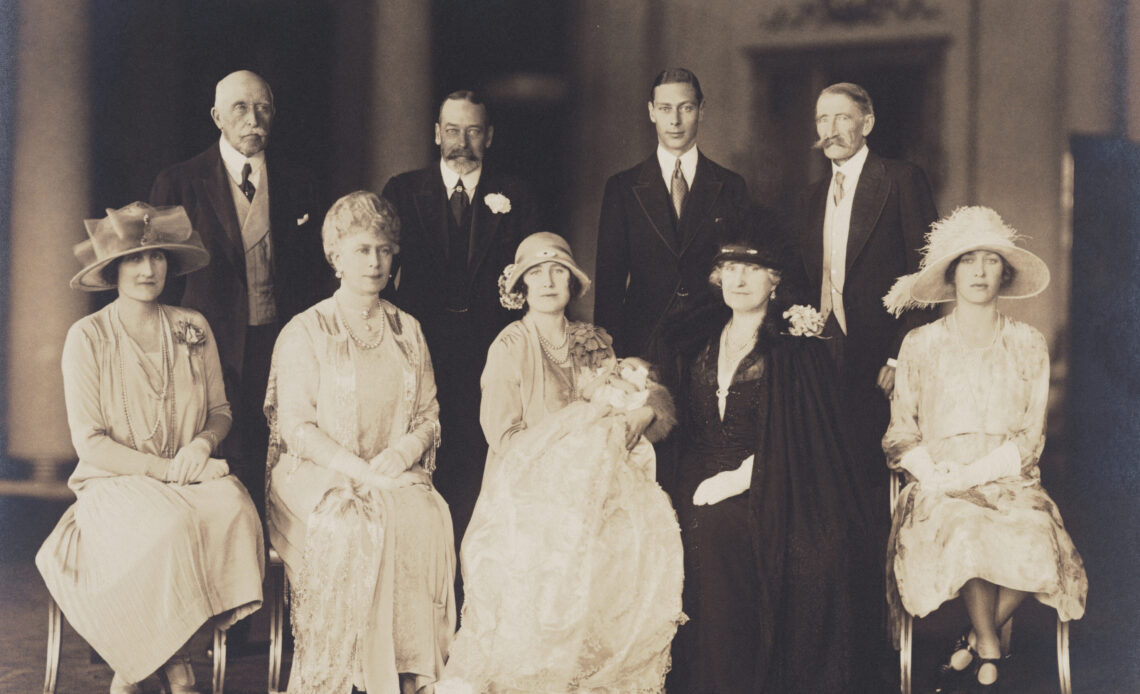
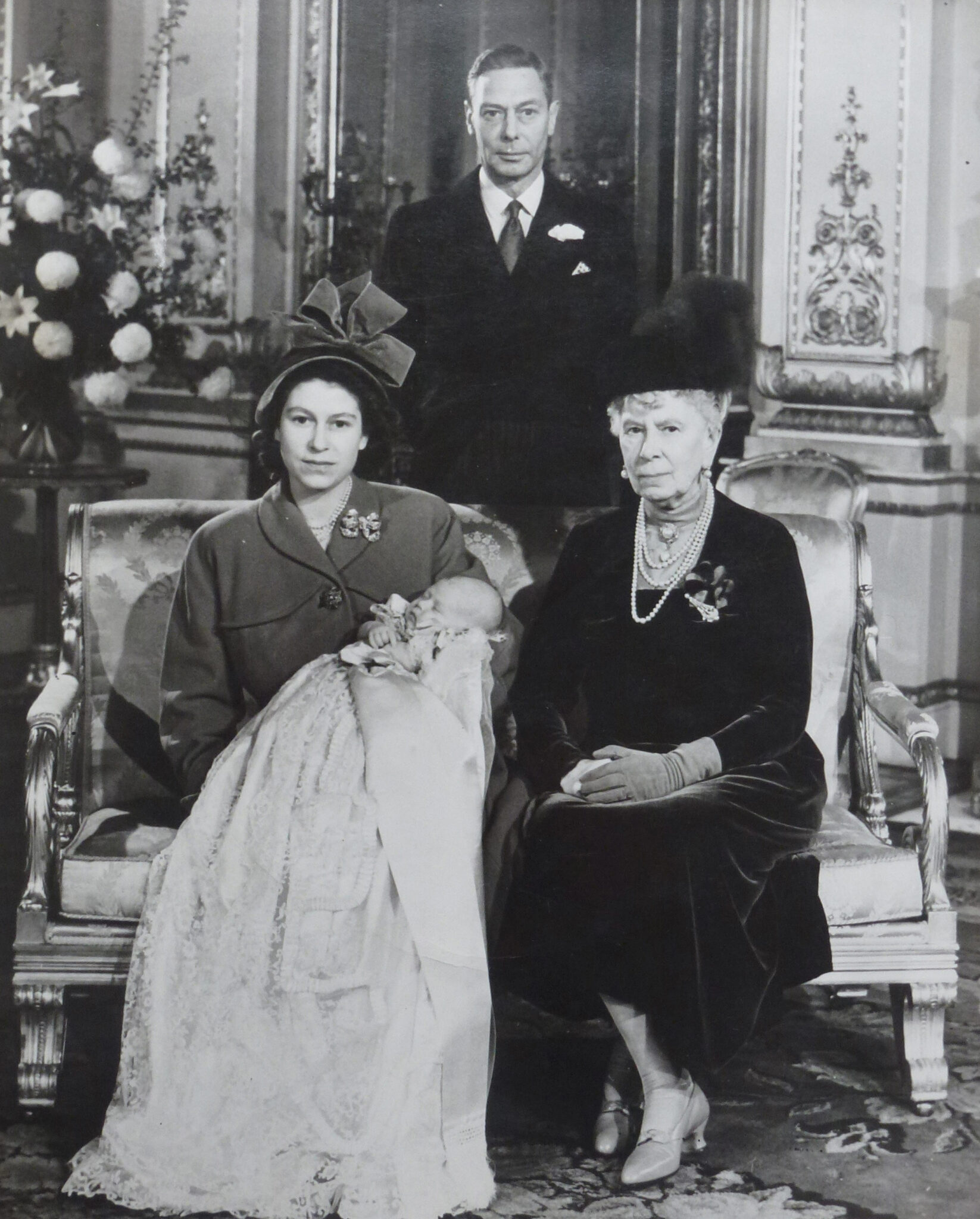
The gown’s initial wearer, Princess Victoria, was the first in a long line of royal infants to be baptised in its delicate folds. The tradition was continued by her descendants, cementing its status as a cherished heirloom. Over eighty years after its creation, Queen Victoria’s great-great-granddaughter, Elizabeth Alexandra Mary, who would later become Queen Elizabeth II, was baptised in the very same gown in 1926. This moment marked a significant point in its history, as the infant Elizabeth would go on to reign for an unprecedented 70 years, surpassing even Queen Victoria’s own remarkable tenure on the throne.
A Chronicle of Royal Baptisms
The christening gown has borne witness to the baptisms of numerous future monarchs and significant royal figures. Among those who wore the original garment are:
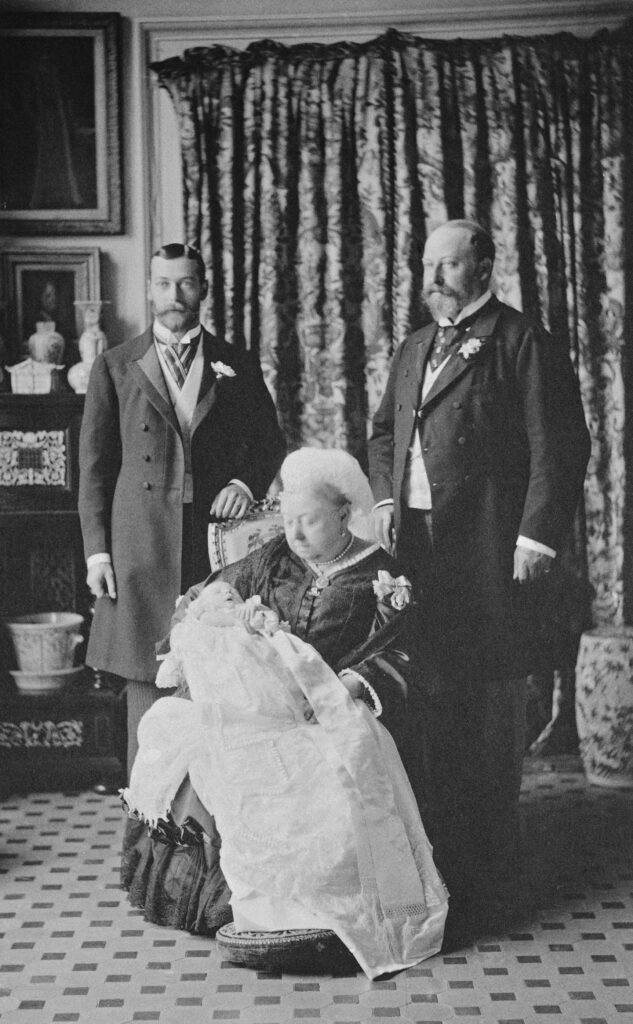
- King Edward VII: Queen Victoria’s son, who ascended the throne in 1901.
- King George V: Edward VII’s son, who reigned from 1910 to 1936.
- King Edward VIII: George V’s eldest son, whose brief reign in 1936 is historically significant.
- King George VI: Edward VIII’s brother, who became king during World War II and reigned until 1952.
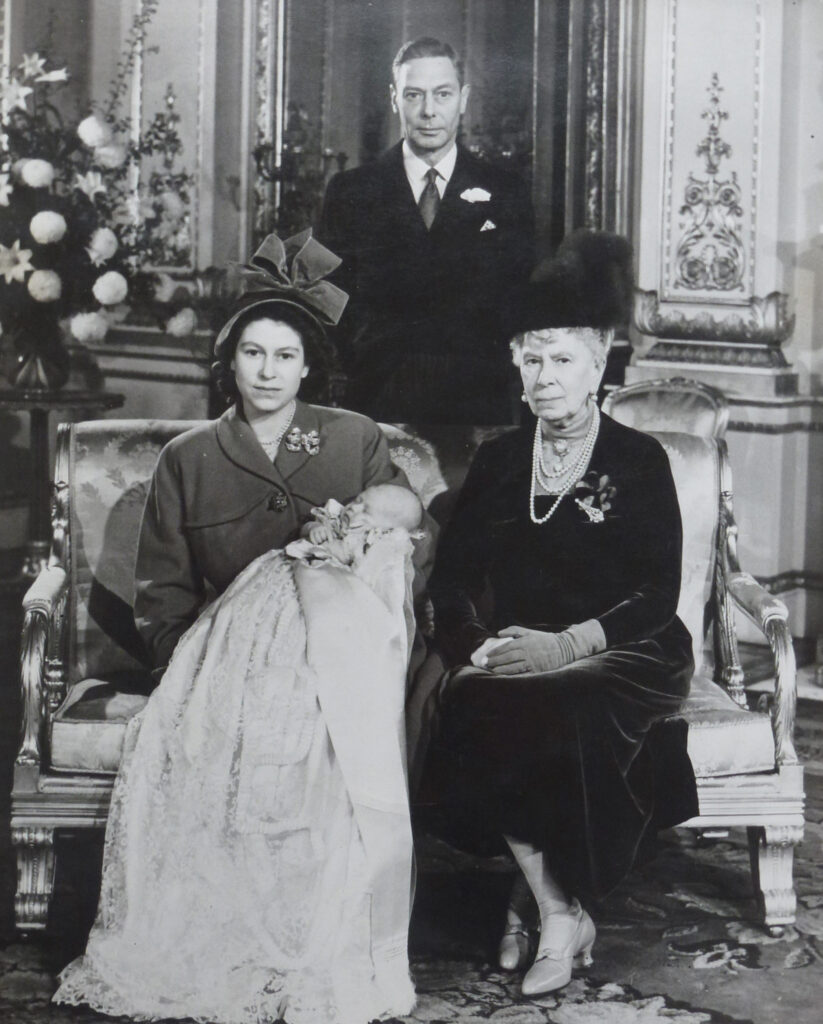
- Queen Elizabeth II: George VI’s daughter, whose baptism in 1926 marked a pivotal moment for the gown’s legacy.
The tradition continued into the modern era. Prince William, now the Prince of Wales, was baptised in the original gown. However, for his eldest son, Prince George, a replica was created to preserve the original’s delicate condition. The last royal baby to be baptised in the authentic gown was Lady Louise Mountbatten-Windsor in 2004. Following her baptism, Queen Elizabeth II, recognising the gown’s increasing fragility after nearly 170 years of use, made the poignant decision to commission an exact replica. This replica has since been used for all subsequent royal christenings, ensuring the continuation of the tradition while safeguarding the original garment for posterity. The first royal to wear the replica was Lady Louise’s younger brother, James, Earl of Wessex.
Preservation and Restoration
The Royal Collection Trust has undertaken an extensive and meticulous restoration of the original christening gown, a process that spanned over 100 hours. This dedication to preservation reflects the immense historical and cultural value placed upon the garment. Records indicate that from its inception, great care was advised for its upkeep, with a note attached to the gown stipulating that it should only be washed in natural spring water. This ancient instruction underscores the delicate nature of the silk and lace, and the long-standing commitment to its preservation across generations of royal custodians.
A Curatorial Perspective
Caroline de Guitaut, the exhibition curator, articulated the profound significance of the gown. "The christening robe was the most significant garment worn by Princess Elizabeth in her infancy and is an exceptional example of British craftsmanship – something Queen Elizabeth went on to champion throughout her life," she stated. "As the earliest piece of clothing worn by the Queen, and by so many royal babies before and after her, it holds a special place in her wardrobe. We are delighted to be able to share it with as many people as possible in this centenary year."
De Guitaut’s words highlight the dual importance of the gown: its role as a personal marker of Queen Elizabeth II’s early life and its broader significance as a testament to British artistry and industrial heritage. The exhibition aims to illuminate these facets, offering visitors a deeper understanding of the values that shaped the Queen’s reign and her commitment to national craftsmanship.
Beyond the Gown: A Deeper Dive into Royal Tradition
The exhibition "Queen Elizabeth II: Her Life in Style" will extend beyond the central display of the christening gown to encompass a broader narrative of the late Queen’s life, as reflected in her sartorial choices and the traditions she upheld. Visitors will have the opportunity to view other significant items associated with royal christenings, including the bonnet, silk satin shawl, sash, bows, and ribbons that were traditionally part of the ceremony. These items, often adorned with the emblems of the United Kingdom, further emphasize the ceremonial and symbolic nature of royal baptisms.
A particularly touching element of the exhibition will be the display of a handwritten note detailing the names of all the royal babies who have worn the christening gown. This tradition was initiated by Queen Mary, the wife of King George V, and continued by Queen Elizabeth II herself. This personal record serves as a poignant reminder of the human element within the grand tapestry of royal history, showcasing the Queen’s meticulous attention to detail and her appreciation for the continuity of family traditions. The inclusion of this document provides an intimate glimpse into the Queen’s personal engagement with the legacy of the christening gown.
A Return to Sacred Ground
The choice of The King’s Gallery at Buckingham Palace as the venue for this exhibition is particularly resonant. The gallery now occupies the site of the former Royal Chapel, a sacred space that was tragically destroyed during the Blitz in World War II. It was within this very chapel that Queen Elizabeth II herself was baptised. The exhibition, therefore, brings the christening gown not only to a historically significant location within the palace but also to a place intrinsically linked to the Queen’s own early life and the ceremony it represents. This proximity adds an almost spiritual dimension to the display, allowing visitors to connect with the gown in a setting that echoes its original ceremonial context.
Exhibition Details and Ticket Information
Queen Elizabeth II: Her Life in Style will be on display at The King’s Gallery, Buckingham Palace, from April 10th to October 18th, 2026. This exhibition offers a unique opportunity to explore the enduring legacy of Queen Elizabeth II through the lens of her personal style and the traditions she embraced.
Tickets for the exhibition are priced at £22 for adults and £11 for children. They are available for purchase through the Royal Collection Trust website, providing a structured and accessible way for the public to engage with this significant cultural event. The extended exhibition period suggests an anticipated high level of public interest in commemorating the Queen’s centenary year and experiencing this once-in-a-generation display of royal history. The exhibition is poised to be a significant draw for both domestic and international visitors, offering a profound connection to the history and enduring traditions of the British monarchy.

 Joko Widodo
 admin
admin
 Nila Kartika Wati
 Jia Lissa
 Yuyun Lusiyani
 Ana Megawati