
 Lina Irawan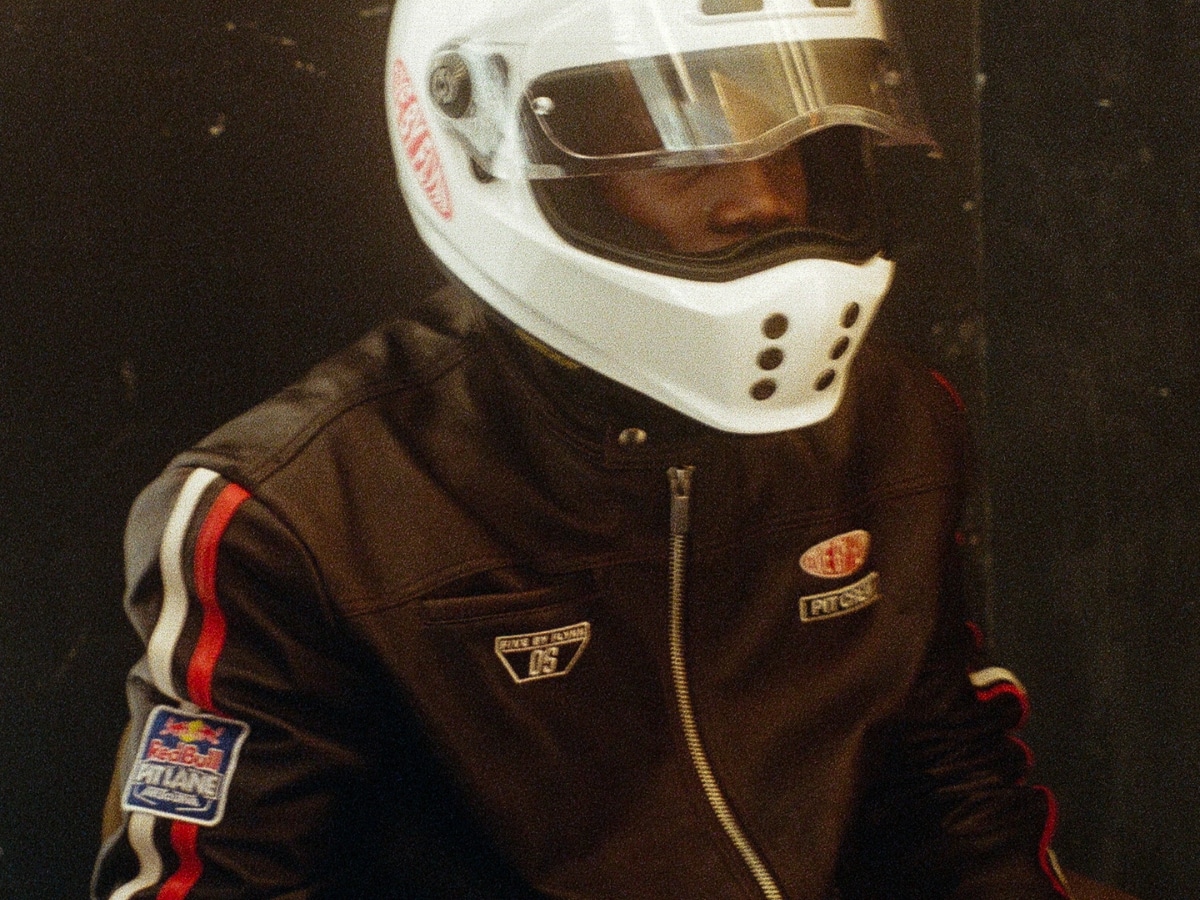
The convergence of high-level artificial intelligence, the resurgence of traditional rural entertainment in urban centers, and the deepening ties between global sporting franchises and local fashion labels marks a significant shift in the Australian lifestyle and business sectors. As the first quarter of 2026 unfolds, several key developments have emerged that underscore a broader trend of rapid digital transformation and the simultaneous revival of heritage-based cultural experiences. From the implementation of bespoke AI operating systems within the media industry to the sell-out success of professional rodeo tours in metropolitan Sydney, these movements reflect a society balancing the efficiencies of the future with the visceral appeal of tradition.
The Dawn of Vibe Coding and Bespoke AI Infrastructure
In the corporate sector, the methodology of software development is undergoing a fundamental shift, moving away from traditional syntax-heavy programming toward a more intuitive approach known as "vibe coding." This transition is being led by the integration of advanced Large Language Models (LLMs) such as Anthropic’s Claude Code. Media executives and business leaders are increasingly utilizing these tools to bypass traditional technical hurdles, allowing for the rapid deployment of internal systems that were previously cost-prohibitive or time-consuming to develop.
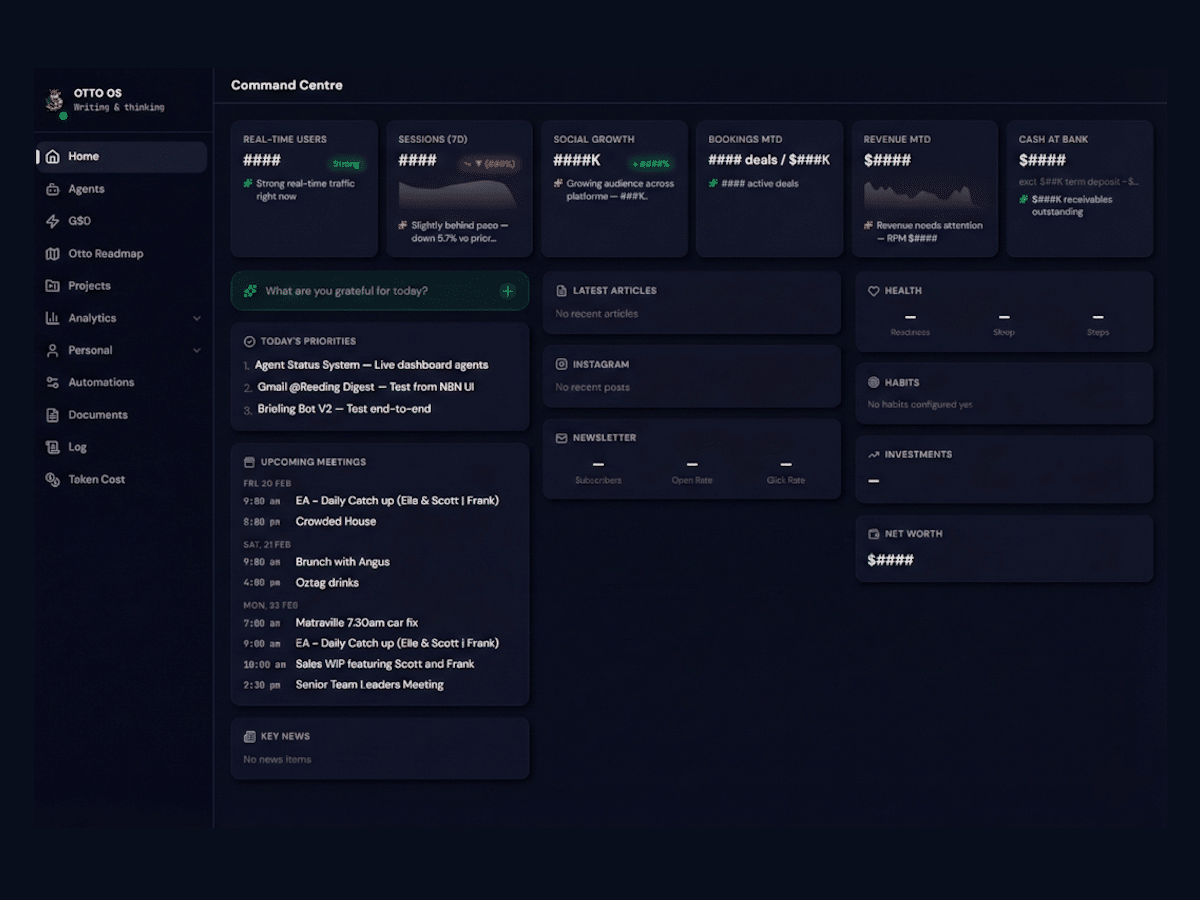
Scott Purcell, co-founder of the digital media outlet Man of Many, recently documented the development of "Otto," a custom AI-driven operating system designed specifically for the organization’s internal workflows. Developed between January and February 2026, Otto serves as a centralized intelligence hub, featuring executive dashboards and specialized agents capable of managing complex sales and finance reporting. This development highlights a significant trend in 2026: the democratization of software creation.
The technical stack utilized for such builds often involves natural language processing to dictate architectural logic, a process Purcell likens to the early "Internet 1.0" era of tinkering, yet bolstered by exponentially more powerful computational tools. The move toward "vibe coding" suggests that the primary barrier to business innovation is no longer technical literacy, but rather the clarity of vision and the ability to prompt AI agents effectively.
Implications for Workforce Productivity and Human Capital
The integration of these AI systems is not aimed at workforce reduction but rather at the elimination of "energy-draining" manual workflows. Industry analysis suggests that by automating repetitive reporting and data entry, organizations can refocus their human capital on high-value tasks such as authentic storytelling, strategic relationship management, and creative development.
Data from recent productivity reports indicates that SMEs (Small and Medium Enterprises) adopting bespoke AI agents have seen a 40% reduction in time spent on administrative tasks. This shift allows for a higher degree of agility, enabling companies to move from conceptualization to a fully functioning secure system in under 30 days. As AI tools become more integrated into the "Wild West" of the 2026 digital landscape, the emphasis is shifting toward maintaining a human-centric approach in an increasingly automated world.
The Urban Resurgence of the National Rodeo Circuit
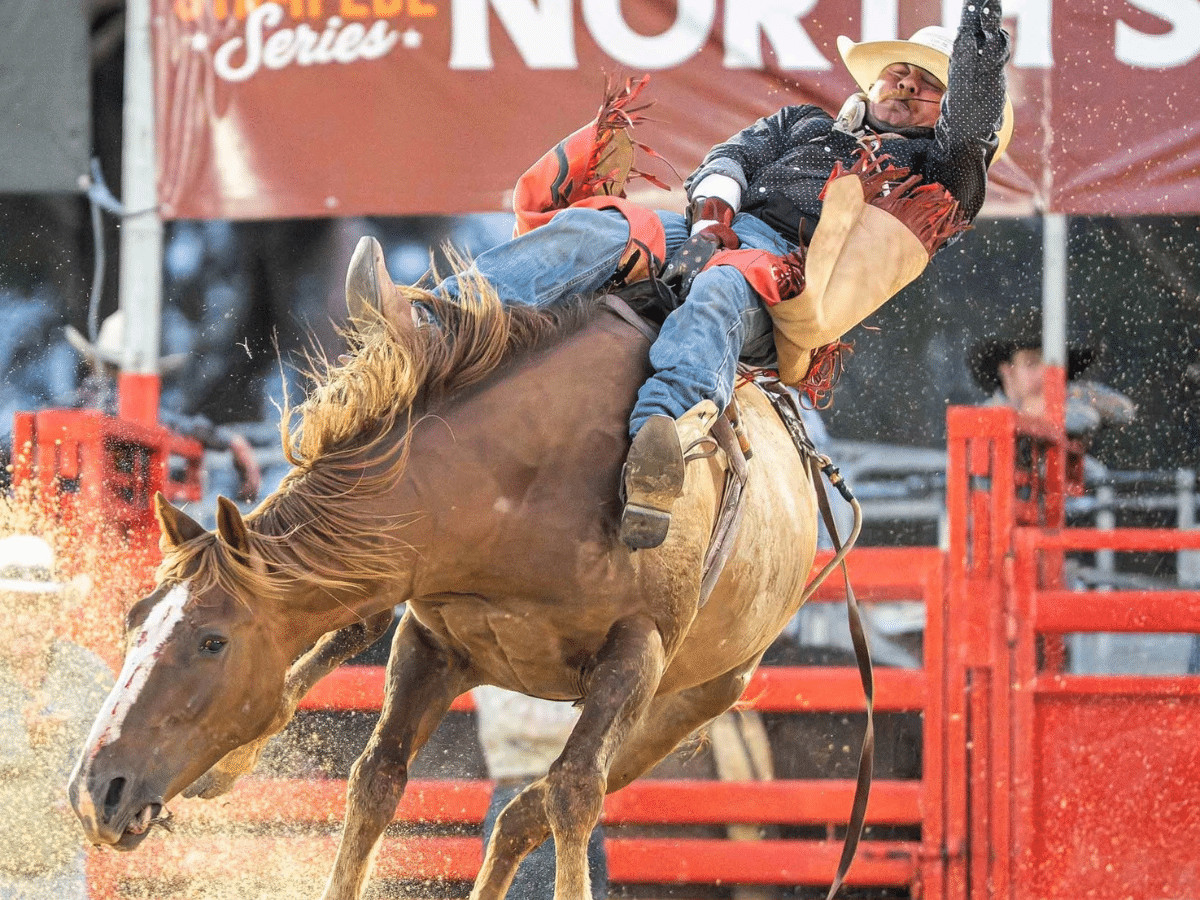
While the digital landscape evolves, a parallel trend is appearing in the Australian entertainment sector: the massive popularity of professional rodeo events in metropolitan areas. The National Rodeo Co. has seen unprecedented demand for its current tour, which recently stopped at the North Shore in Sydney. This phenomenon suggests a growing appetite for "authentic" and high-stakes physical entertainment that contrasts sharply with the digital-heavy nature of modern work life.
The Sydney event showcased traditional rodeo disciplines, including saddle bronc, bareback riding, bull riding, and barrel racing. The success of these events is attributed to a combination of professional sporting prowess and a curated lifestyle experience. Attendance figures for the North Shore section indicate a diverse demographic, with urban audiences embracing "western-core" fashion, including custom cowboy hats and heritage-style attire.
Chronology of the 2026 National Rodeo Co. Tour
The National Rodeo Co. has established a rigorous schedule to meet the rising demand for rural sports across Australia’s eastern seaboard. The tour timeline is as follows:

- February 28, 2026: Melbourne Showgrounds. This event is expected to draw a record crowd as the Victorian capital embraces the touring circuit.
- April 10, 2026: Shepparton Showgrounds. A return to the regional roots of the sport, focusing on community engagement and local talent.
- April 17–18, 2026: Blacktown Showgrounds, Sydney. A two-night spectacular designed to serve as the tour’s metropolitan finale, featuring extended musical performances and expanded vendor markets.
The events are more than sporting competitions; they function as cultural festivals. Featuring musical acts such as Alex Mather, the tour integrates country music with the action in the ring, creating a multi-sensory experience that appeals to families and young professionals alike. The economic impact on local hospitality and retail—specifically in the sales of western-style clothing—has been noted by regional chambers of commerce as a significant boon.
The Intersection of Global Sport and Local Streetwear
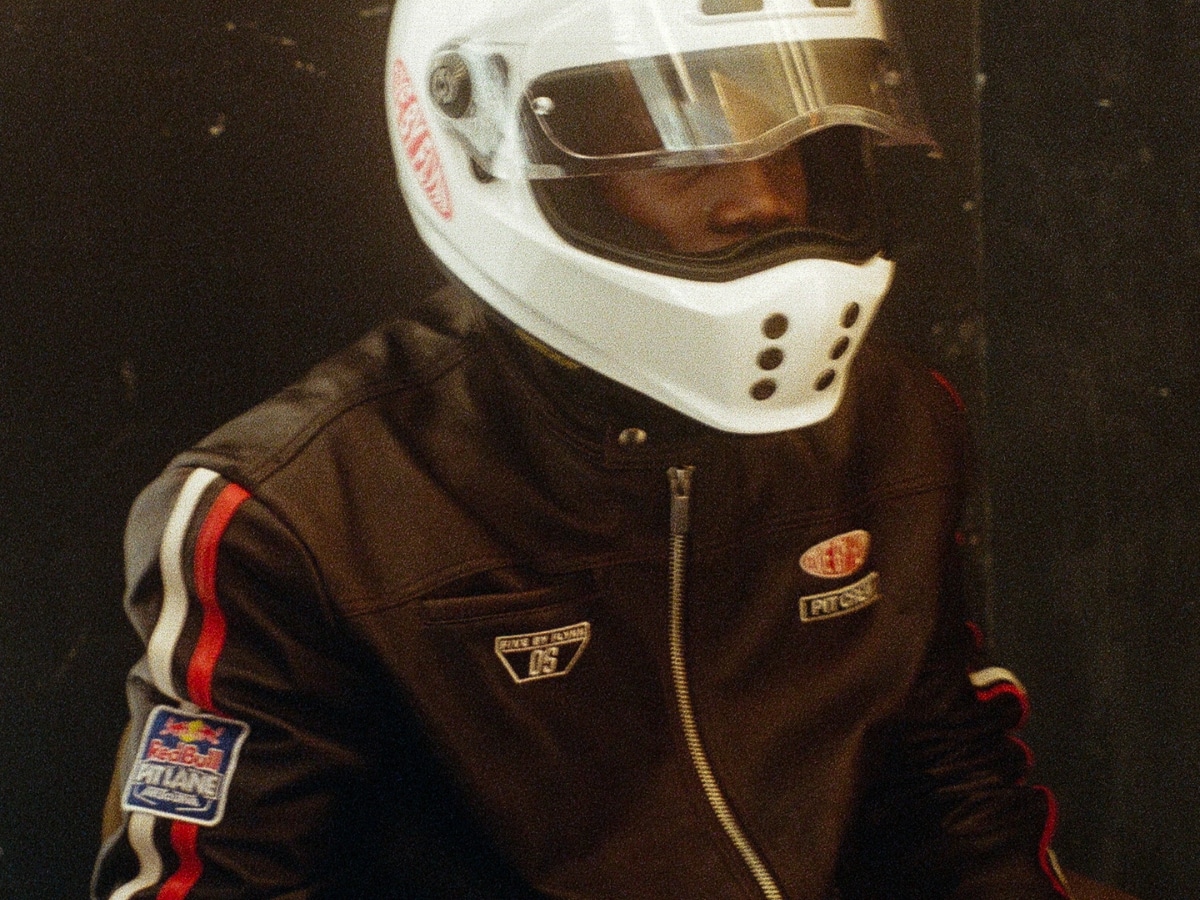
The lead-up to the Melbourne Grand Prix has catalyzed a surge in the Australian fashion industry, specifically within the "racing-core" and streetwear segments. The collaboration between the Australian label Five by Flynn and Red Bull Pit Lane serves as a primary example of how global sporting events are being leveraged by local designers to create high-demand, limited-edition apparel.
Five by Flynn, known for its retro aesthetic and resort wear, has pivoted toward a motorsport-inspired capsule collection. The centerpiece of this drop—a signature leather racing jacket—reflects a broader global trend where Formula 1 aesthetics are being integrated into everyday urban wardrobes. This trend, often referred to as "Gorpcore" or "Speed-core," has seen a 25% increase in market share within the Australian boutique fashion sector over the past twelve months.
The "Formula 1 Effect" on Australian Retail
The Melbourne Grand Prix remains one of the most significant dates on the Australian sporting calendar, but its influence now extends far beyond the Albert Park circuit. For local labels, the race week provides a platform for "capsule drops" that capitalize on the influx of international tourists and the heightened media visibility of the sport.
Industry analysts suggest that the success of the Five by Flynn x Red Bull collaboration is due to its "wearability" beyond the race track. Unlike traditional team merchandise, these collaborations focus on high-quality materials and "lifestyle" silhouettes that appeal to the fashion-conscious consumer. This strategy aligns with Red Bull’s broader marketing philosophy of positioning the brand as a lifestyle curator rather than just an energy drink or a racing team.
Broader Socio-Economic Analysis and Implications
The simultaneous rise of AI-driven business tools, traditional rodeo tours, and high-end motorsport fashion points to a complex socio-economic landscape in 2026. There is a clear tension between the "frictionless" future promised by AI and the "high-friction" reality of physical sports like rodeo.
The Regulatory Landscape and Sustainability
As technology and lifestyle trends evolve, they are meeting new regulatory challenges. In the automotive sector, for instance, Australia’s biggest car brands are currently navigating the New Vehicle Efficiency Standard (NVES) penalties. Recent reports indicate that several major manufacturers are facing millions of dollars in fines for failing to meet stringent emissions targets. This regulatory pressure is driving a shift toward electric vehicles (EVs) and more sustainable manufacturing processes, even within the high-performance sectors of the industry.
The 2026 Ducati DesertX, recently revealed with supercar-grade technology and a lightweight V2 engine, represents the motorcycle industry’s response to these pressures—balancing performance with increased efficiency. This technological advancement in the automotive space mirrors the "vibe coding" shift in the software space: both are about doing more with less, using smarter engineering to overcome traditional physical or technical constraints.
Conclusion: A Dual-Track Future
The data and events of early 2026 suggest that Australia is moving toward a "dual-track" future. On one track, the digital economy is being revolutionized by tools like Claude Code, allowing for a level of agility and personalization in business that was previously unimaginable. On the other track, there is a profound reinvestment in physical, heritage-based experiences and tactile fashion.
For business leaders, the takeaway is clear: success in the current climate requires an embrace of technological efficiency to handle the "tedious," coupled with a deep investment in human-centric experiences that provide "authenticity." Whether it is a CEO building a custom AI agent to manage a dashboard or a spectator at the Blacktown Showgrounds watching a bull ride, the underlying desire remains the same: the search for meaningful engagement in an era of rapid change.
As the Melbourne Grand Prix approaches and the National Rodeo Co. continues its tour, the synergy between global brands and local culture will likely continue to define the Australian lifestyle market. The ability to navigate these disparate worlds—the digital and the physical—will be the defining characteristic of the most successful Australian enterprises in 2026 and beyond.


 Nila Kartika Wati
 Jia Lissa
 Ana Megawati
 Pevita Pearce
 Joko Widodo
 admin
admin