
 Ana Megawati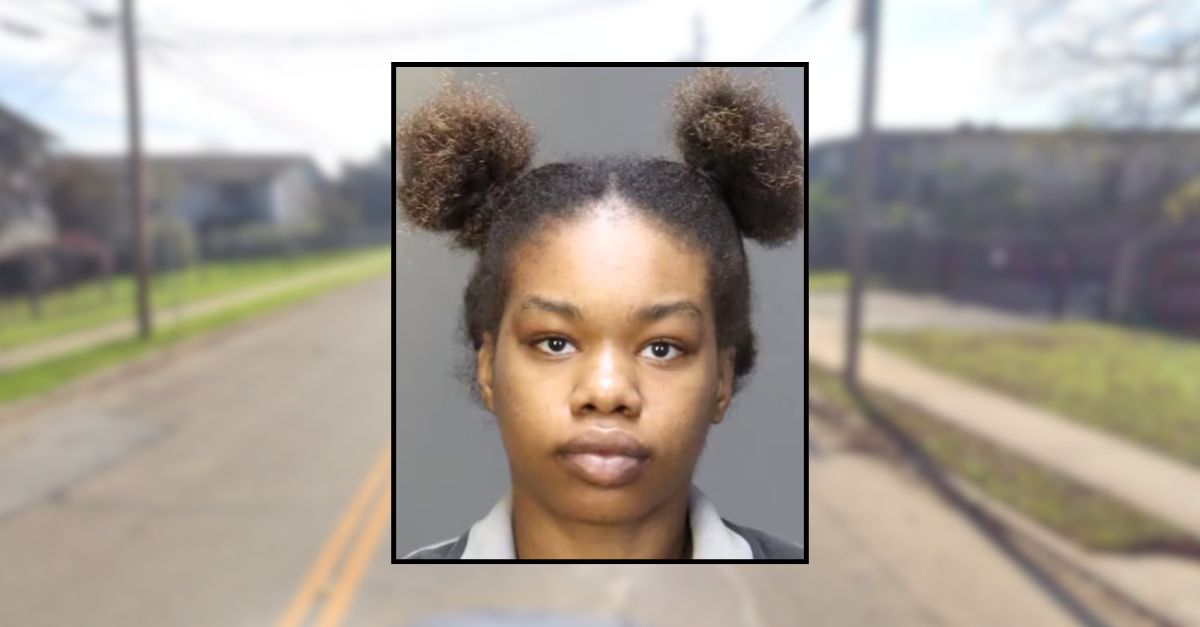
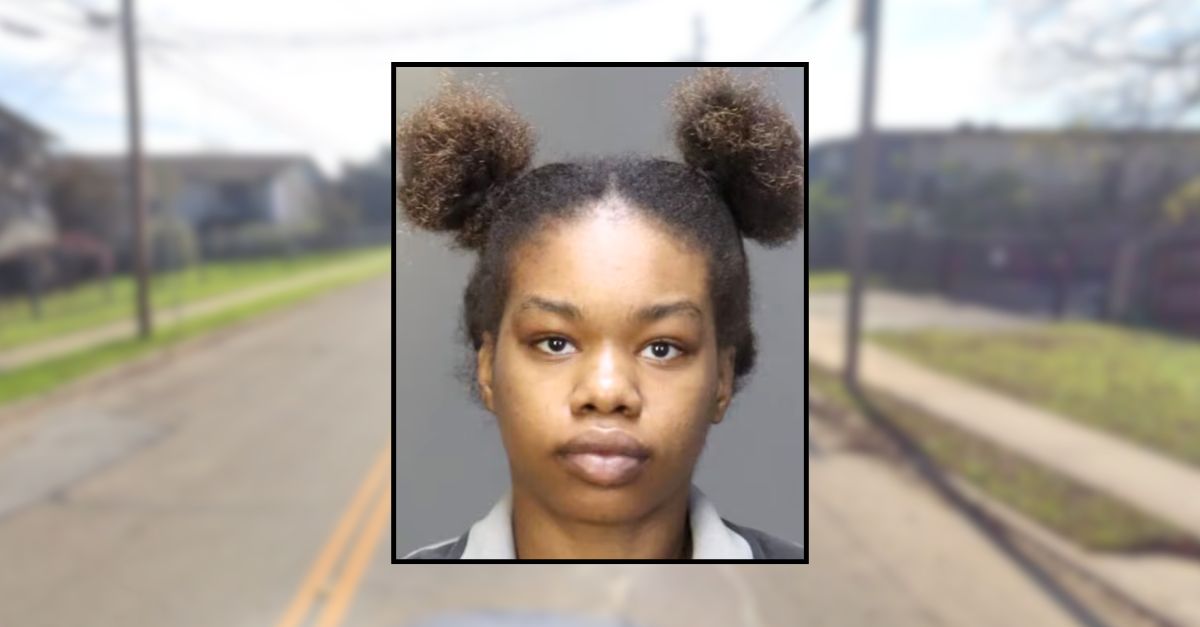
Terriana Johnson has been charged with aggravated assault following an incident in Waco, Texas, where she allegedly stabbed her boyfriend during a dispute over his mobile phone. The alleged assault, which unfolded in the 1900 block of South 5th Street, has drawn attention to the serious nature of domestic disputes and the legal framework designed to address such violent encounters in the Lone Star State. Johnson, whose age has not been publicly disclosed, was booked into the McLennan County Jail on Thursday, February 27, 2026, where she currently awaits further legal proceedings. This case underscores the complexities faced by law enforcement when responding to domestic incidents, often characterized by emotional intensity and conflicting accounts.
The Incident Unfolds: A Heated Argument Escalates
The alleged assault took place on Wednesday, February 26, 2026, at the residence shared by Johnson and her boyfriend, who had reportedly been in a relationship for approximately one year. According to an arrest affidavit reviewed by regional CBS affiliate KWTX-TV, the confrontation began while the boyfriend was in the shower. Johnson reportedly entered the bathroom, initiating a verbal argument with him. The nature of the initial dispute was not immediately detailed, but it quickly escalated upon the boyfriend’s exit from the shower.
Upon leaving the shower, the victim reportedly observed Johnson emerging from the kitchen. Alarming details from the affidavit suggest Johnson was armed with three knives. She allegedly approached her boyfriend, issuing a chilling threat: "I’m going to cut you if you don’t give me your f***ing phone." This statement highlights a key element of the dispute – control over a personal device, a common flashpoint in domestic conflicts that can quickly spiral into violence. The victim, attempting to protect himself, reportedly grabbed bed sheets. However, Johnson allegedly managed to cut him with one of the knives during the ensuing struggle.
Following the alleged stabbing, the victim managed to flee the apartment, seeking refuge at a neighbor’s home. It was from there that law enforcement was contacted, initiating a rapid response from the Waco Police Department to the scene of the domestic disturbance. The quick actions of the victim to seek help are often crucial in preventing further harm and ensuring that authorities are alerted to potentially dangerous situations.
Law Enforcement’s Initial Response and Conflicting Accounts
Upon arrival at the apartment, officers from the Waco Police Department began their investigation by speaking with Terriana Johnson. During this initial interaction, Johnson reportedly presented her version of events. She claimed that her boyfriend had taken her phone and subsequently pushed her to the ground. However, police reports indicate that officers observed no visible injuries on Johnson, which immediately raised questions about the veracity of her claims and provided a stark contrast to the emerging details from the victim.
Meanwhile, officers contacted the boyfriend, who had sought safety at a neighbor’s residence. His account directly contradicted Johnson’s statement. He informed law enforcement that his girlfriend, Terriana Johnson, had stabbed him with a knife. This conflicting narrative is a common challenge in domestic violence investigations, requiring officers to meticulously gather evidence, corroborate statements, and assess the credibility of all parties involved.
Later, when the boyfriend met with law enforcement in person, officers observed a visible cut on his left arm, providing physical evidence consistent with his account of the stabbing. When confronted with this evidence and asked about the injury to her boyfriend, Johnson reportedly stated she did not know what happened. This denial further complicated the investigation. As the questioning continued, Johnson admitted to having scissors in her hand during the altercation. When asked for a reason, she reportedly stated they were "to cut the sheets," an explanation that police likely viewed with skepticism given the context of a violent confrontation involving knives.
The collection of evidence, including the victim’s injury, the alleged weapon, and the conflicting statements, formed the basis for Johnson’s arrest. She was subsequently booked into the McLennan County Jail on Thursday, February 27, 2026. A bond was set at $10,000, a standard procedure that allows a defendant to be released from custody pending trial, provided they meet the conditions set by the court. The relatively high bond amount for an aggravated assault charge reflects the seriousness of the alleged offense and the potential flight risk or danger to the community.
Legal Ramifications: Aggravated Assault in Texas
Terriana Johnson faces a charge of aggravated assault, a serious felony offense under Texas law. The term "aggravated" signifies that the assault involved circumstances that elevate it beyond a simple assault, such as the use of a deadly weapon or the infliction of serious bodily injury. In this case, the alleged use of a knife clearly falls under the definition of a deadly weapon, which can be any object that, in the manner of its use or intended use, is capable of causing death or serious bodily injury.
Under the Texas Penal Code, aggravated assault is typically classified as a second-degree felony, punishable by imprisonment in the Texas Department of Criminal Justice for a term of 2 to 20 years, and a fine not to exceed $10,000. If the assault is committed against a family member, as it is alleged in this domestic dispute, the penalties can sometimes be enhanced or carry specific implications related to domestic violence laws, such as mandatory counseling or protective orders. The presence of physical injury to the victim, coupled with the alleged use of a deadly weapon, presents a strong case for the aggravated nature of the charge.
The legal process for Ms. Johnson will involve several stages. Following her arrest and booking, she would have appeared before a magistrate for an initial appearance, where she would have been formally informed of the charges against her and her rights. The setting of bond is part of this initial process. The case will then proceed to a grand jury, which will review the evidence presented by the prosecution to determine if there is sufficient probable cause to issue an indictment. If indicted, the case will move forward to trial, unless a plea agreement is reached beforehand. Throughout this process, the prosecution will aim to prove beyond a reasonable doubt that Johnson committed the alleged crime, while her defense attorney will work to challenge the evidence and protect her rights.
Understanding Domestic Violence: A Broader Context
This incident in Waco serves as a stark reminder of the pervasive issue of domestic violence, a complex societal problem that affects individuals across all demographics. Domestic violence is not merely physical abuse; it encompasses a pattern of controlling behaviors that can include emotional, psychological, sexual, and financial abuse. The alleged dispute over a phone in this case highlights how seemingly minor disagreements can escalate rapidly within the context of an abusive relationship, often fueled by power and control dynamics.
Statistics from organizations like the National Coalition Against Domestic Violence (NCADV) and the Texas Council on Family Violence (TCFV) paint a grim picture of the prevalence of such incidents. According to the NCADV, nearly 1 in 4 women and 1 in 7 men in the United States have experienced severe physical violence by an intimate partner in their lifetime. In Texas specifically, thousands of individuals seek help from domestic violence shelters and programs each year, indicating a widespread crisis. The use of a deadly weapon in domestic disputes significantly increases the risk of severe injury or fatality, making cases like Terriana Johnson’s particularly alarming.
The challenges in addressing domestic violence are manifold. Victims often face significant barriers to reporting abuse, including fear of retaliation, financial dependence, social stigma, and emotional manipulation. Conflicting accounts, as seen in the Waco incident, can also complicate police investigations, though law enforcement agencies are increasingly trained to identify primary aggressors and gather corroborating evidence beyond initial statements.
Resources for victims of domestic violence are critical. Organizations like the National Domestic Violence Hotline (1-800-799-SAFE) and local shelters and advocacy groups provide confidential support, safety planning, and resources for those experiencing abuse. Community education and awareness campaigns are also vital in breaking the cycle of violence and encouraging both victims and bystanders to seek help.
Law Enforcement’s Role and Challenges in Waco
The Waco Police Department, like many law enforcement agencies across the nation, faces the daily challenge of responding to and investigating domestic violence calls. These situations are often among the most dangerous for officers due to their unpredictable nature and the high emotional stakes involved. The department is committed to ensuring the safety of all residents, and responding to domestic disturbances is a significant part of their mission to maintain public order and protect vulnerable individuals.
A spokesperson for the Waco Police Department, speaking generally about domestic violence cases and not specifically about the ongoing Johnson case, might emphasize the department’s dedication to a thorough investigation process. "Our officers are trained to approach domestic violence calls with sensitivity, professionalism, and a focus on evidence collection," a hypothetical statement might read. "We understand that these situations are often complex, with conflicting narratives. Our priority is always to ensure the immediate safety of all parties involved, gather all available evidence, and apply the law fairly to hold perpetrators accountable and protect victims."
The department’s protocols for domestic violence calls typically include:
- Immediate Separation: Separating the parties involved to prevent further escalation and allow for individual interviews.
- Evidence Collection: Documenting injuries, property damage, and collecting any potential weapons.
- Witness Interviews: Speaking with neighbors or other witnesses who may have heard or seen parts of the altercation.
- Background Checks: Checking for prior domestic violence incidents involving the individuals.
- Primary Aggressor Determination: Identifying who initiated the violence, which can be challenging when both parties claim to be victims.
- Victim Support: Providing victims with information about their rights, emergency protective orders, and local resources for support.
The conflicting statements made by Johnson and her boyfriend underscore the investigative challenges. In such scenarios, physical evidence, such as the cut on the boyfriend’s arm, and the nature of the threats allegedly made by Johnson (e.g., "I’m going to cut you"), become crucial in determining the most credible account and identifying the primary aggressor.
Community Perspectives and Support Systems
The Waco community, like any other, is not immune to the impacts of domestic violence. Incidents like the alleged stabbing highlight the need for robust community support systems and ongoing advocacy. Local domestic violence shelters, crisis centers, and non-profit organizations play a vital role in providing safe havens, counseling, legal assistance, and educational programs for victims and their families.
A hypothetical statement from a local domestic violence advocate might articulate the broader societal implications: "Every incident of domestic violence is a tragedy, not just for the individuals directly involved, but for our entire community," an advocate might say. "It reminds us that violence often lurks behind closed doors, and that we must all be vigilant in recognizing the signs of abuse and supporting those who are suffering. It’s crucial for victims to know they are not alone and that resources are available to help them escape dangerous situations and rebuild their lives."
These organizations often work in tandem with law enforcement, prosecutors, and healthcare providers to create a comprehensive safety net for victims. They also engage in prevention efforts, aiming to educate the public about healthy relationships, consent, and the warning signs of abusive behavior. The long-term goal is to shift societal attitudes that enable violence and to foster a culture of respect and non-violence.
The Road Ahead: Legal Proceedings and Societal Reflection
As Terriana Johnson’s case moves through the McLennan County judicial system, the focus will remain on the legal process. Her next steps will likely include formal arraignment, where she will enter a plea, and subsequent court hearings to prepare for trial or negotiate a plea agreement. The outcome of this case will not only determine Johnson’s fate but will also contribute to the broader discourse surrounding domestic violence and justice in Texas.
For the victim, the road to recovery will involve not only physical healing from the injury but also potential emotional and psychological trauma. Access to support services, including counseling and victim advocacy, will be crucial for his well-being. The implications of this incident extend beyond the immediate parties, serving as a poignant reminder to the community of Waco and beyond that domestic violence remains a critical public health and safety issue.
This incident calls for continued vigilance, robust legal enforcement, and unwavering community support to combat domestic violence effectively. It underscores the importance of every individual’s role in creating a society where such acts of violence are not tolerated, and where victims feel empowered and safe to seek help. The legal system’s response to this case will send a clear message about the seriousness with which Texas law addresses acts of domestic violence, particularly those involving deadly weapons.



 Nila Kartika Wati
 Jia Lissa
 Pevita Pearce
 Joko Widodo
 admin
admin