
 Eva Lovia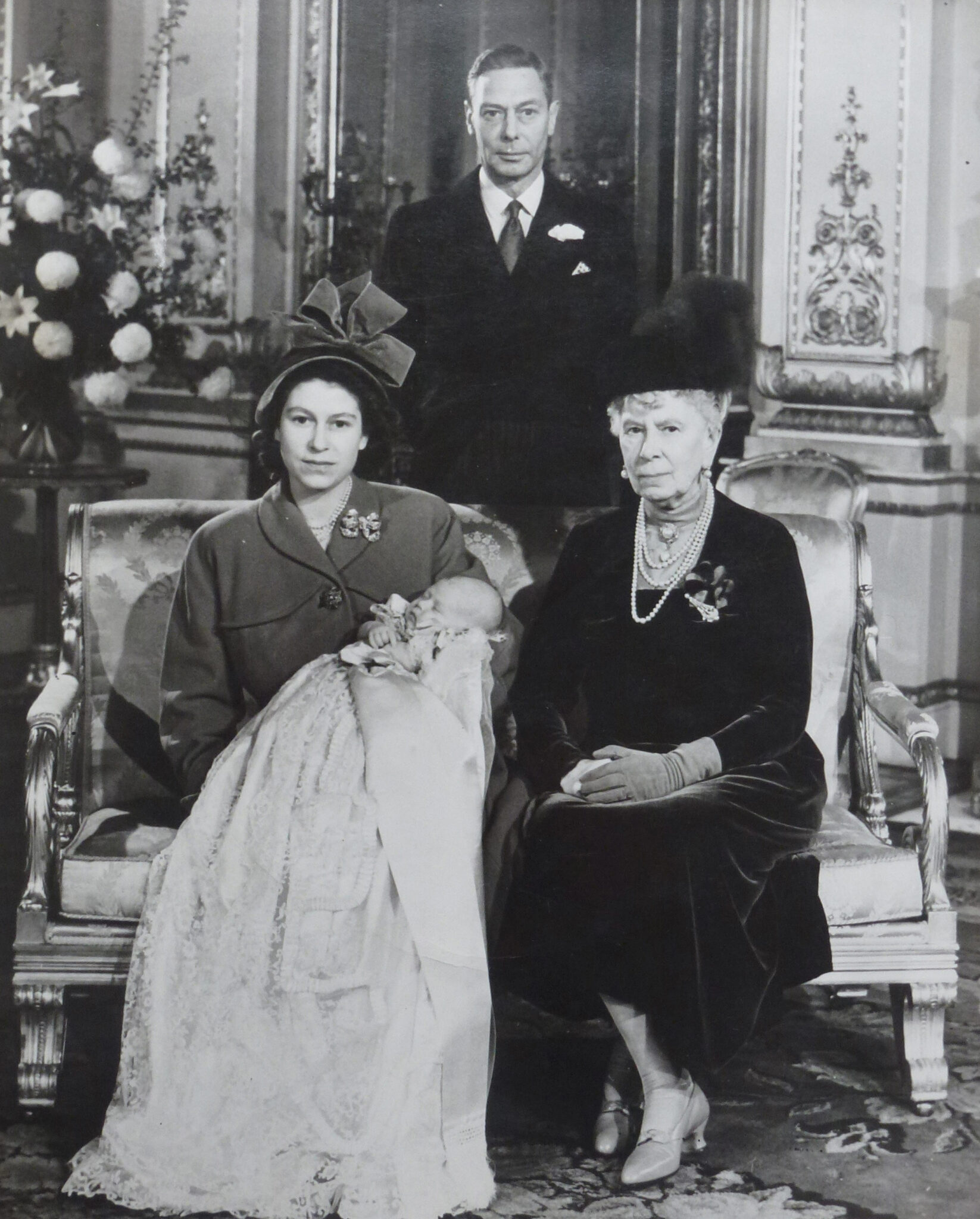
A momentous occasion in royal history is set to unfold as Buckingham Palace prepares to unveil a treasure of unparalleled significance: the iconic royal christening gown, a garment that has graced the infants of generations of British monarchs and royals. For the first time in its storied existence, this delicate silk and lace creation, steeped in nearly two centuries of tradition and worn by 62 royal babies, will be the centerpiece of a major public exhibition. This landmark event marks a profound moment of accessibility to a deeply personal and historically resonant piece of the Royal Family’s heritage.
A Garment Woven Through Royal Lineage
The exquisite christening gown, a testament to 19th-century craftsmanship, was first commissioned in 1840 by Queen Victoria for the baptism of her eldest daughter, Princess Victoria. Created from the finest Spitalfields silk, a fabric originating from the historic weaving district in the East End of London, and adorned with delicate Honiton lace from Devon, the gown was intended not only as a symbol of royal tradition but also as a patronage of British artisans, particularly women working in cottage industries. Queen Victoria’s foresight aimed to bolster these smaller businesses, showcasing their skill and contributing to their economic viability.
This sentiment of nurturing domestic industry echoed through the subsequent generations. The gown’s intricate design, featuring delicate embroidery and a flowing silhouette, became synonymous with royal baptisms. It served as the sacred vestment for the christenings of numerous royal children, witnessing pivotal moments in the lives of those who would go on to shape the nation.
A Poignant Connection to Queen Elizabeth II
The exhibition, titled "Queen Elizabeth II: Her Life in Style," is being held at The King’s Gallery at Buckingham Palace, a location imbued with particular significance. The gallery stands on the site of the former Buckingham Palace Chapel, the very place where the late Queen Elizabeth II herself was christened in 1926. The original chapel was tragically destroyed during the Blitz in World War II, adding a layer of poignant remembrance to the exhibition’s chosen venue. The late Queen’s personal connection to the gown, having worn it herself, further elevates its importance within the context of this centenary celebration of her birth.

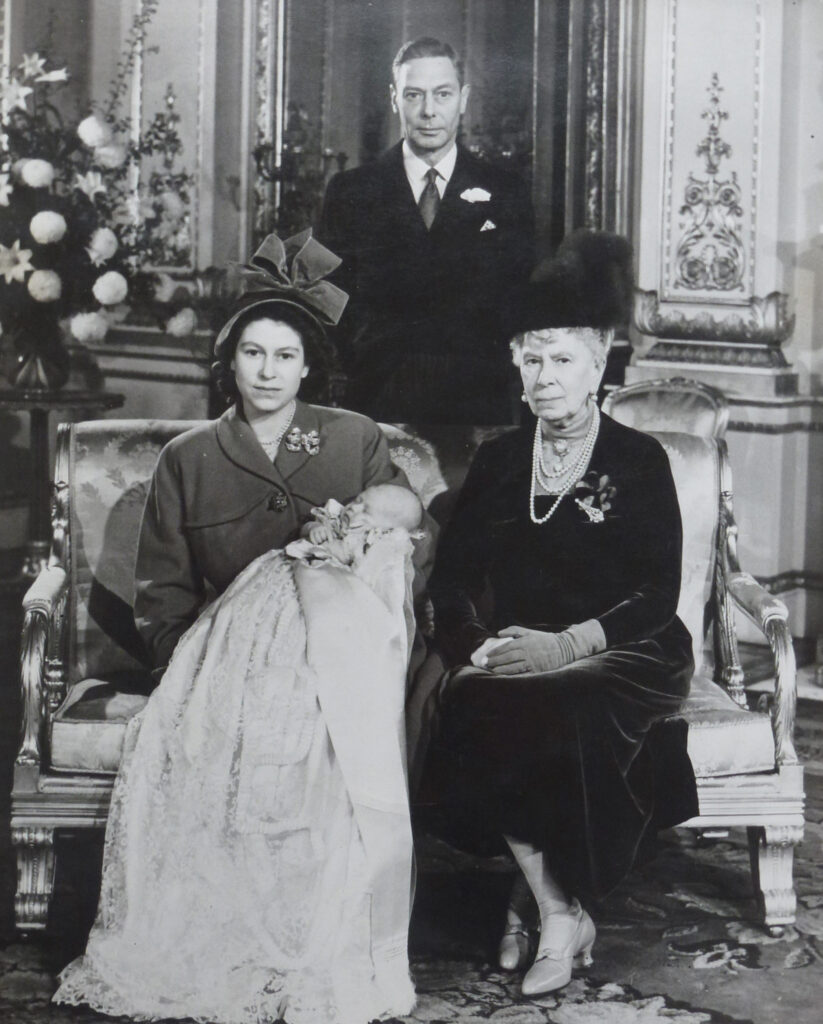
Among the most compelling artifacts to be displayed alongside the gown are Queen Elizabeth II’s own handwritten notes. These meticulous records detail the names of every royal baby christened in the gown, offering an intimate glimpse into the Queen’s dedication to preserving this lineage. Her entries reveal fascinating details, such as King Charles III being recorded as "Prince Charles of Edinburgh" at the time of his baptism in 1948, a subtle but significant reminder of his birth title before his later designations. These personal annotations transform the gown from a historical object into a tangible link to the individuals who wore it and the family that cherished it.
The Evolution of a Royal Tradition: From Original to Replica
The original christening gown served the Royal Family for an impressive 185 years, a remarkable tenure for such a delicate textile. It was last worn in 2004 by Lady Louise Mountbatten-Windsor, the granddaughter of Queen Elizabeth II. By this time, the gown had become too fragile for further use, a testament to its extensive history and the sheer number of royal infants it had enveloped.
Recognizing the profound sentimental and historical value of the original garment, Queen Elizabeth II commissioned an exact replica. This faithful reproduction was meticulously crafted by Angela Kelly, the Queen’s long-serving dressmaker, ensuring that the tradition of christening royal babies in this iconic outfit could continue. The first royal child to wear the replica was James, Earl of Wessex, Lady Louise’s younger brother. Subsequently, Prince George, Princess Charlotte, and Prince Louis, all children of the Prince and Princess of Wales, have continued the tradition by wearing the replica gown at their respective baptisms. This careful preservation and continuation of tradition highlight the monarchy’s deep respect for its heritage and its commitment to passing down these significant symbols to future generations.
A Testament to Craftsmanship and Conservation
The creation of the original gown was a deliberate act of supporting and showcasing British craftsmanship. Queen Victoria’s decree to use Spitalfields silk and Honiton lace was a clear statement of intent, aimed at promoting the skills of weavers and lacemakers, many of whom were women working from their homes. This aspect of the gown’s history underscores a commitment to supporting small-scale industries and celebrating the artistry of British textile production.
The preservation of such a delicate artifact requires immense skill and dedication. Ahead of its public debut, the original gown underwent over 100 hours of meticulous restoration work. Cecilia Oliver, a textile conservator who worked on the gown, described the process as an "honour and a privilege." She noted the exceptional condition of the robe, attributing it in part to careful handling and even discovering a historical note instructing that the gown be washed in natural spring water after use. This practice, likely contributing to its longevity, also speaks to the care and reverence with which the garment was treated.
The restoration efforts focused on addressing minor damages, such as small holes believed to have been caused by the enthusiastic movements of the royal infants within the unfamiliar and voluminous garment. These repairs, while subtle, are crucial in ensuring the gown’s continued preservation for future generations to appreciate. The accompanying bonnet and shawl, also on display, will be presented with their original symbolic motifs representing the United Kingdom.
A Legacy of Monarchs and Future Heirs
The list of royal individuals who have worn the christening gown reads like a roll call of British monarchs and significant figures. Six reigning monarchs have been christened in the original gown: King Edward VII, King George V, King Edward VIII, King George VI, Queen Elizabeth II, and King Charles III. This direct lineage underscores the gown’s central role in the monarchy’s ceremonial life.
Furthermore, the gown has been worn by those destined to lead the nation, including Prince William, the current heir to the throne, who was baptized in the gown at Buckingham Palace in August 1982. The inclusion of these future monarchs in the gown’s history highlights its enduring symbolism of continuity and succession within the British Crown. The exhibition therefore offers a unique opportunity to trace this unbroken chain of royal succession through the visual narrative of this single, remarkable garment.
Exhibition Details and Public Access
The exhibition, "Queen Elizabeth II: Her Life in Style," promises to be a significant draw for royal enthusiasts and history buffs alike. It will be open to the public at The King’s Gallery, Buckingham Palace, from April 10 to October 18, 2026. Tickets are priced at £22 for adults and £11 for children, and can be purchased through the Royal Collection Trust website. This presents a rare opportunity for the public to engage directly with a tangible piece of royal history, offering insights into the traditions, craftsmanship, and personal connections that have shaped the British monarchy. The decision to exhibit the gown, a deeply personal item, signifies a modern approach to royal heritage, making these historically significant artifacts more accessible and fostering a greater understanding of the Royal Family’s enduring legacy. The exhibition is expected to draw significant international attention, underscoring the global fascination with the British Royal Family and their storied past.



 Nila Kartika Wati
 Jia Lissa
 Ana Megawati
 Pevita Pearce
 Joko Widodo