
 Ana Megawati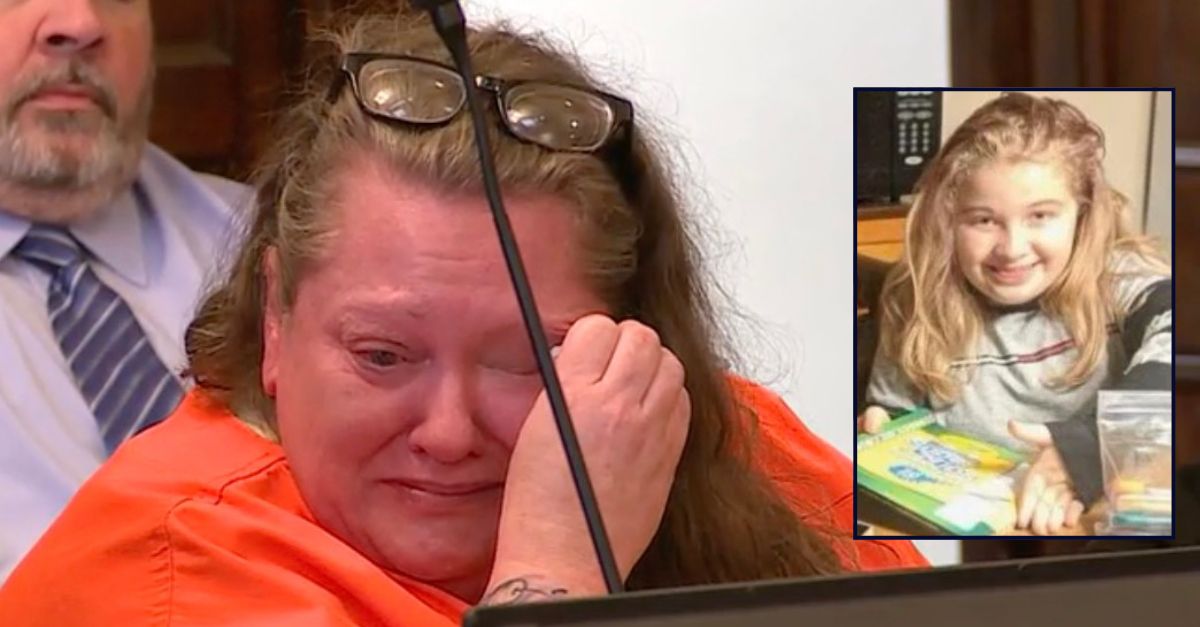
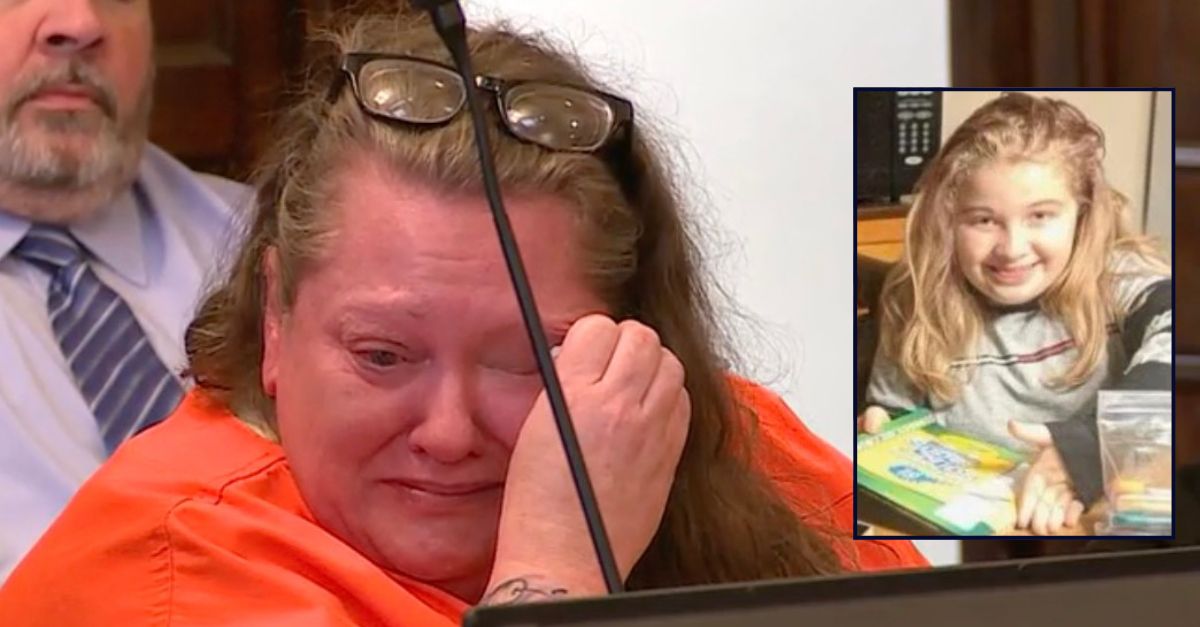
A West Virginia mother, Julie A. Miller, 51, has been sentenced to a minimum of 15 years to life in state prison for the horrific death of her 14-year-old daughter, Kyneddi Miller, who authorities found in an "emaciated" and "skeletal state" within the family’s Boone County home. The grim discovery in April 2024 brought to light years of extreme neglect and isolation, culminating in the child’s agonizing death from starvation.
Boone County Circuit Judge Stacy Nowicki-Eldridge delivered the maximum sentence on Wednesday, February 25, 2026, following Miller’s guilty plea in November to one count of death of a child caused by a parent, guardian, or custodian. While eligible for parole after 15 years, Miller faces an additional 50 years of supervised release upon her potential release, underscoring the severity with which the court viewed her actions and the tragic consequences for her daughter. This landmark sentencing sends a clear message about accountability for profound child neglect that results in fatality.
A Daughter’s Tragic End: The Discovery
The horrifying reality of Kyneddi Miller’s final days began to unfold on the morning of April 17, 2024. Deputies from the Boone County Sheriff’s Office and emergency medical personnel responded to a distressing call regarding a juvenile female in cardiac arrest at a residence on the 400 block of Cameo Road in Morrisvale, approximately 30 miles southwest of Charleston. The home was shared by Kyneddi, her mother Julie, and her grandparents, Jerry and Donna Stone.
Upon their arrival, first responders were met with a scene of unimaginable horror. Kyneddi was found lying motionless on a foam pad in one of the home’s bathrooms. Her condition was immediately described as "shocking," with an "obvious emaciated, skeletal state." She was pronounced dead at the scene. Initial assessments indicated that Kyneddi had likely been deceased for several days, possibly four to five, before her body was discovered, according to Boone County Prosecuting Attorney Dan Holstein during an August 2024 court hearing. The sheer visual impact of Kyneddi’s body was so profound that even seasoned law enforcement and medical professionals expressed deep distress. The image conveyed by authorities painted a picture of extreme suffering that shocked even those accustomed to dealing with traumatic events.
A Chronicle of Neglect: The Years Leading Up
The investigation that followed the discovery of Kyneddi’s body began to peel back layers of a life characterized by profound isolation and a complete absence of care. It quickly became apparent that Kyneddi’s death was not a sudden tragedy but the culmination of years of systemic neglect.
According to statements made to investigators by Kyneddi’s grandmother, Donna Stone, the 14-year-old had not attended school for approximately four or five years. More disturbingly, Donna Stone recounted that Kyneddi had only left the Cameo Road home and gone outside about two times in the entirety of those four years. This stark detail paints a picture of a child living in almost total seclusion, cut off from the outside world, from peers, and from any potential avenues for intervention or support.
Julie Miller reportedly began homeschooling Kyneddi in February 2021. The stated reason for this decision, as revealed in an email Miller sent to officials with the Boone County School District, was a concern about Kyneddi contracting COVID-19 and potentially spreading it to her elderly grandparents, Donna and Jerry Stone, who also resided in the home. While concerns about public health were prevalent during that period, the subsequent revelations about Kyneddi’s condition suggest that the homeschooling arrangement became a cover for an escalating pattern of severe neglect, effectively isolating the child from any external scrutiny or mandatory reporting mechanisms that public schooling might have provided.
Further interviews revealed that Kyneddi had not seen a doctor in approximately four or five years, mirroring the timeline of her isolation and lack of formal education. Donna Stone also claimed that Kyneddi suffered from an eating disorder and was incapable of functioning on her own for several days before her death. While an eating disorder can be a complex medical condition requiring professional intervention, the complete absence of medical care for years, coupled with Kyneddi’s emaciated state, points to a deliberate failure to address her deteriorating health. The extent of Kyneddi’s physical decline, leading to a "skeletal state," indicates a prolonged period of severe malnourishment that should have been evident to anyone living in the household.
The Legal Proceedings: Co-defendants and Ongoing Cases
The legal repercussions of Kyneddi’s death extend beyond Julie Miller. Her grandparents, Jerry Stone and Donna Stone, who shared the residence, were also charged in connection with their granddaughter’s death. Each faces one count of felony neglect by a parent or guardian.
The legal paths for the grandparents have diverged. A judge found Jerry Stone incompetent to stand trial, indicating a determination that he lacks the mental capacity to understand the proceedings or assist in his own defense. This finding often results in a suspension of criminal proceedings, with the individual potentially being committed to a mental health facility until competency can be restored, if ever.
Donna Stone’s case, however, is moving forward. Her trial is currently scheduled to commence on March 17, 2026. Her testimony and any evidence presented in her trial are expected to shed further light on the dynamics within the household and the roles each adult played – or failed to play – in Kyneddi’s care. The ongoing nature of these trials underscores the collective failure to protect Kyneddi and highlights the legal system’s efforts to hold all responsible parties accountable for their alleged contributions to the child’s tragic demise.
Judicial and Prosecutorial Perspectives
The sentencing hearing for Julie Miller was marked by powerful and emotional statements from both the bench and the prosecution, reflecting the profound impact of this case.
Judge Stacy Nowicki-Eldridge did not mince words in her condemnation of Miller’s actions. "This child literally starved to death," the judge stated, according to a report from The Associated Press. "No child should ever have to go through that." Her remarks underscored the brutality and preventability of Kyneddi’s death, emphasizing the fundamental duty of a parent to provide sustenance and care. The judge’s statement reflected not just a legal judgment but a moral one, articulating the horror felt by the court at the suffering inflicted upon a vulnerable child.
Boone County Prosecuting Attorney Dan Holstein also conveyed the unprecedented nature of the case, even for a seasoned prosecutor. "I was an assistant prosecutor in Kanawha County and saw a lot of shootings, a lot of killings, and a lot of graphic images, but seeing this was just a completely different thing," Holstein remarked, as reported by West Virginia Metro News. He spoke personally, as a father and grandfather, expressing profound disbelief and anguish. "I cannot imagine how someone gets to the point that you allow your child to get like that, so emaciated, and you don’t even bother to get help. You just let them die." Holstein’s testimony highlighted the unique horror of death by starvation and neglect, contrasting it with other violent crimes where the intent to harm is often immediate and explicit. Here, the harm was protracted, agonizing, and resulted from a systematic withdrawal of basic human necessities.
In stark contrast to these condemnations, Julie Miller herself addressed the court, reportedly stating that she "loved every second" she had with her daughter. This statement, while brief, stood in chilling opposition to the overwhelming evidence of severe neglect and abuse that led to Kyneddi’s death. Such a disparity between outward expression and proven actions often leaves observers questioning the defendant’s grasp of reality or her capacity for genuine remorse.
Societal Implications and Calls for Vigilance
The case of Kyneddi Miller reverberates far beyond the courtroom in Boone County, prompting serious questions about child welfare, community vigilance, and the oversight of children in isolated environments. Her death serves as a stark reminder of the devastating consequences when the most basic needs of a child are neglected, and when protective systems fail to intervene.
One significant implication relates to the issue of homeschooling. While homeschooling offers legitimate educational alternatives for many families, cases like Kyneddi’s highlight potential vulnerabilities in oversight, particularly when children are withdrawn from traditional school settings. Public schools often serve as a crucial first line of defense against child abuse and neglect, as teachers and staff are mandated reporters who regularly interact with children and can observe signs of distress or malnourishment. When a child is homeschooled, these regular interactions with mandated reporters are removed, placing a greater burden on parents and, by extension, requiring more robust oversight mechanisms from state and local authorities to ensure the child’s well-being. The initial stated reason for homeschooling Kyneddi – fear of COVID-19 transmission to elderly relatives – while understandable in its context, ultimately facilitated her isolation and prevented any external adult from witnessing her deteriorating condition for years.
The extreme isolation Kyneddi experienced also raises concerns about community awareness and the "silent victims" of severe neglect. In cases where children are rarely seen outside their homes, neighbors, extended family, or even casual acquaintances may have few opportunities to notice red flags. This underscores the critical importance of community members remaining vigilant and understanding their role in reporting suspected child abuse or neglect to child protective services. Every report, even if it seems minor, can be a piece of a larger puzzle that helps save a child’s life.
The Broader Context of Child Welfare
Child neglect is the most common form of child maltreatment, encompassing a failure to provide for a child’s basic physical and emotional needs. While physical abuse often garners immediate attention due to visible injuries, neglect can be a more insidious form of harm, leading to chronic health problems, developmental delays, and, in severe cases like Kyneddi’s, death. The long-term effects of severe starvation and neglect are catastrophic, impacting not only physical health but also cognitive development, emotional regulation, and social skills. For Kyneddi, these effects were ultimately fatal.
The legal framework for prosecuting child neglect causing death is designed to hold guardians accountable for extreme failures in care. The "death of a child caused by a parent, guardian, or custodian" charge reflects the highest level of culpability for such neglect. Sentences like Julie Miller’s, which include a life component, reflect society’s condemnation of such severe breaches of parental duty and serve as a deterrent.
Cases of fatal child neglect often prompt scrutiny of child protective services (CPS) and their capacity to identify and intervene in high-risk situations. While the article does not detail any prior CPS involvement, Kyneddi’s extreme isolation for years suggests a potential lack of external contact points that would trigger a report. The challenges faced by child welfare agencies are immense, often balancing privacy rights with the imperative to protect children, and operating with limited resources. Kyneddi’s case underscores the critical need for continuous evaluation and strengthening of child protection systems, including public awareness campaigns, accessible reporting mechanisms, and robust follow-up protocols for families with reported concerns.
Conclusion and Outlook
The sentencing of Julie A. Miller marks a significant, albeit tragic, milestone in the legal proceedings surrounding Kyneddi Miller’s death. It provides a measure of justice for a young life brutally cut short by unimaginable neglect. However, the legal journey is not yet complete, with Donna Stone’s trial slated for next month, which may reveal further details about the household’s dynamics and responsibilities.
Kyneddi Miller’s story stands as a haunting testament to the hidden dangers of severe neglect and the critical importance of a vigilant society. Her death underscores the collective responsibility to protect the most vulnerable among us and to ensure that no child suffers in silence, isolated from the care and attention they deserve. As the legal proceedings continue, the memory of Kyneddi serves as a poignant call to action for improved child welfare, stronger community networks, and unwavering commitment to safeguarding every child’s right to life and dignity.



 Yuyun Lusiyani
 Pevita Pearce
 Eva Lovia
 Nila Kartika Wati
 Jia Lissa