
 Yuyun Lusiyani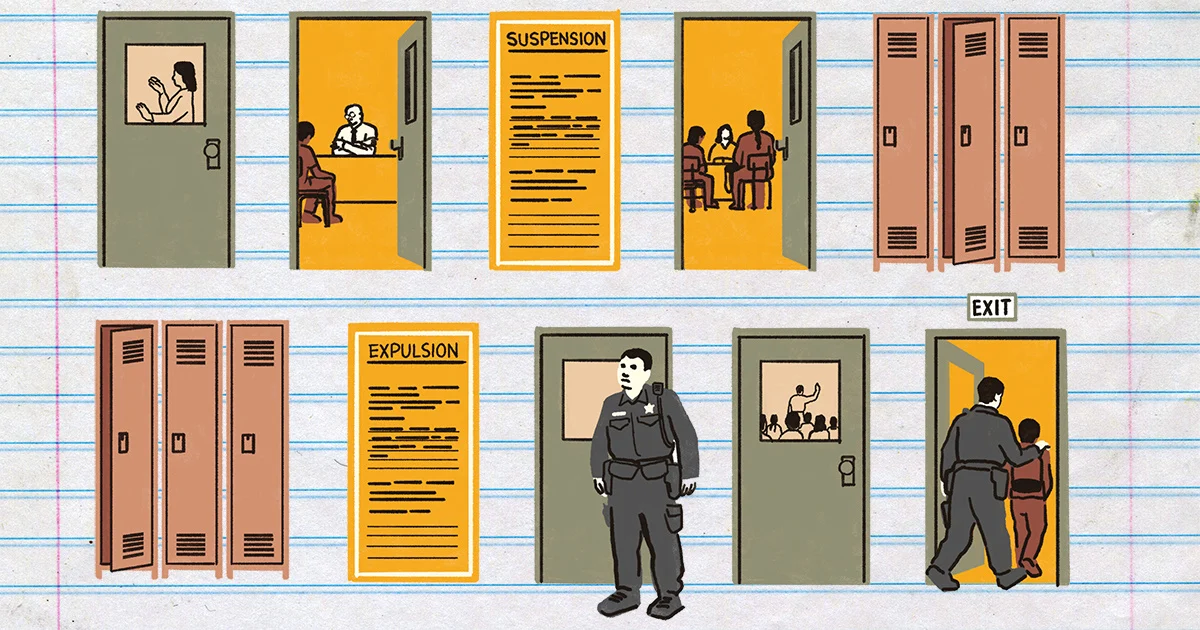
A new report released last week by the Navajo Nation Human Rights Commission (NNHRC) has unveiled a deeply troubling landscape within one of New Mexico’s largest school districts, alleging pervasive discrimination and a palpable climate of fear endured by Navajo students. The comprehensive 25-page document, which draws heavily on emotional testimony from parents and community members, paints a stark picture of systemic inequities in the Gallup-McKinley County School District (GMCSD), prompting urgent calls for intervention from state authorities and a renewed push for robust civil rights legislation.
The Navajo Nation Human Rights Commission’s Damning Findings
The NNHRC’s report, based on four public hearings held in September and October within Navajo Nation communities served by the GMCSD, details a range of grievances from families and students. Witnesses described experiences of unduly harsh discipline, significant language barriers that impede educational access and parent involvement, discriminatory hiring practices that fail to reflect the student body’s demographics, inadequacies in special education plans, and even basic infrastructure failures such as insufficient classroom heating systems.
Wendy Greyeyes, chair of the commission and an associate professor of Native American studies at the University of New Mexico, highlighted the profound emotional toll these issues have taken. She recounted how some witnesses broke down in tears during the hearings, gripped by a pervasive fear of retaliation from the district should their testimony become known. This climate of intimidation was so profound that many parents felt compelled to speak on behalf of their children, who were too afraid to testify themselves. The transcripts of this sensitive testimony were deliberately not released publicly to protect the identities of those who bravely came forward.
The commission’s findings are not isolated; they build upon a growing body of evidence suggesting deep-seated problems within the GMCSD. The report explicitly referenced a December 2022 investigation by New Mexico In Depth and ProPublica, which had previously exposed that Indigenous students across New Mexico faced disproportionately harsher punishments than their non-Indigenous peers during the four-year period ending in 2020. Crucially, that analysis identified the Gallup-McKinley district, which serves the largest Indigenous student body of any local school district in the United States, as largely responsible for this alarming statewide disparity. This earlier investigative journalism served as a significant catalyst, prompting New Mexico Attorney General Raúl Torrez to open his own investigation into the district’s disciplinary practices in 2023.
Chronology of Investigations and Mounting Evidence
The timeline of scrutiny into GMCSD’s practices underscores a pattern of persistent concerns.
- December 2022: New Mexico In Depth and ProPublica publish their extensive investigation, revealing systemic discipline disparities for Indigenous students statewide, with GMCSD being a primary driver of these disparities. The report details how Native students were often disciplined for minor infractions that non-Native students might overlook or receive lesser consequences for, contributing to higher rates of suspensions, expulsions, and referrals to law enforcement.
- Early 2023: Following the investigative report, Attorney General Raúl Torrez announces an official investigation into the Gallup-McKinley County School District’s disciplinary policies and practices. This investigation aims to ascertain the extent of discrimination and identify potential violations of state or federal law.
- September-October 2023: The Navajo Nation Human Rights Commission conducts its series of four public hearings across Navajo Nation communities within the GMCSD. These hearings provide a crucial platform for direct testimony from students, parents, and community members, documenting firsthand accounts of alleged discrimination, language barriers, inadequate services, and a prevailing atmosphere of fear.
- Last Week (prior to article publication): The NNHRC releases its 25-page report, synthesizing the testimony and findings from its hearings. The report issues strong recommendations, including a formal agreement between the Navajo Nation and GMCSD, the adoption of restorative justice practices, a comprehensive financial audit of district spending, and improved data tracking by the state.
- Wednesday (prior to article publication): Lauren Rodriguez, Chief of Staff for Attorney General Torrez, publicly confirms that the AG’s office’s two-and-a-half-year "exhaustive" investigation into GMCSD is complete. She states that the investigation has indeed uncovered "troubling disciplinary practices" within the district.
Throughout this period, the GMCSD leadership has faced consistent questions. Former longtime Superintendent Mike Hyatt had previously downplayed the severity of discipline issues faced by Native students, often attributing perceived disparities to poor data collection rather than systemic bias. This stance highlighted a potential disconnect between district administration and the lived experiences of its Indigenous student population.
The Attorney General’s Findings and Legal Hurdles
While the Attorney General’s office confirmed its findings of "troubling disciplinary practices," a significant legal challenge has emerged. Lauren Rodriguez indicated that the agency’s investigation calls for the New Mexico Public Education Department (PED) to enforce student discipline data reporting requirements more rigorously and to improve the tracking of this critical information. However, the AG’s office also conveyed to New Mexico In Depth that, despite its conclusive findings, it is currently unclear under existing state law whether the office possesses the explicit authority to "pursue formal legal action against the district for this particular conduct."
This ambiguity stems from the limitations of the New Mexico Civil Rights Act. While the Act empowers private individuals to sue public bodies for violations of the state constitution, it does not explicitly grant the Attorney General broad authority to investigate and prosecute public bodies for systemic inequities, unlike the powers afforded to the federal Department of Justice. This legislative gap has been a point of contention for Attorney General Torrez, who has actively advocated for comprehensive state civil rights legislation since 2023.
In 2023, a bill aimed at addressing this very issue garnered bipartisan support in the New Mexico Legislature. The proposed legislation would have significantly expanded the Attorney General’s authority, enabling the office to investigate state or local agencies for systemic civil rights violations. However, Governor Michelle Lujan Grisham ultimately killed the bill with a pocket veto. While the Governor did not issue a formal statement at the time, she indicated that the bill, though "well-intentioned," would "create confusion" and that "much of the work outlined in the legislation can be undertaken by the AG regardless of whether or not the bill is signed." Attorney General Torrez, in response, maintained that while his office might possess implied authority for such cases, having it "enshrined in law would have made it crystal clear." His spokesperson affirmed that the Attorney General remains steadfast in his commitment to seeing such crucial legislation passed.
Systemic Issues and Historical Context
The problems identified within GMCSD are deeply rooted in historical and systemic issues impacting Indigenous communities. As Wendy Greyeyes eloquently stated, these issues are "rooted in colonization" and "institutional racism." New Mexico, with its rich Indigenous heritage, has a complex history regarding the education of Native American children. From the era of forced assimilation through boarding schools to ongoing challenges in culturally relevant education, the legacy of these policies continues to manifest in various forms, including disciplinary disparities.
The Gallup-McKinley County School District, situated in a region with a significant Navajo population, serves a student body where Indigenous students constitute a supermajority. According to recent demographic data, over 70% of GMCSD students identify as Native American, predominantly Navajo. This demographic reality makes the findings of discrimination particularly egregious, as it suggests that the very institution meant to serve and educate these children is failing to provide an equitable and safe environment.
Beyond the disciplinary issues, the broader concerns raised by the NNHRC—language barriers, discriminatory hiring, and inadequate special education—point to a fundamental lack of cultural competency and systemic support within the district. Language barriers, for instance, can prevent parents from actively participating in their children’s education and understanding school policies, while simultaneously isolating students who may not be proficient in English. Discriminatory hiring practices can perpetuate a cycle where few Indigenous educators or administrators are present, further alienating Native students and hindering the development of culturally sensitive curricula and support systems.
The Public Education Department (PED) also comes under scrutiny. Greyeyes pointed out that the PED "should have caught the discipline disparities in the data it collects from districts," suggesting "there’s obviously not a clear auditing of data that’s being collected." This lack of oversight from the state education authority allows problematic practices to persist unchecked, highlighting a broader systemic failure to ensure accountability and equity across New Mexico’s school districts.
Recommendations for Change and the Path Forward
The NNHRC report outlines several key recommendations aimed at fostering a more equitable and just educational environment within GMCSD. Central among these is the call for a formal agreement between the Navajo Nation and the school district to adopt a discipline policy based on restorative justice principles. Restorative justice is an approach that focuses on repairing harm and rebuilding relationships, rather than simply punishing the student who caused the harm. It seeks to understand the root causes of misbehavior and involve all affected parties in finding solutions that promote healing and accountability. Greyeyes cited successful models, such as the talking-circles programs at New Mexico’s Cuba Independent School District and the STAR School east of Flagstaff, Arizona, on the Navajo Nation, as examples that GMCSD could emulate.
Further recommendations include a comprehensive state financial audit of the district’s spending, specifically comparing allocations for Native education with those for other students. This audit would shed light on potential disparities in resource distribution and ensure that funds intended for Indigenous student support are being utilized effectively and equitably. The report also reiterates the urgent need for the state education department to improve its management and tracking of student discipline data, ensuring transparency and accountability in reporting.
Reactions and Broader Implications for Education Equity
The Gallup-McKinley County School District has remained notably silent in the face of the Navajo Nation Human Rights Commission’s report. Voice messages and emails seeking comment from the district went unanswered, a silence that further underscores the concerns about transparency and accountability raised by the NNHRC and the Attorney General’s office.
The ongoing struggle for civil rights legislation in New Mexico holds significant implications for the future of education equity. If the Attorney General’s office is unable to pursue legal action against districts found to be engaging in systemic discrimination, it severely limits the state’s capacity to protect its most vulnerable students. Attorney General Torrez’s continued commitment to seeing such legislation passed indicates a recognition of this critical gap and the need for stronger legal tools to enforce civil rights.
Ultimately, the issues brought to light by the NNHRC report and the Attorney General’s investigation are not merely administrative challenges; they are fundamental questions of justice, equity, and human rights. The pervasive fear of retaliation described by parents and students is a potent indicator of a system where power imbalances are deeply entrenched, and trust is severely eroded.
As Wendy Greyeyes articulated, "It’s our kids, our students, who are suffering the consequences of entrenched racism." The report’s recommendations, she hopes, "begin that conversation" necessary to confront these deeply rooted problems. Addressing these challenges will require not only policy changes and improved oversight but also a profound cultural shift within the educational system—one that prioritizes the dignity, well-being, and educational success of all students, particularly those from historically marginalized communities. The outcome of this ongoing dialogue and the state’s response will undoubtedly shape the educational landscape for Navajo students and all Indigenous children in New Mexico for generations to come.



 Joko Widodo
 Eva Lovia
 Pevita Pearce
 admin
admin
 Lina Irawan