
 admin
admin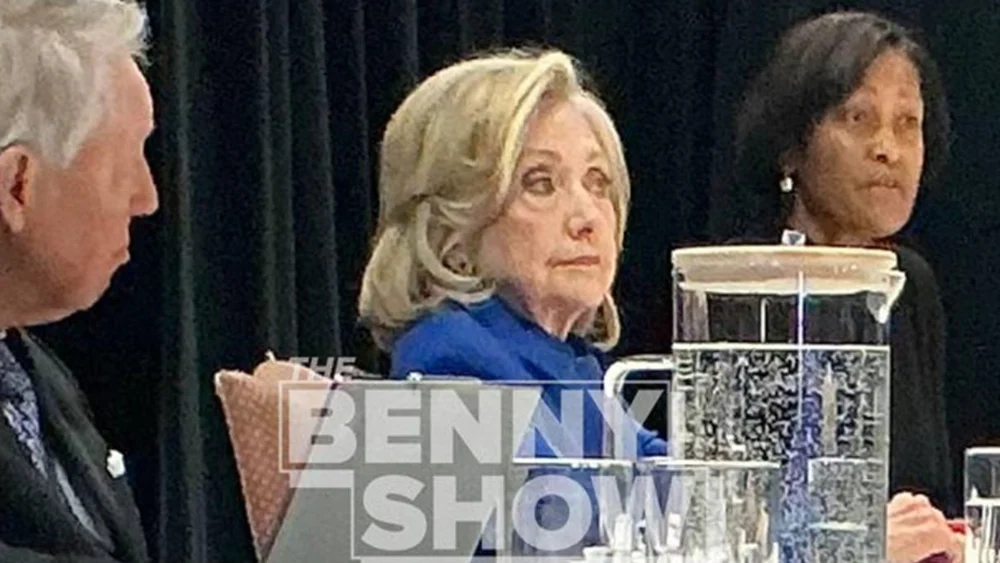
A significant breach of protocol occurred on February 26, 2026, when the first unauthorized photograph from inside Hillary Clinton’s closed-door testimony before the House Oversight Committee regarding Jeffrey Epstein was leaked, immediately sparking controversy and temporarily halting the high-stakes proceedings. The image, widely disseminated by conservative political commentator Benny Johnson and attributed to Republican Colorado Congresswoman Lauren Boebert, offered a rare glimpse into the confidential legal process, underscoring the intense public and political scrutiny surrounding the ongoing Epstein investigations.
The Confidential Testimony and Key Denials
Hillary Clinton, the former First Lady, Secretary of State, and presidential candidate, appeared before the House Oversight Committee under oath to provide testimony concerning her knowledge of the late financier and convicted sex offender Jeffrey Epstein. The session, held in a purportedly secure environment, was intended to gather information as part of a broader congressional inquiry into Epstein’s extensive network of influential contacts and the circumstances surrounding his crimes.
Early reports from within the hearing indicated that Clinton had delivered a vigorous opening statement, during which she reportedly criticized the House Oversight Committee. Sources close to the proceedings suggested she viewed the committee’s focus on her as a politically motivated diversion, aimed at distracting from allegations concerning President Donald Trump’s past associations with Epstein and the wider implications of the Epstein Files. This assertion immediately set a contentious tone for the testimony, highlighting the partisan undercurrents often present in such high-profile congressional inquiries.
Crucially, Clinton reportedly asserted to the panel that she did not recall ever having met Epstein. This claim, if accurate, would stand as a significant denial amidst persistent public speculation and scrutiny surrounding Epstein’s connections to prominent political figures. The nature of these "recalls" or "lack thereof" often becomes a central point of contention in legal and political testimonies, particularly when dealing with events stretching back years or decades. Such statements are made under oath, carrying potential legal ramifications if later proven to be false.
The Unauthorized Leak: A Glimpse Inside and Its Immediate Repercussions
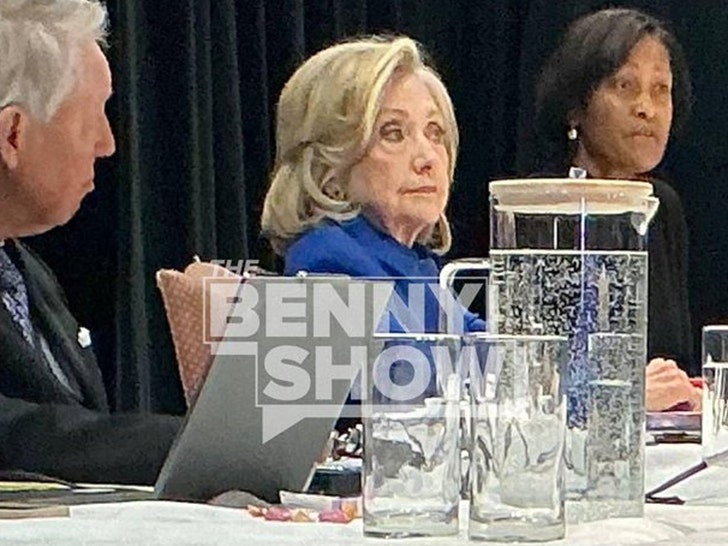
The leaked photograph, which quickly circulated across social media platforms, depicted Hillary Clinton seated at a table, dressed in a blue suit, appearing composed. She was flanked by several individuals, presumably legal counsel or committee staff, with a large jug of water and glasses visible on the table before her – a common fixture in lengthy testimonial sessions. The image itself, while seemingly innocuous in its content, became the epicenter of a fresh controversy due to the strict rules governing such confidential proceedings.
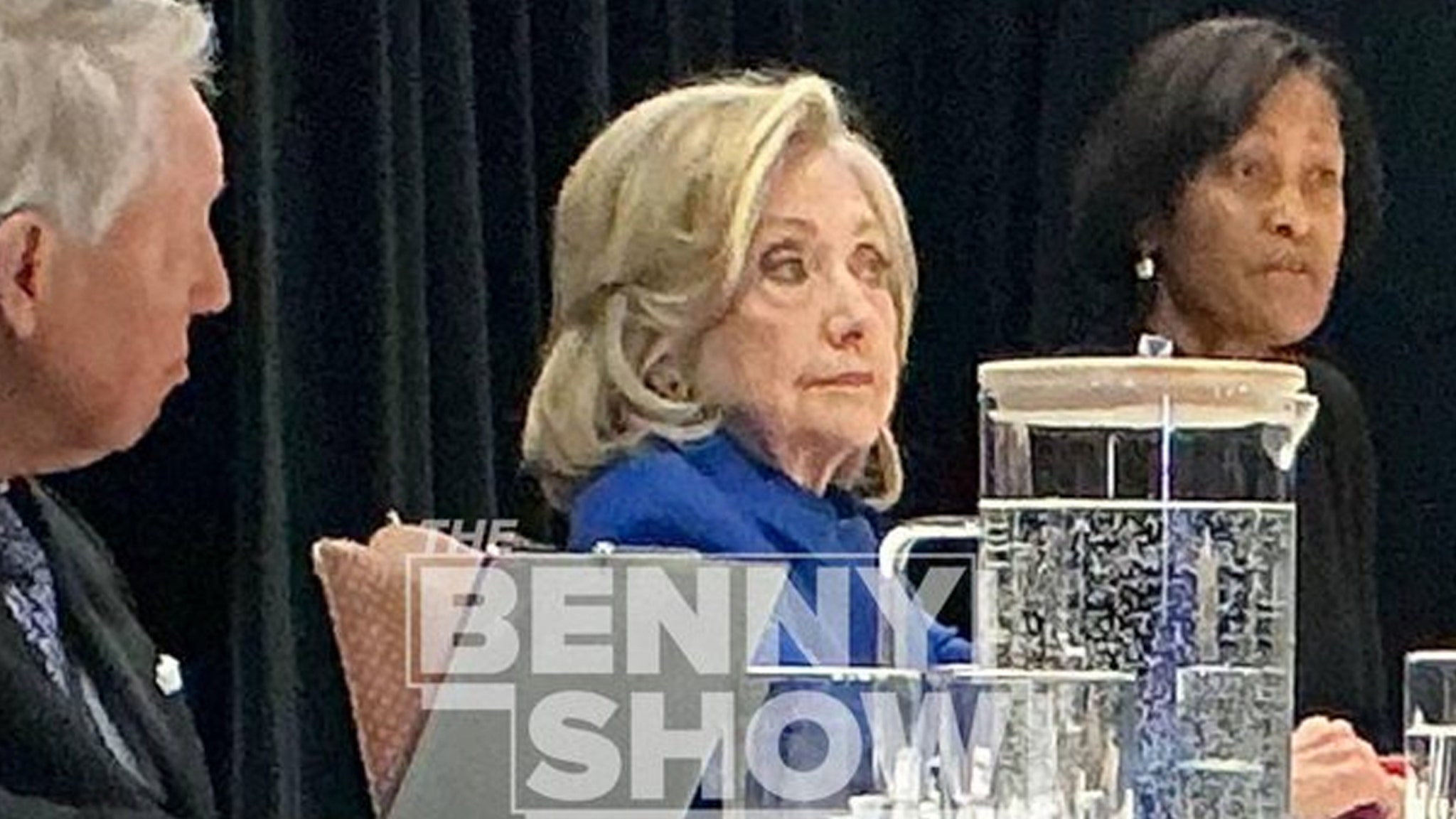
Benny Johnson, a prominent conservative commentator and podcaster, was the first to publicly share the image, stating it had been provided to him by Congresswoman Lauren Boebert. The explicit identification of a sitting member of Congress as the source of a leaked photograph from a closed-door congressional testimony immediately escalated the incident from a simple security breach to a potentially serious ethical and procedural violation.
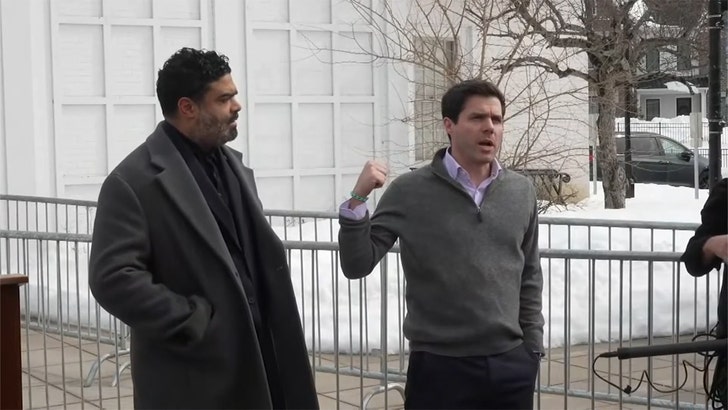
The repercussions were swift. Outside the hearing room, a representative identified as an advisor to former President Bill Clinton addressed the press, confirming that the hearing had been briefly paused to address the photo leak. The advisor explicitly stated that the act of photographing and disseminating material from within the chamber was "against chamber rules," signaling the gravity with which the breach was being treated by those involved in the proceedings. Such rules are in place to ensure the integrity of testimony, protect the privacy of witnesses, and prevent undue influence or sensationalism during sensitive investigations. Violations can lead to internal disciplinary actions, fines, or even more severe consequences depending on the specific rules of the House and the nature of the breach.
A Deep Dive into the Epstein Scandal: A Troubling Timeline
To fully understand the context of Hillary Clinton’s testimony and the significance of the leaked photo, it is essential to revisit the labyrinthine saga of Jeffrey Epstein. His criminal activities and the subsequent investigations have captivated global attention for years, revealing a network of power, privilege, and depravity.
Jeffrey Epstein, a high-flying financier with an opaque background, cultivated relationships with some of the world’s most influential figures across politics, finance, entertainment, and academia. His initial downfall came in 2008 when he pleaded guilty to state charges of soliciting prostitution from a minor in Florida, receiving a controversial plea deal that many considered unduly lenient. This agreement, brokered with then-U.S. Attorney Alexander Acosta, allowed Epstein to avoid federal charges and served significantly less time than his crimes warranted, sparking widespread outrage years later.
For a decade following his initial conviction, Epstein largely operated out of the public eye, though whispers and investigative reports continued to circulate about his activities. The scandal reignited with ferocity in 2019 when federal prosecutors in New York, led by then-U.S. Attorney Geoffrey Berman, unsealed a new indictment, charging Epstein with sex trafficking of minors. His subsequent arrest in July 2019 led to a public outcry and renewed scrutiny of all his associates. Epstein was found dead in his jail cell in August 2019, ruled a suicide, though this finding has been met with considerable public skepticism and fueled numerous conspiracy theories.
His death, however, did not halt the investigations. Rather, it intensified the focus on his alleged co-conspirators and the high-profile individuals who had associated with him. Ghislaine Maxwell, Epstein’s longtime associate, was arrested in 2020 and subsequently convicted in 2021 for her role in sex trafficking young girls alongside Epstein. The legal proceedings surrounding Maxwell, along with civil lawsuits brought by Epstein’s victims, led to the unsealing of numerous documents, including depositions and witness lists, collectively referred to as the "Epstein Files." These documents revealed a constellation of powerful names, prompting public and congressional demands for accountability and further investigation into who knew what, and when.
The House Oversight Committee’s Mandate and Political Dynamics
The House Oversight Committee, one of the most powerful investigative bodies in the U.S. Congress, plays a critical role in scrutinizing government operations, waste, fraud, and abuse. Its mandate often extends to investigating matters of significant public interest, particularly when they involve high-profile individuals or potential abuses of power. The committee’s decision to call Hillary Clinton for testimony underscores the continued political and public pressure to fully understand Epstein’s network and any potential complicity or knowledge among his associates.
Congressional testimonies, especially those conducted behind closed doors, are sensitive affairs. They are designed to allow committee members to gather information without the immediate glare of public cameras, theoretically encouraging more candid responses. However, they are also inherently political. Members of Congress often use these platforms to advance their party’s agenda, investigate perceived wrongdoings by political opponents, or champion causes important to their constituents.
Hillary Clinton’s reported accusation that the committee was using her testimony to deflect attention from President Trump’s connections to Epstein speaks to this underlying political dynamic. Trump himself has faced scrutiny for his past association with Epstein, having been photographed with him on multiple occasions. The "Epstein Files" have become a political football, with both sides of the aisle eager to highlight the connections of their opponents to the disgraced financier, often overshadowing the core issue of justice for victims. The committee’s inquiry, therefore, navigates a complex landscape of legal fact-finding, public demand for transparency, and partisan maneuvering.
Procedural Safeguards and the Implications of the Leak
Closed-door testimonies, often referred to as depositions when part of a legal proceeding, operate under stringent rules to maintain confidentiality and ensure the integrity of the process. Participants, including witnesses, legal counsel, and committee staff, are typically prohibited from bringing electronic devices capable of recording or transmitting images or audio. The purpose of these rules is multi-faceted: to prevent witness intimidation, protect sensitive information, avoid undue media sensationalism that could prejudice future proceedings, and ensure that all evidence is presented through official channels.
The leak of Hillary Clinton’s photo is a direct violation of these established protocols. The immediate consequence, as reported, was the temporary halt of the proceedings, indicating the seriousness with which the committee viewed the breach. Beyond the immediate disruption, such a leak raises several critical questions:
- Security Failure: How was a device capable of taking and transmitting photos brought into a supposedly secure environment? This points to a potential lapse in security protocols for high-profile testimonies.
- Accountability of the Leaker: If Congresswoman Lauren Boebert did indeed transmit the photo, she could face severe consequences, including censure, removal from committee assignments, or other disciplinary actions by the House Ethics Committee. Deliberately undermining the integrity of congressional proceedings is a serious offense.
- Impact on Future Testimonies: Will this incident make other high-profile witnesses less willing to cooperate in closed-door sessions, fearing similar breaches of confidentiality? It could force committees to adopt even stricter, potentially more obstructive, security measures.
- Public Perception: While the public often desires transparency, unauthorized leaks can also be seen as undermining the judicial or investigative process, turning serious inquiries into political spectacles.
The Clintons and Epstein: A History of Persistent Scrutiny
The connection between Jeffrey Epstein and the Clinton family, particularly Bill Clinton, has been a subject of intense public and media scrutiny for years. Records and flight logs revealed that Bill Clinton had flown on Epstein’s private jet, nicknamed "Lolita Express" by the media, on multiple occasions in the early 2000s, long after Epstein’s patterns of alleged abuse were reportedly known to some. Bill Clinton’s representatives have consistently stated that he was unaware of Epstein’s criminal activities and that his interactions were limited to philanthropic endeavors.
Hillary Clinton, however, has maintained a more distant posture. Her reported statement to the House Oversight Committee that she did not recall ever meeting Epstein is consistent with her public stance. Nevertheless, the public’s enduring fascination with Epstein’s network means that any high-profile individual with even tangential connections will face intense questioning. The committee’s decision to call Hillary Clinton suggests they believe she may possess information relevant to understanding the broader scope of Epstein’s operations or his connections to political power structures.
The scrutiny extends beyond direct contact. The vast sums of money Epstein managed and his influence in various circles raise questions about how his wealth and connections might have intersected with political fundraising or other activities of powerful figures, even if indirectly.
Looking Ahead: Bill Clinton’s Upcoming Testimony
The controversy surrounding Hillary Clinton’s testimony and the leaked photo serves as a prelude to another highly anticipated event: Bill Clinton’s scheduled appearance before the same House Oversight Committee. His testimony, slated for the day after Hillary’s, is expected to draw even greater public and media attention, given his more direct and documented interactions with Epstein.
Bill Clinton will likely face questions regarding his flights on Epstein’s jet, the nature of their relationship, any knowledge he might have had of Epstein’s activities, and the individuals he might have encountered through Epstein. His testimony will undoubtedly be parsed for any discrepancies or new revelations, adding another chapter to the ongoing, politically charged investigation. The committee will be under immense pressure to maintain the integrity of his testimony, particularly in light of the security breach that marred his wife’s appearance.
Conclusion: A Confluence of Law, Politics, and Public Demand
The leak of Hillary Clinton’s testimony photo on February 26, 2026, encapsulates the complex and often volatile intersection of legal processes, political maneuvering, and insatiable public demand for transparency in the Jeffrey Epstein saga. What began as a confidential congressional inquiry quickly devolved into a flashpoint of controversy, raising serious questions about security protocols, congressional ethics, and the partisan weaponization of high-profile investigations.
Hillary Clinton’s reported denial of ever meeting Epstein, coupled with her accusation of political distraction, highlights the ongoing battle over narrative control surrounding the Epstein Files. As the House Oversight Committee continues its work, with Bill Clinton’s testimony on the horizon, the pressure to uncover the truth about Epstein’s network remains immense. However, the integrity of the investigative process itself is now under scrutiny, challenged by unauthorized leaks that blur the lines between legitimate inquiry and political spectacle. The incident serves as a stark reminder that even in the most secure settings, the allure of a breaking image can override established rules, further complicating an already tangled web of power, scandal, and justice.

 Jia Lissa
 Yuyun Lusiyani
 Joko Widodo
 Eva Lovia

 Pevita Pearce