
 admin
admin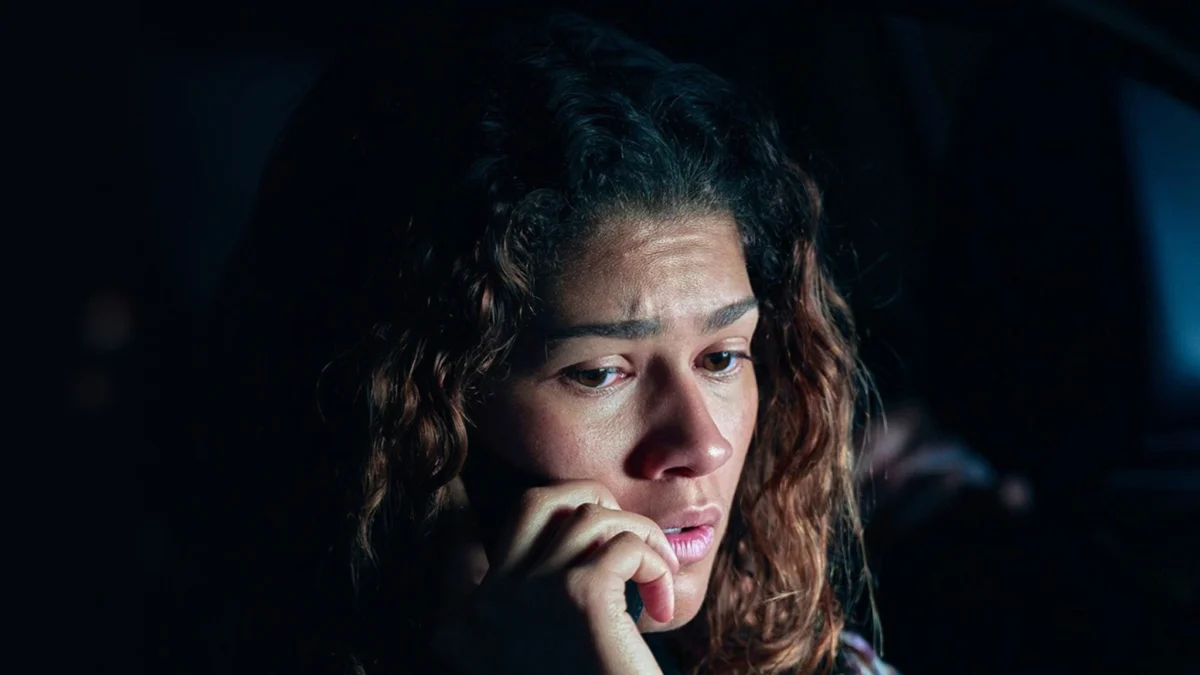
The highly anticipated and often controversial HBO drama "Euphoria" concluded its run on Sunday, May 31, 2026, with a shocking series finale that saw its central protagonist, Rue Bennett, portrayed by Emmy-winning actress Zendaya, succumb to a fatal drug overdose. The final episode of the third season, which aired ahead of a Monday announcement confirming it as the series finale, delivered an emotionally devastating and narratively definitive end to Rue’s long and arduous battle with addiction, leaving viewers in profound shock and igniting widespread discussion across social media platforms.
The Tragic Climax: Rue’s Final Moments
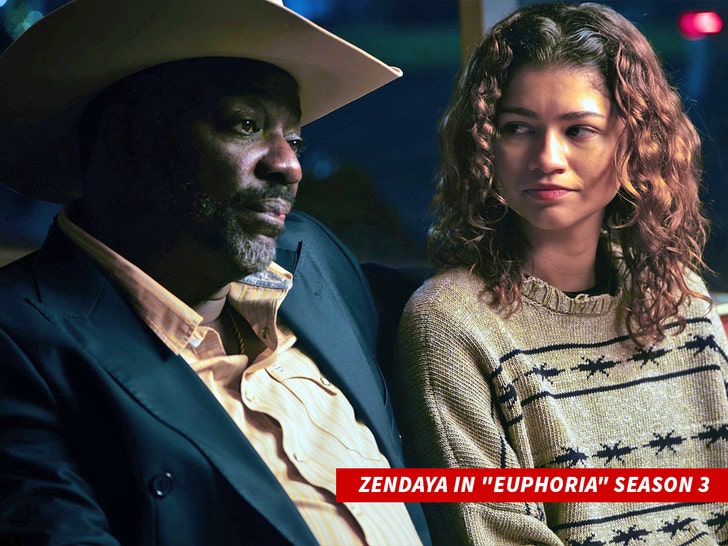
Sunday’s episode, titled "Fading Echoes," brought to a head the season-long narrative of Rue’s precarious sobriety and her dangerous entanglements with the criminal underworld. The pivotal moment unfolded when Rue, struggling with withdrawal and the pervasive temptation of narcotics, ingested Percocet pills that were deliberately laced with fentanyl. These lethal pills were left accessible to her by the formidable crime lord Alamo Brown, who sought retribution against Rue after discovering she had acted as a snitch, compromising his operations. Brown, acutely aware of Rue’s severe drug dependency, strategically exploited her vulnerability, knowing she would be unable to resist the opportunity to use.
The scene depicting Rue’s overdose was rendered with the show’s characteristic raw intensity, highlighting the grim reality of opioid addiction. As Rue’s life ebbed away, the narrative transitioned into a poignant dream sequence. In this ethereal vision, Rue found herself in a serene field alongside Fezco, her kind-hearted drug dealer and confidant, played by the late Angus Cloud. In this dream, Fezco had seemingly broken free from prison, and the two shared a moment of peace and companionship, a stark contrast to their turbulent lives. This particular sequence carried an additional layer of tragic resonance for viewers, given that Angus Cloud himself tragically died of an accidental drug overdose in July 2023, just over a year after the second season of "Euphoria" aired and well before production on the third season commenced. His real-life struggle with substance abuse had been publicly acknowledged, and his untimely passing sent ripples of grief through the show’s cast, crew, and dedicated fanbase.
Creator’s Stance and Artistic Justification
Following the intense finale, "Euphoria" creator and director Sam Levinson offered an immediate explanation for the decision to end Rue’s story in such a definitive and heartbreaking manner. In a segment that aired directly after the episode, Levinson stated, "It felt like an honest ending because people like Rue don’t make it." His remarks underscore the show’s commitment to portraying the unvarnished realities of addiction, even when those realities are difficult and devastating. From its inception, "Euphoria" has been lauded and criticized for its unflinching depiction of drug use, mental health struggles, and complex adolescent lives, often pushing boundaries with its graphic content. Levinson’s justification for Rue’s death aligns with the series’ overarching thematic exploration of the cyclical and often fatal nature of addiction, suggesting that for many, recovery is not a guaranteed outcome.
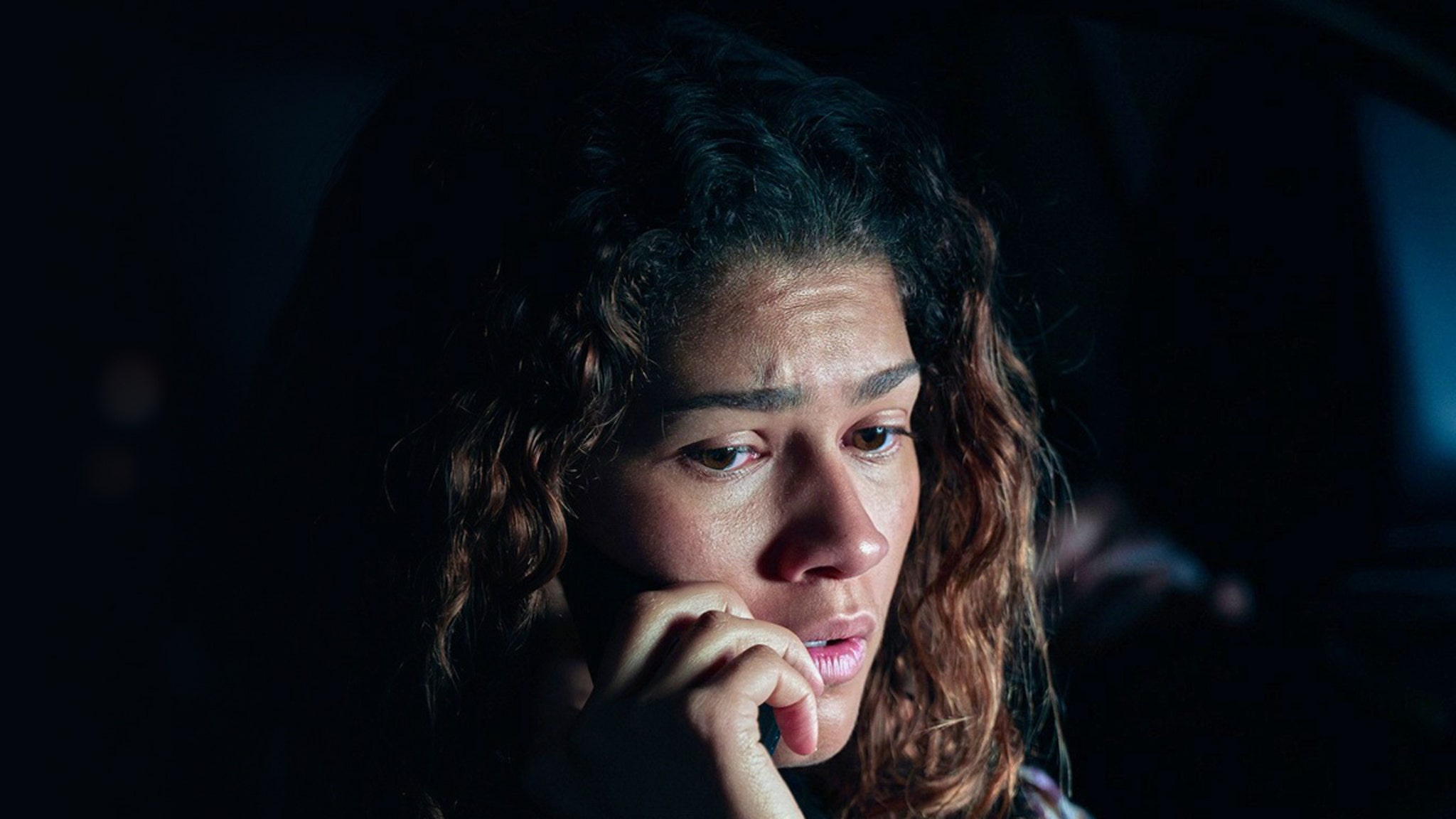
This creative choice, while impactful, is likely to spark extensive debate among critics and fans. Some will undoubtedly commend Levinson for his uncompromising artistic vision and his refusal to offer a saccharine, unrealistic ending to a story steeped in such dark subject matter. Others may argue that the death of a beloved, albeit flawed, protagonist like Rue constitutes a narrative betrayal or a missed opportunity for a redemption arc, particularly given the show’s platform and its potential influence on younger audiences grappling with similar issues.
The Broader Context of ‘Euphoria’ and Zendaya’s Legacy
"Euphoria," which first premiered in June 2019, quickly established itself as a cultural phenomenon, redefining teen dramas with its cinematic style, evocative soundtrack, and raw emotional depth. The series followed a group of high school students in East Highland, California, as they navigated complex issues of identity, trauma, love, and friendship, all set against a backdrop of pervasive drug use and mental health crises.
Zendaya’s portrayal of Rue Bennett, a struggling teenage drug addict, earned her widespread critical acclaim and two Emmy Awards for Outstanding Lead Actress in a Drama Series in 2020 and 2022. Her performance was consistently praised for its vulnerability, intensity, and authenticity, transforming Rue into one of television’s most compelling and complex characters. Rue’s journey through relapse and tentative recovery formed the emotional core of the series, making her ultimate demise all the more impactful. The decision to kill off such a central and celebrated character underscores the show’s commitment to its gritty realism, prioritizing thematic integrity over fan expectations for a happier resolution. This ending solidifies Zendaya’s legacy as an actress unafraid to tackle challenging roles with profound emotional depth.
The Shadow of Reality: Angus Cloud’s Poignant Legacy
The dream sequence featuring Fezco held a particularly heartbreaking significance due to the real-life tragedy of Angus Cloud. Cloud, who played the quiet yet fiercely loyal drug dealer Fezco, passed away on July 31, 2023, at the age of 25. His death was later confirmed to be the result of acute intoxication from a lethal combination of fentanyl, cocaine, and methamphetamine, categorizing it as an accidental overdose.
Cloud’s genuine warmth and understated performance as Fezco resonated deeply with audiences, making his character a fan favorite. His real-life struggles mirrored, in a tragic irony, the very themes explored within "Euphoria." Levinson’s decision to incorporate a dream sequence featuring Cloud’s character, particularly one that hints at a hopeful future for Fezco (breaking out of prison), serves as a poignant tribute to the late actor. It also draws an explicit, albeit fictionalized, parallel between the show’s narrative and the harsh realities of addiction that claimed Cloud’s life. This intersection of fiction and reality added an undeniable weight to the finale, transforming a fictional death into a moment of collective remembrance and grief for both character and actor.
A Season of Dramatic Departures and Unflinching Portrayals
The series finale was not the only episode of "Euphoria" Season 3 to deliver shocking twists. The penultimate episode, which aired the week prior, was equally dramatic and set a precedent for the series’ willingness to take bold narrative risks. That episode saw the death of Jacob Elordi’s character, Nate Jacobs, a character whose toxic masculinity and abusive tendencies had made him one of the show’s most controversial figures. His demise, while not detailed in the provided content, would have undoubtedly sent its own shockwaves through the fanbase, signifying a cleansing or reckoning for the show’s more morally ambiguous characters.
Furthermore, the penultimate episode featured a particularly explicit scene involving Sydney Sweeney’s character, Cassie Howard, who went completely topless during a wild sex scene with Dylan Reid, played by Homer Gere, son of veteran actor Richard Gere. Such scenes are characteristic of "Euphoria"’s boundary-pushing approach to sexuality and nudity, often sparking discussions about the show’s depiction of adolescent intimacy and vulnerability. These dramatic events leading up to Rue’s death highlight a season that was designed to be impactful and conclusive, dismantling key storylines and character arcs with an almost surgical precision.
Critical and Fan Reception: The End of an Era
The immediate aftermath of the "Euphoria" series finale has seen a torrent of reactions across social media platforms. Fans expressed a mix of profound sadness, disbelief, and admiration for the show’s uncompromising vision. Many lauded Zendaya’s final performance, while others grappled with the finality of Rue’s fate, a character they had invested in emotionally for years.
The ending will undoubtedly shape the legacy of "Euphoria." It solidifies the series’ reputation as a groundbreaking, albeit polarizing, examination of contemporary youth culture and the pervasive challenges faced by a generation. The show’s influence extends beyond television, sparking conversations about mental health resources, drug education, and the responsibilities of media in depicting sensitive subjects.
Thematic Resonance: Addiction and Public Health Implications
"Euphoria" has consistently been praised by public health advocates for its raw and realistic portrayal of drug addiction, eschewing glamorization in favor of showcasing its devastating consequences. Rue’s journey, fraught with relapses, interventions, and the constant struggle for sobriety, mirrored the experiences of countless individuals and families worldwide. The decision to end her story with an overdose, particularly one involving fentanyl-laced pills, carries significant thematic weight and public health relevance.
According to the Centers for Disease Control and Prevention (CDC), fentanyl remains a primary driver of the ongoing opioid crisis in the United States. In 2022, synthetic opioids (primarily fentanyl) were involved in over 73,000 overdose deaths. The casual availability and often unknowing ingestion of fentanyl, as depicted in Rue’s demise, underscore the extreme dangers of the current drug landscape. By showing a beloved character succumbing to this reality, "Euphoria" delivers a powerful, albeit tragic, public service message, highlighting the indiscriminate and fatal nature of modern drug use, particularly among young people. It serves as a stark reminder that addiction is a disease with often fatal outcomes, and that even those with supportive networks can fall victim to its grip.
The End of an Era
With the Monday announcement confirming the episode as the series finale, "Euphoria" concludes its run as one of the most talked-about and critically dissected shows of its generation. Its impact on television storytelling, particularly in its fearless approach to difficult subjects, will resonate for years to come. The death of Rue Bennett, the heart and soul of the series, provides a somber, yet arguably honest, capstone to a narrative that dared to explore the darkest corners of adolescence. It leaves viewers not with a sense of closure in the traditional sense, but with a profound and lasting impression of the harsh realities the show so courageously depicted.

 Jia Lissa
 Yuyun Lusiyani
 Joko Widodo
 Eva Lovia

 Pevita Pearce