
 admin
admin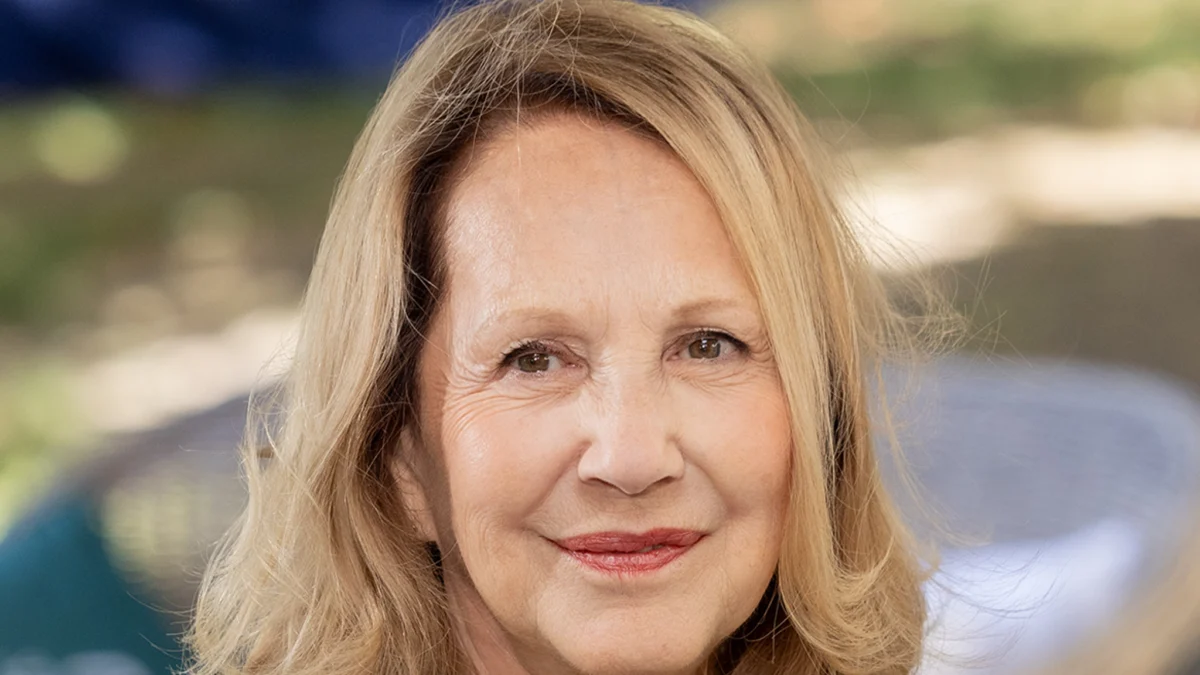
Paris, France – Celebrated French actress Nathalie Baye, a revered figure in both European and international cinema, passed away on Friday evening at her home in Paris at the age of 77. Her family confirmed the news to the French press agency, AFP, attributing her death to Lewy body dementia, a condition she had been battling. The loss of Baye marks the end of an illustrious career spanning over five decades, leaving an indelible mark on the landscape of film.
The Passing of a French Icon
The announcement of Nathalie Baye’s death sent ripples of sorrow across the global film community, particularly in France, where she was considered a national treasure. Known for her remarkable versatility, captivating screen presence, and nuanced performances, Baye had amassed an impressive filmography of more than 100 acting credits. Her final role was Hélène in the 2023 romance/drama film "Mother Valley," a testament to her enduring dedication to her craft even in her later years.
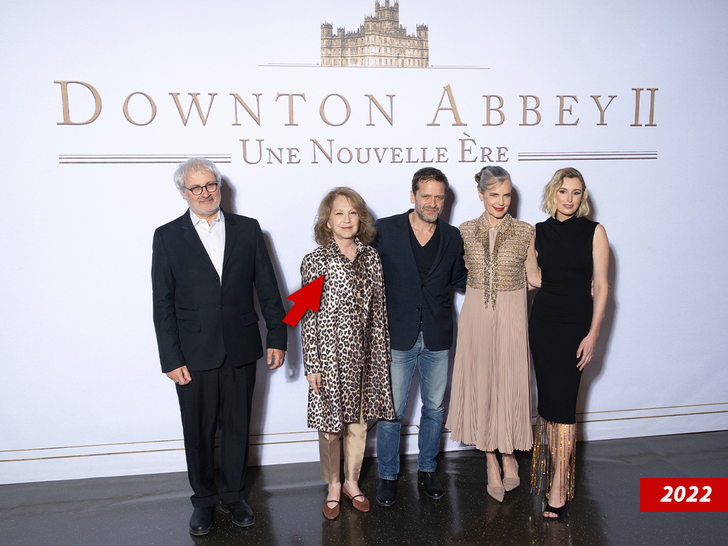
Her recent appearance as Madame de Montmirail in the 2022 film "Downton Abbey: A New Era" brought her to a wider international audience, where she charmed viewers as a longtime friend of Maggie Smith’s iconic character, Violet Crawley. However, her career was already well-established, with her role as the mother of Leonardo DiCaprio’s character in Steven Spielberg’s critically acclaimed 2002 film "Catch Me if You Can" being another significant moment of global recognition.
Understanding Lewy Body Dementia
Nathalie Baye’s family disclosed that she succumbed to Lewy body dementia (LBD), one of the most common forms of progressive dementia after Alzheimer’s disease. This neurodegenerative condition is characterized by abnormal deposits of a protein called alpha-synuclein, known as Lewy bodies, which accumulate in brain cells. These deposits affect chemicals in the brain, leading to a range of symptoms that impact thinking, movement, behavior, and mood.
According to Alzheimers.gov, symptoms of LBD can be particularly challenging and distinct from other forms of dementia. Patients often experience fluctuating cognition, with pronounced variations in attention and alertness, and recurrent visual hallucinations, which can be vivid and detailed. Motor symptoms, similar to those seen in Parkinson’s disease, such as rigidity, slow movement (bradykinesia), tremors, and problems with balance and walking, are also common. Other manifestations can include sleep disorders, particularly REM sleep behavior disorder, and significant mood changes, including depression and anxiety. The diagnosis of LBD can be complex due to the overlap of symptoms with other neurological conditions, making awareness and early detection crucial for managing the disease and improving quality of life for affected individuals and their families. Baye’s passing sheds light on the devastating impact of this lesser-known but prevalent form of dementia.
A Distinguished Career: From Breakthrough to International Acclaim
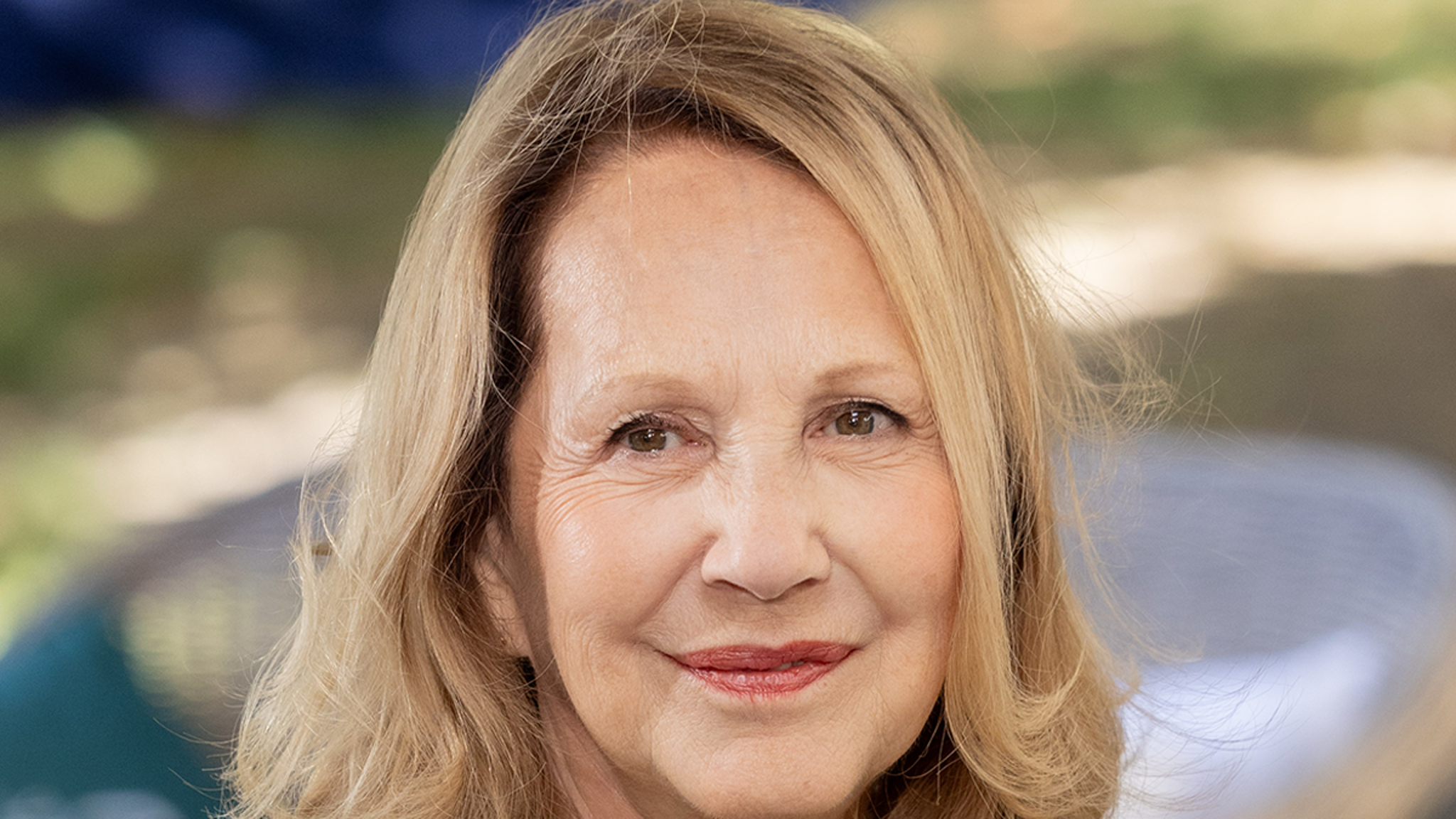
Born in Mainneville, Eure, France, on May 25, 1948, Nathalie Baye initially trained as a dancer before shifting her focus to acting. She studied at the Cours Florent and the Conservatoire National Supérieur d’Art Dramatique in Paris, laying the groundwork for a career that would make her one of France’s most respected actresses.
Her breakout role arrived in 1973 with François Truffaut’s iconic film "Day For Night" (La Nuit américaine). In this meta-cinematic masterpiece, Baye played Joëlle, a script girl, a role that immediately showcased her naturalistic talent and understated charm. The film, which won the Academy Award for Best Foreign Language Film, catapulted Baye into the spotlight, marking the beginning of her ascent in French cinema.
Early Triumphs and Critical Recognition
Following her debut, Baye quickly established herself as a formidable presence in French cinema throughout the 1970s and 1980s. She garnered critical acclaim for her roles in films such as Maurice Pialat’s "Loulou" (1980), where she starred opposite Gérard Depardieu, earning her a César Award nomination for Best Actress. The César Awards, France’s national film awards, became a frequent destination for Baye, a testament to her consistent excellence.
She won her first César Award for Best Supporting Actress in 1981 for her performance in Jean-Luc Godard’s "Every Man for Himself" (Sauve qui peut (la vie)). This was followed by another Best Supporting Actress win in 1982 for Pierre Granier-Deferre’s "A Strange Affair" (Une étrange affaire). Her ability to embody complex, often vulnerable, yet resilient characters resonated deeply with audiences and critics alike. In 1983, she secured her first César for Best Actress for her powerful portrayal in Bob Swaim’s "La Balance," solidifying her status as a leading lady in French cinema. This role, a gritty crime drama, allowed her to showcase a different facet of her acting prowess, further proving her remarkable range. Over her career, Baye would receive a total of nine César nominations, winning four, underscoring her consistent recognition at the highest level of French film.
Her collaboration with acclaimed directors like Claude Chabrol ("Le Scandale," "La Fleur du mal") and Bertrand Tavernier ("Une semaine de vacances") further cemented her reputation. She was known for her meticulous preparation and her ability to bring profound depth and authenticity to every character, whether in dramatic roles, comedies, or thrillers.
Hollywood Crossover and ‘Downton Abbey’
While primarily a fixture of European cinema, Nathalie Baye’s talent transcended borders. Her most notable venture into Hollywood came with Steven Spielberg’s "Catch Me if You Can" (2002), where she played Paula Abagnale, the French mother of Frank Abagnale Jr., portrayed by Leonardo DiCaprio. Her portrayal of a woman caught in a tumultuous marriage and complex family dynamics was both poignant and memorable, introducing her to a broader American audience and showcasing her ability to seamlessly integrate into high-profile international productions. Working alongside stars like DiCaprio and Tom Hanks, Baye held her own, leaving a lasting impression.
More recently, Baye delighted fans of the beloved British period drama with her role as Madame de Montmirail in "Downton Abbey: A New Era" (2022). Her character, a glamorous and witty French acquaintance of the Dowager Countess Violet Crawley (Dame Maggie Smith), added a touch of continental elegance and intrigue to the narrative. Her scenes with Maggie Smith were particularly cherished, offering a delightful interplay between two acting titans from different cinematic traditions. This role, coming late in her career, underscored her continued relevance and appeal to diverse audiences globally.
A Life in French Cinema: Versatility and Enduring Presence
Baye’s commitment to cinema never waned. Throughout the 1990s and 2000s, she continued to deliver impactful performances in a wide array of French films. Notable roles include her work in "Vénus Beauté (Institut)" (1999), for which she won her fourth César Award, this time for Best Actress, portraying a woman working in a beauty salon who navigates complex romantic relationships. This film, directed by Tonie Marshall, highlighted Baye’s ability to imbue ordinary characters with extraordinary emotional depth.
She also starred in films like "The Assistant" (L’Assistante) (2004), "The Young Lieutenant" (Le Petit Lieutenant) (2005), and "The Sense of Wonder" (Le Sens de la fête) (2017). Her career was marked by an unwavering dedication to exploring the human condition through diverse characters, ranging from the vulnerable to the fiercely independent. Baye’s presence on screen was always captivating, whether in lead roles or in supporting capacities, she had a knack for elevating every project she touched. Her ability to transition effortlessly between genres, from lighthearted comedies to intense dramas and thrillers, solidified her reputation as one of France’s most versatile actresses.
Personal Life and Enduring Legacy
Beyond her professional achievements, Nathalie Baye’s personal life occasionally drew public attention, most notably her high-profile relationship with the legendary French rock and roll singer Johnny Hallyday. Their romance in the late 1970s and early 1980s was a cultural phenomenon in France, uniting two of the country’s biggest stars. Together, they had one child, Laura Smet, who has followed in her parents’ footsteps and established herself as a respected actress in her own right. The continuation of an acting legacy through her daughter is a poignant aspect of Baye’s enduring influence. Their relationship, though ultimately ending, remained a significant chapter in both their lives and in French popular culture.
Nathalie Baye’s contributions to French cinema are immeasurable. She was not just an actress; she was a storyteller, a muse for countless directors, and an inspiration for aspiring performers. Her dedication to her art, her refusal to be typecast, and her ability to bring a unique blend of strength and sensitivity to her characters ensured her place in the pantheon of great actors.
Tributes and Lasting Impact
The news of Nathalie Baye’s passing is expected to elicit an outpouring of tributes from across the French and international film industries. Colleagues, directors, and fans will undoubtedly remember her for her immense talent, her grace, and her significant contributions to cinematic art. French cultural figures are likely to mourn the loss of an actress who embodied a particular elegance and intelligence on screen, a true ambassador for French cinema worldwide. Her death represents the loss of a vital link to a golden era of filmmaking, yet her extensive body of work will ensure her legacy continues to inspire future generations.
Nathalie Baye’s remarkable career, characterized by critical acclaim and a deep commitment to her craft, leaves behind a rich tapestry of performances that will be cherished for years to come. Her memory will live on through the films she graced, a testament to an extraordinary life lived in the service of art. She was 77.



 Jia Lissa
 Yuyun Lusiyani
 Joko Widodo
 Eva Lovia

 Pevita Pearce