
 admin
admin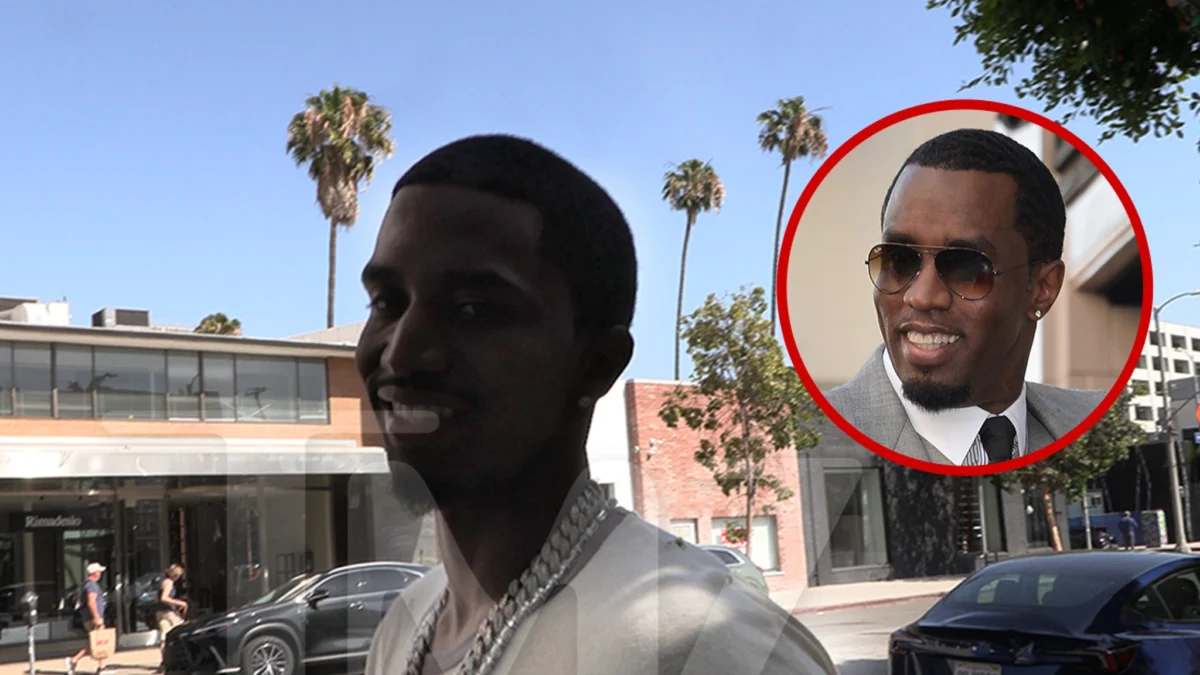
In a recent public encounter, Christian Combs, professionally known as King Combs, offered a rare glimpse into the current state of his father, Sean "Diddy" Combs, who is presently incarcerated at Federal Correctional Institution (FCI) Fort Dix in New Jersey. King Combs assured reporters that the embattled music mogul is "doing OK" despite his confinement, while simultaneously making an impassioned plea for his father’s release, declaring, "free pops." This statement comes at a critical juncture, as Diddy’s legal team actively pursues an appeal against his conviction, a process that could significantly alter his scheduled release date in 2028. The brief but significant interaction with the younger Combs provides a human element to a high-profile legal saga that has captivated and divided public opinion.
The Conviction and Incarceration of Sean "Diddy" Combs
Sean "Diddy" Combs, a figure synonymous with hip-hop excellence and entrepreneurial prowess for over three decades, saw his illustrious career take a dramatic turn following his conviction on July 2, 2025. A jury found him guilty on two felony counts of transporting individuals across state lines to engage in prostitution. These charges, which carry severe federal penalties, emerged from a complex and extensive investigation that had been building for months, if not years, prior to the public revelation of federal scrutiny. The conviction marked an unprecedented fall from grace for a man who built a multi-billion-dollar empire encompassing music, fashion, spirits, and media.
The legal proceedings leading up to the conviction were largely shrouded in intense media speculation and public debate. While the specific details of the evidence presented during the trial remain under wraps in some aspects, the nature of the charges suggests a pattern of behavior that federal prosecutors deemed illegal under statutes designed to combat human trafficking and related offenses. The verdict sent shockwaves through the entertainment industry, prompting many to re-evaluate the legacy of an artist and businessman once considered untouchable.
Following his conviction, Diddy was sentenced to 50 months in federal prison. He was subsequently transferred to FCI Fort Dix, a low-security federal correctional institution located within Joint Base McGuire-Dix-Lakehurst in New Jersey. Such facilities are designed to house inmates with minimal security risks and typically offer a range of educational and vocational programs, though the daily realities of prison life are starkly different from the opulent lifestyle Diddy once enjoyed. His current scheduled release date, factoring in good behavior and other federal guidelines, is April 15, 2028.
King Combs’ Public Statement and Family Support
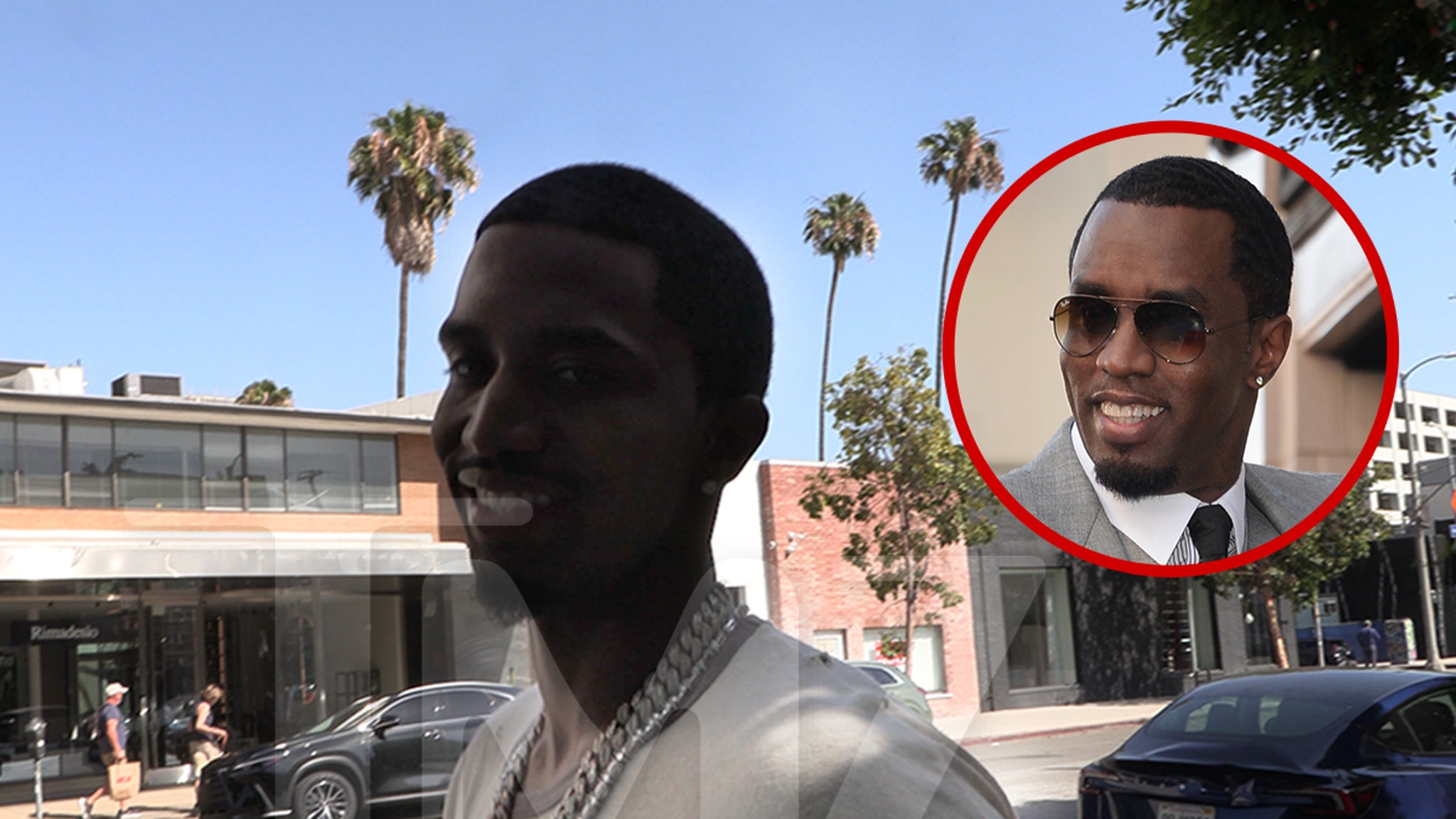
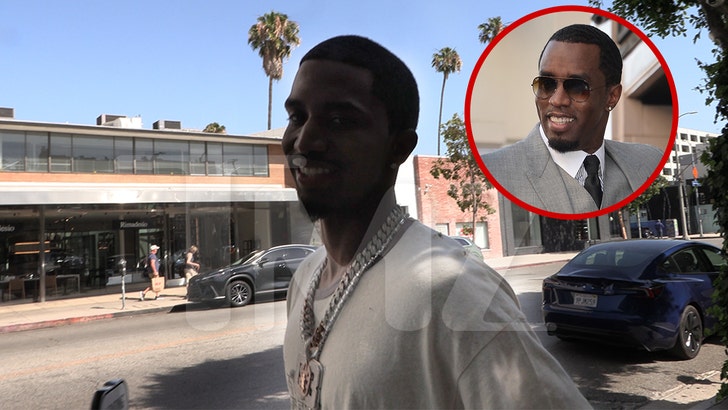
Christian Combs’ recent interaction with TMZ in Los Angeles offered the first direct update from a close family member regarding Diddy’s well-being since his incarceration. Despite the somber context, King Combs appeared relaxed and composed, indicating a level of resilience within the family amidst the ongoing legal turmoil. His assurance that Diddy is "doing OK" serves as a message of comfort to fans and supporters who have followed the mogul’s legal battles intently. Furthermore, King Combs extended gratitude to those who have offered their support, acknowledging the widespread public interest in his father’s situation.
The call to "free pops," delivered with a police siren wailing in the background—a poignant, almost cinematic backdrop—underscores the family’s unwavering belief in Diddy’s potential innocence or at least their conviction that his sentence is unjust. This public advocacy is not an isolated incident; throughout the various stages of Diddy’s legal challenges, his children, including Justin Dior Combs and Quincy Taylor Brown, have consistently expressed solidarity and support for their father. This unified front highlights the strong familial bonds that persist despite the immense pressure and public scrutiny. The family’s public stance aims to humanize Diddy, presenting him not just as a disgraced celebrity but as a father and a loved one fighting for his freedom. Their efforts are crucial in shaping the narrative surrounding Diddy, attempting to counterbalance the overwhelmingly negative media portrayal.
The High-Stakes Federal Appeals Process
The legal battle for Sean Combs is far from over. On April 9, 2026, Diddy’s legal team presented their arguments before a federal appeals court, challenging both the conviction and the severity of his 50-month sentence. The essence of their appeal hinges on two primary contentions: first, that the activities characterized by the prosecution as "transporting individuals across state lines to engage in prostitution" – often referred to colloquially as "freak-offs" by the defense – did not constitute a violation of any existing law; and second, that the 50-month sentence handed down by the trial court was disproportionate and "way out of line" for the alleged offenses.
Federal appellate courts do not re-try cases or re-evaluate factual findings established by a jury. Instead, their role is to review the legal proceedings of the lower court for errors of law that might have impacted the verdict. Diddy’s lawyers would have meticulously scoured the trial transcript for procedural missteps, improper jury instructions, erroneous evidentiary rulings, or misinterpretations of statutes by the trial judge. Their argument that the "freak-offs" were not illegal suggests a challenge to the prosecution’s interpretation of federal prostitution and trafficking laws, potentially arguing that the activities, while perhaps morally questionable to some, did not meet the stringent legal definition required for a conviction under federal statutes. This could involve nuanced arguments about consent, coercion, and the specific intent required by the law.
Regarding the claim that the 50-month sentence was "out of line," the defense would likely have presented comparative sentencing data for similar federal offenses, argued for mitigating circumstances that were not adequately considered, or contended that the sentencing judge abused their discretion. Federal sentencing guidelines are complex, taking into account the nature of the crime, the defendant’s criminal history, and other factors. An appeal challenging a sentence often argues that the guidelines were misapplied or that the sentence imposed falls outside the reasonable range for the offense.
As of the latest reports, the federal appeals judges are still deliberating. The process can be lengthy, often taking several months or even over a year for a decision to be rendered. Potential outcomes of the appeal include:
- Affirmation of the conviction and sentence: The appeals court finds no reversible error, and the conviction and sentence stand.
- Reversal of the conviction: The appeals court finds significant legal errors, overturns the conviction, and potentially orders a new trial or dismisses the charges.
- Vacation of the sentence and remand for resentencing: The appeals court finds the conviction valid but deems the sentence legally flawed, sending the case back to the trial court for a new sentencing hearing.
Any decision from the appeals court will have profound implications for Diddy’s future and could significantly alter his April 15, 2028, release date. A reversal would offer him immediate freedom, while a resentencing could lead to a shorter or longer term, depending on the appellate court’s directives and the trial court’s subsequent actions.
Broader Implications and Diddy’s Tarnished Legacy
The conviction and ongoing legal battles of Sean "Diddy" Combs extend far beyond the individual, casting a long shadow over his once-unassailable legacy and sending ripples through the entertainment industry. For decades, Diddy was not merely a musician but an architect of culture, a titan whose Bad Boy Records launched the careers of numerous hip-hop and R&B stars, including The Notorious B.I.G., Lil’ Kim, and Mase. His entrepreneurial ventures, from CÎROC vodka to AQUAhydrate water and Revolt TV, cemented his status as a business magnate with an uncanny ability to identify and capitalize on trends. This fall from grace represents one of the most significant downfalls of a major celebrity in recent memory, particularly within the music industry.
The legal troubles have undoubtedly had a devastating impact on Diddy’s business empire. While specific financial figures are difficult to ascertain publicly, the negative publicity, withdrawal of partnerships, and erosion of public trust would have undoubtedly led to substantial financial losses and a devaluation of his brand assets. Companies and celebrities are increasingly sensitive to reputational risk, and associations with convicted felons, especially those involved in crimes of moral turpitude, are typically severed swiftly to protect their own brand integrity.
Beyond the financial and legal ramifications, Diddy’s conviction has forced a difficult conversation about accountability for powerful figures, particularly in the wake of movements like #MeToo. The allegations and subsequent conviction against him serve as a stark reminder that fame and fortune do not provide immunity from legal consequences. This case resonates with a broader societal push for justice and transparency, challenging the long-held perception that certain individuals are above the law.
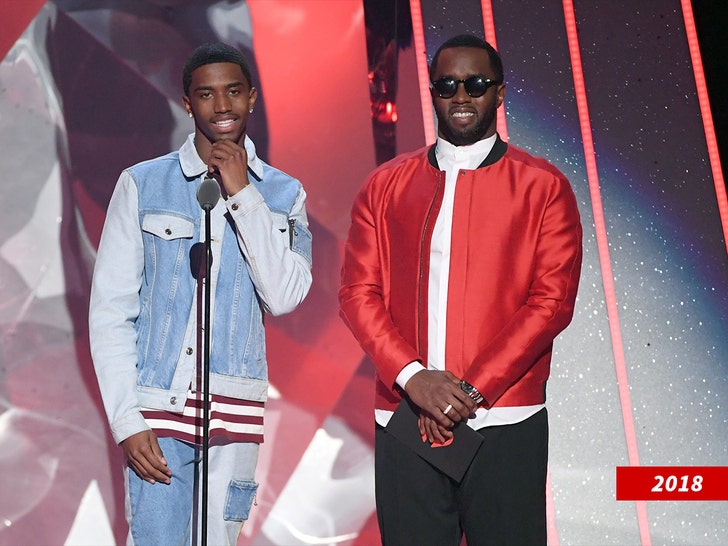
The future of the Combs family brand is also at a critical juncture. While King Combs and his siblings have shown unwavering support for their father, they must navigate their own careers and public personas in the shadow of this scandal. Maintaining their individual artistic and business endeavors while carrying the weight of the family name will require strategic decisions and resilience. The public’s perception of the Combs family will likely be intertwined with Diddy’s legacy for years to come, posing both challenges and opportunities for his children to carve out their own narratives.
In conclusion, King Combs’ recent statement provides a brief but poignant update on Diddy’s current state, offering a glimpse of familial reassurance amidst a complex and ongoing legal battle. The federal appeals process represents the next crucial phase in Sean Combs’ fight for freedom, with the potential to either solidify his conviction or offer a path toward an earlier release. Regardless of the outcome, the saga has already left an indelible mark on Diddy’s legacy, reshaping his narrative from an iconic mogul to a figure at the center of a profound legal and cultural reckoning. The world watches, waiting for the appeals court’s decision, which will undoubtedly add another significant chapter to this unprecedented story.

 Jia Lissa
 Yuyun Lusiyani
 Joko Widodo
 Eva Lovia

 Pevita Pearce