
 Nila Kartika Wati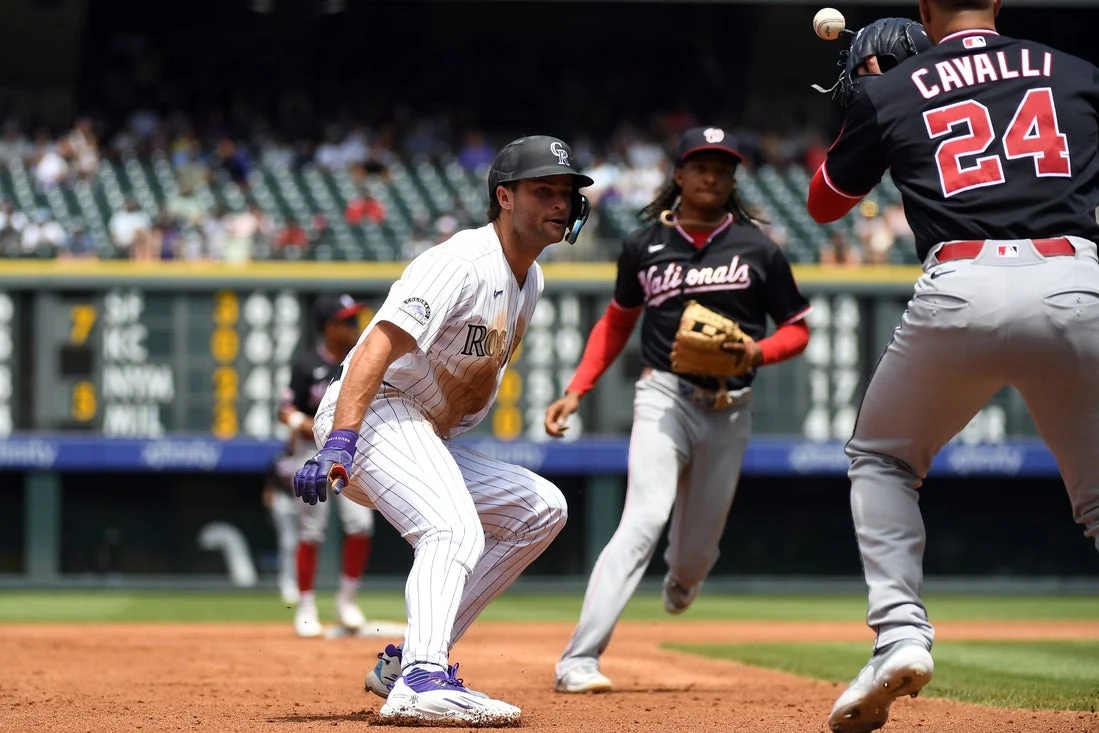
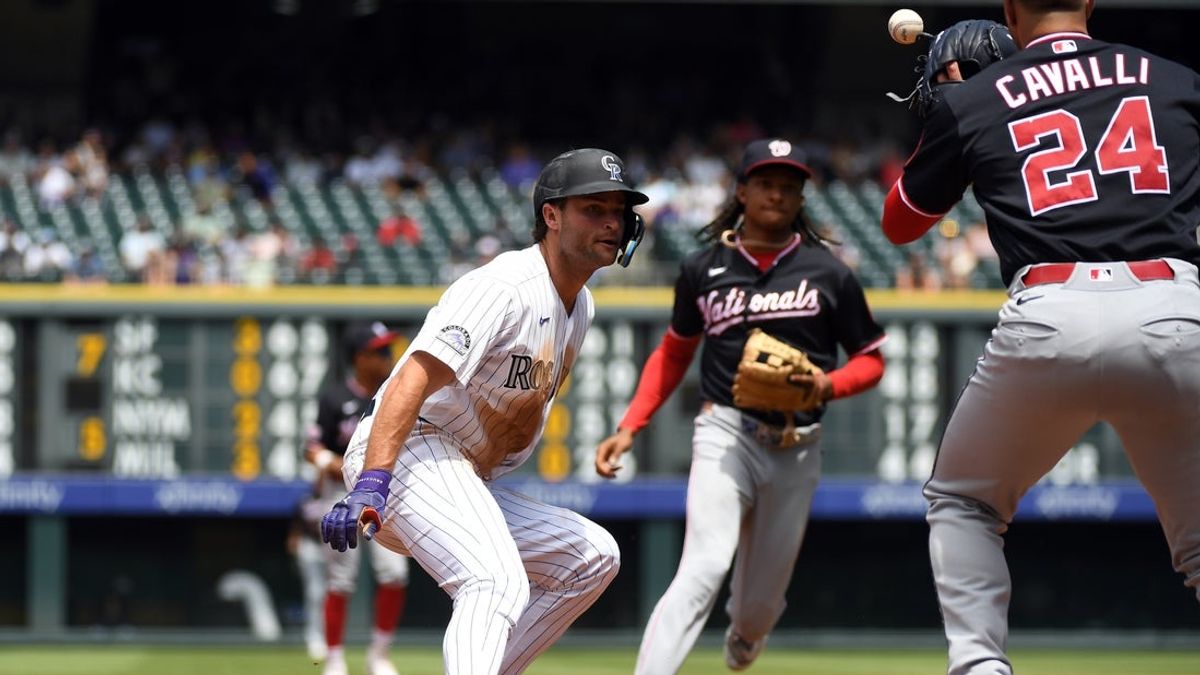
The Washington Nationals showcased their offensive prowess and pitching depth on Wednesday, securing an emphatic 8-0 victory over the Colorado Rockies in the rubber game of their three-game series at Coors Field. Luis Garcia Jr. ignited the Nationals’ offense with a crucial home run, while pitcher Cade Cavalli delivered a masterful six-inning performance, scattering four hits, issuing two walks, and striking out eight batters to earn his seventh win of the season. This decisive win marked the culmination of a successful road trip for the Nationals, who have solidified their position as one of the league’s most potent offensive forces.
Nationals’ Offensive Barrage Continues to Shine
The Nationals, who entered the day leading Major League Baseball in runs scored, RBIs, and home runs, continued their offensive onslaught, exceeding seven runs for the fourth time in their last five contests. Their consistent scoring highlights a sustained period of offensive dominance that has become a hallmark of their 2026 campaign. The depth of their lineup was evident in the box score, with CJ Abrams leading the charge with an impressive four hits. Jorbit Vivas, Nasim Nunez, Dylan Crews, and Jose Tena each contributed two hits, demonstrating the multifaceted nature of Washington’s offensive attack. This collective effort underscored the team’s ability to generate runs from various sources, making them a formidable opponent for any pitching staff.
Cavalli’s Resilience and Dominance Post-Suspension
Cade Cavalli’s outing was particularly significant, marking his second start since completing a five-game suspension. His ability to return to form so quickly and deliver such a dominant performance speaks volumes about his mental fortitude and preparation. The right-hander demonstrated excellent command of his pitches, effectively navigating the challenging altitude and unique playing conditions at Coors Field. His six shutout innings not only provided a crucial anchor for the Nationals’ pitching staff but also offered a strong indication that he has put his disciplinary issue behind him and is ready to contribute meaningfully to the team’s postseason aspirations. His record now stands at a respectable 7-4, a testament to his impact on the mound.
Rockies’ Struggles and Missed Opportunities
On the other side of the diamond, the Colorado Rockies were unable to muster any offensive response and were plagued by defensive miscues that proved costly. Infielder Kyle Karros managed to extend his on-base streak to 17 games with a single and two walks, while Jake McCarthy added a double. However, these individual efforts were not enough to spark a significant offensive surge. The Rockies’ defense contributed to their own demise, committing three errors that directly led to two unearned runs for the Nationals. These defensive lapses, coupled with their offensive struggles, resulted in a disappointing finish to their homestand, which concluded with a 2-4 record. The team will need to address these inconsistencies to remain competitive in the National League West.
Hughes’ Promising Start Undermined by Fifth-Inning Meltdown
Colorado’s starter, Gabriel Hughes, showed flashes of brilliance in his second career start at Coors Field and fourth overall major league appearance. He engaged Cavalli in a tight pitching duel through the first four innings, striking out five batters and keeping the Nationals off the scoreboard. However, the fifth inning proved to be his undoing. A leadoff triple by Jorbit Vivas, followed by a sacrifice fly from James Wood, broke the scoreless tie and signaled the beginning of the end for Hughes’ outing. While Hughes demonstrated potential, the inability of the Rockies’ bullpen to stem the tide of the Nationals’ offense ultimately sealed their fate.
A Detailed Chronology of the Game’s Pivotal Moments
Early Innings: A Pitcher’s Duel and Building Momentum
The game began as a tense affair, with both Cavalli and Hughes showcasing their pitching acumen. Through the first four innings, neither team could find a way to break the deadlock. Cavalli, working efficiently, kept the Rockies’ hitters off balance, while Hughes matched him zero for zero, hinting at a potential low-scoring contest. This early stage of the game was characterized by strong pitching performances and a sense of anticipation as both teams probed for weaknesses.
The Fifth Inning: Nationals Strike First
The crucial breakthrough for the Nationals came in the top of the fifth inning. Jorbit Vivas, demonstrating his speed and ability to find gaps, led off with a triple that narrowly missed clearing the fence in right field. The following batter, James Wood, capitalized on the opportunity, driving in Vivas with a hit that was ultimately a sacrifice fly. This run, though only one, proved to be the spark that ignited the Nationals’ offense and shifted the momentum of the game firmly in their favor.
The Seventh Inning: Washington Breaks the Game Open
The seventh inning proved to be the decisive frame for the Nationals. Facing reliever Jimmy Herget, Washington systematically dismantled the Rockies’ defense. Daylen Liles initiated the rally with a walk, advancing to second on a groundout. Jorbit Vivas then drew another walk, putting runners on first and second. Nasim Nunez followed with a sharp single to left field, scoring Liles and extending the lead. A subsequent error on the throw allowed Vivas to score as well, further compounding the Rockies’ defensive woes.
Garcia’s Blast and the Continued Onslaught
With the bases now cleared but the pressure mounting, Luis Garcia Jr. stepped to the plate and delivered a decisive blow. He launched his 21st home run of the season into the Nationals’ bullpen, a towering blast that effectively put the game out of reach for the Rockies. This three-run homer dramatically altered the scoreboard, making it 5-0 and injecting a significant surge of confidence into the Nationals’ dugout.
The scoring did not end there. Zach Agnos entered the game in relief of Herget and immediately struggled. He surrendered consecutive singles to Jose Tena and CJ Abrams. Dylan Crews then singled, driving in Tena. In a chaotic play, two throwing errors on the same sequence allowed Abrams to score, further highlighting the Rockies’ defensive struggles. This series of events in the seventh inning demonstrated the Nationals’ relentless offensive pressure and their ability to capitalize on any defensive lapses.
The Eighth Inning: Adding Insult to Injury
The Nationals continued to add to their lead in the eighth inning. Keiber Ruiz led off with a double, and Jorbit Vivas followed with a single, placing runners on first and third. Nasim Nunez then delivered an RBI single, pushing another run across the plate and solidifying the commanding lead. This late-inning scoring further emphasized the Nationals’ offensive depth and their commitment to putting runs on the board until the final out.
Supporting Data and League Context
The Nationals’ offensive performance on Wednesday aligns with their season-long trends. As of July 22, 2026, the team consistently ranks among the top in MLB for key offensive metrics:
- Runs Scored: The Nationals have demonstrated exceptional run-scoring ability throughout the season, often leading the league in this category. Their ability to consistently put runs on the board is a significant factor in their success.
- RBIs: Their high number of RBIs reflects the efficiency of their hitters in driving in runners from scoring position. This indicates strong situational hitting and the ability to capitalize on opportunities created by their lineup.
- Home Runs: The team’s prolific home run output provides a powerful weapon for generating runs quickly and changing the complexion of games. Luis Garcia Jr.’s 21st homer on Wednesday further bolsters this team strength.
- On-Base Percentage: The collective ability of players like CJ Abrams, Jorbit Vivas, Nasim Nunez, Dylan Crews, and Jose Tena to consistently reach base, as evidenced by their multi-hit performances, sets the stage for their potent offense.
Conversely, the Rockies’ struggles reflect broader team challenges. Their three errors in this game contribute to a season-long issue with defensive consistency. For a team playing at altitude, where balls tend to carry further, minimizing defensive miscues is paramount to success. Their offensive output, while featuring individual bright spots like Jake McCarthy’s on-base streak, has not consistently translated into runs, particularly in crucial series matchups.
Official Responses and Inferred Reactions
While no direct quotes were provided from the teams’ management or players regarding this specific game, logical inferences can be drawn from the outcomes and performances:
Washington Nationals: Manager Davey Martinez likely expressed satisfaction with his team’s overall performance, particularly Cavalli’s strong outing and the continued offensive production. He would likely praise the team’s resilience and ability to perform at a high level on the road. The depth of the lineup and the contributions from multiple players would be a key talking point for Martinez, emphasizing the team’s collective strength.
Colorado Rockies: Manager Bud Black would undoubtedly express disappointment with the team’s inability to generate offense and the costly defensive errors. He would likely focus on the need for improvement in these areas, emphasizing the importance of clean baseball. The promising early innings from Gabriel Hughes might offer a small positive to build upon, but the overall outcome would overshadow individual pitching successes. The team’s inability to capitalize on their home-field advantage would be a significant concern.
Broader Impact and Implications
The Washington Nationals’ victory in Denver has several implications for both teams and the broader league landscape.
- Nationals’ Momentum: This series win solidifies the Nationals’ position as a legitimate contender. Their ability to win on the road against a divisional opponent, especially in a challenging environment like Coors Field, demonstrates their championship mettle. Their continued offensive dominance suggests they are peaking at the right time as the postseason approaches.
- Rockies’ Rebuilding Efforts: For the Colorado Rockies, this loss underscores the ongoing challenges in their rebuilding process. While they have promising young talent like Gabriel Hughes, the team’s overall execution, particularly in terms of defense and consistent run production, needs significant improvement. This series loss highlights areas that require immediate attention if they are to contend in the competitive National League West.
- Playoff Picture: The Nationals’ strong performance contributes to their standing in the National League playoff race. Their ability to win consistently, especially against teams within their league, bolsters their chances of securing a favorable seed. The Rockies, on the other hand, will need to find a way to string together more wins to avoid falling too far behind in their division.
The 8-0 shutout victory for the Washington Nationals against the Colorado Rockies serves as a clear indicator of the former’s current form and the latter’s ongoing struggles. As the season progresses, the Nationals will look to maintain this high level of play, while the Rockies will face the imperative task of addressing fundamental issues to climb the standings.


 Yuyun Lusiyani
 Joko Widodo
 Jia Lissa
 Pevita Pearce
 admin
admin
